The Oregon Fish and Wildlife Commission voted 6-1 to deny a petition that requested crab fishery rules be modified to further reduce the risk of whale entanglement. It urged the Oregon Department of Fish and Wildlife to continue its planned rulemaking process and engagement with NOAA fisheries to obtain Endangered Species Act coverage.

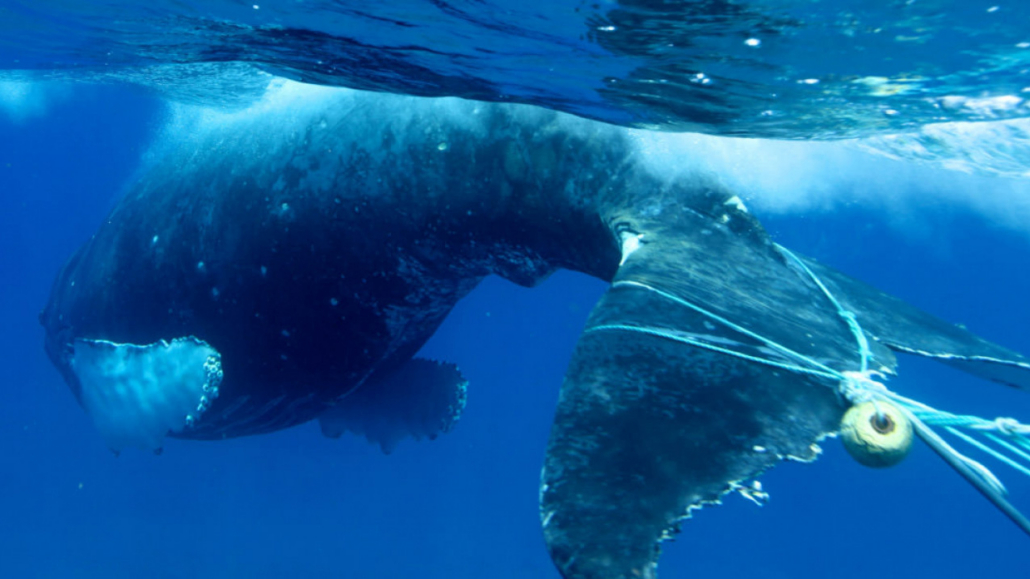
Whale entanglements have increased in Oregon and other West Coast states since 2014. This rise is linked to a growing humpback whale population, changing ocean conditions that increase overlap between whales and crab gear, and improved reporting. Most humpback whales that occur off Oregon’s coast are listed under the ESA as threatened or endangered.
Commissioners made the decision after reviewing hundreds of pages of comments and hearing testimony from nearly 70 people at their meeting in Springfield, including crab fishermen and representatives from the petitioning organizations (Center for Biological Diversity, Oceana, the Natural Resources Defense Council, American Cetacean Society and other parties).
Accepting the petition would not have changed any rules but directed ODFW to conduct a public rulemaking process, with any proposed rule changes considered at a future public meeting and after an additional public process.
Rulemaking to address whale entanglements was already underway, in collaboration with Oregon’s commercial crabbing industry and the Oregon Entanglement Advisory Council, when the petition was received on Dec. 11, 2025. ODFW staff recommended accepting the petition given that rulemaking was already planned and as a way to ensure an open public process and consideration of economic impacts.
“From the department’s perspective, our recommendation was fundamentally to stay the course on planned 2026 rulemaking,” said Director Debbie Colbert during the meeting. This includes a review of key entanglement risk reduction measures adopted to date, and rulemaking to consider experimental permits for testing pop-up and longline gear and requirements for electronic vessel monitoring.
The work in 2026 is part of a comprehensive strategy to reduce whale entanglement risk that began in 2019 and includes ODFW, the commercial crabbing industry, the Oregon Entanglement Advisory Committee, and other stakeholders. Part of the strategy includes developing a Conservation Plan (CP) required to obtain an Incidental Take Permit (ITP) under Section 10 of the federal Endangered Species Act.
Finalizing the CP and securing an ITP will ensure compliance with federal law while balancing conservation goals and maintaining a viable, sustainable fishery, says the agency. ODFW is currently working with NOAA Fisheries to complete this process which can take several years.
“We have been working actively to pursue a CP and submitted a partial plan to NOAA Fisheries last year,” said Mike Harrington, Fish Division Administrator, noting NOAA staff reductions and the federal government shutdown may have slowed the process. “We recently heard back from NOAA on the CP and are addressing their comments. We will continue to aggressively pursue the CP and ITP.” ODFW expects to submit a final plan to NOAA Fisheries this year.
A recording of today’s meeting is available at ODFW’s YouTube channel.