
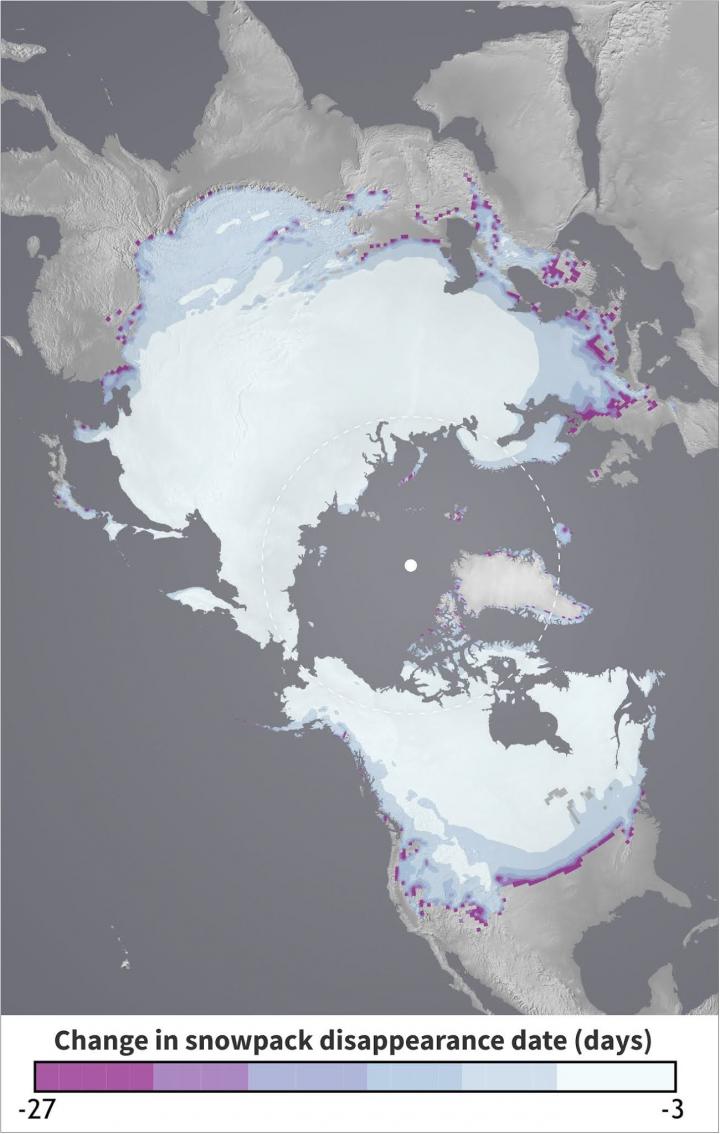
New Study Identifies Mountain Snowpack Most ‘At-Risk’ From Climate Change; Cascades, Sierras, Coast
March 4th, 2021
As the planet warms, scientists expect that mountain snowpack should melt progressively earlier in the year. However, observations in the U.S. show that as temperatures have risen, snowpack melt is relatively unaffected in some regions while others can experience snowpack melt a month earlier in the year.

Trump Administration’s Last Minute Move On Reducing Spotted Owl Critical Habitat Gets Another Look, Final Rule Delayed
March 4th, 2021
The U.S. Fish and Wildlife Service is extending the effective date of the Jan. 15, 2021, final rule that excluded additional areas from the existing critical habitat designation for the northern spotted owl.
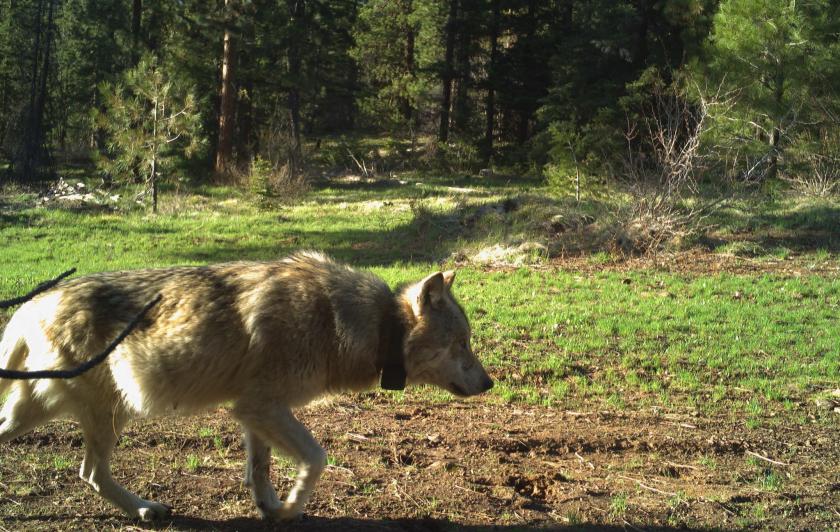
Dispersing, Collared Gray Wolf Travels From Mt. Hood Hundreds Of Miles Into California’s Central Sierras
March 4th, 2021
Another GPS-collared gray wolf has dispersed from Oregon into California. The wolf, known as OR-93, has traveled farther south in California than the collared wolves that have preceded him.
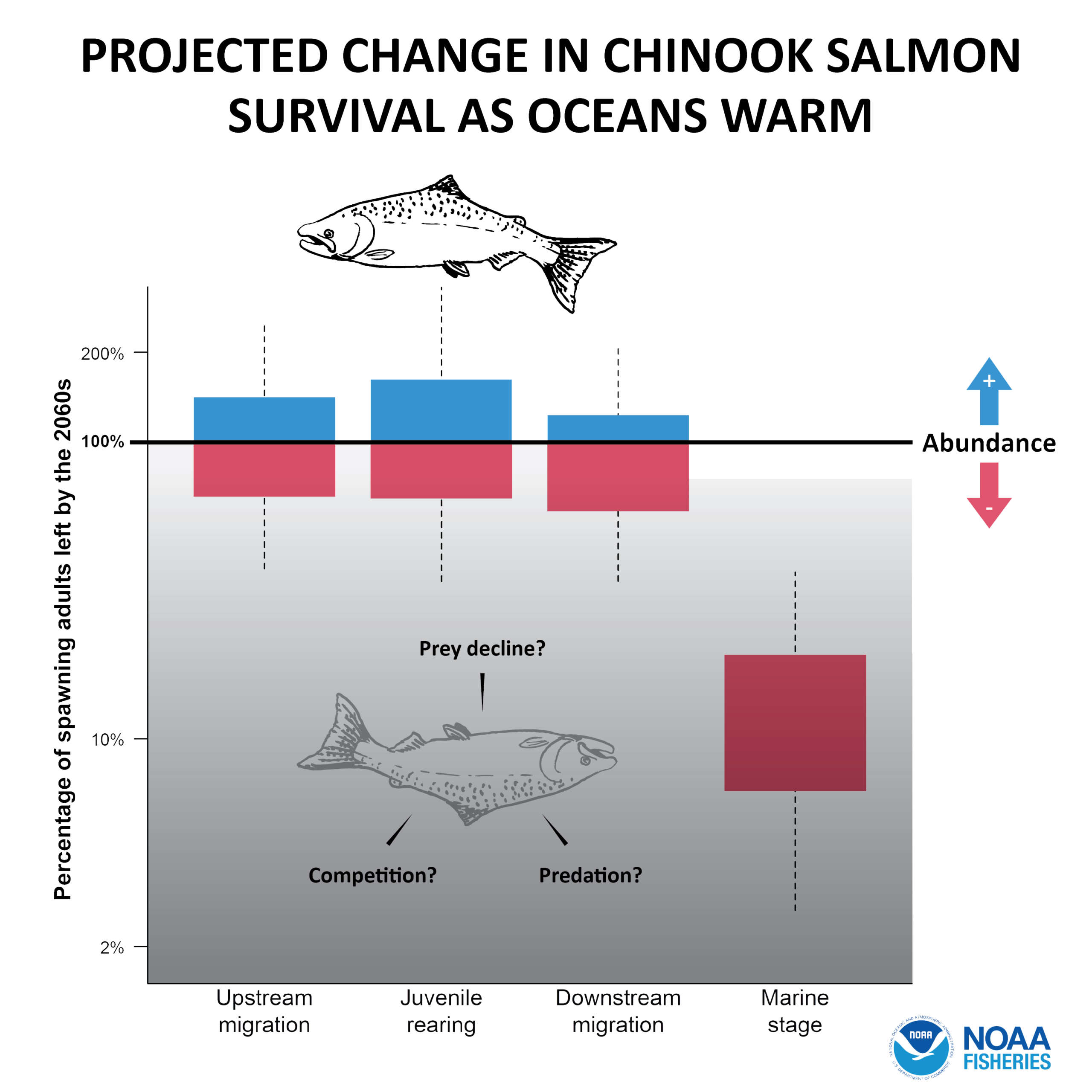
Unsettling: NOAA Research Says Warming Ocean Poses Risk Of Extinction For Snake River Spring/Summer Chinook By 2060s
February 26th, 2021
NOAA Fisheries is using life-cycle modeling that projects threatened Snake River spring/summer chinook salmon will experience starkly lower survival rates during their years in the ocean in the future compared to now. Unusually warm temperatures—including a 2014-2015 marine heatwave— have depressed salmon returns to many West Coast rivers, including the Snake and Columbia.

Apocalypse Now? Paper Warns Of The Risks Of Extreme Climate Forecasts
February 26th, 2021
For decades, climate change researchers and activists have used dramatic forecasts to attempt to influence public perception of the problem and as a call to action on climate change. These forecasts have frequently been for events that might be called "apocalyptic," because they predict cataclysmic events resulting from climate change.
Study: With Climate Change, Magnitude Of Flooding In Columbia River Basin Will Increase 30-40 Percent In Some Areas
February 12th, 2021
The Columbia River basin will see an increase in flooding over the next 50 years as a result of climate change, new modeling from Oregon State University indicates.
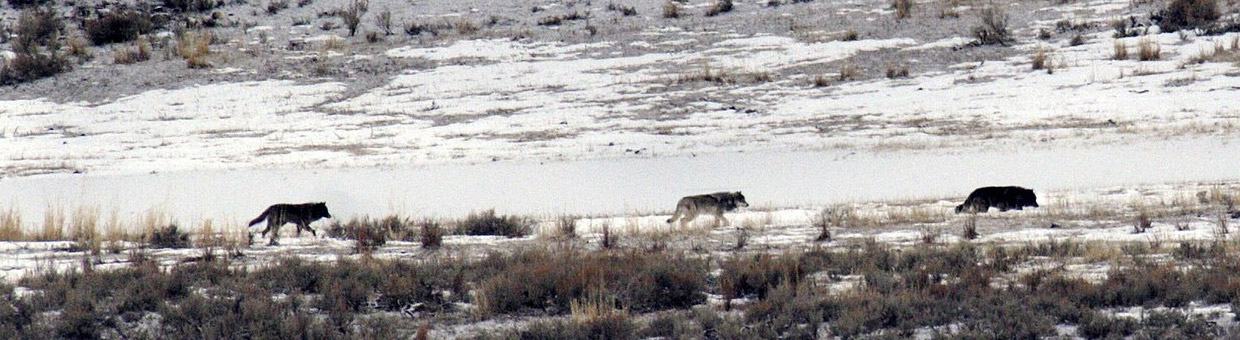
Idaho Wolf Population Stable From 2019 To 2020, Now At 1,556 Wolves
February 12th, 2021
Idaho Fish and Game’s second annual wolf population estimate documented the population was stable from 2019 to 2020, indicating that a similar number of wolves were added to the population and removed from the population between the two estimates. The 2020 estimate was 1,556 wolves, 10 fewer than the 2019 estimate of 1,566.
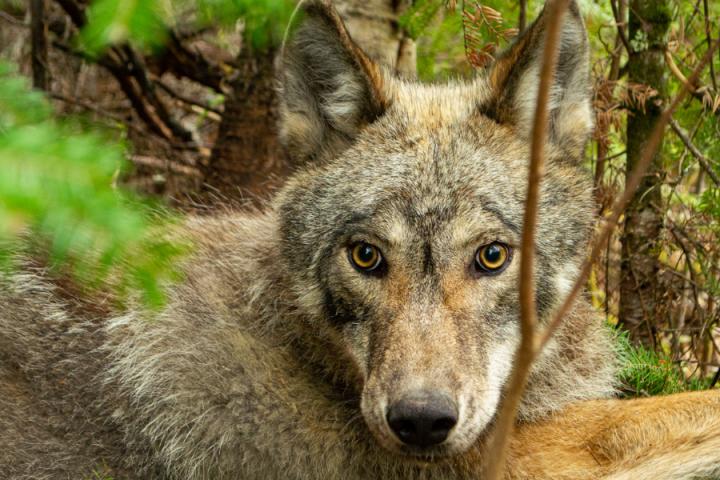
Researchers Find Hidden Hunting Tactics In Wolves, Highly Flexible Depending On Prey
February 12th, 2021
Wolves are arguably the most well-studied large predators in the world, yet new research shows there is still a lot to learn about their hunting tactics. Typically, wolves hunt large mammals like moose, deer, and bison in packs by outrunning, outlasting, and exhausting their prey. However, throughout the dense boreal forests in North America and Eurasia, during the summer wolves often hunt beavers by themselves.
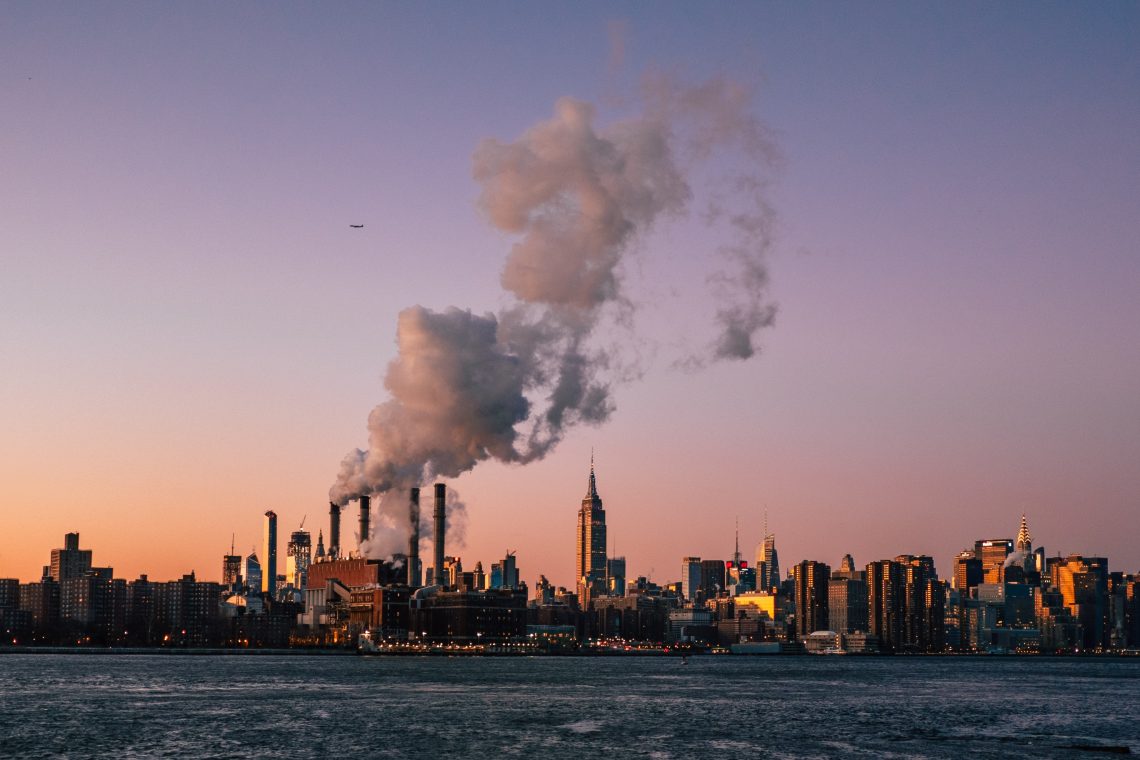
UW Study Shows Emissions Reductions Need To Be 80 Percent More Ambitious To Meet Paris Agreement Global Temperature Targets
February 12th, 2021
In 2017, a widely cited study used statistical tools to model how likely the world is to meet the Paris Agreement global temperature targets. The analysis found that on current trends, the planet had only a 5% chance of staying below 2 degrees Celsius warming this century — the international climate treaty’s supposed goal.
Northwest Senators Seek Investigation Into Interior Secretary’s Decision On Spotted Owl Critical Habitat During Last Days In Office
February 5th, 2021
Four Northwest U.S. Senators and other legislators this week requested the Inspector General of the Department of the Interior to investigate whether former Interior Secretary David Bernhardt overruled guidance by career officials to push the Trump administration's decision to remove critical habitat protections for the Northern Spotted Owl on 3.4 million acres of federal lands in the Pacific Northwest.
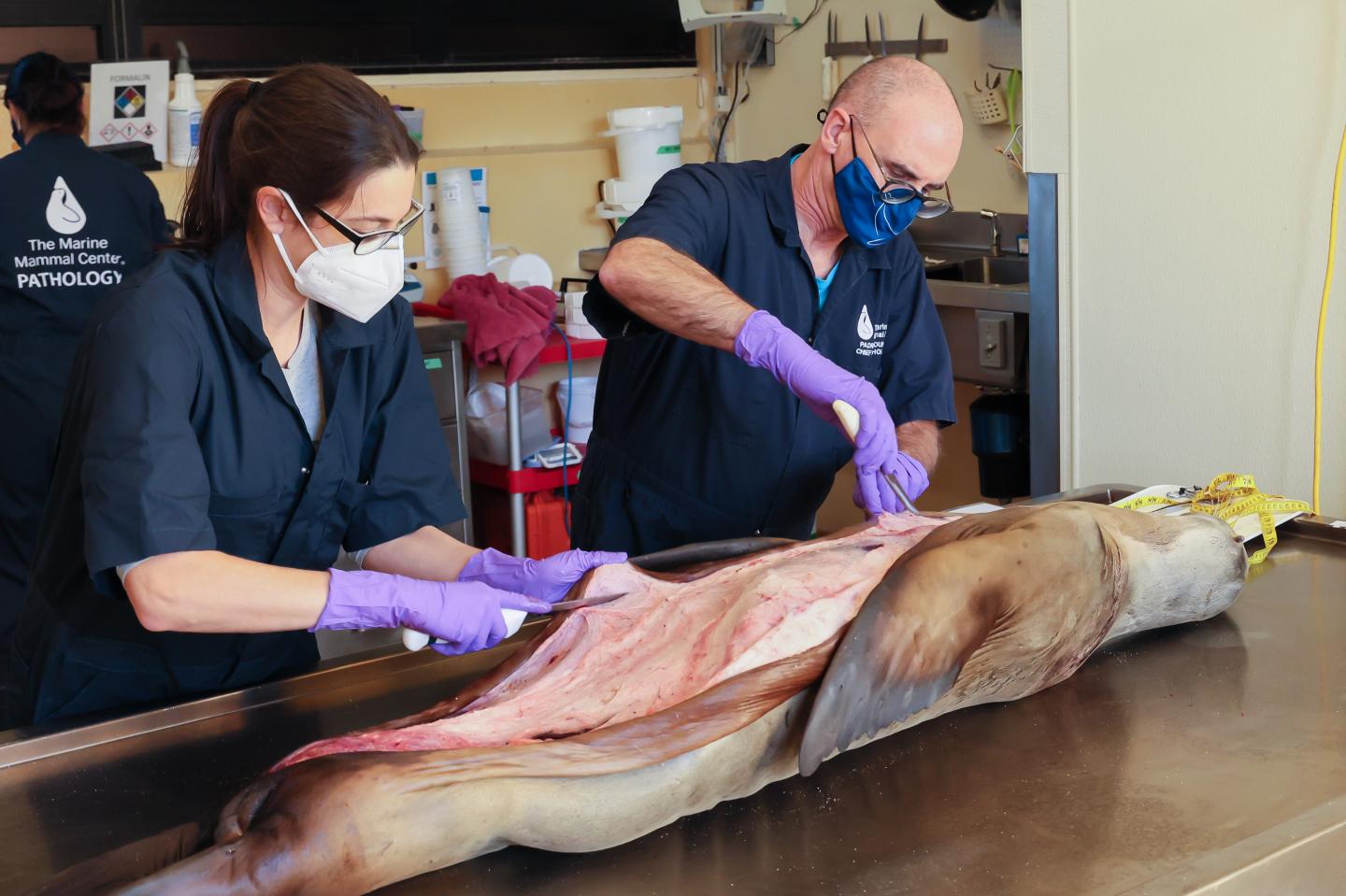
Research Shows High Levels Of Cancer In California Sea Lions; Exposure To Toxins
February 5th, 2021
Scientists at The Marine Mammal Center - the world's largest marine mammal hospital - have found that viral-caused cancer in adult California sea lions is significantly increased by their exposure to toxins in the environment. The study is the result of over 20 years of research and examination of nearly 400 California sea lion patients by The Marine Mammal Center.
Biden ‘Climate Crisis’ Executive Orders Call For Input On How To Make Fisheries More Resilient To Climate Change
January 29th, 2021
President Biden’s executive orders on climate change come as a warming climate already plays a key role in continued declines of Columbia River Basin salmon and steelhead populations listed under the Endangered Species Act. One of the orders directly addresses fisheries.
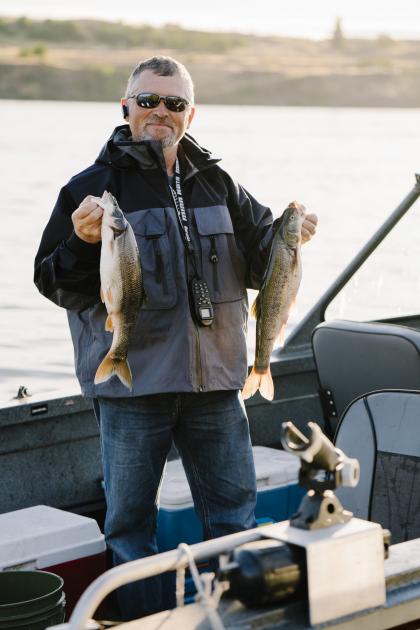
Despite Covid-19 Challenges, BPA Says Pikeminnow Reward Program Met Removal Goals, Though Harvest 70,000 Fish Below Average
January 15th, 2021
The Bonneville Power Administration reports that in 2020, for the 23rd consecutive season, the Northern Pikeminnow Sport Reward Program met its annual goal to remove 10% to 20% of pikeminnow, 9 inches or longer, in the Columbia and Snake rivers that prey on juvenile salmon and steelhead. Due to Covid-19, however, catch numbers were far below average.
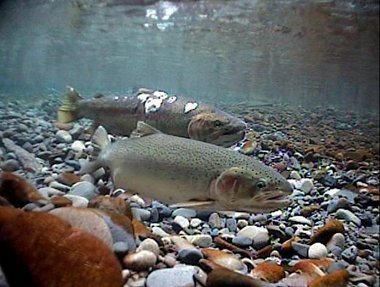
Idaho’s ‘Salmon Workgroup’ Submits Policy Recommendations To Governor; No Consensus On Dam-Breaching
January 8th, 2021
The state of Idaho’s “Salmon Workgroup” last week released a final report that includes policy recommendations for Gov. Brad Little to consider that aim “to restore abundant, sustainable, and well distributed populations of salmon and steelhead in Idaho for present and future generations, while recognizing diverse interests throughout the State.”
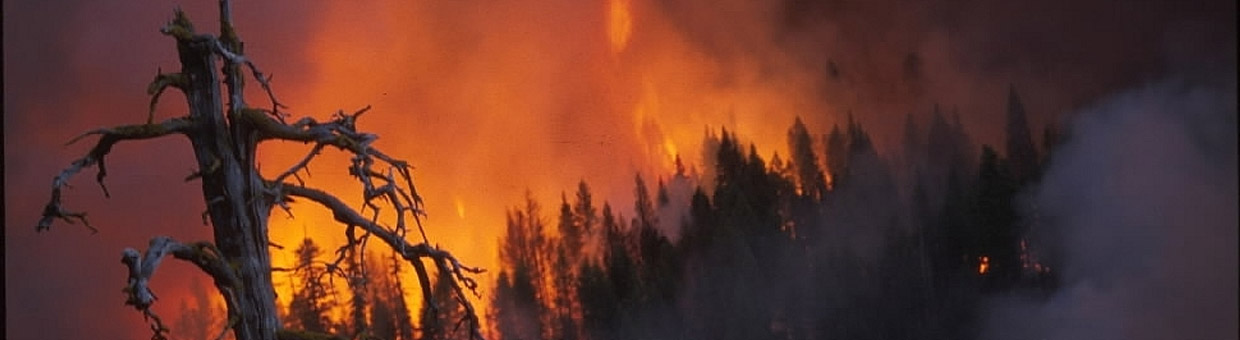
Oregon Climate Change Report: Future Will See Heavy Precipitation Events, Less Snowpack, Warmer Summers, Substantial Wildfire Increase, Bigger Floods
January 8th, 2021
The effects of a changing climate continue to significantly affect Oregonians and the state’s resources and infrastructure, the latest biennial report released today by the Oregon Climate Change Research Institute concludes.
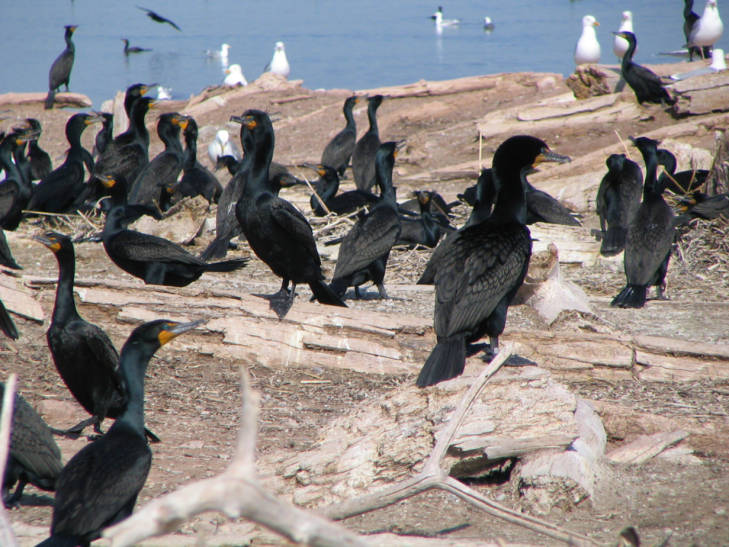
USFWS Issues Final Rule Expanding Ability For States,Tribes To Lethally Take Cormorants Feasting On Fish
December 30th, 2020
The U.S. Fish and Wildlife Service has issued the final rule and final environmental impact statement to “responsibly manage conflicts associated with double-crested cormorants” in the United States.
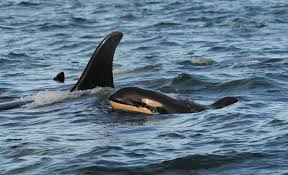
Center For Biological Diversity Issues Intent To Sue Over Lack Of Final Rule For Expanded Critical Habitat For Killer Whales
December 17th, 2020
The Center for Biological Diversity this week filed a notice of intent to sue the federal government for failure to finalize to date expanded habitat protections for critically endangered Southern Resident killer whales, whose population has dipped to just 74 orcas.
Conservation Groups File Lawsuit Challenging USFWS Decision To Not List Wolverines Under ESA; Stress Climate Change Impacts
December 17th, 2020
A coalition of conservation groups filed a lawsuit this week challenging the U.S. Fish and Wildlife Service’s decision to withhold Endangered Species Act protection from wolverines in the lower 48 states, where no more than 300 animal exist as small, fragmented populations in Idaho, Montana, Washington, Wyoming and northeast Oregon.
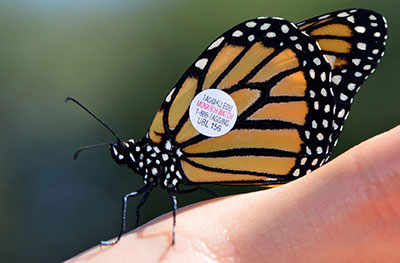
USFWS Says Monarch Butterfly Deserves ESA Listing But ‘Precluded’ By Work On Higher Priorities; Western Population Shows Precipitous Decline
December 17th, 2020
After an assessment of the monarch butterfly’s status, the U.S. Fish and Wildlife Service has found that adding the monarch butterfly to the list of threatened and endangered species is warranted but precluded by work on higher-priority listing actions. With this decision, the monarch becomes a candidate for listing under the Endangered Species Act, and its status will be reviewed each year until it is no longer a candidate.
USFWS Says Moving Spotted Owl From Threatened To Endangered Listing Warranted, But Not Right Now
December 17th, 2020
The U.S. Fish and Wildlife Service this week said moving the northern spotted owl classification from threatened to endangered under the Endangered Species Act is “warranted but precluded,” meaning the Service will not take any new actions at this time because listing as endangered is precluded by higher priority actions.
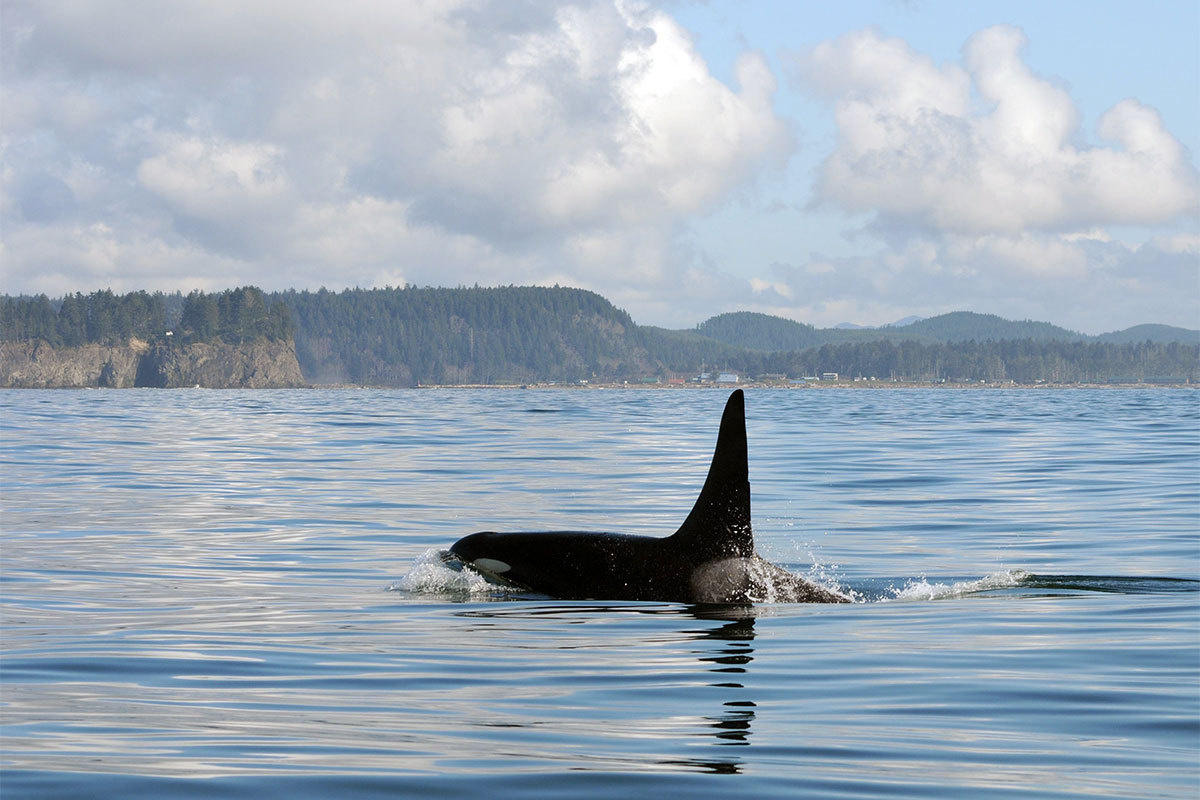
GUEST Column: Pacific killer whales are dying — new research shows why
December 11th, 2020
Killer whales are icons of the northeastern Pacific Ocean. They are intimately associated with the region’s natural history and First Nations communities. They are apex predators, with females living as long as 100 years old, and recognized as sentinels of ecosystem health — and some populations are currently threatened with extinction.
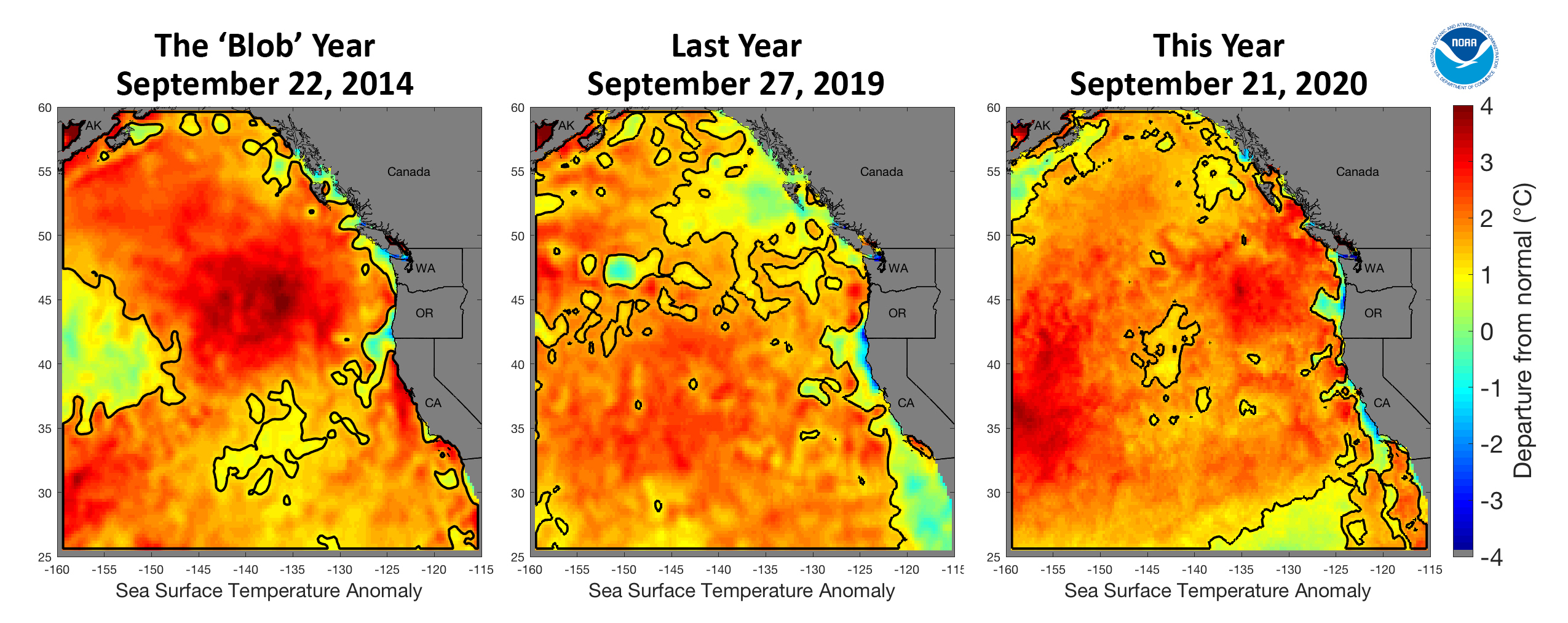
Marine Heatwaves Continue To Dominate Northeast Pacific; Researchers Asking If New Normal
December 11th, 2020
During the summer of 2020, an area of unusually warm ocean water—a marine heatwave—grew off the West Coast of the United States. It became the second most expansive Northeast Pacific heatwave since monitoring began in 1982. The heatwave eventually encompassed about 9.1 million square kilometers, almost six times the size of Alaska, towards the end of September.

Court Rejects Challenge To Large, Collaborative Forest Restoration Project In Northcentral Washington’s Methow Valley
December 11th, 2020
The U.S. District Court for Eastern Washington last week dismissed a lawsuit by a Montana-based group challenging the Mission Forest Restoration Project on the Okanogan-Wenatchee National Forest in northcentral Washington’s Methow Valley.
Study Offers Comprehensive Look At Multitude Of Mortal Human, Environmental Threats Facing Killer Whales
December 3rd, 2020
Pathology reports on more than 50 killer whales stranded over nearly a decade in the northeast Pacific and Hawaii show that orcas face a variety of mortal threats—many stemming from human interactions.
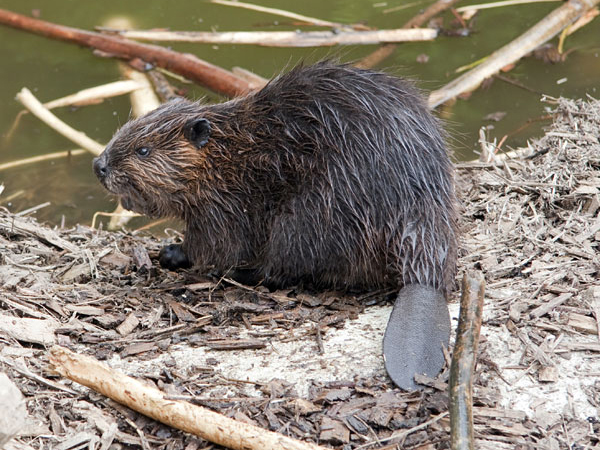
Oregon Fish/Wildlife Commission In Split Vote Denies Petition To Consider Ending Beaver Trapping On Federal Lands
November 20th, 2020
The Oregon Fish and Wildlife Commission last week denied a petition that would have initiated rulemaking to consider ending beaver hunting and trapping on federal lands in a 3-3 vote after hearing public testimony from 31 people.
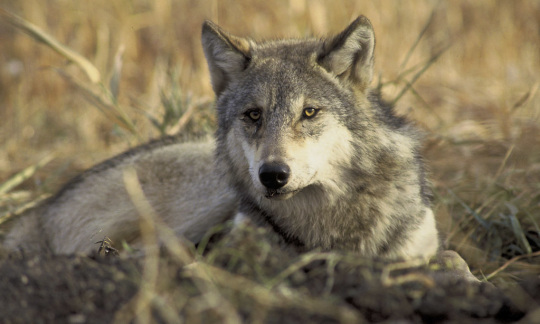
Conservation Groups File Notice Of Intent To Challenge Trump Administration’s De-Listing Of Gray Wolves
November 12th, 2020
A coalition of wildlife conservation groups have notified the U.S. Fish and Wildlife Service of its intent to file a lawsuit challenging the recent decision to remove Endangered Species Act protection for gray wolves across nearly all the lower 48 states.
Trump Administration De-Lists All Gray Wolves In Lower 48, Turns Management Over To States,Tribes
October 30th, 2020
The U.S. Fish and Wildlife Service finalized a rule Thursday that removes Endangered Species Act protection for all gray wolves in the lower 48 states except for a small population of Mexican gray wolves in Arizona and New Mexico. There are now roughly 6,000 wolves in the lower 48 states.

UW/NOAA Study Shows Earliest Arriving Spring Chinook Hit Hardest By Sea Lion Predation In Lower Columbia
October 22nd, 2020
A new University of Washington and NOAA Fisheries study found that sea lions have the largest negative effect on early-arriving endangered chinook salmon in the lower Columbia River.

Trapping, Removing Larger Salmon-Eating Steller Sea Lions ( 2500 lbs) For First Time Requires Larger Barge, Cages; BPA Says Funding Approved, Still Need Building
October 16th, 2020
Confronted with trapping and euthanizing salmon-eating sea lions that are sometimes twice the size of California sea lions, states and tribes are upgrading equipment and procedures to begin capturing the larger Steller sea lions in the Bonneville Dam tailrace and at Willamette Falls, and eventually in Columbia River tributaries.
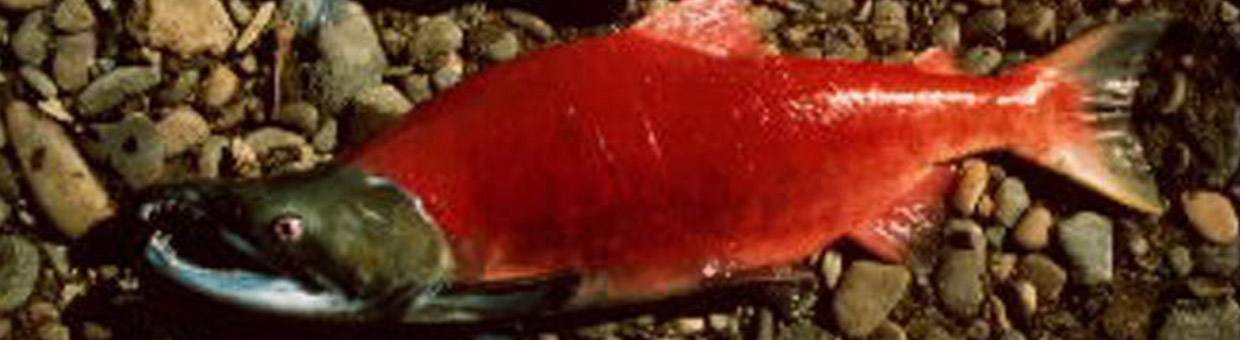
NOAA Fisheries Study Warns Climate Change Poses ‘Catastrophic’ Threat To Survival Of Endangered Snake River Sockeye
October 15th, 2020
Unusually warm river conditions killed most adult sockeye salmon migrating up the Columbia and Snake River system in 2015, reflecting a “new normal” with climate change, a new NOAA Fisheries study finds.
NW States Agree To ‘Define A Future Collaborative Framework’ For Achieving Abundance Goals For Columbia Basin Salmon/Steelhead
October 15th, 2020
In a letter Friday (Oct.9) the four Northwest states announced they have agreed to work together to rebuild Columbia River salmon and steelhead stocks and to advance the goals of the Columbia Basin Partnership Task Force.

Forest Service Researchers In California Look At How Thinning, Prescribed Fire Can Reduce Tree Mortality During Drought
October 15th, 2020
To date in 2020, 1,217 wildfires have burned 1,473,522 million acres of National Forest System lands in California; 8,486 wildfires have burned over 4 million acres across all jurisdictions in California.
Oregon Receives Leadership Recognition In Efforts To Reduce Climate Related Threats, Ocean Acidification
October 1st, 2020
Oregon again was recognized as a leader in efforts to stem climate change and ocean acidification and hypoxia (OAH).
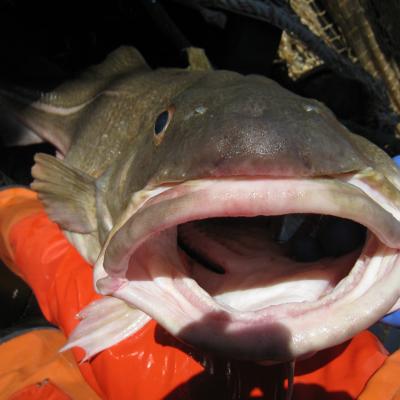
Ecosystem Modeling: NOAA Predator-Prey Study Looks Simultaneously At Feeding Patterns Among Different Groups Predatory Fish
October 1st, 2020
Scientists at the NOAA Northeast Fisheries Science Center have developed an unusually rich picture of who is eating whom off the Northeastern United States.
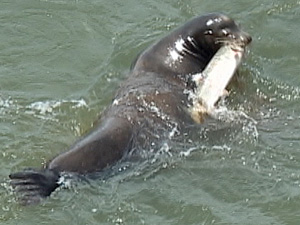
Sea Lion Removal In Columbia/Willamette River To Restart In October Under New Rules: Now Includes Stellers, Area- Based Rather Than Individual Animal
September 25th, 2020
Sea lion removal at Bonneville Dam and Willamette Falls will restart in October, but with a twist that allows tribes and states to capture and euthanize far more sea lions, including both California and Steller sea lions, and to target sea lions in the lower Willamette River and from the I-205 bridge on the Columbia River upstream to McNary Dam, as well as the river’s tributaries.
Due To COVID-19, BPA’s Northern Pikeminnow Reward Program On Track For Lowest Harvest On Record; Season Extended, Bounty Payments Increased
September 24th, 2020
Likely due to the Covid-19 pandemic, and recent smokey skies, the number of anglers this year participating in the Northern Pikeminnow Sport Reward Program is down 28 percent from this time last year. Currently, the 2020 harvest of northern pikeminnow on the Columbia and Snake rivers is on track to be the lowest on record.
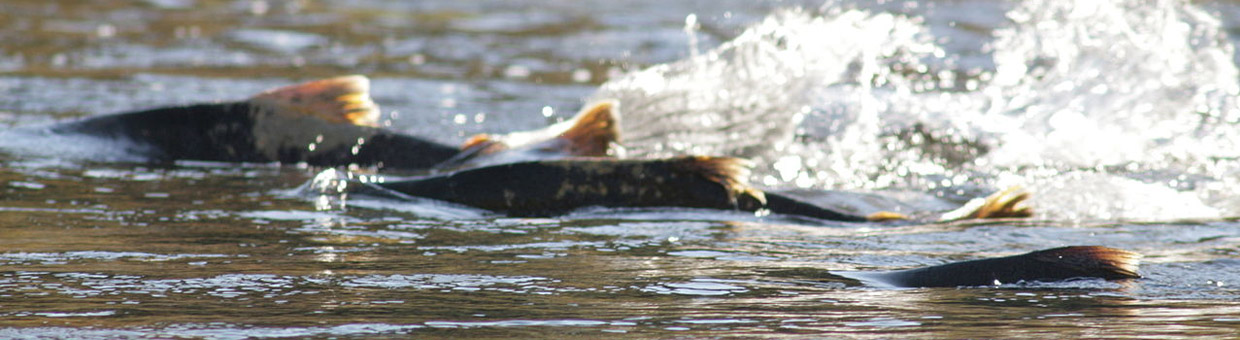
Study: Wild Chinook Spawning Later In A Warming River, While Hatchery Strays Spawning Earlier
September 24th, 2020
Spawn timing for wild chinook salmon in the Skagit River system in Washington is slowly occurring later in the year as the river warms due to climate change, a finding that fits with previous research. However, the trend for hatchery-origin stray chinook salmon in the same river is towards earlier spawning, according to a recent study.
Same Ocean Conditions Impacting West Coast Salmon Runs Reducing Population Of ESA-Listed Marbled Murrelet; Numbers Dropping 4 Percent A Year
September 24th, 2020
Squeezed by changing ocean conditions that limit their food options and the long-term loss of old forest needed for nesting, marbled murrelets would benefit most from conservation efforts that take both ocean and forest into account, new research by Oregon State University shows.
UW Study Looks At How Marine Animals’ Ranges May Shrink With Climate Change: ‘You Must Consider Oxygen’
September 17th, 2020
As oceans warm due to climate change, scientists are trying to predict how marine animals -- from backboned fish to spineless jellyfish -- will react.
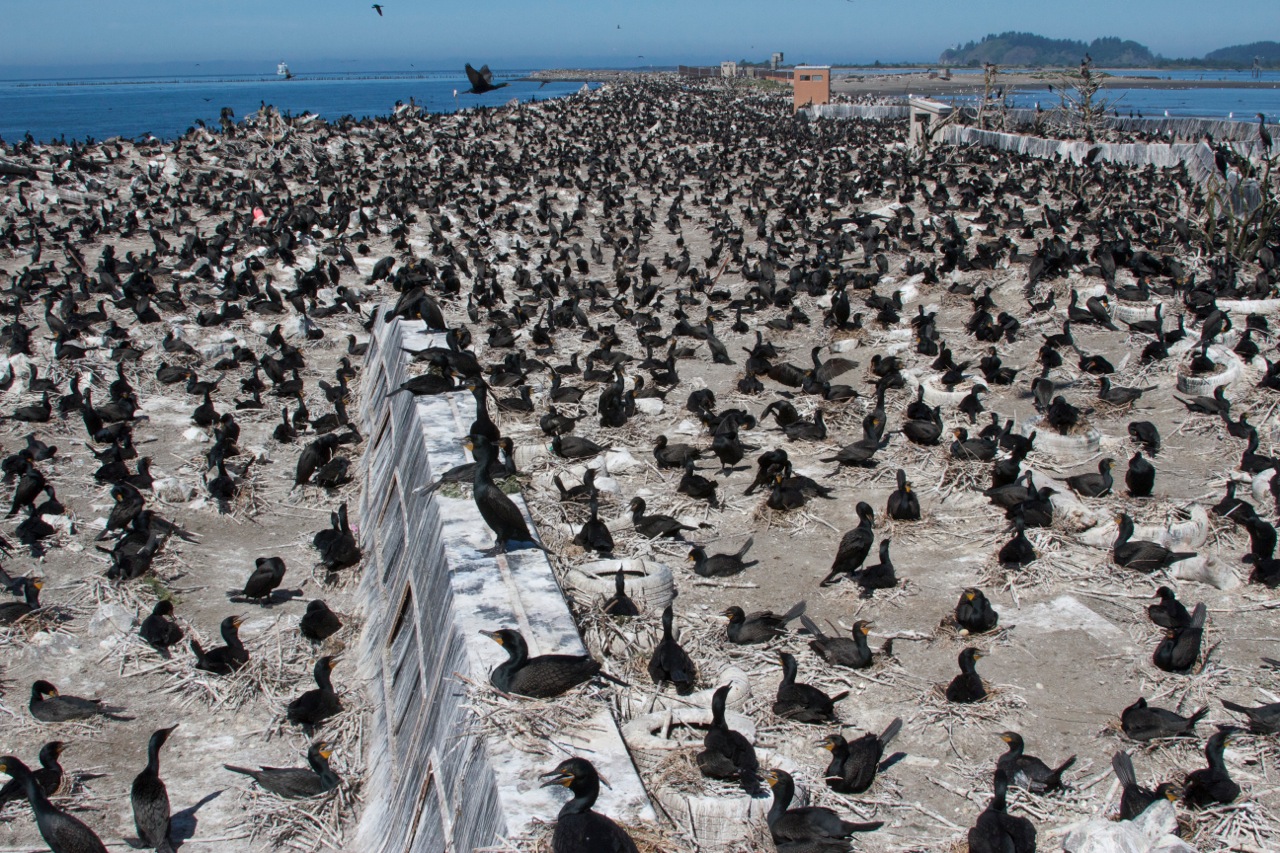
Key Avian Predation Management Question: Is Steelhead Mortality Due To Terns, Cormorants Additive Or Compensatory?
September 11th, 2020
The fish-eating sea birds on East Sand Island in the Columbia River estuary have been the target of management actions to reduce the number of double-crested cormorants and Caspian terns since the middle of the last decade.
Pacific Fishery Management Council Looks At Options For Protecting Prey For ESA-Listed Killer Whales When Setting Salmon Seasons
September 11th, 2020
A Pacific Fishery Management Council workgroup has outlined options for providing for prey needs of endangered Southern Resident killer whales in the course of designing West Coast salmon fishing seasons.

USFWS To List Coastal Marten (Oregon, California) As Threatened Under ESA
September 11th, 2020
The U.S. Fish and Wildlife Service has determined that the coastal distinct population segment of the Pacific marten, known as the coastal marten, warrants listing as a threatened species under the Endangered Species Act.
Inslee Reverses WFWC Commission Decision, Calls For New Rulemaking On Wolf Management To Reduce Lethal Removal
September 10th, 2020
Washington Gov. Jay Inslee last week sent a letter directing the state Department of Fish and Wildlife to initiate a new rulemaking relating to wolf management.
What Prompts Local Communities To Engage In Climate Change Mitigation? Extreme, Deadly Weather Events, Political Makeup
August 27th, 2020
Natural disasters alone are not enough to motivate local communities to engage in climate change mitigation or adaptation, a new study from Oregon State University found.
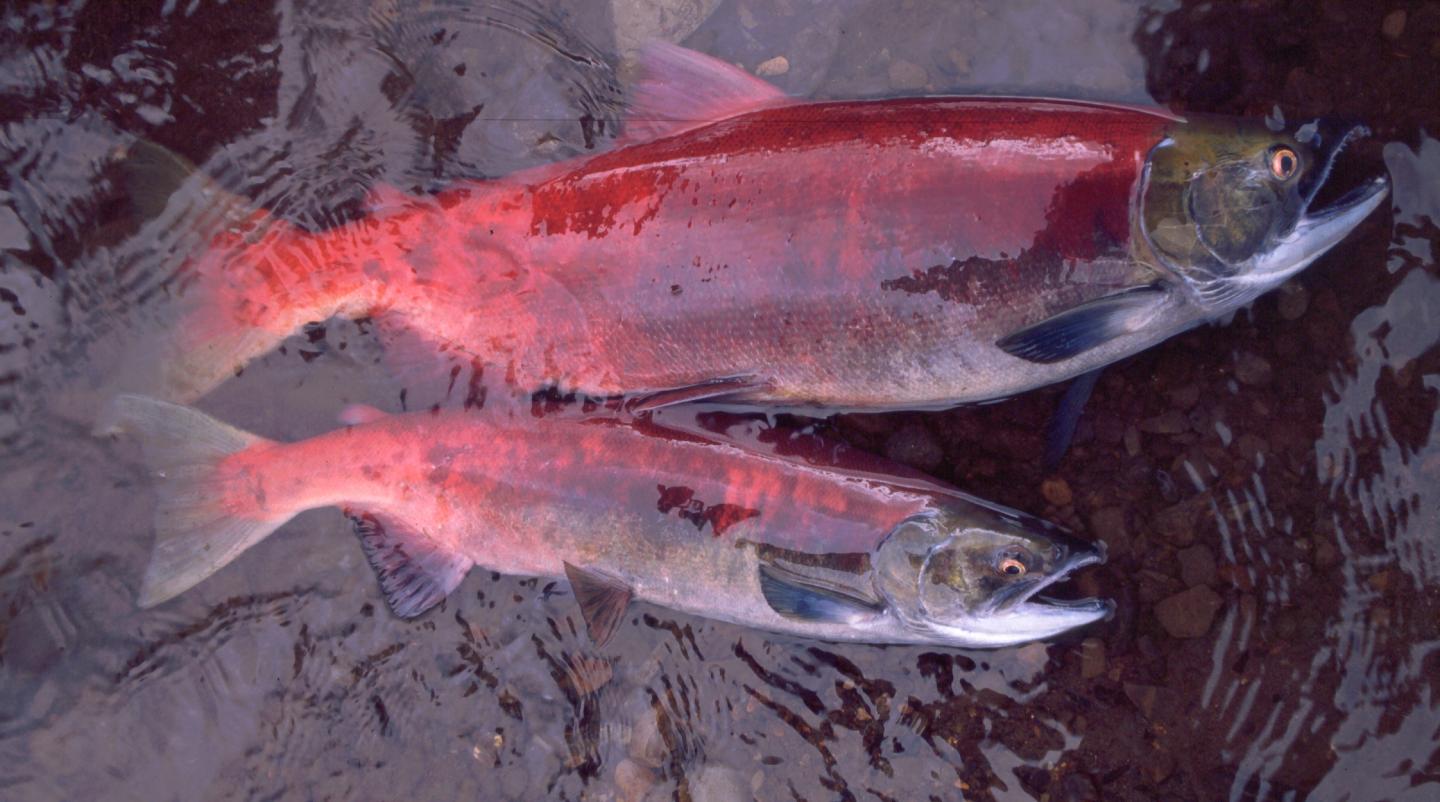
Alaska Salmon Getting Smaller, Returning To Rivers Younger; Climate Change, Competition With Growing Numbers Of Hatchery Fish In Ocean
August 19th, 2020
The size of salmon returning to rivers in Alaska has declined dramatically over the past 60 years because they are spending fewer years at sea, according to a new study led by researchers at the University of California, Santa Cruz, and the University of Alaska Fairbanks.
Xerces Society Files Petition For ESA Protection Of Western Ridged Mussel, Investigating Sudden Die-Offs, Including Chehalis, Crooked Rivers
August 19th, 2020
The Xerces Society for Invertebrate Conservation filed a petition this week seeking Endangered Species Act protection for the western ridged mussel, which has disappeared from most of its historic range in the Northwest.
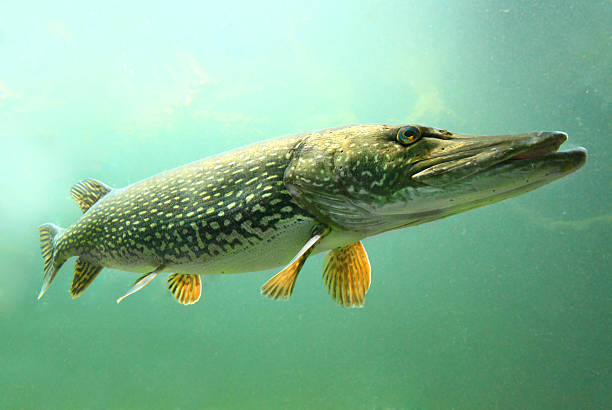
Science Panel Suggests Task Force As Focal Point For Battling ‘Inevitable’ Spread Of Northern Pike In Columbia River Basin
August 13th, 2020
An independent science panel has suggested the creation of a regional task force to be the focal point for efforts to battle the spread of northern pike when the voracious predator “inevitably” spreads in the Columbia River downstream from Grand Coulee and Chief Joseph dams.
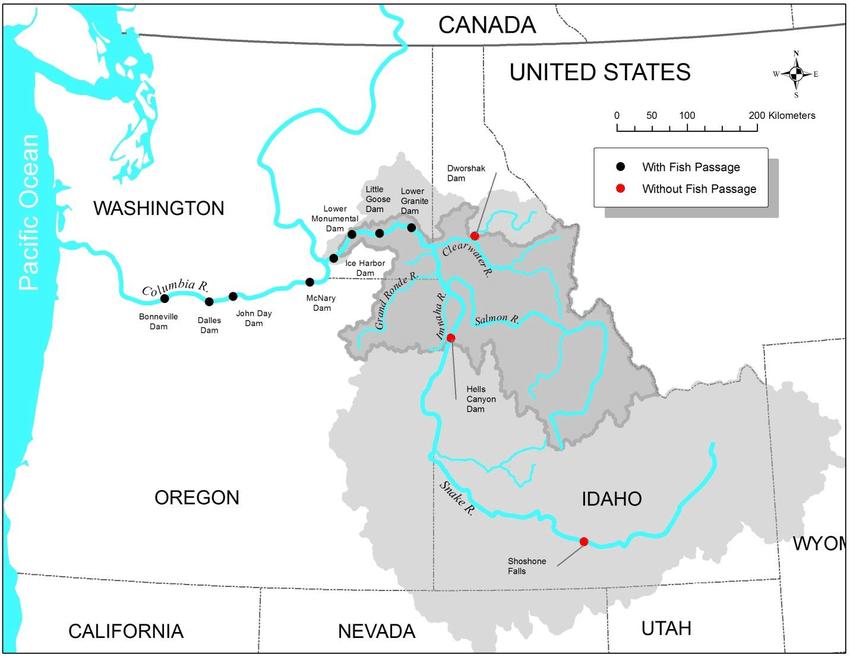
Oregon Fish/Wildlife Commission Adopts Permanent Rule For Thermal Angling Sanctuaries To Protect Upriver Steelhead, Uses Abundance Trigger
August 13th, 2020
Summer steelhead in the interior Columbia River Basin listed under the Endangered Species Act are in the midst of a down-cycle, with several recent years of extremely depressed returns. Oregon has decided the time has come to reduce angler pressure when these threatened fish seek cold water refuges during their upstream mainstem migration.

In New Research NOAA Scientists Introduce ‘Thermal Displacement’ Metric Showing How Ocean Heatwaves Shift Habitats
August 6th, 2020
Marine heatwaves across the world's oceans can displace habitat for sea turtles, whales, and other marine life by 10s to thousands of kilometers. They dramatically shift these animals' preferred temperatures in a fraction of the time that climate change is expected to do, new research shows.

Looking For Sources Of Imnaha River Steelhead Mortality, A Discovery: Huge Numbers Of PIT-Tags At Great Blue Heron Rookery
July 30th, 2020
To get a better idea of how much predation plays in steelhead populations, a couple of Nez Perce Tribe Fisheries biologists began looking for clues at a heron rookery on northeast Oregon’s Wallowa River.
Oregon Commission Adopts ‘Climate And Ocean Change Policy,’ First In Nation Adopted By State Fish/Wildlife Agency
July 16th, 2020
Recognizing changes in the state’s climate and in the ocean, Oregon last week adopted a policy that gives its fish and wildlife agency guidance on how to respond to the threat of climate change.
WSU Study Quantifies Impact Of Climate Change On Crop Productivity In Snow-Dependent Yakima River Basin
July 16th, 2020
Climate change will leave some farmers with a difficult conundrum, according to a new study by researchers from Cornell and Washington State University: Either risk more revenue volatility, or live with a more predictable decrease in crop yields.
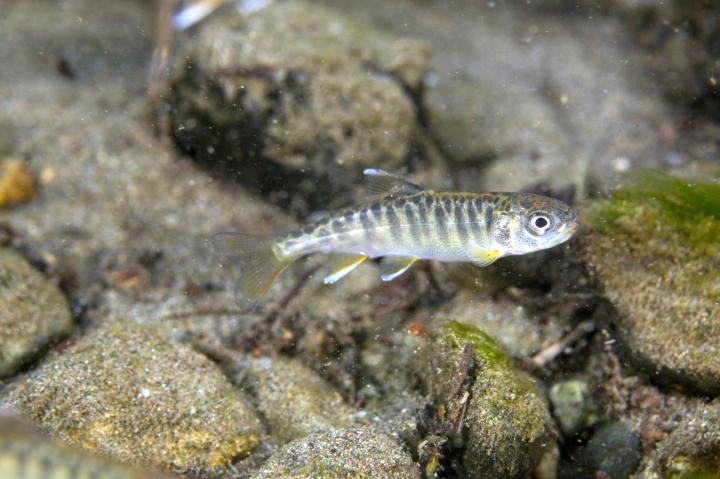
Alaska Study Provides First Evidence State’s Chinook Salmon Declines Partly Due To Climate-Driven Changes In Freshwater
July 9th, 2020
A new University of Alaska-led study provides the first evidence that declines in many of Alaska's chinook salmon populations can be attributed in part to climate-driven changes in their freshwater habitats.
GUEST COLUMN: Well-Planned Efforts To Reduce Cormorant Impacts On Columbia River Basin Salmonids Can Be Developed
July 9th, 2020
Last month, the Columbia Basin Bulletin published an article about the recent U.S. Fish and Wildlife Service proposed rule and draft environmental impact statement related to management of double-crested cormorants.

Researchers Quantify Relationship Between Caspian Tern Predation Rates On Upper Columbia River Juvenile Steelhead And Returning Adult Fish
July 2nd, 2020
Caspian tern predation on steelhead smolts in the Columbia River has reduced the size of the juvenile migration by more than 20 percent each year also has reduced the number of adult steelhead that return to the river several years later.
NMFS BiOp Says Lethally Removing Beavers In Oregon Does Not Jeopardize ESA-Listed Salmon/Steelhead; ODFW Commission Mulls Beaver Work Group
June 25th, 2020
A biological opinion of a US Department of Agriculture Wildlife Service’s management program to lethally remove beavers in Oregon and the program’s impacts on fish species listed under the federal Endangered Species Act was completed June 8 by the National Marine Fisheries Service.
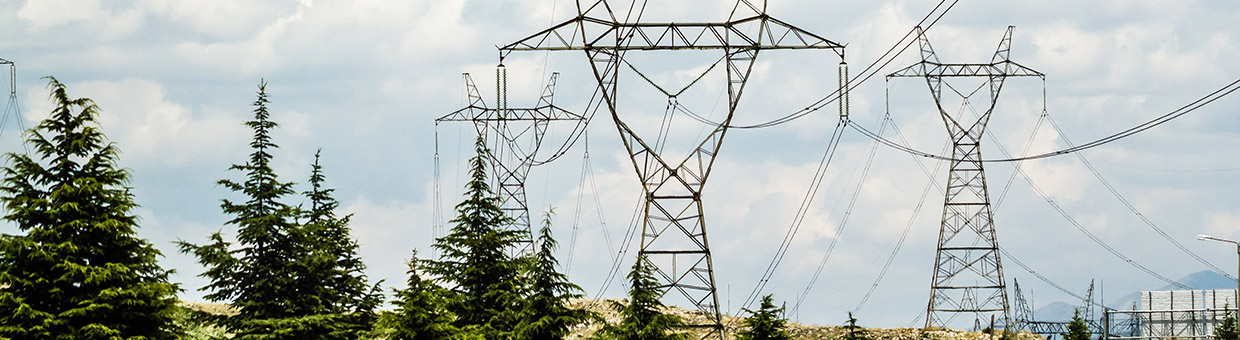
What Happens To Power Grid During Drought, Less Hydro? California Study Looks At Financial, Economic, Environmental Impacts
June 25th, 2020
Drought can mean restrictions for watering the lawn, crop losses for farmers and an increased risk of wildfires. But it can also hit you and your power company in the wallet.
USFWS Proposes New Rule For Killing Fish-Eating Cormorants; Would Allow Major Increase In Allowable Take On West Coast
June 18th, 2020
The federal agency responsible for protecting sea birds under the Migratory Bird Treaty Act is instead proposing to “responsibly manage” double-crested cormorants across the nation by permitting lethal taking of birds that eat fish, such as salmon and steelhead smolts, by states and tribes.
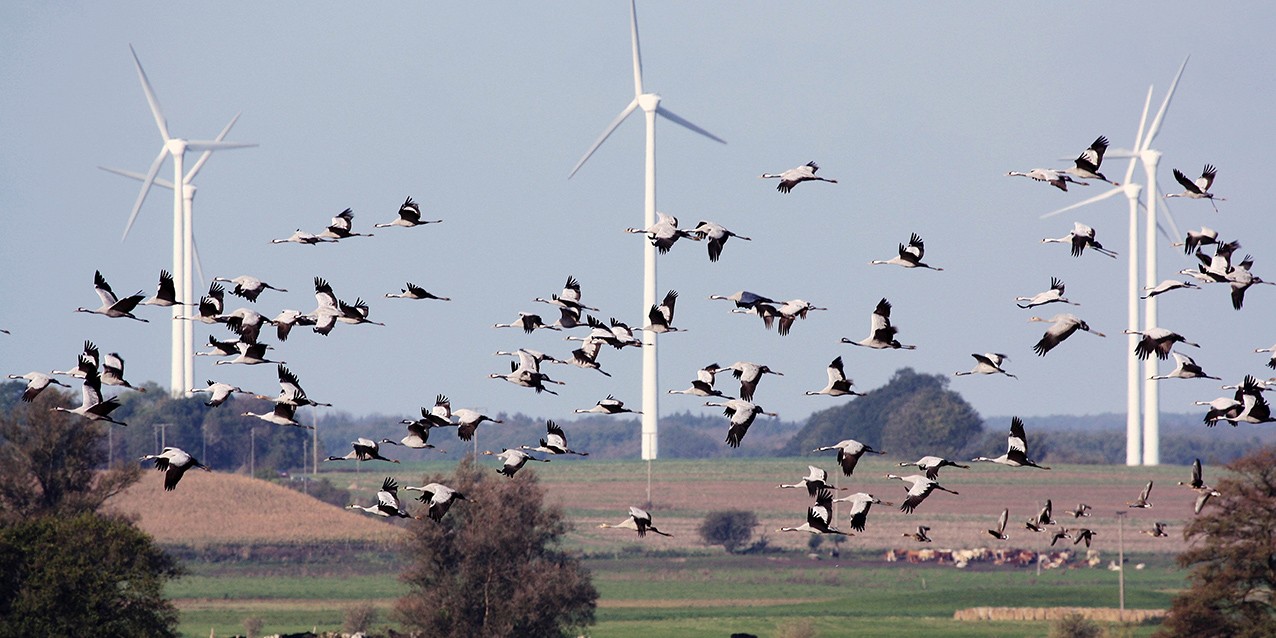
Comments Sought On Proposed Changes Reducing Scope Of Migratory Bird Treaty Act, Would Exclude Accidental Deaths From Incidental Take
June 18th, 2020
The federal agency that oversees the Migratory Bird Treaty Act is proceeding with changes to the Act’s scope that would allow businesses that accidentally kill protected birds to go unpunished.
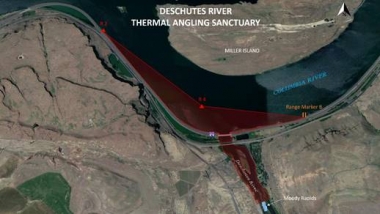
EPA Nears Completion On Plan For 12 Columbia River Cold Water Refuges For Migrating Salmon/Steelhead; May Add Umatilla River As 13th
June 18th, 2020
The Columbia River is warming and salmon and steelhead are taking advantage of cold water refuges in their migration, an adaptation to climate change, according to the Environmental Protection Agency.
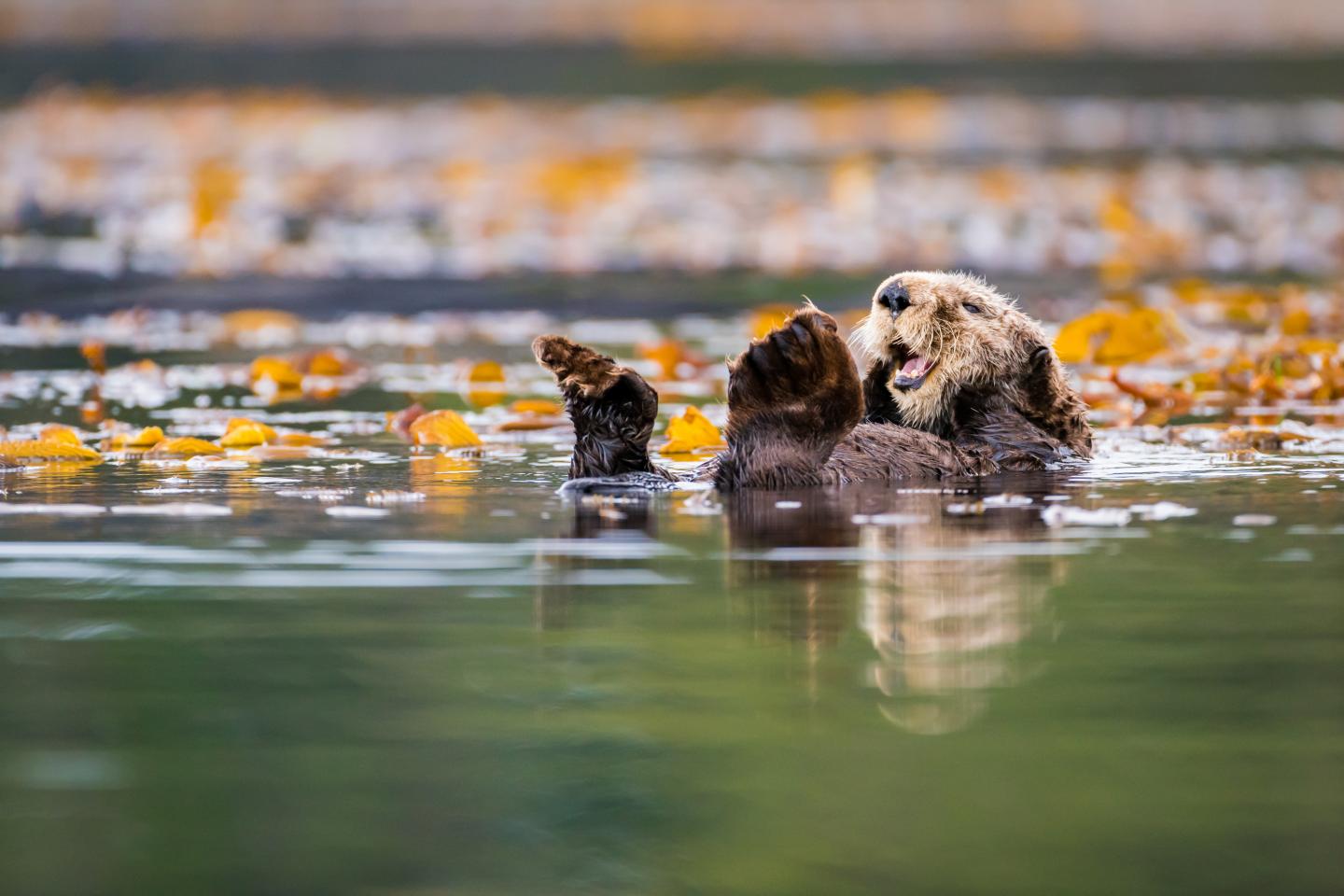
Vancouver Island Sea Otter Recovery; Study Shows Financial Benefits, Ecological Changes Benefitting Salmon
June 18th, 2020
Since their reintroduction to the Pacific coast in the 1970s, the sea otters' rapid recovery and voracious appetite for tasty shellfish such as urchins, clams and crabs has brought them into conflict with coastal communities and fishers, who rely on the same valuable fisheries for food and income.

Wyoming Study Shows Impacts Of Climate Change On Migrating Deer; Alters ‘Green Wave’ Across Landscape
June 18th, 2020
When drought reshuffles the green-up of habitats that mule deer migrate across, it dramatically shortens the annual foraging bonanza they rely on.

Study Looks At Nutritional Value Of Zooplankton For Juvenile Salmon Off BC Coast; Climate-Driven Changes Important Factor
June 12th, 2020
There is truth in the saying "you are what you eat"; even more so if you are a salmon or herring swimming off the British Columbia coast, a recent University of British Columbia study discovered.
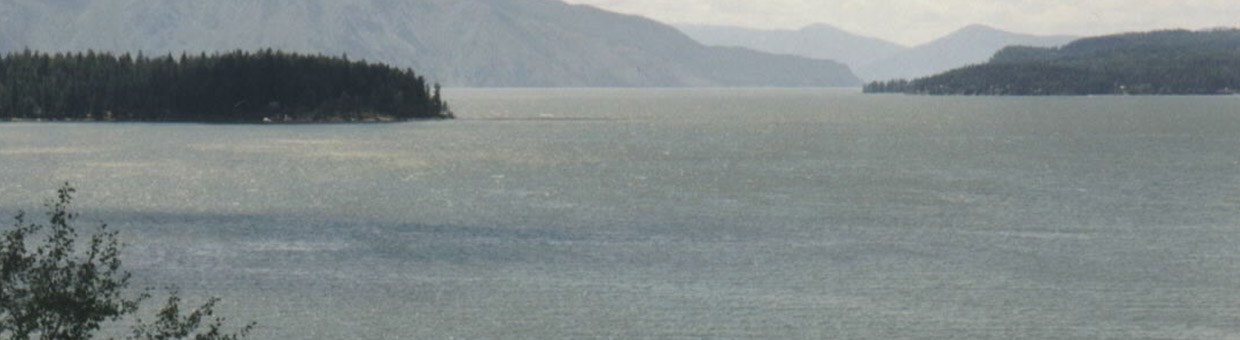
Lake Pend Oreille Sees Highest Kokanee Density In Two Decades, Over 2.5 Million Fish; Low Point 10,000 Fish In 2007
June 11th, 2020
Fisheries researchers estimated that over 2.5 million adult kokanee occupied Lake Pend Oreille in the fall of 2019. This is the highest count on record since the mid-1990’s. As summer heats up, reports are starting to roll in that anglers are reaping the benefits of a highly abundant kokanee population.

Lake Trout Being Netted In Idaho’s Stanley Lake To Reduce Predation Risk For Kokanee, Snake River Sockeye
June 11th, 2020
Idaho Fish and Game has contracted with a company to net lake trout in Stanley Lake during two-weeks in early June to reduce their population and reduce risk to endangered sockeye salmon populations. After the netting, sterile lake trout will be restocked in the summer and fall to continue to provide anglers a lake trout fishery at Stanley Lake.
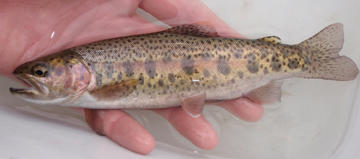
Study Looks At Impact Of Warmed California Current On Diet/Growth Of Columbia River Steelhead; Longer, Thinner Fish
May 29th, 2020
Ocean temperatures that in 2015 and 2016 were abnormally warm – at times more than 2.5 degrees Celsius higher than normal – stressed juvenile steelhead just entering the California Current and impacted their size and condition. Most of the change occurred in the first few days after ocean entry, according to a recent study.
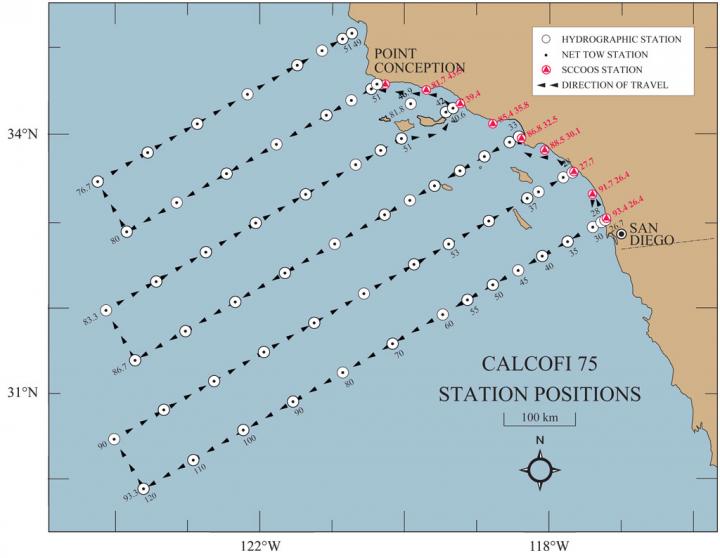
Study: ‘Ocean Breathability’ Key To Habitat Shifts Of Marine Life In California Current, Climate Change Decreasing Oxygen
May 21st, 2020
Marine life off the West Coast, from Mexico up through Canada, inhabit the California Current. The cool, nutrient-rich water supports life from invisible phytoplankton to the economically important salmon, rockfish and Dungeness crab to the orcas.
Increasing Aridity Clear Trend Across The West; Declining Flows, Drier Soils, Tree Death, Stressed Crops, Wildfires, Protracted Drought
May 21st, 2020
Discussions of drought often center on the lack of precipitation. But among climate scientists, the focus is shifting to include the growing role that warming temperatures are playing as potent drivers of greater aridity and drought intensification.
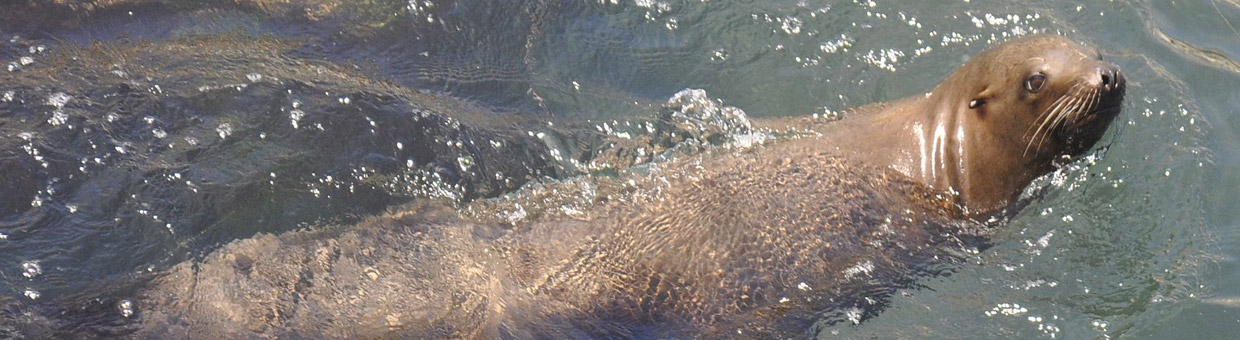
2019 Pinniped Predation Report: Sea Lions Take 3.3 Percent Of Salmon/Steelhead Run January Through May, Big Hit On Winter Steelhead
May 8th, 2020
Sea lions bit out a big chunk of the spring salmon and steelhead run in 2019, taking 3.3 percent of the fish passing Bonneville Dam, January through May.
Independent Science Panel Stresses Need For Analysis Of Climate Change Impacts On Basin Salmon Survival
May 8th, 2020
A science panel says a key ongoing salmon survival study should better take into account potential impacts of climate change on future flows and environmental conditions in the Columbia/Snake river basin.
23-Member Task Force Set To Meet To Consider Recommendations For Expanding Lethal Removal Of Sea Lions In Columbia River, Tributaries
April 23rd, 2020
On May 12-14, NOAA Fisheries will convene a task force to make recommendations on the proposal to expand the lethal take of sea lions in the Columbia River basin. The sea lions have had a significant negative impact on salmon and steelhead listed under the Endangered Species Act, and they also consume species of concern -- lamprey and sturgeon.
Future Marine ‘Blobs’ In NE Pacific Ocean Will Exacerbate Climate Change Impacts On Fisheries, Reduce Biomass
April 23rd, 2020
A large marine heatwave would double the rate of the climate change impacts on fisheries species in the northeast Pacific by 2050, says a recently released study by researchers from the University of British Columbia and University of Bern.
Weak Winds Drove 2019 Marine Heat Wave In North Pacific; As If Ocean Stuck Outside On Hot Day With No Wind To Cool It Down
April 23rd, 2020
Weakened wind patterns likely spurred the wave of extreme ocean heat that swept the North Pacific last summer, according to new research led by the University of Colorado Boulder and the Scripps Institution of Oceanography at the University of California San Diego.
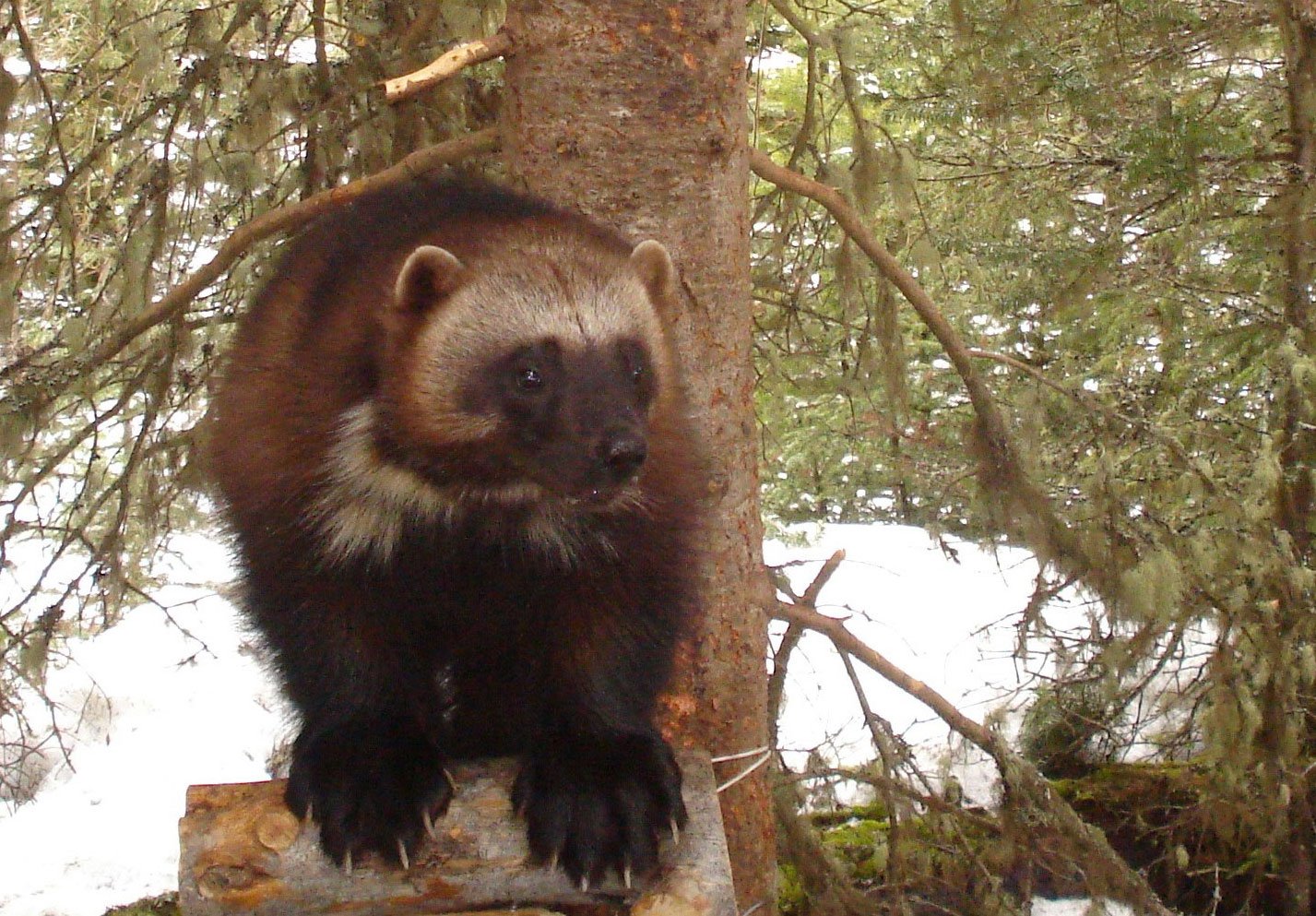
Conservation Groups File Lawsuit Asking Judge To Order USFWS To Set Deadline On Wolverine Listing Decision
March 26th, 2020
Conservation groups sued the U.S. Fish and Wildlife Service last week for what they say is a failure to protect wolverines as required by the Endangered Species Act.

Oregon Considering Cold Water Refuge Angling Closures To Protect Migrating Summer Steelhead
March 12th, 2020
With a dwindling number of summer steelhead returning to the Columbia River each year and warming waters resulting from climate change, Oregon fishery managers are considering setting certain dates and locations designated as thermal angling sanctuaries in three tributaries upstream of Bonneville Dam.

Study Looks At How Retreating Glaciers In Western North America Will Impact Salmon Populations; Some May Benefit
March 12th, 2020
A new Simon Fraser University-led study looking at the effects that glacier retreat will have on western North American Pacific salmon predicts that while some salmon populations may struggle, others may benefit.
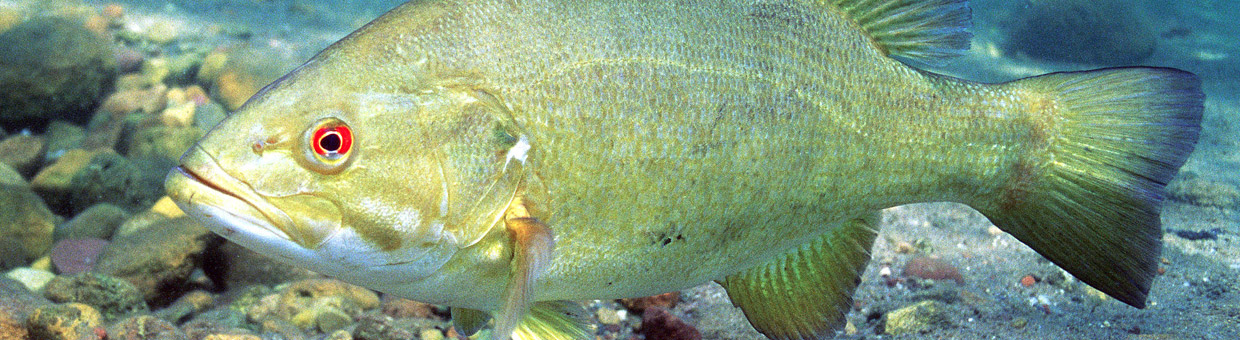
California Study On Active Predator Removal Shows No Changes In Predation Rates On Juvenile Salmon
February 27th, 2020
A recent study found that active removal of predators in the San Joaquin-Sacramento Delta in California as a way to protect a native and imperiled species may not get the intended results.
Washington Dept. Natural Resources Releases Plan To Deal With Impacts Of Climate Change
February 27th, 2020
A Washington state agency has laid out a plan for withstanding and adapting to the impacts of global climate change. The state’s Department of Natural Resources last week released its “Plan for Climate Resilience” that the agency says will minimize the impacts of climate change and “maximize new opportunities” in making the state more resilient to changes.
New Avian Predation Plan Needed? Tribes Say Simply Moving Birds Around A Whack-A-Mole Exercise
February 13th, 2020
In 2015, nearly half of steelhead smolts that began their journey to the ocean at Rock Island Dam on the upper Columbia River did not survive the onslaught of birds that feed on the smolts along the way, according to Blaine Parker, avian predation coordinator at the Columbia River Inter-Tribal Fish Commission.
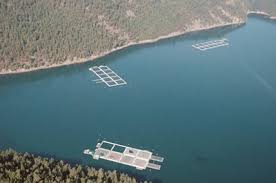
WDFW Issues Justification For Steelhead Farming Permit In Puget Sound, Comments Expressed Concerns
February 6th, 2020
When the Washington Department of Fish and Wildlife approved in late January a new permit allowing Cooke Aquaculture to begin growing rainbow trout/steelhead in its Puget Sound net pens, there were a number of groups and tribes that had already lined up in opposition to the permit. And one group may seek legal action to stop it.
Nearly 13,000 Pike Removed From Lake Roosevelt Since 2015, 3,658 Last Year; Co-Managers Report Funding Shortfalls To Maintain Effort
February 6th, 2020
Since 2015, when the efforts to suppress or eradicate non-native northern pike from Lake Roosevelt began, nearly 13,000 of the voracious fish have been removed from the huge reservoir that backs up behind Grand Coulee Dam on the upper Columbia River.

EPA Gets 30-Day Extension For Responding To Appeals Court Ruling Ordering Temperature Limits For Columbia/Snake Rivers
January 30th, 2020
The federal Environmental Protection Agency received a 30 day extension from the Ninth Circuit Court of Appeals to develop Columbia and Snake river temperature limits, known as Total Maximum Daily Load, but the EPA is still not saying what it will do at the end of the 30 days.
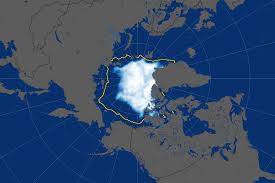
Research: Arctic Sea Ice Cannot Quickly Bounce Back If Climate Change Causes Melting
January 23rd, 2020
Arctic sea ice cannot "quickly bounce back" if climate change causes it to melt, new research suggests.

West Coast Mass Die-Off Of Seabirds 2015-16 Largest In Recorded History; Scientists Say ‘The Blob’ Increased Competition For Food Among Fish, Birds
January 16th, 2020
It was unprecedented when nearly one million common murres died at sea and washed ashore from California to Alaska in 2015 and 2016. Scientists from the University of Washington, the U.S. Geological Survey and others blame an unexpected squeeze on the ecosystem's food supply, brought on by a severe and long-lasting marine heat wave known as "the blob."
Oregon Department Of Fish And Wildlife Develops Draft ‘Climate And Ocean Change Policy’ For Consideration
January 16th, 2020
The Oregon Fish and Wildlife Commission is being briefed Friday, Jan. 17, on an agency-developed Climate and Ocean Change Policy. The public will also have a chance to comment on the policy during the all-day meeting in Salem.
New Study Shows 2019 Warmest Year On Record For Oceans; Increased Warming Leading To More Marine Heat Waves
January 16th, 2020
A new analysis shows that in 2019 the world's oceans were warmer than in any other time in recorded human history, especially between the surface and a depth of 2,000 meters (about 6,500 feet). The analysis also shows that the past five years have shown the highest global ocean temperatures and that recent ocean warming is 450 percent greater over the past 30 years than in the 30 year period beginning in 1955.
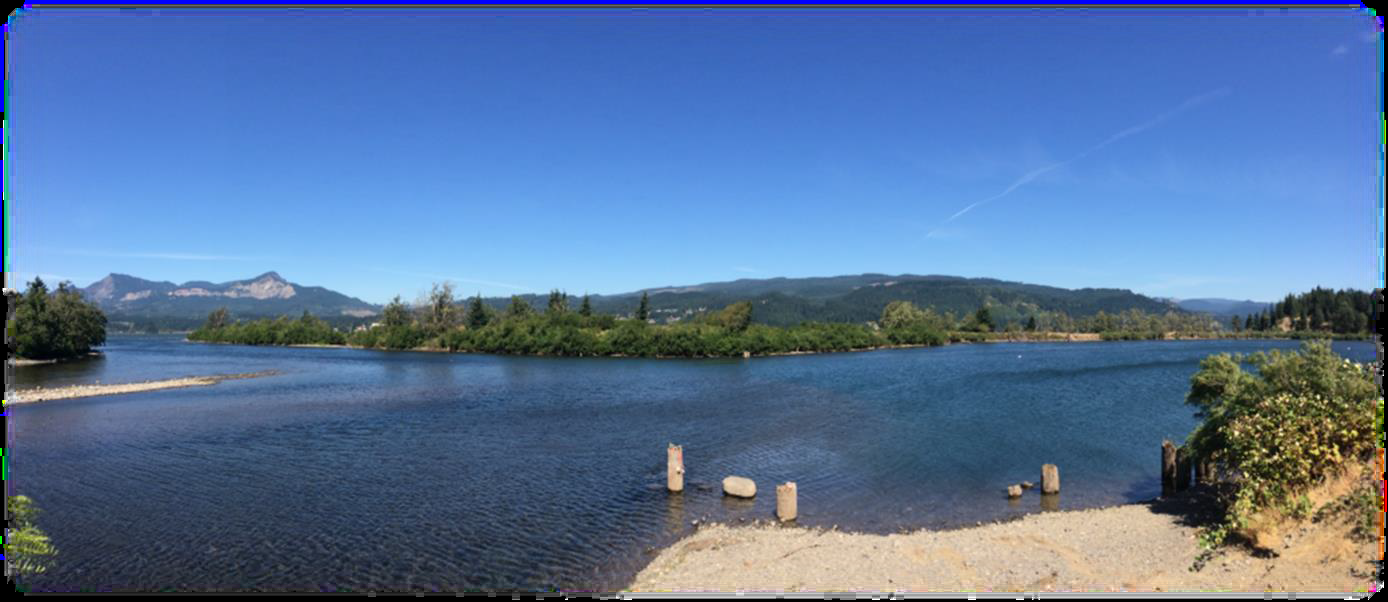
Comments On EPA’s Draft Cold Water Refuge Plan For Columbia River; Insufficient For Future Warming, Lacks Urgency
December 19th, 2019
The value of protecting cold water refuges during adult salmon and steelhead migrations is especially important with rising water temperatures in the Columbia River basin caused by climate change, but the draft Cold Water Refuge Plan by the U.S. Environmental Protection Agency is not expansive enough to protect those fish, many listed as threatened or endangered under the federal Endangered Species Act, and it lacks a sense of urgency.

California Study: Salmon Losing Life-History Diversity In Managed Rivers, Less Able To Cope With Climate Change
December 18th, 2019
The manipulation of rivers in California is jeopardizing the resilience of native chinook salmon. It compresses their migration timing to the point that they crowd their habitats. They may miss the best window for entering the ocean and growing into adults, new research shows.
Study The First To Show Impacts Of Climate Change On Bird Migration On Continental Scale
December 17th, 2019
Life cycles for birds, insects and trees are shifting in this current era of a rapidly changing climate. How migration patterns, in particular, are changing and whether birds can track climate change is an open question.
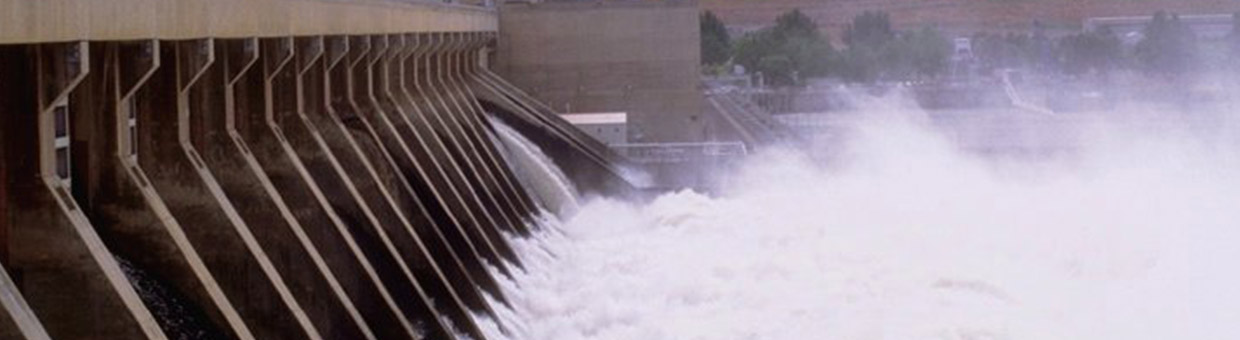
Army Corps Using Laser At McNary Dam To Discourage Avian Predation On Juvenile Salmon
November 27th, 2019
In an effort to discourage birds from snatching up juvenile salmon below McNary Dam, the U.S. Army Corps of Engineers Walla Walla District has bought a laser.
Nine Climate Tipping Points Now ‘Active,’ Scientists Warn; Ice Sheets, Rain Forests, Corals
November 27th, 2019
More than half of the climate tipping points identified a decade ago are now "active", a group of leading scientists have warned.
Oregon State Scientists Lead Effort Declaring Climate Emergency, 6 Immediate Steps To Slow Global Warming
November 7th, 2019
A global coalition of scientists led by William J. Ripple and Christopher Wolf of Oregon State University says “untold human suffering” is unavoidable without deep and lasting shifts in human activities that contribute to greenhouse gas emissions and other factors related to climate change.
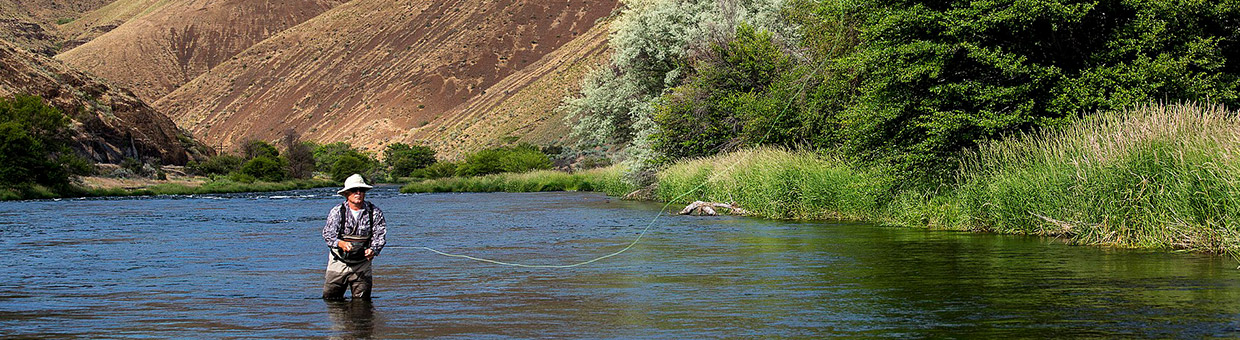
EPA Releases Draft Columbia River Cold Water Refuge Plan; 12 Tributaries Tagged For Protection; Scientists’ Letter Says Lower Snake Dam Breaching Needed To Reduce Temps For Fish
October 24th, 2019
Summer water temperatures in the Columbia River can rise high enough (above 20 degrees Centigrade, 68 degrees Fahrenheit) to have adverse impacts on salmon and steelhead migrating upstream. Such temperatures cause disease, stress, and lower spawning success and can kill the fish.

Efforts On Early Detection Monitoring Of Invasive Species – Mussels, Pike — In Washington State Detailed; Environmental DNA Major Tool
October 17th, 2019
Two different anglers on two different waterbodies, but both in the anadromous zone of the Columbia River basin and both on the same day – July 17, 2017 – say they saw one of the most feared invasive predators in the basin, a northern pike. But, their alleged sightings were quickly debunked … by science.
Washington State Climatologist Talks Marine Heat Waves, Water Resources, Climate Change; 2014-15 A Dress Rehearsal For Future
October 17th, 2019
The newest marine heat wave off the West Coast that emerged this summer and resembles what became known as “the Blob” of 2014 and 2015 is not as warm and it already is diminishing in strength, according to Nick Bond, Washington State Climatologist.

Orca Task Force Works Into Second Year, Adding 12 New Recommendations; Whales Suffer From Too Few Fish, Too Much Noise, Pollution
October 17th, 2019
Washington Gov. Jay Inslee’s Orca Task Force, which last year submitted 36 recommendations that, if all were enacted, would cost more than $1 billion and could bring back Southern Resident killer whales in Puget Sound, is entering its second year and has now added 12 more recommendations.
NOAA Study: Heat Waves Could Increase Substantially In Size By Mid-Century, Pressure On Peak Electrical Loads, Grid
October 10th, 2019
The planet baked under the sun this summer as temperatures reached the hottest ever recorded and heat waves spread across the globe. While the climate continues to warm, scientists expect the frequency and intensity of heat waves to increase. However, a commonly overlooked aspect is the spatial size of heat waves, despite its important implications.
Study Of Past California Wildfires Suggests Climate Change Will Be Main Driver Of Increased Fire Activity
October 10th, 2019
In the wake of recent wildfires that have ravaged northern and central California, a new study finds that the severity of fire activity in the Sierra Nevada region has been sensitive to changes in climate over the past 1,400 years. The findings suggest that future climate change is likely to drive increased fire activity in the Sierras.
Study Looks At How ‘Climate Reshuffling’ Since 1980s Has Impacted Salmon Productivity In Alaska, B.C., Washington
October 3rd, 2019
Traditionally it was thought that warm coastal water temperatures in Alaska were considered beneficial for salmon productivity, while the opposite was true off the coasts of British Columbia and Washington State where warmer temperatures were not as good for salmon.

Washington Moves Pike To Most Unwanted Invasive Species List; Would Allow Governor To Declare Emergency
October 3rd, 2019
Northern pike were promoted to a short list of the most unwanted invasive species in the state of Washington on Friday by the state’s Fish and Wildlife Commission.
Study: Multifactor Models, Not Just Temperature, Reveal Worse Picture Of Climate Change Impact On Marine Life
October 3rd, 2019
Rising ocean temperatures have long been linked to negative impacts for marine life, but a Florida State University team has found that the long-term outlook for many marine species is much more complex -- and possibly bleaker -- than scientists previously believed.
Oregon Ocean Acidification And Hypoxia Plan Offers Roadmap In Dealing With Climate Impacts On Ocean Ecosystem
September 26th, 2019
Oregon has a new roadmap for addressing rising ocean acidification and hypoxia – two climate change-induced conditions that could have widespread consequences for the state’s ocean ecosystem and the economy.
Latest IPCC Report Stresses Urgency In Taking Action To Protect Ocean, Cryosphere From Global Warming
September 26th, 2019
The latest Intergovernmental Panel on Climate Change Special Report highlights the urgency of prioritizing actions to address unprecedented and enduring changes in the ocean and cryosphere, the frozen part of the planet.
Review Of Avian Predation Management; Efforts Coming Up Short On Goals As Harassed Birds Relocate
September 19th, 2019
For the most part, the double-crested cormorants that abandoned one of the largest cormorant colonies in the world, located at East Sand Island in the lower Columbia River estuary, simply moved a couple of miles upstream to the Astoria-Megler Bridge, according to a study in process.
Fight Against Pike: Washington FW Commission Considers Raising Threat Level, Would Allow Emergency Declaration If Found Below Grand Coulee
September 13th, 2019
As efforts continue to curb the proliferation of northern pike in the Columbia River Basin, the state of Washington and co-management agencies are pursuing additional funding and flexibility to respond to the voracious predators entering the “anadromous zone” downstream from Grand Coulee Dam.
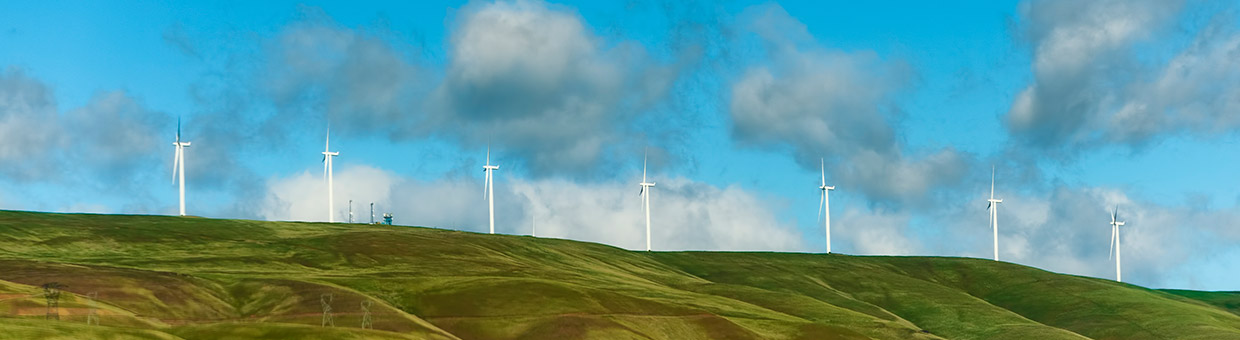
Research Collaboration Shows Rapid Decline Of Hoary Bat, Victim Of Wind Power, In PNW; Provides Pollination, Pest Control
September 11th, 2019
The hoary bat, the species of bat most frequently found dead at wind power facilities, is declining at a rate that threatens its long-term future in the Pacific Northwest, according to a novel and comprehensive research collaboration based at Oregon State University – Cascades (Bend).
NOAA Releases For Comment Draft Plan To Kill More Than 400 Sea Lions In Columbia River To Reduce Predation
September 5th, 2019
NOAA Fisheries has released a draft plan for public comment to remove and kill as many as 416 California and Steller sea lions each year in a 180 mile stretch of the Columbia River from just downstream of Bonneville Dam at river mile 112 upstream to McNary Dam at river mile 292.
Portland State Study Estimates Decline In PNW Average Snowfall Frequency Due To Global Warming
September 3rd, 2019
With warming temperatures, average snowfall frequency is estimated to decline across the Pacific Northwest by 2100 -- and at a faster rate if greenhouse emissions are not reduced, according to a new Portland State University study.
Studying ‘The Blob’: NOAA Research Shows Promise For Establishing Advanced Marine Heatwave Warning System
August 30th, 2019
Beginning in 2014, the U.S. West Coast experienced an extreme marine heatwave. Could it have been predicted so that fisheries managers and stakeholders could have better planned for impacts?

PUDs, Tribes Asking For Help From Anglers In Reducing Northern Pike Numbers Above Grand Coulee; $10 For Every Pike Head
August 29th, 2019
The Grant, Chelan and Douglas Public Utility Districts are contributing to an effort by tribes and state agencies to control Northern Pike, a voracious predator that, if not contained, could set back decades of salmon recovery efforts across the Pacific Northwest.
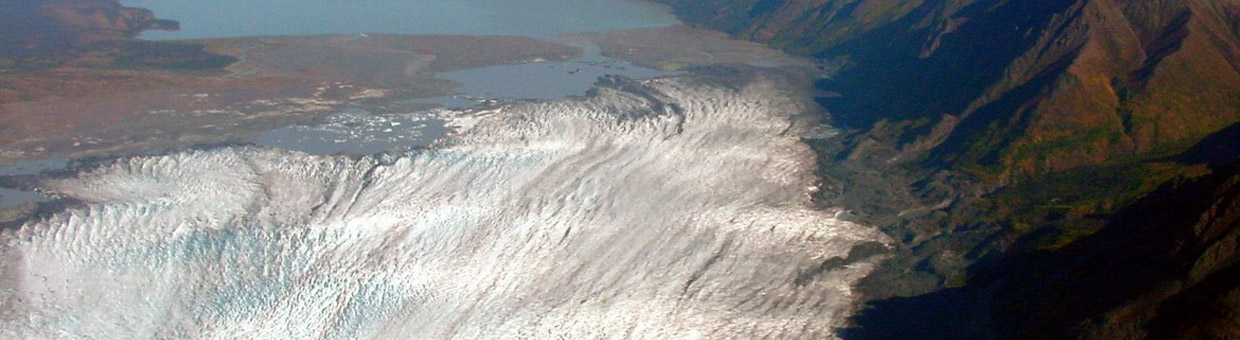
Study Shows How Glacier-Fed Rivers Consuming Carbon Dioxide From Atmosphere
August 27th, 2019
Glacier-fed rivers in northern Canada may be consuming significant amounts of carbon dioxide from the atmosphere, according to new research by University of Alberta biologists.

Huge Juniper Removal Project (965 Square Miles) Begins In Southwest Idaho To Boost Sage Grouse Numbers
August 22nd, 2019
The largest-ever project in the U.S. to remove thousands of juniper trees to help imperiled sage grouse has started in southwest Idaho.
Study Gives Specific Timeframe For Changes In Ocean – Temperature, Acidification — Due To Climate Change
August 22nd, 2019
Sea temperature and ocean acidification have climbed during the last three decades to levels beyond what is expected due to natural variation alone, a new study led by Princeton researchers finds.
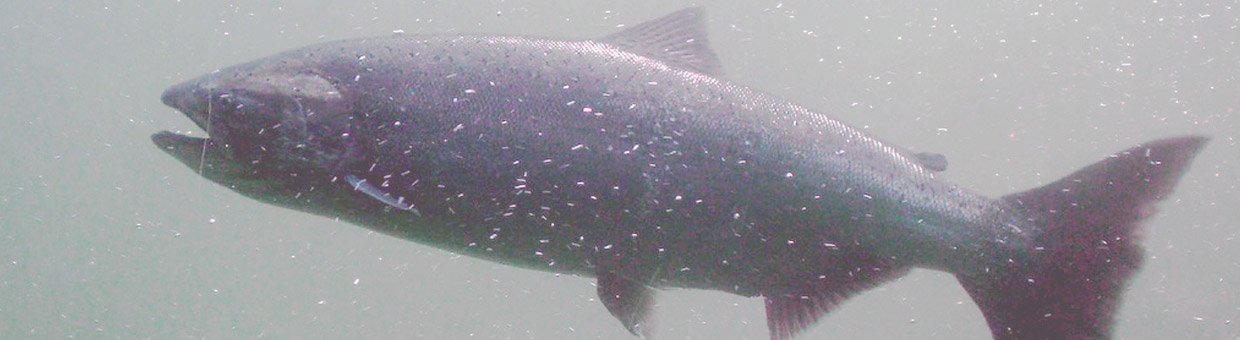
NOAA Fisheries Adds Five Pacific Northwest Salmon Runs To Overfished List; Cites Warmer Ocean, Drought
August 8th, 2019
Three runs of Pacific Northwest coho salmon and two runs of fall chinook have been added to the overfished list in NOAA Fisheries 2018 Report to Congress on the Status of U.S. Fisheries.
No Observed Cormorant Breeding Pairs On Estuary Island, Plenty of Birds On Lower Columbia Bridge
August 8th, 2019
The goal at East Sand Island in the lower Columbia River estuary is to limit the number of double-crested cormorants nesting on the island to 5,600 breeding pairs to limit the birds’ impacts on juvenile salmon and steelhead, according to Jeffery Henon, spokesperson for the U.S. Army Corps of Engineers.
Study: Consecutive Snow Drought Years In Inland Northwest, Cascades Will Become More Common, Reservoir Managers Will Need To Adapt
August 8th, 2019
Consecutive low snow years may become six times more common across the Western United States over the latter half of this century, leading to ecological and economic challenges such as expanded fire seasons and poor snow conditions at ski resorts, according to a study.
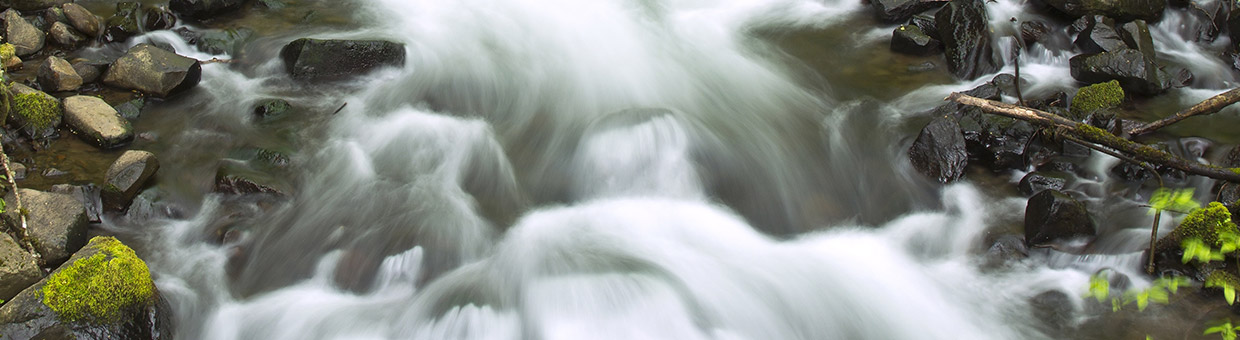
Managing Drought: Oregon Study Says Water Conservation Often Does Not Occur In Right Places At Right Times
July 15th, 2019
In Oregon’s fertile Willamette River Basin, where two-thirds of the state’s population lives, managing water scarcity would be more effective if conservation measures were introduced in advance and upstream from the locations where droughts are likely to cause shortages, according to a new study.
Study: Future Heavy Precipitation In Western North America Will Come From ‘Atmospheric Rivers,’ Warm Storms With High Snow Levels
July 15th, 2019
A new study led by Scripps Institution of Oceanography at UC San Diego suggests that a new regime of wet and dry extremes is emerging in California and that the projected bolstering of extreme precipitation is likely to be caused by streams of moisture in the sky known as atmospheric rivers (ARs).
Study: As Regional Climate Warms, Smallmouth Bass Will Encroach On Much More Salmonid Spawning, Rearing Habitat
July 11th, 2019
Nearly 18,000 river kilometers (11,185 miles) of Columbia River basin streams currently has suitable habitat for an invasive predatory fish that, as climate warms, is a range that is predicted to increase by 10,000 river miles by 2080, according to a recent study.
California’s Massive Tree Die-Off Caused By Deep-Soil Water Depletion; Climate Change To Amplify Ground Moisture Overdraft
July 2nd, 2019
A catastrophic forest die-off in California's Sierra Nevada mountain range in 2015-2016 was caused by the inability of trees to reach diminishing supplies of subsurface water following years of severe drought and abnormally warm temperatures.
Spring Season’s Last Sea Lion Predation Report: In May, Steller Numbers At Bonneville Dam Similar To Last Year, California Sea Lions Way Down
June 26th, 2019
The number of the larger steller sea lions searching for dinner in the Bonneville Dam tailrace was about the same for May this year as the numbers observed last year in May. However, the number of California sea lions has dropped this year.
Park Service Approves Plan To Purge Non-Native Fish In Montana’s Upper Camas Drainage; Will Restock Native Cutthroat, Bull Trout
June 26th, 2019
The National Park Service has approved a plan to purge non-native fish in Glacier National Park’s Upper Camas Basin with a fish toxin, followed by efforts to re-stock the lakes with native westslope cutthroat trout and bull trout.
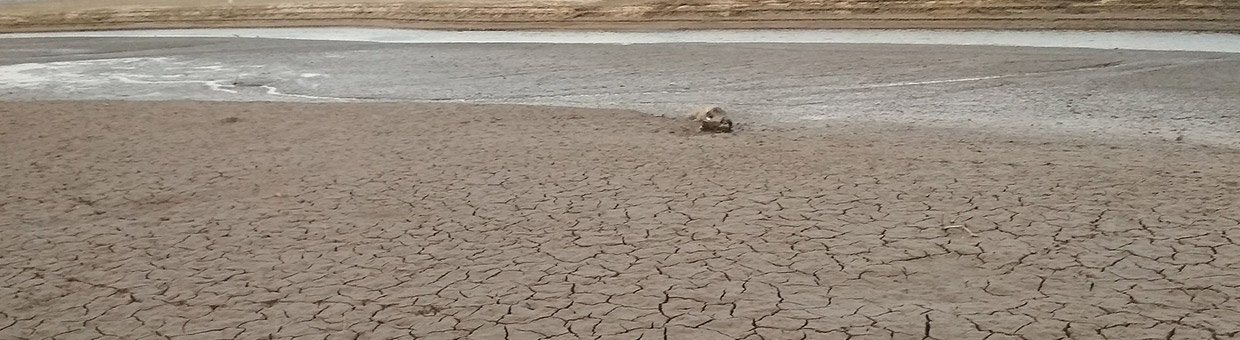
California Department Of Fish And Wildlife Documents Drought Impacts To Fish, Aquatic Species
June 25th, 2019
One silver lining to emerge from the severe drought that impacted California earlier this decade was that it whetted an appetite to study the event and compile data designed to help fish and aquatic species better weather future droughts.
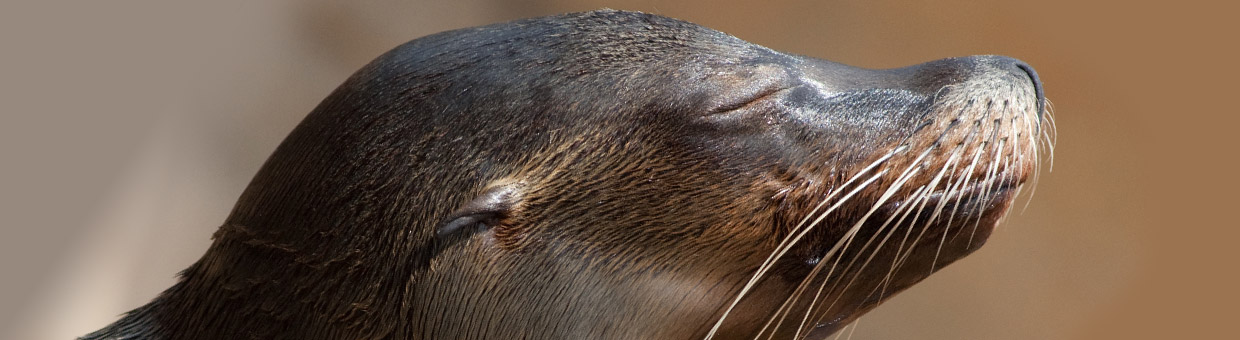
States, Tribes Seek NOAA Permit To Expand Lethal Removal Of Sea Lions From Columbia River, Tributaries; Could Allow Euthanizing Up To 400 Animals Feeding On ESA Salmon, Sturgeon
June 20th, 2019
With the growing worry about sea lion predation – both California and steller – on Endangered Species Act-listed salmon and steelhead in the Columbia River basin, three states and four Native American Tribes applied last week to NOAA Fisheries to lethally remove as many as 286 California and 130 steller sea lions from the river and some tributaries.
Oregon State Researchers Offer New Strategies For Managing Rivers, Preserving Freshwater Biodiversity As Climate Warms
June 20th, 2019
New strategies for river management are needed to maintain water supplies and avoid big crashes in populations of aquatic life, researchers argue in a perspective piece published this week in Nature.
Quantifying Economic Costs Of Northern Pike Invasion; ‘Would Require Large-Scale Ecological-Economic Exercise’
June 13th, 2019
Economists tasked with quantifying the costs of suppressing invasive northern pike in Lake Roosevelt as well as the costs to the region if the pike escaped Grand Coulee Dam and migrated downstream, risking recovery of the Columbia River basin’s threatened and endangered salmon and steelhead, indicated at a Northwest Power and Conservation Council meeting this week that available data is too sparse to adequately answer the questions.
Wolf Management: Trump Administration Proposal To De-List, Oregon’s New Wolf Plan Catching Heat
June 12th, 2019
A federal proposal to de-list wolves across much of the country is meeting stiff resistance, along with a proposed wolf management plan for Oregon.
The Pike Danger: Will Economic Impact Report Light A Fire On Suppression Efforts?
June 7th, 2019
A highly anticipated economics report on the impacts of northern pike in the Columbia River Basin will get a rollout next week before the Northwest Power and Conservation Council in Portland.
Univ. Of Idaho Study: Regional Estimates Of Wildfire Carbon Emissions Higher Than Data Shows; Better Numbers Would Help Mitigate Climate Change
June 5th, 2019
Wildfires spew smoke and harm overall air quality, but they contribute a lot less carbon dioxide to the atmosphere than many people assume — and that many scientific models predict — according to a University of Idaho study.
Research: With Climate Change Alaska’s Sockeye Head To Ocean Earlier, Face Competition In North Pacific With 6 Billion Hatchery Fish
June 4th, 2019
An ample buffet of freshwater food, brought on by climate change, is altering the life history of one of the world’s most important salmon species.
Oregon Removes, Euthanizes 33 California Sea Lions At Willamette Falls; Wild Winter Steelhead Run Up Considerably
May 23rd, 2019
The Oregon Department of Fish and Wildlife was permitted by NOAA Fisheries in November 2018 to remove and euthanize up to 93 California sea lions at Willamette Falls to protect wild runs of spring chinook and winter steelhead transiting the Falls. Both species are listed as threatened under the federal Endangered Species Act.
Salmon Predation Questions: Scientists Say Inevitable Voracious, Invasive Pike Will Move Downstream Of Grand Coulee
May 14th, 2019
Washington tribes and state government first detected the presence of northern pike in Lake Roosevelt, the huge reservoir created by Grand Coulee Dam, in 2007 and have ramped up suppression efforts in the lake since 2014.
Corps March Pinniped Report: Sea Lion Numbers At Bonneville Dam Below 10-Year Average
May 13th, 2019
The number of sea lions observed at Bonneville Dam in March was below the 10-year average and spring chinook salmon and steelhead, the fish sea lions like to feast on during the spring at the dam, were also far below average
Study: Forest Fires Causing Earlier Snowmelt Across Western U.S., Affects Water Supplies
May 8th, 2019
Forest fires are causing snow to melt earlier in the season, a trend occurring across the western U.S. that may affect water supplies and trigger even more fires, according to a new study by a team of researchers at Portland State University, the Desert Research Institute, and the University of Nevada, Reno.
IPBES Report:Species Extinction Accelerating, 33 Percent Of Marine Fish Stocks Overharvested
May 7th, 2019
Nature is declining globally at rates unprecedented in human history -- and the rate of species extinctions is accelerating, with grave impacts on people around the world now likely, warns a landmark new report from the Intergovernmental Science-Policy Platform on Biodiversity and Ecosystem Services (IPBES).
Long-Range Outlook Predicts Parts Of Pacific NW Will See Higher Than Average ‘Large Fire Risk’
May 2nd, 2019
For the Pacific Northwest, long-range outlooks suggest fire danger will rise to be above average in during the summer, particularly west of the Cascades where outlooks suggest a warmer than average summer, said the National Interagency Fire Center this week.
Study Tracks Impacts Of Global Warming On Droughts Back To 1900; ‘Unprecedented Drying’ Coming
May 1st, 2019
In an unusual new study, scientists say they have detected the fingerprint of human-driven global warming on patterns of drought and moisture across the world as far back as 1900.
Rising temperatures are well documented back at least that far, but this is the first time researchers have identified resulting long-term global effects on the water supplies that feed crops and cities
Study Says Half Of World Heritage Sites Could Lose Glaciers By 2100; Canadian Rockies, Olympics
April 30th, 2019
Glaciers are set to disappear completely from almost half of World Heritage sites if business-as-usual emissions continue, according to the first-ever global study of World Heritage glaciers.

Study Shows How Heavy Tropical Rains In Southeast Asia Contribute To California Heat Waves
April 17th, 2019
Heavy rain over the Indian Ocean and Southeast Asia and the eastern Pacific Ocean is a good indicator that temperatures in central California will reach 100 degrees in four to 16 days, according to a collaborative research team from the University of California Davis and the Asia-Pacific Economic Cooperation Climate Center in Busan, South Korea.
Study Uses Simulations To Project Outcomes Of Bull Trout Reintroduction In Pend Oreille River Basin
April 9th, 2019
A multi-institutional team of researchers has assessed how environmental, demographic, and genetic factors play a role in the reintroduction of bull trout in Washington State.
Groups Sue NOAA To Compel The Agency To Assess, Reduce Impact Of Salmon Harvests On Orcas
April 8th, 2019
Two conservation groups have sued NOAA Fisheries to make the agency revisit its 2009 decision finding that commercial and recreational fisheries did not jeopardize survival of Southern Resident killer whales.
With Low Water Supplies Forecasted, Drought Emergency For Okanogan, Methow, Upper Yakima
April 5th, 2019
Despite significant snow in parts of Washington, water supply shortages are projected in the Methow, Okanogan and Upper Yakima basins, prompting Gov. Jay Inslee to declare a drought emergency in those watersheds.
IDFG To Host Lake Pend Oreille State Of The Lake Meeting; Updates On Fish Stocks’ Status
March 26th, 2019
Idaho Fish and Game staff will share updates on the Lake Pend Oreille fishery and activities planned for 2019 at the annual State of the Lake public meeting on Thursday, April 4 from 6-8 p.m. at the Pend Oreille Events Center. The Events Center is located at 401 Bonner Mall Way, Suite E, in Pend Oreille.
Research: Rising Global Shipping Traffic Could Lead To Surge In Invasive Species Over Next 30 Years
March 26th, 2019
Rising global maritime traffic could lead to sharp increases in invasive species around the world over the next 30 years, according to a new study by McGill University researchers.
Study: Climate Change Having Profound Negative Impacts On Waterbirds In American West
March 26th, 2019
New research shows that recent climate change is having profound effects on wetlands across the American West – affecting birds that use these wetlands for breeding, migration and wintering.
Report: Ocean Conditions Appear To Be Heading In Right Direction For Improving Salmon-Steelhead Runs
March 15th, 2019
Coastal waters are cooling and attracting higher value, more fat-rich food -- a good sign for salmon, steelhead and ocean predators, such as Orcas -- after several years of unusually warm conditions (2014 – 2016), when the warm water “blob” dominated coastal conditions, according to a report released last week by NOAA Fisheries.
Registration Open For Columbia Basin Transboundary Conference In British Columbia
March 15th, 2019
Online registration is open for the Columbia Basin Transboundary Conference: One River, One Future, an international conference addressing key issues related to the future of the Columbia River, its ecosystem, management, and international implications.
During the 2014-16 West Coast Marine Heatwave (‘Blob’) Record-Breaking Number Of Species Moved North
March 15th, 2019
During the marine heatwave of 2014-16, scientists from the University of California, Davis, noticed creatures typically seen only in places like Baja California, Mexico, showing up outside the UC Davis Bodega Marine Laboratory. These included warm-water species of jellyfish, crabs, nudibranchs, fish and even dolphins and sea turtles.
Fifth Round Of Negotiations Aimed At Modernizing U.S./Canada Columbia River Treaty Concludes
March 8th, 2019
A fifth round of Columbia River Treaty negotiations was recently concluded by the United States and Canada in Washington, D.C., this time focusing on American priorities for managing water in the basin.
Wildfire And Ecosystems: Researchers Study 450 Years Of Forest Fires In Alaska
March 8th, 2019
In a recent study, University of Montana researchers explored the ways forest succession and climate variability interacted and influenced fires in Alaska's boreal forests over the past four centuries - from 1550 to 2015.
Council Staff Organizing, Summarizing Recommendations For Amending Basin Fish And Wildlife Program
February 22nd, 2019
At a 2-hour work session prior to its last meeting, Feb. 12, in Portland, the Northwest Power and Conservation Council’s Fish and Wildlife Committee reviewed staff summaries of recommendations it has received through its process to amend the Columbia River Basin Fish and Wildlife Program.
Study Says Earth May Be 140 Years Away From Carbon Levels Not Seen Since Dinosaur Extinction
February 22nd, 2019
Total human carbon dioxide emissions could match those of Earth's last major greenhouse warming event in fewer than five generations, new research finds.
Comments For New Proposed Recovery Plan For Puget Sound Wild Steelhead Due March 28
February 15th, 2019
Some 8,000 aging culverts under roads and driveways around Puget Sound block threatened Puget Sound steelhead from reaching high headwaters streams where they historically spawned, creating a major obstacle to the species’ recovery.
Study Identifies Riverside Routes In Northwest Most Important For Animals Navigating Climate Change
February 15th, 2019
Under climate change, plants and animals will shift their habitats to track the conditions they are adapted for. As they do, the lands surrounding rivers and streams offer natural migration routes that will take on a new importance as temperatures rise.
Study Says Climate Of North American Cities Will Shift Hundreds Of Miles In One Generation
February 15th, 2019
In one generation, the climate experienced in many North American cities is projected to change to that of locations hundreds of miles away--or to a new climate unlike any found in North America today.
Climate Modeling Details Coming Significant Vegetation Type Shifts In Coastal Forests
February 8th, 2019
A changing climate in the 21st century will significantly alter the coastal forests of the Pacific Northwest, according to modeling by Oregon State University researchers.
Climate Change Will Shift Color Of Surface Ocean By End Of Century
February 8th, 2019
Climate change is causing significant changes to phytoplankton in the world's oceans, and a new MIT study finds that over the coming decades these changes will affect the ocean's color, intensifying its blue regions and its green ones. Satellites should detect these changes in hue, providing early warning of wide-scale changes to marine ecosystems.
Washington’s 2018 State Of Salmon Report: Six Columbia/Snake ESA Listed Stocks Not Making Progress
February 1st, 2019
Nearly $1 billion has been spent on salmon recovery activities in the State of Washington since 1999 when the Washington legislature passed the state’s Salmon Recovery Act, according to an annual report released this month by Gov. Jay Inslee’s Salmon Recovery Office.
Research Shows PNW Trout, Salamanders Can Bounce Back From Drought Conditions In A Few Years
February 1st, 2019
Populations of coastal cutthroat trout and coastal giant salamanders in the Pacific Northwest show the ability to rebound quickly from drought conditions, new research by Oregon State University suggests.
Council Changes Leadership, Montana Member Jennifer Anders Named Chair
January 18th, 2019
Jennifer Anders of Montana was unanimously elected this week to Chair the Northwest Power and Conservation Council, replacing outgoing chair Jim Yost of Idaho. The Council held the elections and made the transition to new officers at its meeting in Portland, Wednesday, Jan. 16.
Central Oregon Study Looks At Impacts Of Too Dense, Less Drought-Tolerant Forests
January 11th, 2019
Tree rings tell the story of what’s happening physiologically as fire suppression makes forests more dense and less tolerant of drought, pests and wildfires, new research shows.
Inslee Budget Includes Over $1 Billion For Orcas/Salmon; $750,000 For Task Force On Snake Dams
December 21st, 2018
Washington Gov. Jay Inslee announced late last week a budget that includes investments to save Southern Resident orca whales in Puget Sound. Much of his budget is aimed at increasing the number of chinook salmon, the killer whales’ primary food source, in the Columbia River basin and in Puget Sound, and includes funding a task force to look at breaching Snake River dams.
Study Looks At How Carbon Emissions Absorbed By Ocean Impact Salmon’s Sense Of Smell
December 21st, 2018
The ability to smell is critical for salmon. They depend on scent to avoid predators, sniff out prey and find their way home at the end of their lives when they return to the streams where they hatched to spawn and die.
Upper Columbia Basin Bull Trout Study Finds Small Populations Declining, At Risk
December 21st, 2018
Bull trout populations in the upper Columbia River basin in Idaho and Montana are small and some are continuing to decline, according to a recent study.
Removing Diversion Dam In Washington Brings Back Mid-Columbia Steelhead To 20 Miles New Habitat
December 14th, 2018
Now that diversion dam is gone, dismantled through the cooperative efforts of local irrigators, Kittitas County Conservation District, and the Yakima Basin Integrated Plan partners, Mid-Columbia steelhead, a threatened species under the Endangered Species Act, are now re-establishing themselves in more than 20 newly accessible miles of healthy creek habitat.
Study: Human Actions Leading To Loss Of Chinook ‘Spring-Run Gene’ May Mean Loss Of Spring Run
December 14th, 2018
Once spring-run chinook salmon disappear, they are not likely to re-emerge, indicates genetic analysis of the revered wild fish in a study led by the University of California, Davis. Prompt conservation action could preserve spring-run chinook, as well as their evolutionary potential.
Research: Sierra Nevada Mountain Peak Snowpack Will Drop 79 Percent By 2100
December 14th, 2018
A future warmer world will almost certainly feature a decline in fresh water from the Sierra Nevada mountain snowpack. Now a new study by the Department of Energy’s Lawrence Berkeley National Laboratory that analyzed the headwater regions of California’s 10 major reservoirs, representing nearly half of the state’s surface storage, found they could see on average a 79 percent drop in peak snowpack water volume by 2100.
Federal Climate Report Suggests More Warm Years Such As 2015 Will Be A Reality For Columbia Basin
November 30th, 2018
In 2015, low river flow conditions, coupled with high air temperatures and warm water in the Snake and Columbia rivers and their tributaries from mid-June to mid-July, resulted in the highest mainstem water temperatures recorded in the Columbia River Basin.
Leading Practitioners Of eDNA Science Gather To Discuss New Tool’s Possibilities
November 30th, 2018
An innovative tool that can confirm the recent presence of any given fish species in a sample of water will be highlighted at the first National Conference on Marine Environmental DNA held in New York City. The conference began Thursday and continues today, Nov. 30.
PNW Coastal Forests, Western Cascades Will Be Less Vulnerable To Drought, Fire Than Rocky Mountains
November 30th, 2018
Forests in the Pacific Northwest will be less vulnerable to drought and fire over the next three decades than those in the Rocky Mountains and Sierra Nevada, computer modeling by researchers in Oregon State University’s College of Forestry shows.
UW,Tribes Develop Resources For Tribes To Evaluate Their Vulnerability To Climate Change
November 30th, 2018
Which Pacific Northwest streams will warm the most in the next 50 years, and where would restoration work make a difference for salmon? Where will wildfires and pests be most aggressive in forests as the Earth warms, and how can better management help?
New Interactive Tool Allows Any User To Interact With PNW Historical Temperatures, Precipitation
November 30th, 2018
The University of Washington’s College of the Environment has teamed up with Seattle visual analytics company Tableau Software to create a new, interactive visualization for historical observations of temperature and precipitation in Washington, Oregon, Idaho and western Montana, and for Washington snowpack.
Introduction Project Sees First Adult Coho Enter NE Oregon’s Lostine River In Nearly 40 Years
October 26th, 2018
After nearly 40 years absence the first adult coho salmon entered the mouth of northeast Oregon’s Lostine River Sunday night. The silvery female is returning to the river where she was released as hatchery smolt in 2017.
Independent Science Panel Reviews Research Projects For NW Power/Conservation Council
October 26th, 2018
A report by the Independent Science Review Panel that reviews 25 research-focused projects that touch on fish and wildlife populations, habitat and the effectiveness of restoration actions and fish propagation, and the effectiveness of hatchery supplementation, was released by the ISRP Sept. 28 and was out for review until Oct. 24.
Study: How Warmer Columbia/Snake Water Temps Affect Adult Salmonid Migration Timing, Survival
October 12th, 2018
A recent study that summarizes adult salmon and steelhead body temperatures as they migrate upstream in the Columbia River and into the Snake River found that spring and summer chinook salmon body temperatures largely match stream temperature, causing few delays as they migrate.
NOAA Fisheries Says Updated Management Blueprint For Blue Mountains Prioritizes Habitat Restoration
September 28th, 2018
An updated blueprint for the management of 5.5 million acres of public land in the Blue Mountains of eastern Oregon and southeastern Washington prioritizes habitat restoration for threatened salmon and steelhead where the fish need it most, boosting their chances for recovery in coming decades, says NOAA Fisheries.
National Science Foundation Awards $220 Million For Ocean Observatories Initiative; Includes OSU, UW
September 28th, 2018
The National Science Foundation announced that it has awarded a coalition of academic and oceanographic research organizations a five-year, $220 million contract to operate and maintain the Ocean Observatories Initiative.
Lead U.S. Negotiators For New Columbia River Treaty Hold Portland Town Hall
September 14th, 2018
Flood control, ecosystem management, salmon reintroduction and inclusion of tribes directly in the negotiating process were concerns raised by local participants at a town hall on what modernizing the Columbia River Treaty should look like.
NW Power/Conservation Council Approves Comments On Columbia Basin Partnership Task Force Goals
September 14th, 2018
NOAA Fisheries’ Columbia Basin Partnership Task Force provisional quantitative and qualitative goals are out for review and the Northwest Power and Conservation Council at its meeting this week in Eugene, Ore. approved comments to the Task Force that were developed by the Council’s Fish and Wildlife Committee and staff.
Study Says Climate Change Will Increase Exposure of Pacific Chinook Salmon To Pollutants
September 14th, 2018
University of British Columbia researchers studying the marine food web of the Northeast Pacific Ocean have found that the exposure and accumulation of chemical pollutants, such as polychlorinated biphenyls (PCBs) and organic mercury, will be exacerbated under climate change.
Study Looks At Issues Regarding Sockeye Reintroduction Using Residualized Kokanee
August 30th, 2018
When given the chance, landlocked sockeye – kokanee – will bolt for the ocean, but as it turns out in one study where a dam had been in place for 90 years, just 20 percent of kokanee in the reservoir were ready to smolt, according to a recent study out of Canada.
Researchers Profiling Cooler Areas In Yakima River That May Act As Salmon Safe Havens
August 30th, 2018
Researchers from the Benton Conservation District, Yakama Nation, and U.S. Geological Survey are profiling cooler areas in the lower 100 miles of the Yakima River that may serve as safe havens for fish during warm weather.
NOAA Fisheries Releases Final Recovery Plan For Southern Population Of Green Sturgeon
August 30th, 2018
NOAA Fisheries has released a final recovery plan under the Endangered Species Act for Central California’s green sturgeon.

Report Summarizes Tribes’ Work, Results From 10 Years Of Columbia River Fish Accords
August 17th, 2018
A program that has consumed an average of 18 percent of the Bonneville Power Administration’s fish and wildlife budget each year and has cost the agency over $560 million over its 10-year life is coming to end, although it may be extended.
Columbia River Treaty Negotiators Hear Views In Spokane Forum From Both Sides Of Border
July 27th, 2018
The lead negotiators for the United States and Canada tasked with modernizing the Columbia River Treaty remained reserved and diplomatically congenial during a forum on the treaty in Spokane this week, but other people weren’t shy in sharing their views on how the 1964 treaty has caused harm on both sides of the border and how it can be improved.
Study Says International Fisheries Agreements Outpaced By Movement Of Fish Species
June 15th, 2018
The world's system for allocating fish stocks is being outpaced by the movement of fish species in response to climate change, according to a study undertaken by an international team of marine ecologists, fisheries and social scientists and lawyers.
Study Shows Even Small Amounts Of Running Water Can Make a Big Difference For Coastal Coho
June 8th, 2018
Even small amounts of running water--less than a gallon per second--could mean the difference between life or death for juvenile coho salmon in coastal California streams, according to a new study published in the journal Transactions of the American Fisheries Society.
Study: Ocean Warming Cause Of Massive Seabird Die-Off On West Coast In 2014
June 8th, 2018
In the fall of 2014, West Coast residents witnessed a strange, unprecedented ecological event. Tens of thousands of small seabird carcasses washed ashore on beaches from California to British Columbia, in what would become one of the largest bird die-offs ever recorded.
Study Shows How Pacific Steelhead Adapted To Lake Michigan In Less Than 120 Years
June 1st, 2018
Steelhead trout, a member of the salmon family that live and grow in the Pacific Ocean, genetically adapted to the freshwater environment of Lake Michigan in less than 120 years, says a new study.
Draft Assessment Looks At Habitat Above Grand Coulee To Support Salmon/Steelhead Reintroduction
May 11th, 2018
If tribes pursue a salmon and steelhead reintroduction program upstream of Chief Joseph and Grand Coulee dams, some 1,160 miles of tributary habitat would be available for steelhead and 355 miles of tributary habitat would be available for spring chinook salmon, according to an overview of a draft assessment of potential habitat in the blocked areas presented at the Lake Roosevelt Forum, April 24 - 25.
Study Looks At What Happens To Seabirds, Some Fish, If El Ninos More Frequent
May 11th, 2018
More frequent El Niño events in the future may have surprising impacts on seabirds and some fish species, according to a study from the University of California, Davis.
Study Reviews Larval Sea Lice Biology; Models Spread, Infection From Aquaculture Facilities
May 4th, 2018
A natural parasite that can infect salmon, it has been thought that sea lice can be transferred from farmed salmon in net pens along Canada’s east and west coasts, but knowledge of whether and how that occurs is thin, according to a recent study.
Carrying Capacity: High Numbers Of Pink, Chum Salmon In North Pacific May Be Hurting Chinook
April 13th, 2018
A record number of pink and chum salmon in the North Pacific Ocean may be contributing to the depletion of other salmon stocks, such as chinook salmon, according to a recent study.
Research: Extreme Climate Variability In West May Be Destabilizing West Coast Marine Ecosystems
April 13th, 2018
New research shows that extreme climate variability over the last century in western North America may be destabilizing both marine and terrestrial ecosystems.
Study: Extirpation Chances Remain High For ESA-Listed Bull Trout In Upper Columbia River Basin
April 6th, 2018
Most migratory bull trout populations in the Upper Columbia River are found in low abundance and their numbers are either stable or declining, according to a recent study.
Scientists Review Basin Fish/Wildlife Program, Offer Recommendations For Improving
April 6th, 2018
As the Northwest Power and Conservation Council prepares to amend its 2014 Columbia River Basin Fish and Wildlife Program, it will seek input from tribes, state and federal agencies and the public. The Council’s Fish and Wildlife Committee also had asked for a science review of the current program to provide information that will be useful for the amendment process.
Study: Climate Change Will Be Main Cause Of Heat Waves In West By Late 2020s
March 23rd, 2018
A new analysis of heat wave patterns appearing this week in Nature Climate Change concludes that climate change driven by the buildup of human-caused greenhouse gases will overtake natural variability as the main cause of heat waves in the western United States by the late 2020s and by the mid-2030s in the Great Lakes region.
New Study Shows Dramatic Decline In Snowpack In Western States, Down 15 To 30 Percent
March 16th, 2018
A new study of long-term snow monitoring sites in the western United States found declines in snowpack at more than 90 percent of those sites – and one-third of the declines were deemed significant.
USGS Study: Rising Seas Put Pacific Coastal Wetlands At Risk Of Extinction, Some By 2050
March 2nd, 2018
Individual species of animals, like polar bears, aren’t all that are at risk from climate change and the resulting accelerating rates in the rise in sea level. Pacific coastal wetlands are also at risk of extinction and the doomsday clock for Pacific Coast salt marshes isn’t that far off, according to a recent study by the University of California, Los Angeles, and the U.S. Geological Survey.
USFWS Says Canada Lynx May No Longer Warrant Protection Under ESA
January 19th, 2018
The U.S. Fish and Wildlife Service has announced the completion of a scientific review of the Canada lynx in the contiguous United States, concluding the species may no longer warrant protection under the Endangered Species Act and should be considered for delisting due to recovery.
Plaintiffs In Spill For Fish Case File Reply Briefs In Ninth Circuit; Oral Arguments In March
January 12th, 2018
When it ordered more spring spill at eight lower Snake and Columbia river dams for 2018, the U.S. District Court of Oregon was acting well within its discretion, according to plaintiffs who brought the case to the court last January.
NOAA Fisheries Releases Draft Recovery Plan For California’s Green Sturgeon
January 12th, 2018
One of Central California’s most ancient fish, the green sturgeon, will soon have a new recovery plan to steer it toward sustainability.
NW Power/Conservation Council Taps Idaho’s Yost As New Chairman, Montana’s Anders Vice-Chair
January 12th, 2018
Idaho and Montana members will lead the Northwest Power and Conservation Council in 2018.
National Academies Announce Climate Communications Initiative, Appoints Advisory Committee
January 12th, 2018
The National Academies of Sciences, Engineering, and Medicine are launching a major initiative to more effectively enable their extensive body of work on climate science, impacts, and response options to inform the public and decision makers.
Council Symposium Looks At White Sturgeon Survival Throughout Columbia Basin
January 5th, 2018
A symposium to share information about the state of wild and hatchery white sturgeon found in waters from the mouth of the Columbia River to the Snake River to the Kootenai River was hosted in mid-November by the Northwest Power and Conservation Council.
Study: Warming Seas Double Snowfall On Alaska Peaks Since Industrial Age, Affects Pacific Northwest
December 22nd, 2017
Snowfall on a major summit in North America's highest mountain range has more than doubled since the beginning of the Industrial Age, according to a study from Dartmouth College, the University of Maine, and the University of New Hampshire.
NOAA Fisheries Releases Recovery Plans For Snake River Fall Chinook, Spring Chinook/Steelhead
December 15th, 2017
NOAA Fisheries this week released two final recovery plans for Snake River salmon and steelhead listed under the Endangered Species Act which detail recovery actions, time-frames, and costs aimed at de-listing.
Agencies Outline NEPA/EIS Progress Evaluating Columbia/Snake River Uses, Improvements For Fish
December 8th, 2017
Federal agencies that operate fourteen Columbia/Snake River dams described this week their progress one year into a five-year National Environmental Policy Act process required by a court-ordered rewrite of the biological opinion for protected salmon and steelhead.
Canada Science Committee Recommends Listing Some Fraser River Sockeye Populations ‘Species At Risk’
December 8th, 2017
Canadian scientists are recommending that the federal government add Fraser River sockeye salmon to Canada's list of at-risk species after an assessment found a sharp decline in numbers for eight of the British Columbia river’s sockeye populations.
Study Brings Attention To How Timing Of Fishing Seasons Impacts Spawning, Life History Patterns
December 1st, 2017
A new University of Washington study points to an often overlooked factor that is hampering the ability of fish to reproduce: the timing of fishing seasons.
Federal Agencies Update Court On NEPA, EIS Process For Columbia/Snake Salmon, Steelhead
November 3rd, 2017
Saying that the five-year timeline to complete a National Environmental Policy Act process for the federal Columbia River power system’s impact on salmon and steelhead is aggressive, federal agencies this week also said they would continue to target completion of the process -- which includes an environmental impact statement -- with a record of decision by September 24, 2021.
Idaho Climate Summit To Explore Climate Change Effects On Idaho; Live-Stream Nov. 16-17
October 20th, 2017
An Idaho Climate Summit will be held at Boise State University, University of Idaho and Idaho State University and live streamed to other locations on Nov. 16-17.
An Idaho Climate Summit will be held at Boise State University, University of Idaho and Idaho State University and live streamed to other locations on Nov. 16-17.
Council Approves Questions For Independent Science Board To Address In Review Of Basin Fish And Wild
October 13th, 2017
Following a formal, but general letter to the Independent Science Advisory Board requesting a review of its 2014 Columbia River Basin Fish and Wildlife Program, the Northwest Power and Conservation Council this week approved a less formal, but more detailed query to the ISAB for more information.
Study Looks At How North Pacific Atmospheric, Ocean Circulation Trends Affect Wild Chinook
October 6th, 2017
Productivity of wild chinook salmon from the Columbia River to northern Alaska is subject to large-scale atmospheric and ocean circulation trends, especially the North Pacific Gyre Oscillation, according to a recent study.
Analysis Suggests Open-Ocean Aquaculture Viable Option For Industry Expansion Under Climate Change
October 6th, 2017
A new analysis suggests that open-ocean aquaculture for three species of finfish is a viable option for industry expansion under most climate change scenarios – an option that may provide a new source of protein for the world’s growing population.
Study:Japanese Tsunami Enabled Hundreds Of Aquatic Species To Raft Across Pacific To U.S. West Coast
September 29th, 2017
The 2011 Japanese tsunami set the stage for something unprecedented. For the first time in recorded history, scientists have detected entire communities of coastal species crossing the ocean by floating on makeshift rafts.
Warmer Northwest Waters Have Fish Moving North, Spawning Earlier, Longer Off Pacific Northwest
September 29th, 2017
Unusually warm ocean conditions off the Pacific Northwest in the last few years led anchovies, sardines and hake to begin spawning in Northwest waters much earlier in the year and, for anchovy, longer than biologists have ever recorded before, new research has found.
NOAA Fisheries Finalizes Recovery Plan For ESA-Listed Eulachon (Smelt); Includes Columbia Estuary
September 22nd, 2017
NOAA Fisheries has finalized a recovery plan for the southern Distinct Population Segment of eulachon, a small smelt that spawns in coastal rivers such as the Columbia River Estuary.
Study Tracks Pathways Deadly Salmonid Virus IHNV Spreads; Returning Adults Most Frequent Source
September 8th, 2017
A recent study is the first to explore how infectious hematopoietic necrosis virus (IHNV) spreads among juvenile hatchery-raised fish in the Pacific Northwest, where high rates of infection and mortality can occur.
Idaho Study Looks At Possible Impact Of Warmer Waters On Energy Needs For Juvenile Wild Steelhead
September 1st, 2017
Density of juvenile steelhead in an Idaho creek is expected to decline as the water warms due to climate change.
Group Issues White Paper On 2015 Hot Water Year For Sockeye As Region Grapples With BiOp, Spill
August 25th, 2017
A white paper produced by Columbia Riverkeeper that used computer simulations says that if the four lower Snake River dams had not been in place in 2015, river water would have naturally remained cool enough for the sockeye salmon migrating in the river that year to have successfully completed their journey to their spawning grounds in the Sawtooth Basin in Idaho.
UW To Host Interior Department’s Northwest Climate Science Center
August 11th, 2017
The University of Washington is the new host for the U.S. Department of the Interior’s Northwest Climate Science Center.
Study: Alaska Pink Salmon Adapt To Climate Change With Early Migration Timing
July 21st, 2017
Pink adult and juvenile salmon in Alaska’s Auke Creek are adapting to warmer water temperatures by migrating earlier.
Study: Flexibility In Behavior of Some Animals Helps Them Accommodate To A Changing Climate
July 14th, 2017
A new study by the U.S. Geological Survey and its partners has identified situations and conditions where some animals display behavioral flexibility – the ability to rapidly change behavior in response to short or long-term environmental changes such as climate variability.
Council Approves New Research Plan To Guide Research Aimed At ‘Critical Uncertainities’
June 23rd, 2017
A year-long effort to create a revised research plan that addresses the Northwest Power and Conservation Council’s critical fish and wildlife uncertainties was approved by the Council last week.
Study Suggests ‘Highly Protected’ Marine Reserves Should Be Expanded, Better Managed
June 9th, 2017
An international team of scientists has concluded that "highly protected" marine reserves can help mitigate the effects of climate change and suggests that these areas be expanded and better managed throughout the world.
NOAA Announces $10 million In Recommended Grants For Fishing Communities, Sustainable Fisheries
June 9th, 2017
NOAA Fisheries has announced more than $10 million in recommended grants through the 2017 Saltonstall-Kennedy (SK) Grant competition. The solicitation closed on December 9, 2016.
Partnering With Beavers: 10-Year Study Shows How Beaver Dams In Arid Streams Moderate Water Temps
June 2nd, 2017
A 10-year study of the influence of beaver dams – some artificially added to the stream during the study – on stream water temperature found that the dams increase surface water storage and encourage cool groundwater flow. The results are a cooler stream at a time when typically high summer temperatures stress threatened juvenile steelhead.
Oregon, California Governors Request Salmon Disaster Assistance From Commerce Department
June 2nd, 2017
Oregon Gov. Kate Brown and California Gov. Edmund G. Brown, Jr. last week announced a request to U.S. Secretary of Commerce Wilbur Ross for a declaration of a catastrophic regional fishery disaster and commercial fishery failure for salmon in their states.
Council Committee Moves Forward $16 Million In ‘Umbrella’ Basin Fish/Wildlife Projects
June 2nd, 2017
Six projects known as umbrella projects and costing nearly $16 million were approved by the Northwest Power and Conservation Council’s Fish and Wildlife Committee at the Council’s meeting May 16 in Boise.
Draft Columbia Basin Fish And Wildlife Research Plan Moves To Full NW Power/Conservation Council
May 19th, 2017
A fish and wildlife research plan that has been in the works for more than a year will go to the full Northwest Power and Conservation Council for final approval in June.
Data Shows Warming Climate Reducing Size Of Montana Glaciers, Some By 85 Percent
May 12th, 2017
The warming climate has dramatically reduced the size of 39 glaciers in Montana since 1966, some by as much as 85 percent, according to data released by the U.S. Geological Survey and Portland State University.
Shrubs, Grasses Planted Though Federal CRP Crucial For E. Washington Sage Grouse Survival
May 12th, 2017
A new study by University of Washington, state and federal researchers analyzed sage grouse in Eastern Washington and showed a surprisingly large benefit from a federal program that subsidizes farmers to plant year-round grasses and native shrubs instead of crops. Although the program was adopted for many different reasons, the study finds it is probably the reason that sage grouse still live in portions of Washington’s Columbia Basin.
Learning To Live With Fire: Study Calls For New Ways To Adapt To Increasing Wildfire, Warming
April 28th, 2017
Current wildfire policy can’t adequately protect people, homes and ecosystems from the longer, hotter fire seasons climate change is causing, according to a report published in the Proceedings of the National Academy of Sciences.
Rocky Mountain Study Details Invasive Rainbow Trout Impacts On Native Cutthroat Trout
April 7th, 2017
Hybridization, or the interbreeding of species, is increasing between native and invasive trout across the northern Rocky Mountains, according to a study released this week by the U.S. Geological Survey and partners.
Columbia River Inter-Tribal Fish Commission Names Pinkham New Executive Director
March 24th, 2017
Jaime Pinkham, a member of the Nez Perce Tribe with more than three decades of experience in American Indian governance, policy, and natural resource management, is returning to the Columbia Basin to serve as the executive director of the Columbia River Inter-Tribal Fish Commission.
Water Markets On The Rise In The Columbia Basin To Provide Flows For More Than A Single User
March 24th, 2017
Transactions among willing buyers and sellers of water are delivering environmental benefits to fish while preserving economic benefits, particularly in rural communities.
Study Shows Rapid Decline Of Arctic Sea Ice Combination Of Climate Change, Natural Variability
March 17th, 2017
Arctic sea ice in recent decades has declined even faster than predicted by most models of climate change. Many scientists have suspected that the trend now underway is a combination of global warming and natural climate variability.
Agencies Receive Over 250,000 Comments On Scoping For Upcoming EIS On Columbia/Snake Hydro System
March 3rd, 2017
Three federal agencies managing Columbia/Snake river mainstem dams closed last month the publics’ initial opportunity to comment on the court-ordered “Columbia River System Operations” environmental impact statement for endangered and threatened salmon and steelhead.
Groups’ Suit Against EPA Seeks Temperature Pollution Budget For Columbia/Snake Rivers
February 24th, 2017
Following up on their promise in August to sue the U.S. Environmental Protection Agency under the Clean Water Act to compel the federal agency to develop a temperature pollution budget for the Columbia and Snake Rivers, five environmental groups filed the suit this week.
Through Other Funding, Council Able To Reduce O&M Commitment To Northwest Hatcheries
February 17th, 2017
The immediate cost of operation and maintenance projects at Northwest hatcheries dropped to $115,000 from the previously identified $200,000 cost for repairs. The money was set aside to protect the region’s hatchery investments.
Assessing Pre-Spawn Mortality: In Some NW Rivers 90 Percent Of Salmon/Steelhead Die Before Spawning
February 10th, 2017
As many as 90 percent of adult salmon and steelhead that enter some Northwest rivers will die before they can complete their spawning cycle.
Third Oregon Climate Assessment Report Shows State Still Warming; Lower Snowpack, Less Water
January 27th, 2017
Despite recent cold temperatures and plenty of snow, Oregon’s climate continues to warm.
Conservation Groups, Oregon, Nez Perce File To Stop Capital Projects At Lower Snake River Dams
January 19th, 2017
Conservation groups, the state of Oregon and the Nez Perce Tribe are pleading their case before the U.S. District Court of Oregon to stop eleven capital projects at the four lower Snake River dams until the three federal agencies that operate the dams complete a National Environmental Policy Act review that could call for removing the dams.
Washington ‘State of Salmon’ Report: Seven ESA-Listed Populations Showing No Recovery Progress
January 19th, 2017
UW Study Says Diversification (Catching A Variety Of Species) Key To Resilient Fishing Communities
January 19th, 2017
Fishing communities can survive -- and even thrive -- as fish abundance and market prices shift if they can catch a variety of species and nimbly move from one fishery to the next.
Research: El Nino, Pacific Decadal Oscillation Correlates With Domoic Acid Shellfish Toxicity
January 19th, 2017
Researchers this month reported in Proceedings of the National Academy of Sciences a strong correlation between toxic levels of domoic acid in shellfish and the warm-water ocean conditions orchestrated by two powerful forces - El Niño events and the Pacific Decadal Oscillation.
Comment Period Extended For Feds’ Scoping On New EIS For Columbia/Snake River Hydro System
January 6th, 2017
After recording comments at 15 public scoping meetings, three federal agencies operating Columbia and Snake river dams are giving the public an additional three weeks to comment on the court-ordered Columbia River System Operations environmental impact statement for salmon and steelhead.
Researchers Say ‘Cold Bias’ Corrected In Debate Over NOAA 2015 Report On Continued Ocean Warming
January 6th, 2017
Scientists say they have solved a puzzling break in continuity of ocean warming records that sparked much controversy after climate data was published in the journal Science in 2015.
Council Ready To Roll-Out Interactive Mapping Tool For Columbia Basin Salmon/Steelhead
December 23rd, 2016
Online mapping software that tracks natural populations of Columbia River basin salmon and steelhead, along with abundance and recovery goals for each evolutionary significant unit, may be ready for review by December 30.