

Study Says Cooler, Wetter Pacific Northwest Forests -The Westside – To See Biggest Increases In Fires As Climate Warms
March 7th, 2024
Forests in the coolest, wettest parts of the western Pacific Northwest are likely to see the biggest increases in burn probability, fire size and number of blazes as the climate continues to get warmer and drier, according to new modeling led by an Oregon State University scientist.

Researchers Document First-Ever Hoary Bat Flying Over Open Ocean In Area Slated For Wind Power Off Northern California Coast
March 7th, 2024
On a research cruise focused on marine mammals and seabirds, Oregon State University scientists earned an unexpected bonus: The first-ever documented sighting of a hoary bat flying over the open ocean.
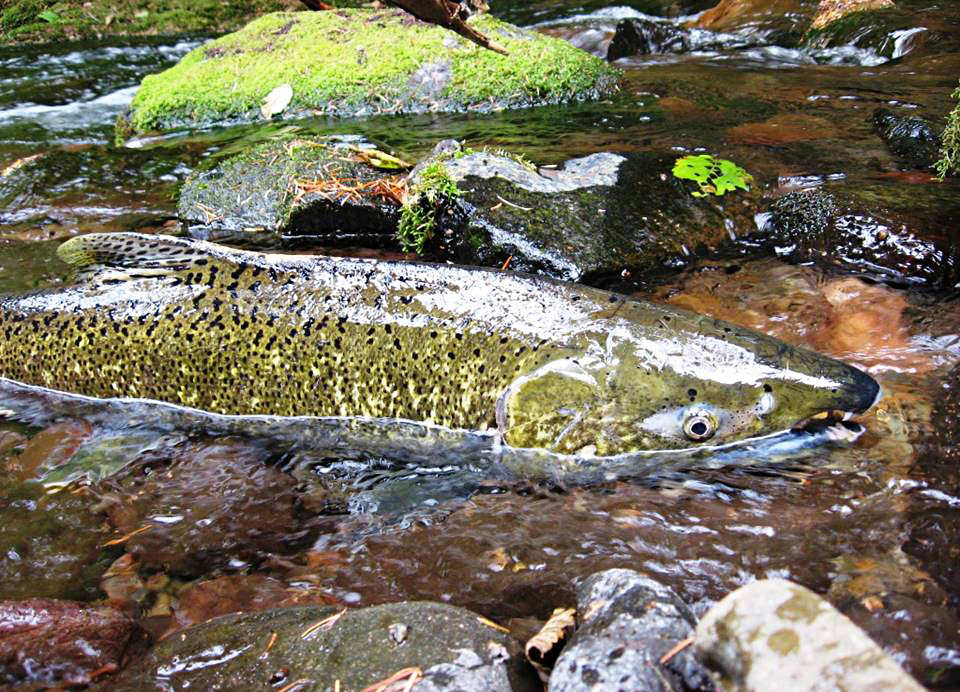
Northwest, Southwest Fisheries Science Centers Get $27 Million For New Science, Research To Advance Pacific Salmon Recovery
February 2nd, 2024
The Department of Commerce and NOAA has announced plans for $27 million to recover threatened and endangered Pacific salmon in the face of climate change.
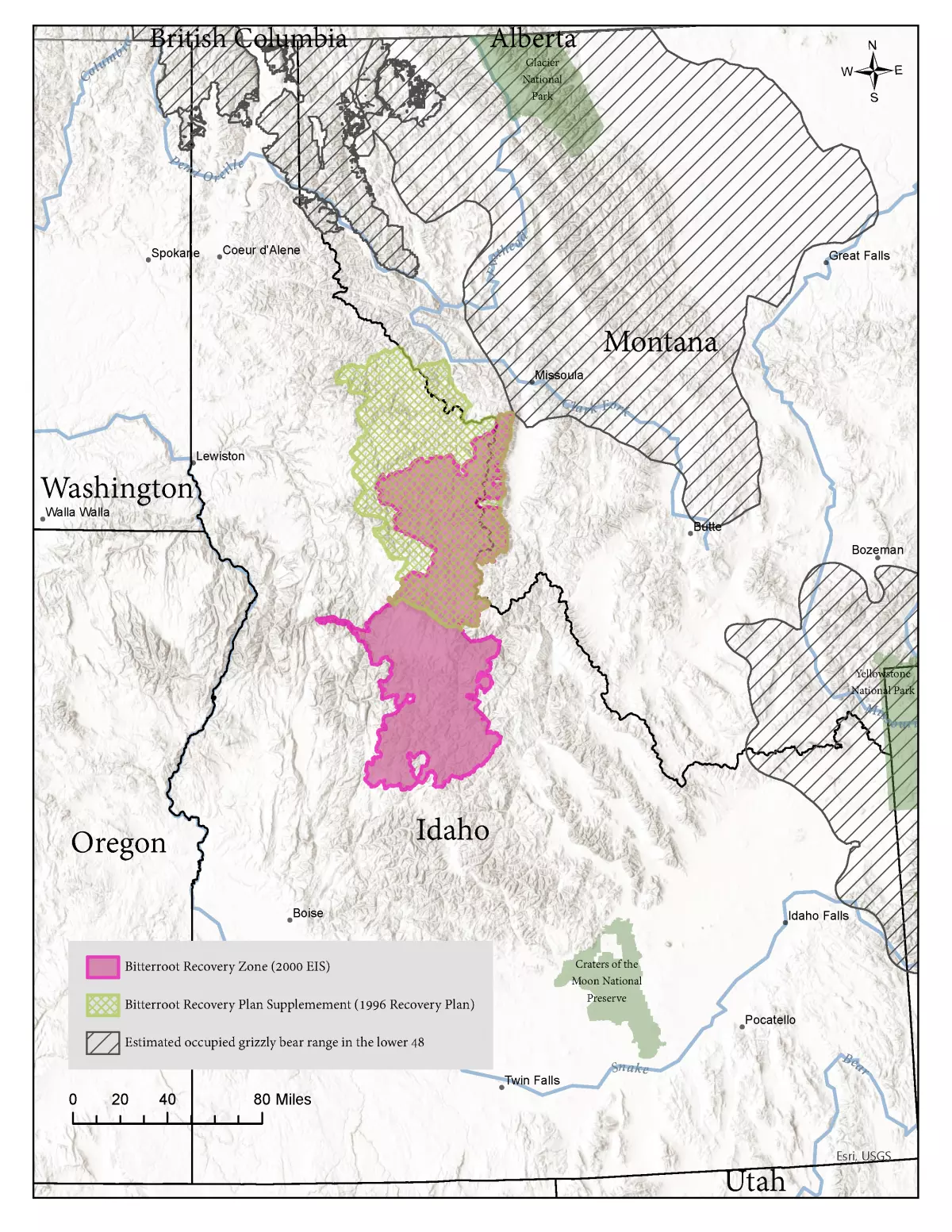
Griz In The Bitterroots? USFWS Initiates Scoping Period To Evaluate Restoration Of Grizzly Bears In Montana-Idaho Bitterroot Ecosystem
February 2nd, 2024
The U.S. Fish and Wildlife Service announced a public scoping period to consider options for restoring grizzly bears to the Bitterroot ecosystem.
Salmon Becoming ‘Thiamine Deficient’; Researchers Find Hope In Thiamine Compounds Found In Salmon Spawning Rivers
January 18th, 2024
Oregon State University researchers have discovered vitamin B1 produced by microbes in rivers, findings that may offer hope for vitamin-deficient salmon populations.

For First Time, Crews At Ashland Watercraft Inspection Site Find Invasive Quagga Mussels; Pontoon Boat From Lake Mead
January 18th, 2024
Oregon Department of Fish and Wildlife staff at the Ashland Boat Inspection Station found quagga mussels on a pontoon boat that was being transported from Lake Mead, Nev., into Oregon on Jan. 4.
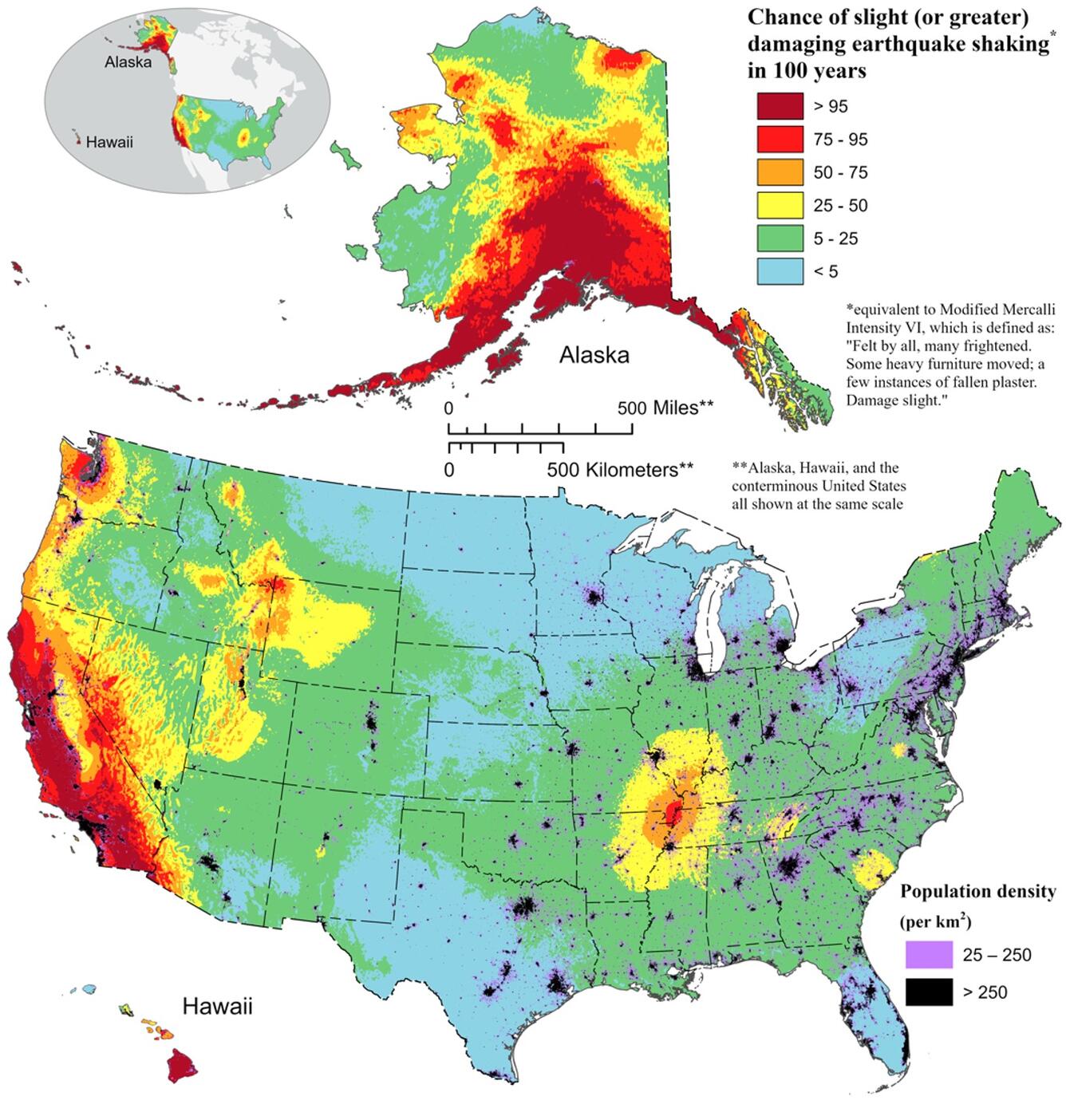
New USGS Report Shows 75 Percent Of U.S. Could Experience Damaging Earthquake Shaking In Coming Years
January 18th, 2024
Nearly 75 percent of the U.S. could experience damaging earthquake shaking, according to a recent U.S. Geological Survey-led team of over scientists and engineers.

ODFW Director Melcher Retiring In April, Recruitment Process Underway
January 18th, 2024
Curt Melcher, the Oregon Department of Fish and Wildlife’s Director since 2014, has announced he is retiring effective April 1, 2024.

Oregon Commission Says Revised Wolf Plan Not Needed; Staff To Focus On Wolf-Livestock Conflict, High Illegal Take Rate
January 5th, 2024
The Oregon Fish and Wildlife Commission, at a workshop last month, determined that revision of the Wolf Plan was not needed at this time, while directing staff to focus on addressing key challenges including wolf-livestock conflict, reducing illegal take, and population monitoring.
$86 Million Announced For British Columbia Salmon Restoration Projects, Part Of Canada’s Pacific Salmon Restoration Strategy
January 5th, 2024
Last month, the Canadian Minister of Fisheries, Oceans, and the Canadian Coast Guard, Diane Lebouthillier, and the British Columbia Minister of Water, Land and Resource Stewardship, Nathan Cullen, announced $86,119,340 for 58 projects receiving funding under the second phase of the British Columbia Salmon Restoration and Innovation Fund (BCSRIF).
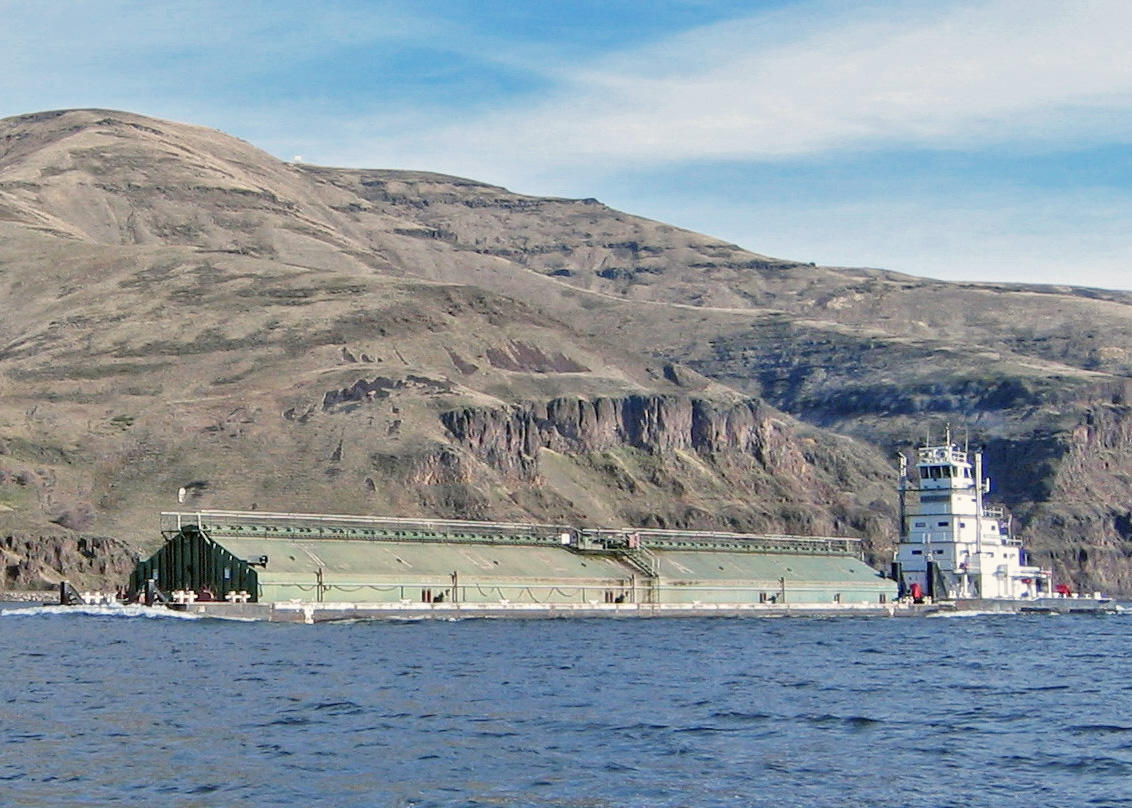
D.C. Subcommittee Hearing: NW GOP Lawmakers Complain About Confidential (Leaked) Draft Salmon Settlement Talks
December 13th, 2023
Biden administration officials bound by court-ordered confidentiality declined to participate in a congressional oversight hearing Tuesday focused on a leaked draft settlement of the long-running salmon and dams litigation in the Columbia River basin.
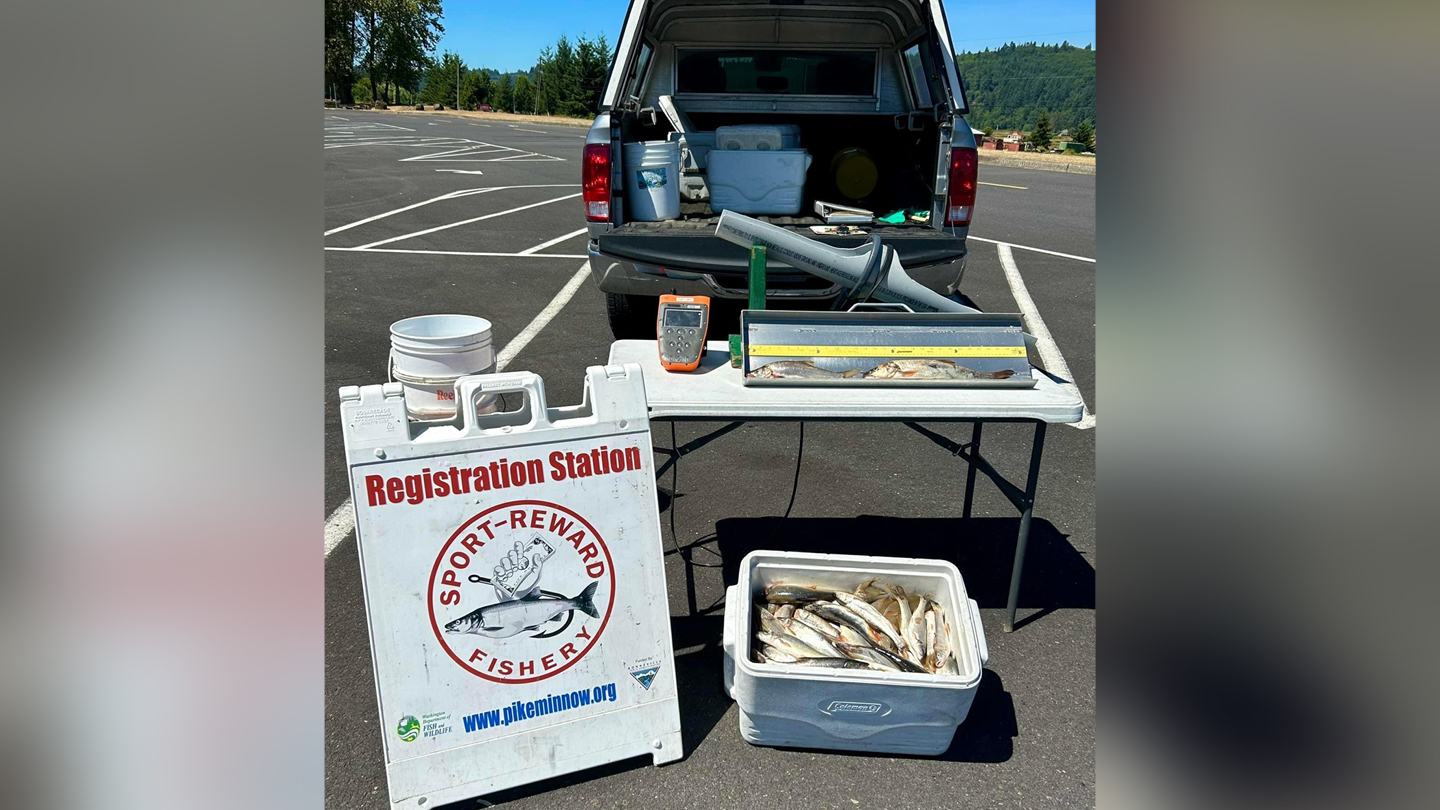
Hard-Working Angler Nets $107,800 For Pulling Northern Pikeminnow Out Of Columbia River Under Reward Program
December 13th, 2023
The final winner in the Northern Pikeminnow Sport Reward Fishery Program this year received a whopping $107,800 for their efforts to catch the aggressive predator of juvenile salmon and steelhead. Even the second-place angler received nearly $100,000 in winnings with a total catch of 9,786 pikeminnow.
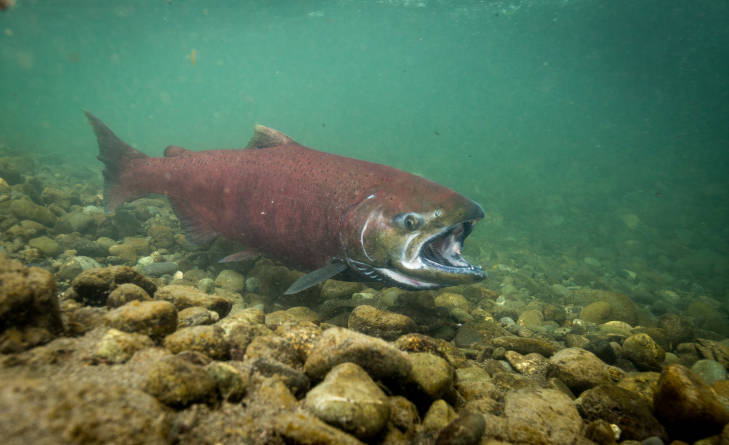
NOAA Fisheries Finds ESA-Listing For Washington Coast Chinook May Be Warranted; Status Review Initiated
December 13th, 2023
In response to a petition by the Center for Biological Diversity and Pacific Rivers, the National Marine Fisheries Service has made an initial finding that Endangered Species Act protections may be warranted for Washington coast Chinook salmon. The agency will initiate a status review for Washington coast spring-run and fall-run salmon populations.
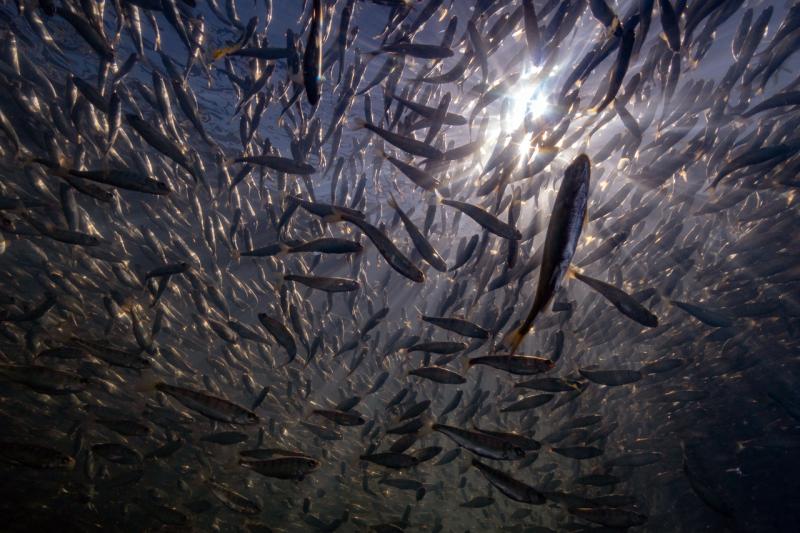
NOAA Opens Application Process For $106 Million In Funding For Projects Under Pacific Coastal Salmon Recovery Fund
December 13th, 2023
NOAA this month announced the availability of up to $106 million in funding through the Pacific Coastal Salmon Recovery Fund for Pacific salmon and steelhead recovery and conservation projects. This funding — which includes funding from the Infrastructure Law — will support state and tribal salmon restoration projects and activities to protect, conserve and restore these fish populations and their habitats.
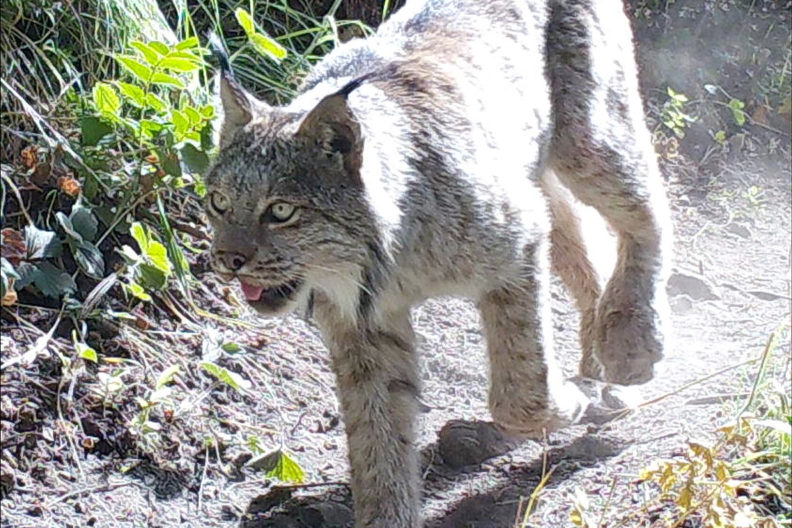
USFWS Seeking Comment On Draft Recovery Plan For ESA-Listed Canada Lynx, Includes Upper Columbia Basin
December 13th, 2023
The U.S. Fish and Wildlife Service is seeking public input on a draft recovery plan for the lower 48 distinct population segment of Canada lynx, informed by an updated species status assessment.
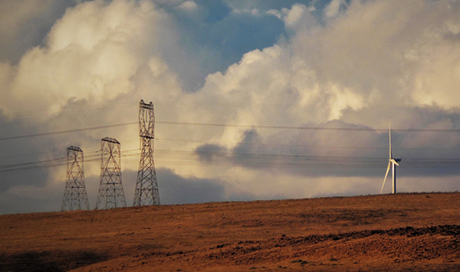
BPA Says Fourth Quarter Boosted 2023 Revenues Beyond Forecasts, Intends To “Accelerate Fish And Wildlife Mitigation’
November 30th, 2023
The Bonneville Power Administration says it ended fiscal year 2023 on solid financial footing, exceeding expectations of previous quarterly forecasts that indicated the agency would miss net revenues and expense targets. The agency’s annual report describes how the agency bounced back in the fourth quarter, offsetting cost pressures primarily from the 13th driest year on record.
Recreational Angler In Washington Gets 50 Days In Jail For Snagging Salmon
November 30th, 2023
A Pacific County judge has sentenced a recreational fisherman to 50 days in jail, fined him $1,500, and imposed a five-year fishing license suspension for repeat salmon snagging violations, the Washington Department of Fish and Wildlife announced.
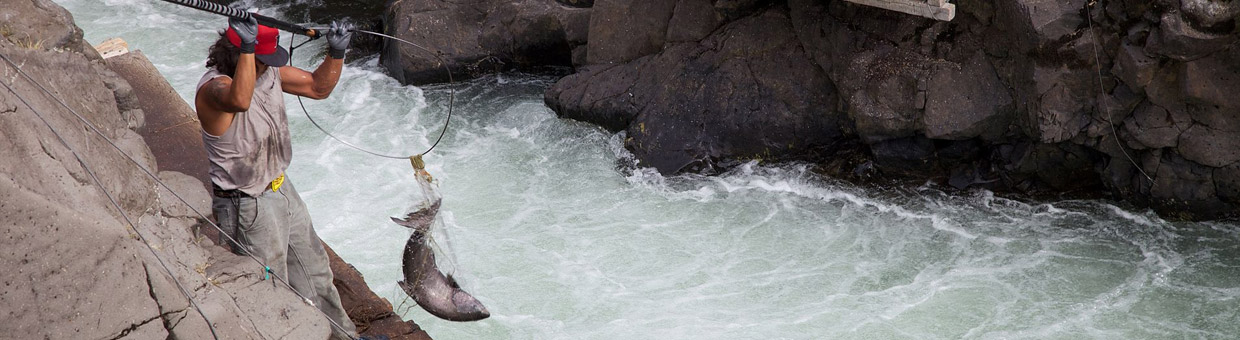
Guest Column: Northwest Tribes Demand Action For Salmon And Orca Restoration
November 30th, 2023
More than 15 Northwest Tribal Nations gathered in early November to share stories about salmon, orca, water, and the land — and to demand the federal government uphold Tribal treaty obligations to recover and restore salmon in the Snake River and Columbia River Basin.
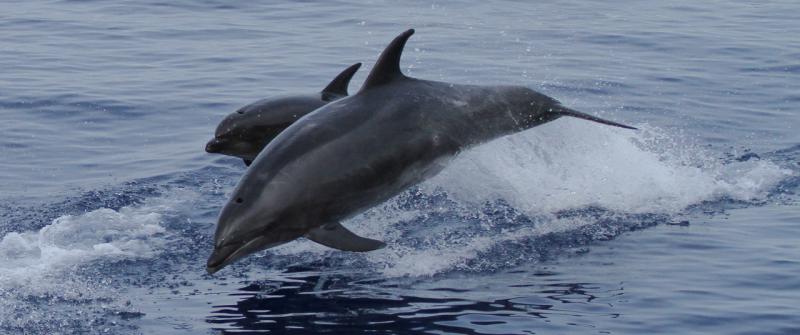
Dolphin Calves End Up With More Toxins Than Nursing Mothers; Raises Concerns About Southern Resident Killer Whales (Dolphins)
November 16th, 2023
When bottlenose dolphins nurse their young, they transfer toxic pollutants such as polychlorinated biphenyls (PCBs) and DDT to their calves through their milk. New research shows that the calves end up with higher concentrations of the toxins than their mothers.
Administration Announces New Funding For Columbia River Basin Mitchell Act Hatcheries
November 3rd, 2023
The Biden Administration says $60 million will be available for NOAA Fisheries to invest in upgrades identified as tribal priorities for Columbia River Basin hatchery facilities that produce Pacific salmon through the Mitchell Act.
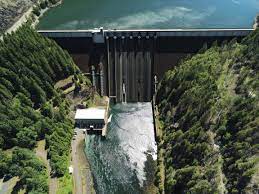
Corps Seeks Public Comment For Willamette Valley Hydropower Report To Congress: Is Hydro Necessary?
November 3rd, 2023
The Portland District of the U.S. Army Corps of Engineers will gather the public’s perspective and opinions on the future of hydropower across the Corps’ Willamette Valley system of dams during three listening sessions – one in-person and two virtual.
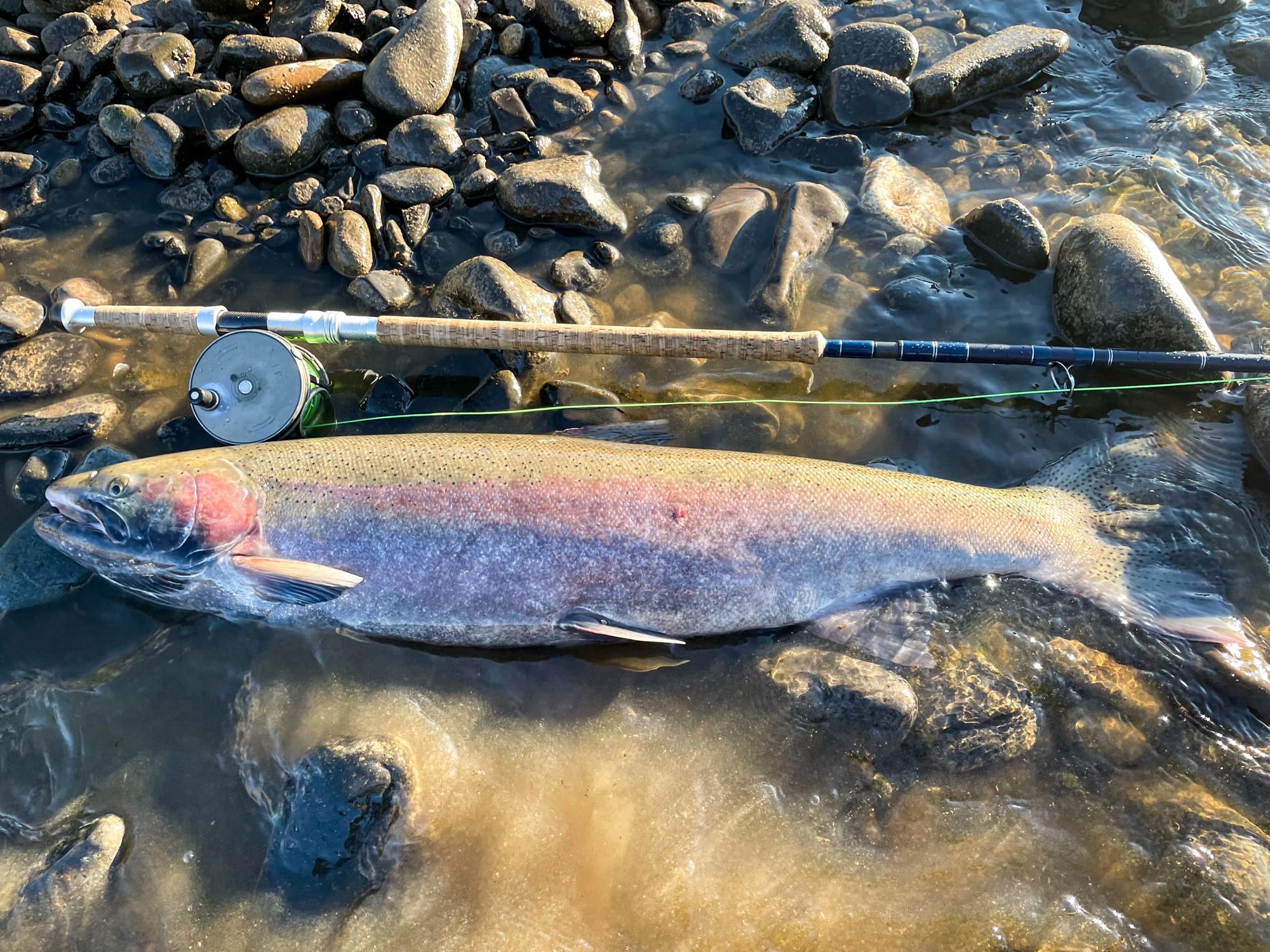
Idaho Fly Fisherman Lands 41-Inch Clearwater River Steelhead, New Catch-Release State Record
November 3rd, 2023
In the early morning of October 6th, Kyriacos Panayiotou of McCall waded into the cool waters of the Clearwater River, Idaho’s legendary steelhead mecca. Using a two-handed spey rod, he began searching the water, hoping a steelhead would grab the fly.
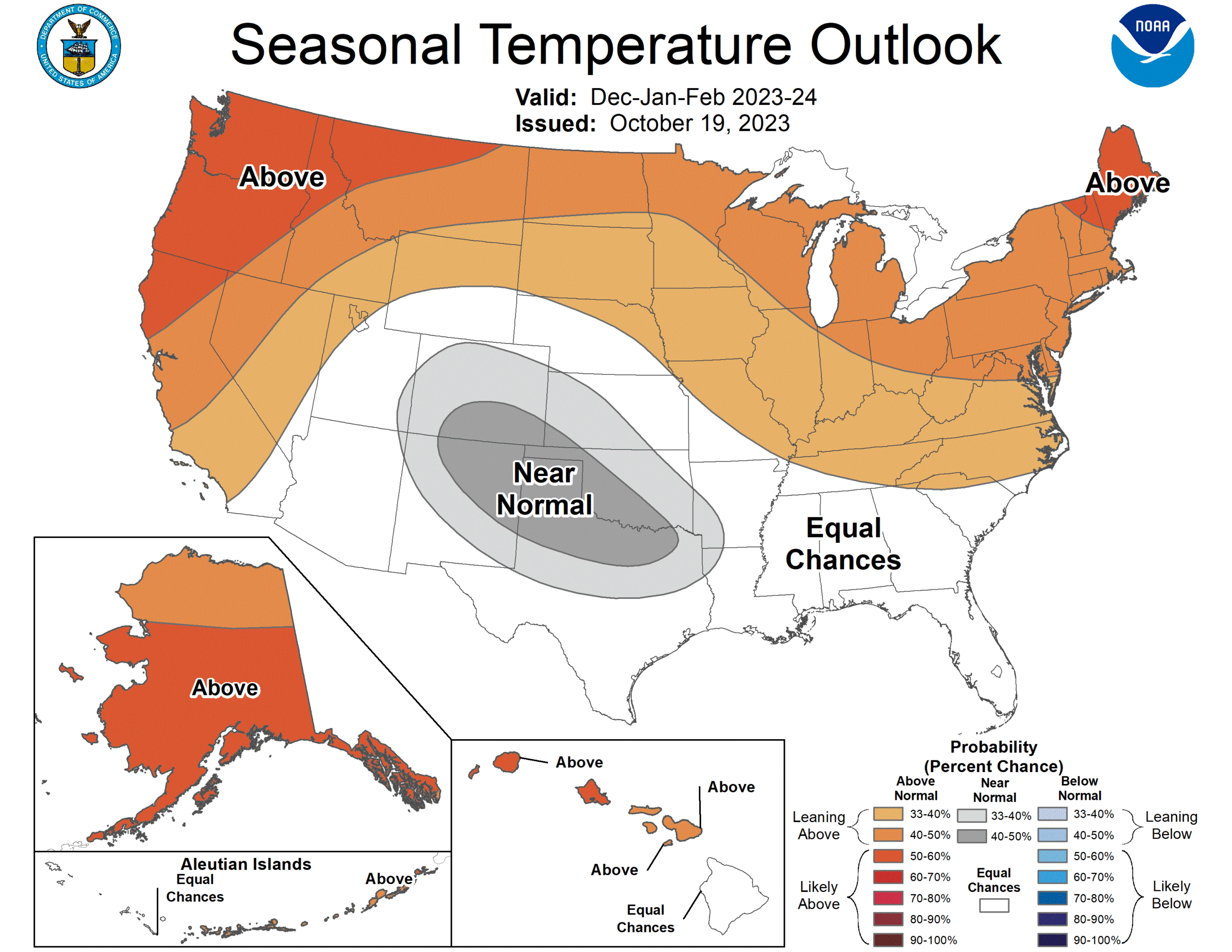
El Nino In Place For Winter First Time In Four Years, Drier Than Average Across Northern Tier
October 26th, 2023
This year, El Nino is in place heading into winter for the first time in four years, driving the outlook for warmer-than-average temperatures for the northern tier of the continental United States, according to NOAA’s U.S. Winter Outlook released this week by the Climate Prediction Center — a division of the National Weather Service.
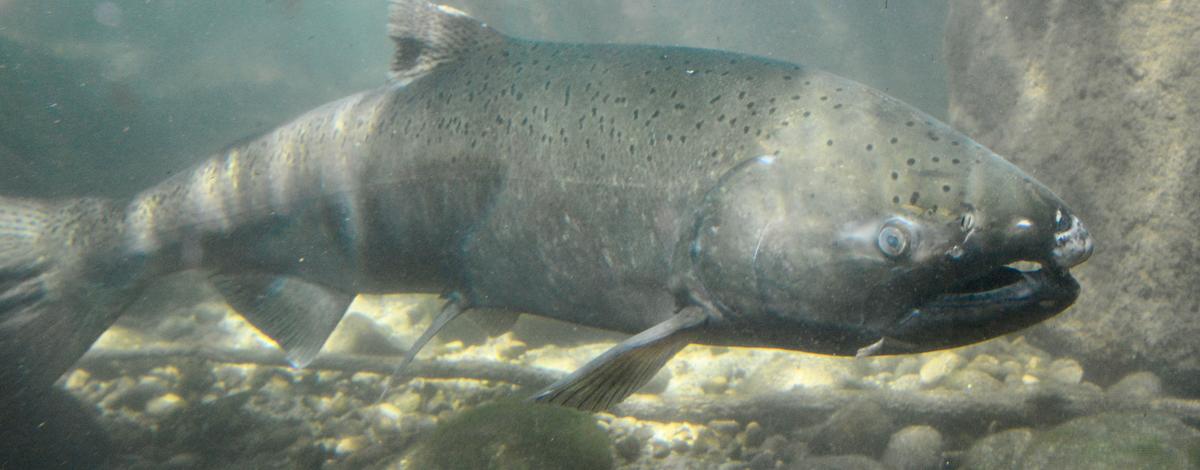
Conservation Groups Say Very Low Return Of Wild Spring Chinook To Southern Oregon Coastal River Shows Need For ESA Listing
October 26th, 2023
The Oregon Department of Fish and Wildlife’s recent count of spring-run Chinook salmon returning to the South Umpqua River showed just 17 wild adult fish detected during snorkel surveys. This dismal return is 12% of the 10-year average of 139 fish returning to the river and “signals an urgent need for federal Endangered Species Act protections,” says the Center for Biological Diversity.
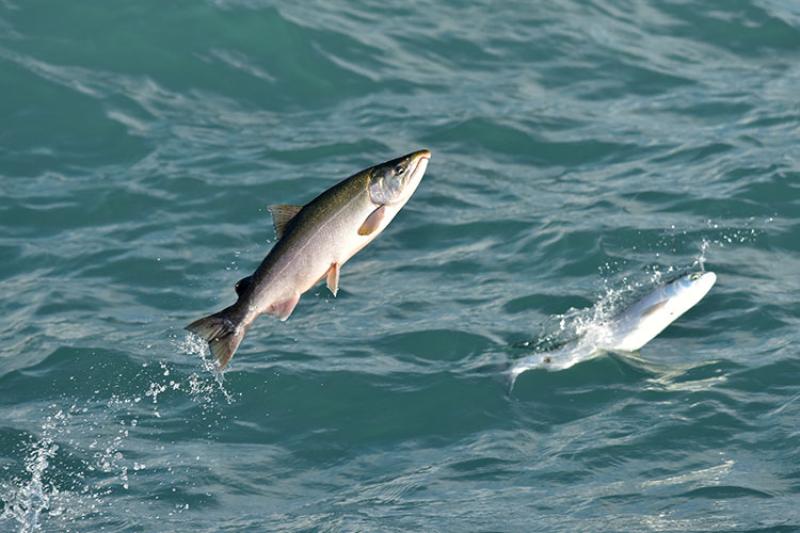
Milestone: NOAA Says Snohomish Coho 50th Fish Stock Rebuilt Under Magnuson-Stevens Act
October 26th, 2023
NOAA Fisheries says the agency and its fishery management partners reached a major milestone this summer – the rebuilding of a 50th fish stock. The Snohomish coho salmon stock was declared overfished in 2018 and has now rebuilt to its sustainable level.
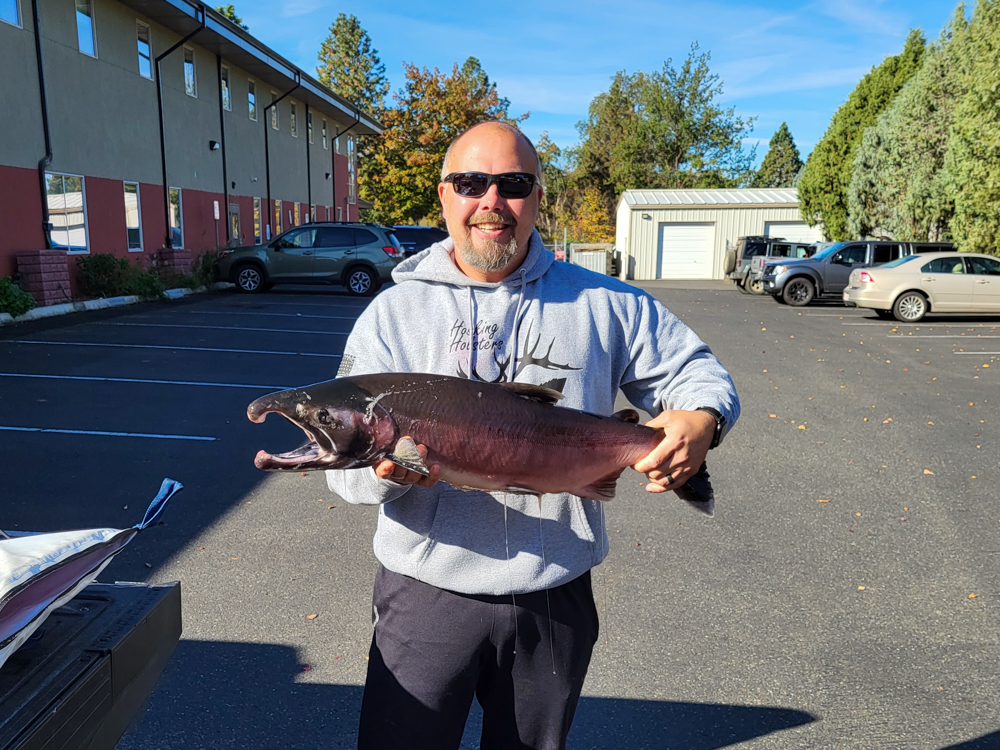
Colossal Coho Caught In Clearwater River, 11.78 Pounds A New State Record
October 26th, 2023
Matt Hosking of Lewiston, Idaho caught a colossal coho in the Clearwater River in on October 13th, setting a new state record for coho salmon.
Despite Dry Conditions, High Market Prices, BPA Makes 2023 Treasury Payment Of $1.02 Billion
October 12th, 2023
On Oct. 3, the Bonneville Power Administration made its annual payment to the U.S. Department of the Treasury for the 40th consecutive year on time and in full, bringing cumulative payments to approximately $34.6 billion over this period. The total payment for fiscal year 2023 was $1.02 billion.
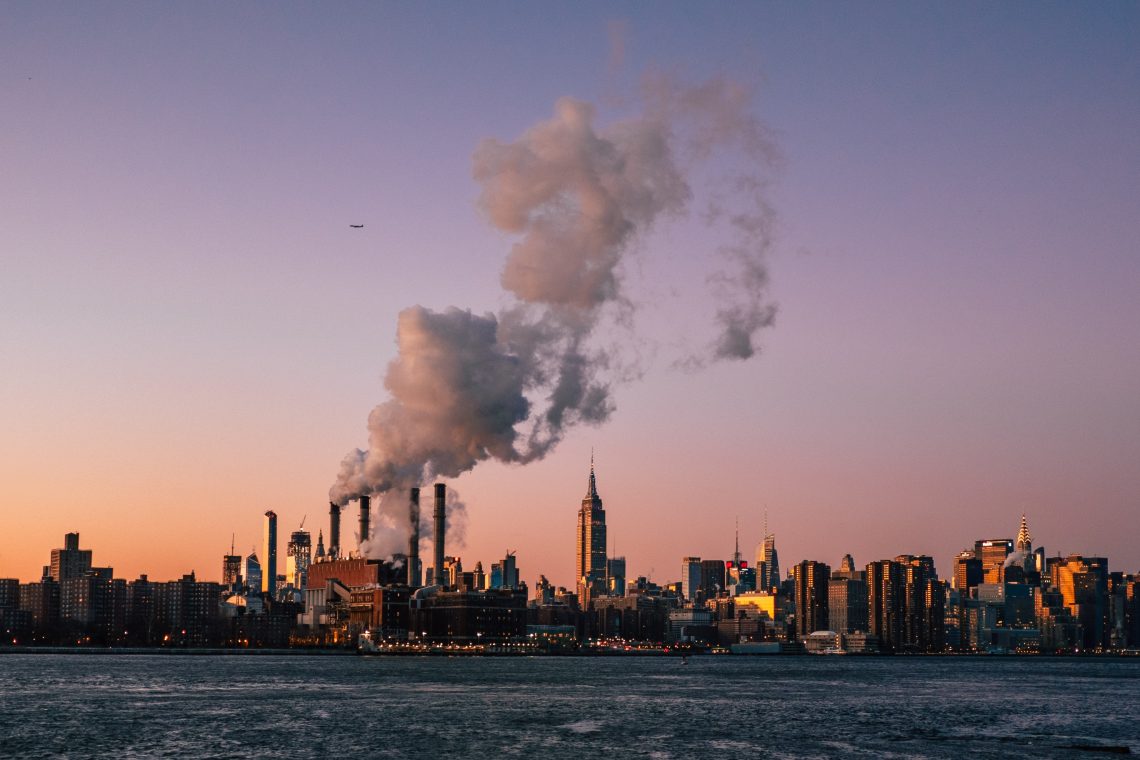
How to Slow Global Warming? Researchers Focus On Removing Carbon Dioxide, Dial Down Non-CO2 Emissions; Halting Deforestation
October 12th, 2023
With the 2023 United Nations Climate Change Conference just a few weeks away, countries will soon take stock of their progress in the worldwide effort to slow and adapt to global warming. Better known as COP28, the conference offers the chance for countries to meet and coordinate their climate-mitigating pledges, like achieving carbon neutrality by 2050 or peak emissions by 2030.

National Science Foundation Grants $220 Million To UW, OSU, Others To Continue Ocean Observatories Initiative; Measure Climate Change Impacts
September 28th, 2023
The U.S. National Science Foundation has awarded a coalition of academic and oceanographic research organizations including Oregon State University a five-year, $220 million cooperative agreement to continue operating and maintaining the Ocean Observatories Initiative.

GUEST COLUMN: A Rebuttal To Dam Breaching, We Can Have Fish And Dams
September 28th, 2023
This is what we believe is wrong with the dam breaching concept. There were far more fish that returned in the first 15 years of the 21st century than ever did in the 20th century, fully 25 years after construction of the last dam on the lower Snake River. That is the case for both steelhead and spring and summer chinook.

ODFW Distributing Salmon Carcasses In Willamette Valley Rivers For Stream Nutrient Enhancement, Keep Dogs Away
September 15th, 2023
If you live or recreate close to a river or stream in the Willamette Valley, you might come across salmon carcasses or see Oregon Department Fish and Wildlife staff and volunteers slinging carcasses into the water during September and October.

Avian Influenza Found For First Time In West Coast Marine Mammals; Three Puget Sound Adult Harbor Seals Stricken, Stranded
September 15th, 2023
The U.S. Department of Agriculture’s National Veterinary Services Laboratories has confirmed that three adult harbor seals in Puget Sound have tested positive for the Highly Pathogenic Avian Influenza H5N1 strain. The seals stranded on Marrowstone Island on August 18 and 25. This confirms initial testing by the Washington Animal Disease Diagnostic Laboratory, which indicated the presence of H5N1 in these seals. No seal pups have tested positive.

NOAA Announces $24 Million To Research Ways To Remove Carbon Dioxide From Ocean
September 15th, 2023
The Department of Commerce and NOAA announced $24 million for projects that will address climate change by researching marine carbon dioxide removal strategies, with $14 million going toward 10 projects that examine how effectively and safely strategies like enhancing ocean alkalinity or sinking seaweed remove carbon from the atmosphere.
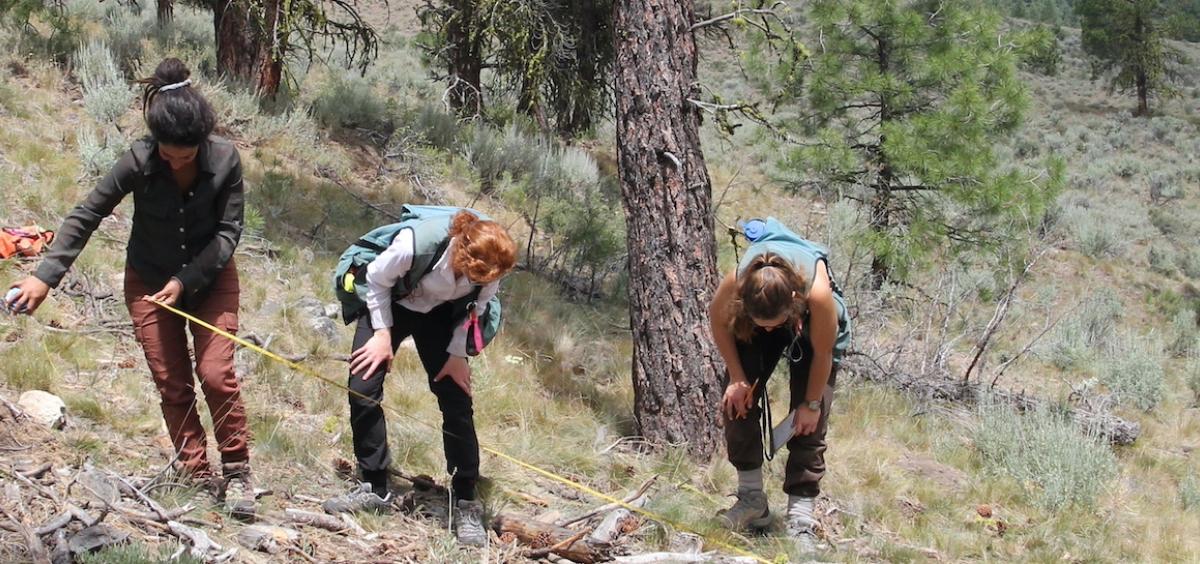
Study Of Eastern Oregon Forest Shows How Thinning Enhances Older Trees, Restores Ecological Functions
September 7th, 2023
Forest thinning is improving the robustness of older trees and enhancing native biodiversity on federal lands in eastern Oregon, evidence that collaborative efforts to restore forests are working, research by Oregon State University shows.

Disagreement Over Willamette Falls: Grand Ronde Tribes’ Agreement With Oregon Could Launch Litigation
August 23rd, 2023
At the Aug. 4 meeting of the Oregon Department of Fish and Wildlife, not an empty seat could be found. Members of tribes in Oregon, Washington and Idaho filled the 150 chairs set out at the department headquarters in Salem. Dozens more crowded around the edges of the room.
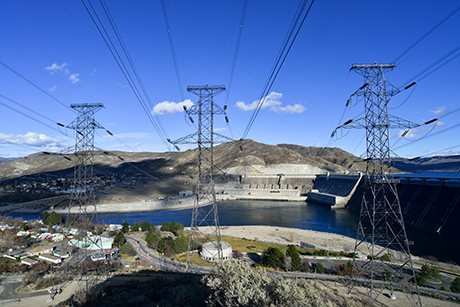
Dry, Cold Expensive Winter Has BPA Showing $382 Million In Negative Revenue At End Of Third Quarter
August 23rd, 2023
The effects of a dry, cold winter and higher-than-expected supplemental power purchase expenses continue to weigh on the Bonneville Power Administration’s finances three-quarters of the way through the fiscal year. Agency net revenue is now forecast to be negative $382 million, which is $56 million below this year’s performance target.
New California Wolf Pack In Sequoia National Forest, 200 Miles From Nearest Pack Farther North, Adult Female Descendant Of OR7
August 23rd, 2023
California has a new gray wolf pack in Tulare County, says the California Department of Fish and Wildlife. This is the Golden State’s southernmost pack and it is at least 200 air miles from the nearest known pack in northeastern California.
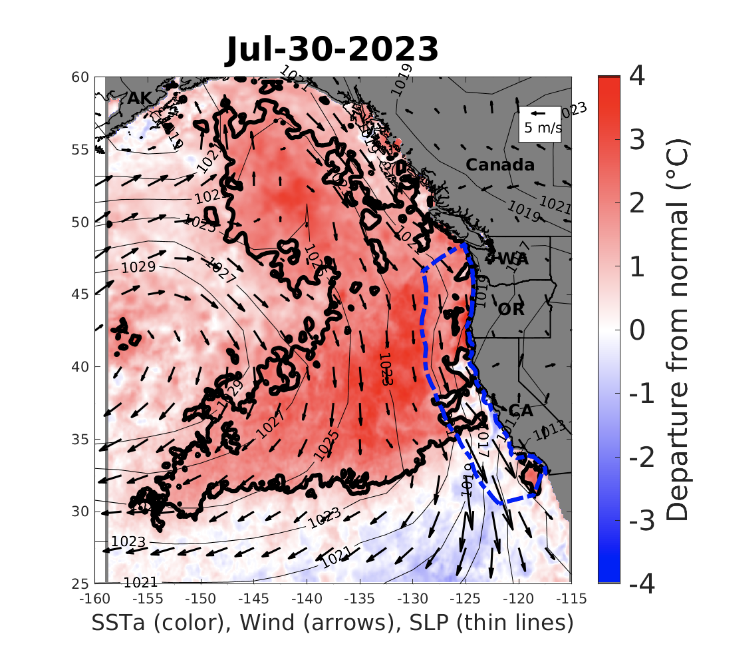
Large Marine Heatwave Reaches Northwest Coast, NOAA Tracking Impacts To Marine Life
August 10th, 2023
A large marine heatwave that developed offshore has reached the coast of Oregon and Washington. It increases the potential for harmful algal blooms and other impacts on the coastal ecosystem and marine life in the coming weeks and months.

WDFW Seeks Comment On Status Review For Northern Spotted Owl; Likelihood Of Extinction Has Increased
August 10th, 2023
The Washington Department of Fish and Wildlife is seeking public input on a draft periodic status review for northern spotted owl that includes a recommendation to keep the owl on the state’s endangered species list. The public comment period is open from Aug. 1 through Oct. 29.
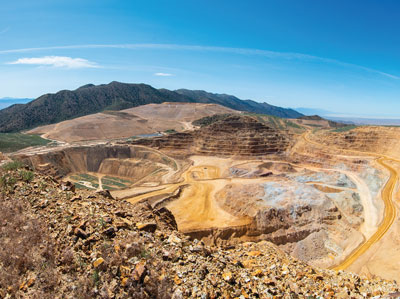
Mining For EVs: Paper Details Potential Harm To Native Communities Without Updated Regulations, More Consultation
August 10th, 2023
Conditions are ripe for an accelerated transition to electric vehicle use in the United States. The Biden-Harris administration has set a target that 50 percent of newly purchased cars in 2030 be electric. In addition, the Inflation Reduction Act of 2022 provides significant tax incentives for purchasing electric vehicles and for companies that produce them.
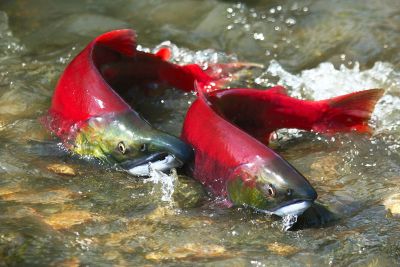
OSU Study Shows That Spending $9 Billion For Columbia Basin Salmon Recovery In 50 Years Nets No Increase In Wild Salmon, Steelhead
August 2nd, 2023
Four decades of conservation spending totaling more than $9 billion in inflation-adjusted tax dollars has failed to improve stocks of wild salmon and steelhead in the Columbia River Basin, according to Oregon State University research.
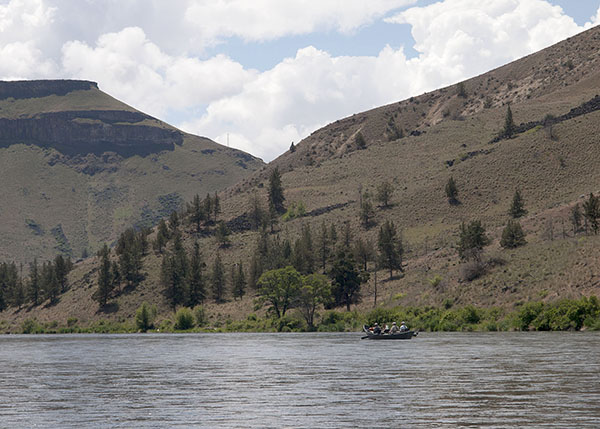
Just Enough Unmarked Summer Steelhead Have Passed Bonneville Dam To Keep Steelhead Fishing Open On The Deschutes For Now
July 27th, 2023
The popular Lower Deschutes River will remain open by permanent rule for steelhead fishing through at least Sept. 14 after meeting a key threshold in its fish management framework.
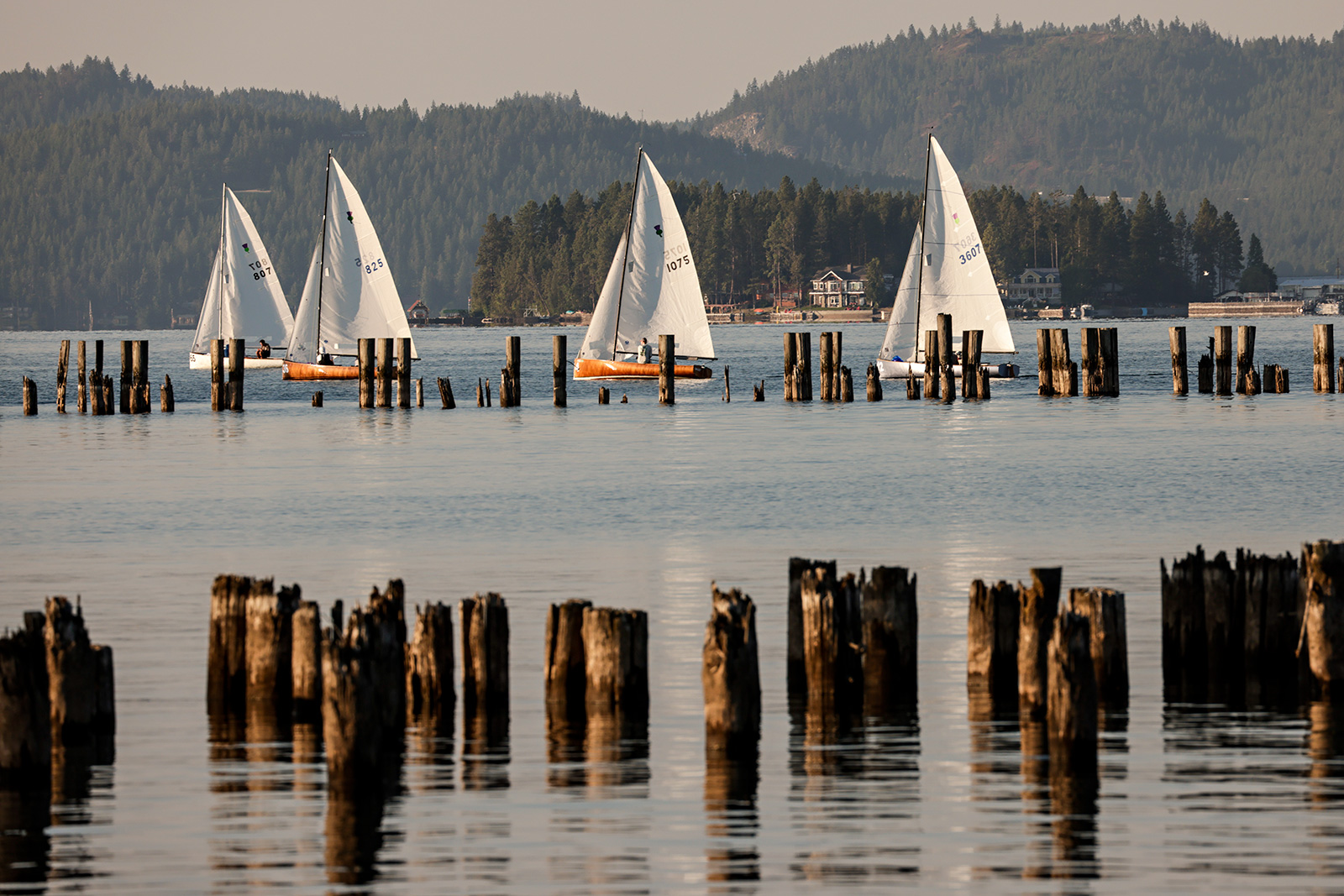
Montana Lawmakers Get Lowdown On Flathead Lake Levels; Dire Scenario, No Relief In Sight
July 27th, 2023
Last year, the Flathead Watershed and its five tributaries were so choked with snowmelt and spring moisture that Flathead Lake overfilled naturally for the first time since 1964, when historic floods devastated local communities and reset the record books. This year, dam operators responsible for controlling the outflow of Flathead Lake began refilling the basin a full six weeks early, desperately trying to capture the region’s scant mountain runoff as forecasts showed lake levels dropping to historic lows.
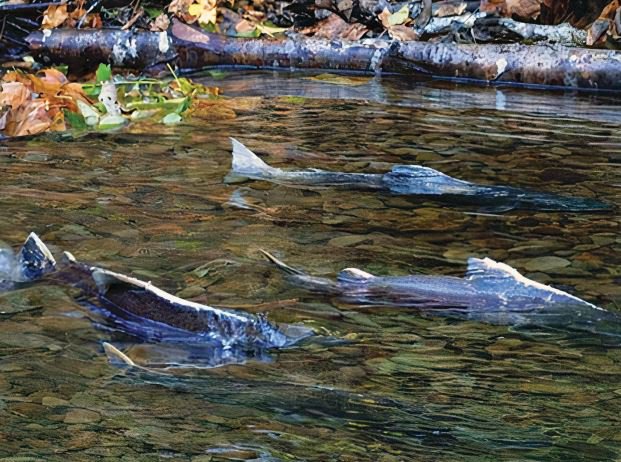
Northeast Oregon Study Indicates Hatchery Fish Can Successfully Contribute To Salmon Reintroduction Efforts, Increase Naturally Reproducing Populations
July 27th, 2023
In the Columbia River Basin, where dramatic and extensive alterations to habitat for fish and wildlife have occurred, the Columbia Basin Partnership Taskforce estimated that 35% of historical populations of anadromous salmon and steelhead have been extirpated.

USFWS Finalizes ESA Rule To Allow Reintroduction Of Listed Species Outside Historical Ranges When Habitat Become Unsuitable
July 13th, 2023
The Department of the Interior has announced significant action to better facilitate species recovery by providing more flexibility for the introduction of threatened and endangered species to suitable habitats outside their historical ranges.
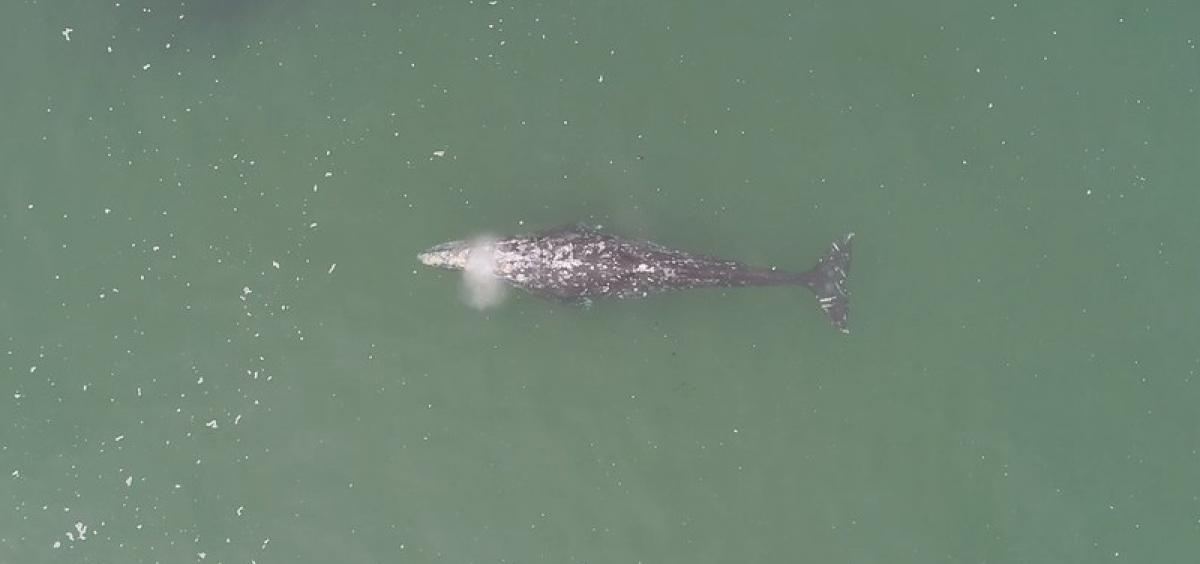
Scary Numbers: Oregon Gray Whale Poop-Prey Research Shows Extent Microplastics Polluting Our Waters, Marine Life (Fish)
June 29th, 2023
Oregon State University researchers estimate that gray whales feeding off the Oregon Coast consume up to 21 million microparticles per day, a finding informed in part by poop from the whales.
Biden Administration Proposes New Rules To Strengthen ESA; Says Economic Impacts Not To Be Considered With Listing Decisions
June 21st, 2023
The U.S. Fish and Wildlife Service and NOAA Fisheries are proposing regulations the agencies say will restore protections for species, strengthen consultation and listing processes, and “reaffirm the central role science plays” in decisions that guide the protection and recovery of endangered and threatened wildlife.
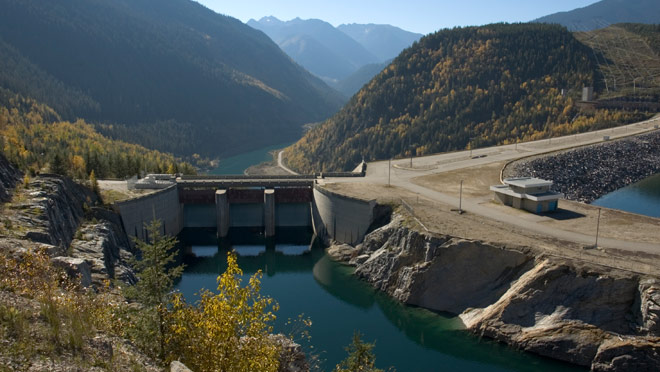
New Agreements Give Canada’s Indigenous Nations Revenue Sharing From Benefits Of Columbia River Treaty
June 16th, 2023
The Ktunaxa, Secwépemc and Syilx Okanagan Nations and their members will benefit from new interim agreements that share revenue generated from the Columbia River Treaty.
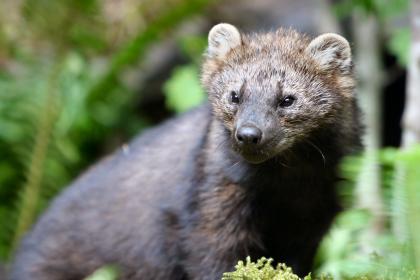
Under Legal Agreement, USFWS To Reconsider Whether To List West Coast Fisher, Rare Forest Carnivore, Under ESA
June 16th, 2023
In a settlement agreement, the U.S. Fish and Wildlife Service has agreed to reconsider whether West Coast fishers in northern California and southern Oregon warrant protection under the Endangered Species Act.
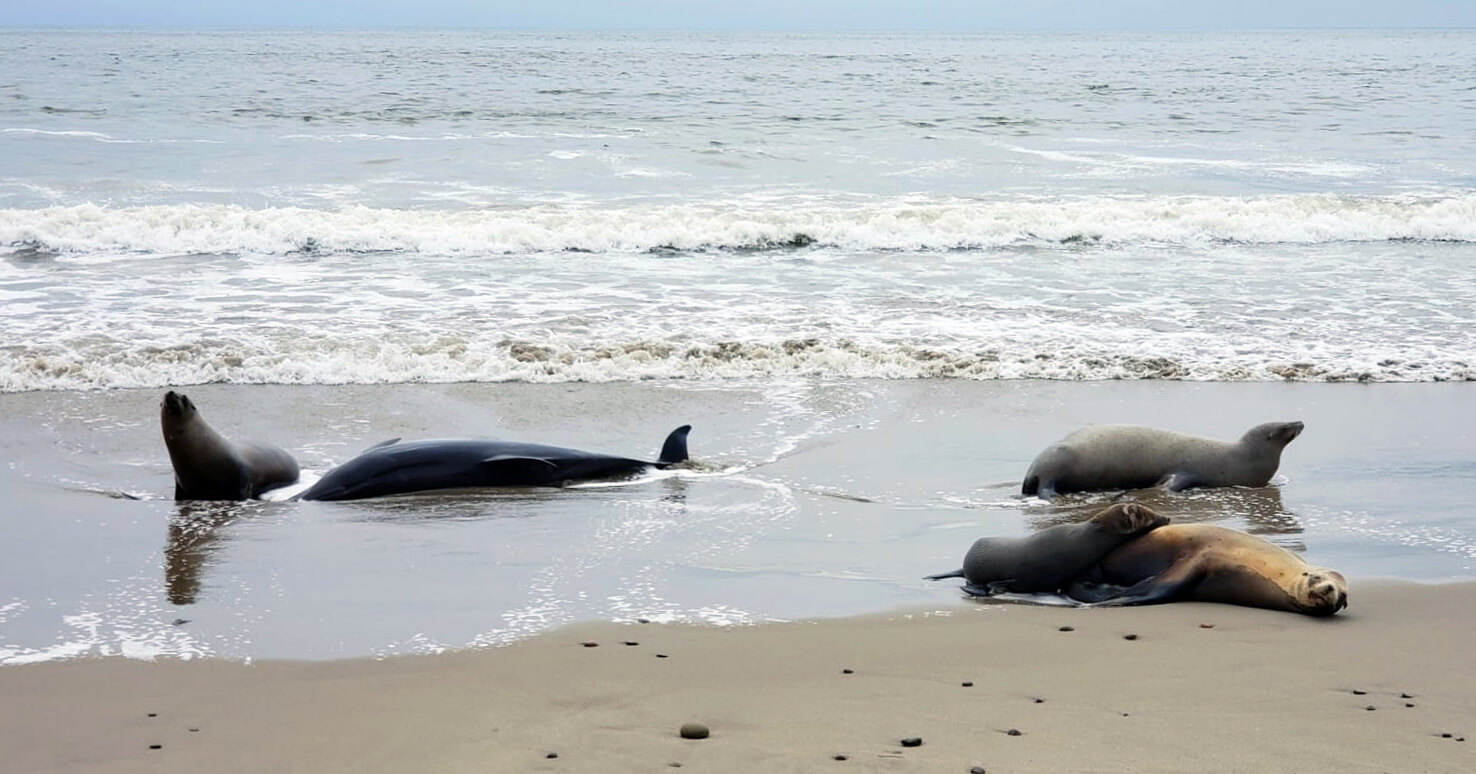
Rapid Growth Of Harmful Algae Along Southern CA Coast Killing Sea Lions, Dolphins; ‘Never Seen Anything This Intense In Terms Of Number Of Animals’
June 16th, 2023
The rapid growth of harmful algae along parts of the Southern California Coast is believed to have killed hundreds of California sea lions and close to 60 dolphins in the first weeks of June.
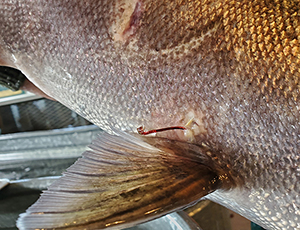
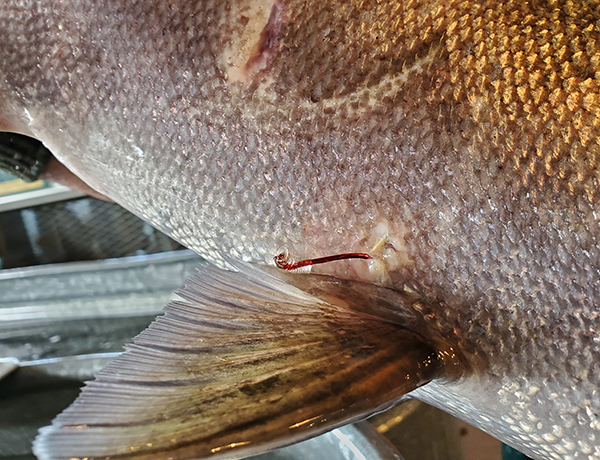
Oregon State Police Find Evidence Of Illegal Fish Snagging When Collecting Salmon, Steelhead For Hatcheries; Embedded Hooks, Sliced Fins
June 16th, 2023
Oregon State Police Fish and Wildlife Troopers discovered fish with embedded hooks, sliced fins, circular scabs, and other evidence of illegal tactics, while assisting ODFW hatchery staff during the spring salmon spawning season.
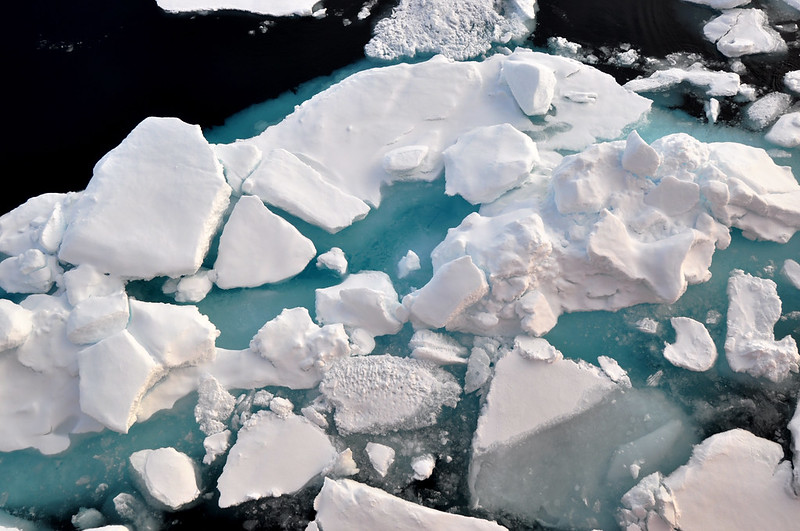
Future Fish Wars: OSU Researcher Receives DOD Grant To Study Links Between Changing Ocean Climate, Fish Movement, Geopolitical Tensions
June 8th, 2023
An Oregon State University researcher has been awarded a three-year, $1.4 million grant from the U.S. Department of Defense to lead a study about the movement of fish stocks due to changing climate conditions and the potential geopolitical tensions that could result from that shift.
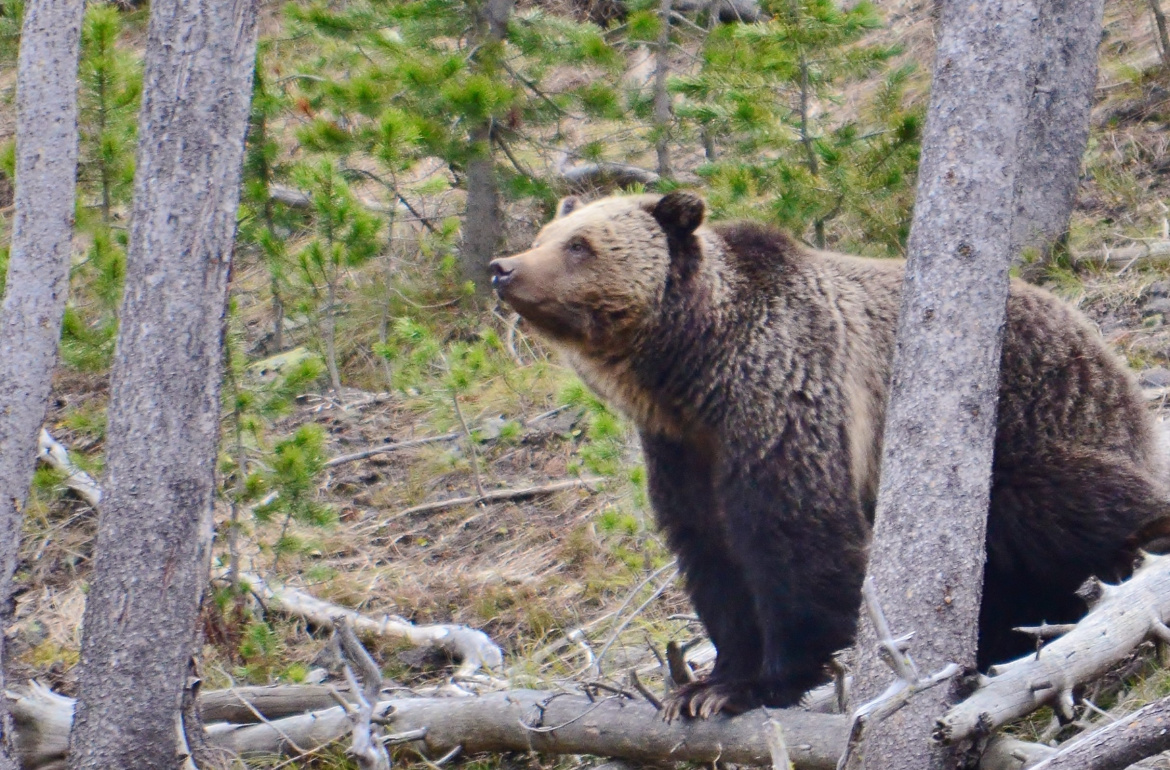
Appeals Court Rejects USFWS Authorization To Kill Grizzlies In Response To Livestock Conflict Just Outside Yellowstone
June 8th, 2023
The U.S. 10th Circuit Court of Appeals has ruled that the U.S. Fish and Wildlife Service’s authorization of the killing of up to 72 grizzly bears on public land just outside of Yellowstone National Park violated federal law.

Fisheries Manager Add More Spring Chinook Fishing Days Below Bonneville
May 25th, 2023
Fishery managers from Washington and Oregon added eleven recreational fishing days (Thursday, May 25-Sunday, June 4) to the ongoing spring Chinook fishery downstream of Bonneville Dam during a joint state hearing Wednesday.

New Children’s Book Explores Destruction Of Celilo Falls In 1957 From Child’s Perspective
May 24th, 2023
In 1957 Celilo Falls, a fishery that was pivotal to the lives of many Native Americans along the Columbia River, was lost when it was flooded and destroyed by the construction of The Dalles Dam.
Columbia River Treaty Negotiators Meet In Kelowna; Discuss Salmon Reintroduction, Flood-Risk Management
May 24th, 2023
Negotiating teams for Canada and the United States met in Kelowna, British Columbia for the 17th round of negotiations toward a modernized Columbia River Treaty.
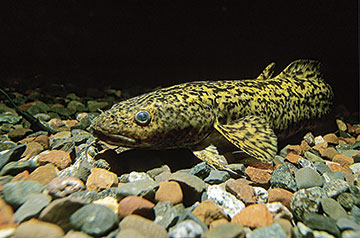
Lower Kootenay Band To Release Over One Million Burbot Into Restored Wetland In B.C.’s Creston Valley
May 18th, 2023
The Yaqan Nukiy Lower Kootenay Band will release more than one million burbot in a restored wetland in the Creston Valley this year.
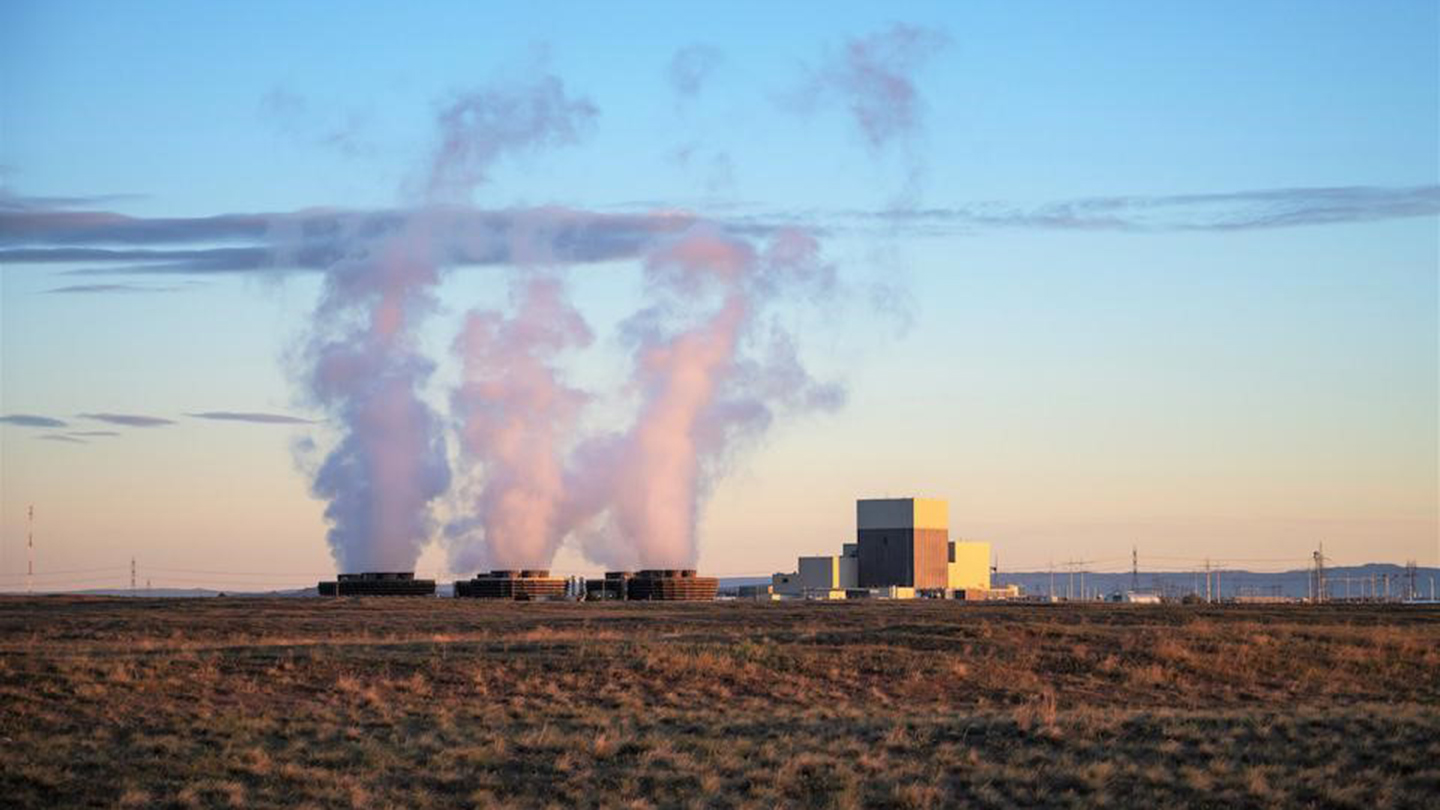
Columbia Generating Station Nuclear Plant Shutting Down This Spring For Refueling Reactor Core; Provides 13 Percent Of BPA Fuel Mix
May 18th, 2023
The Bonneville Power Administration’s Columbia Generating Station is shutting down this spring, as it does every two years, to replace about a third of the fuel from the nuclear plant’s core.
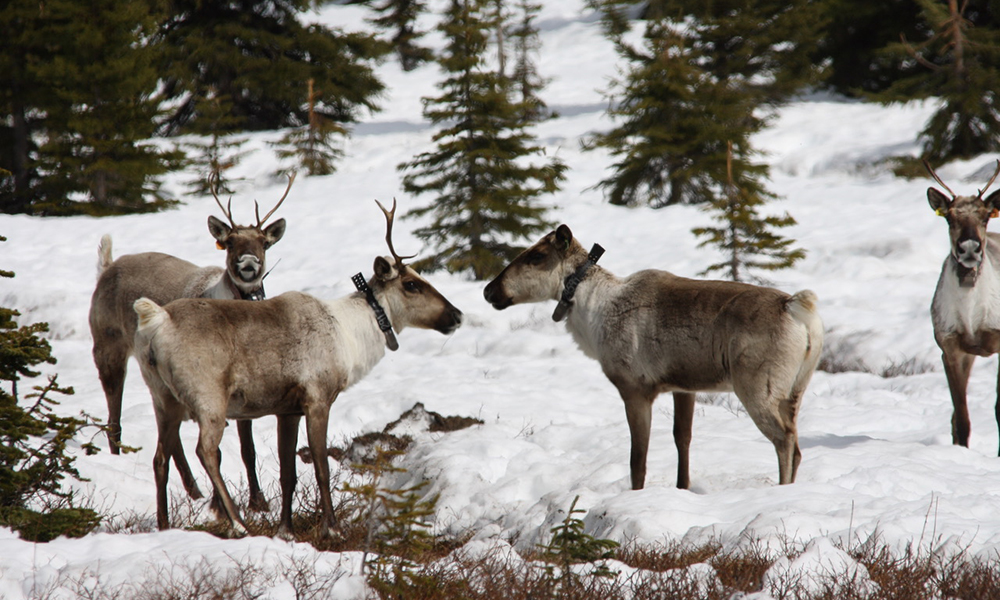
Researchers Urge Intertwining Indigenous Rights, Endangered Species Laws To Move Beyond Simply Avoiding Risk Of Extinction
May 18th, 2023
Increasing caribou populations in northeastern British Columbia demonstrate that partnerships between Indigenous and colonial governments can reverse prolonged declines, yet the emphasis must now be placed on establishing culturally significant restoration objectives, assert a collective of scholars and community members in a recent publication featured in Science this week.
Nez Perce Tribe Turning To Gill Nets, Drift Nets On Clearwater River During Spring Chinook Season To Achieve Harvest Shares; IDFG ‘Totally On Board’
May 5th, 2023
Feeling crowded out of the prime fishing spots in the Clearwater Basin, the Nez Perce Tribe will experiment with gill nets and drift nets during the spring chinook fishing season.
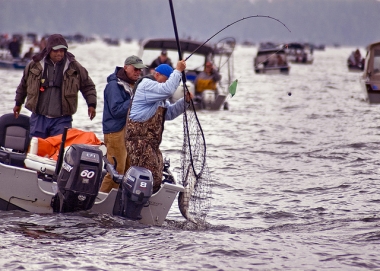
Harvest Managers Set Columbia Summer/Fall Salmon, Steelhead Seasons With Restrictions To Protect Low Numbers Of Returning Upriver Wild Steelhead
May 5th, 2023
Oregon and Washington fishery managers recently finalized seasons and regulations for 2023 Columbia River summer and fall recreational salmon and steelhead fisheries. The harvest would come amidst the potentially lowest return of upriver summer steelhead to the Columbia since 1938.

Inslee Appoints Purce To NW Power/Conservation Council, Former President Of Evergreen State College
May 4th, 2023
Washington Gov. Jay Inslee has appointed Thomas L. (Les) Purce to serve on the Northwest Power and Conservation Council.
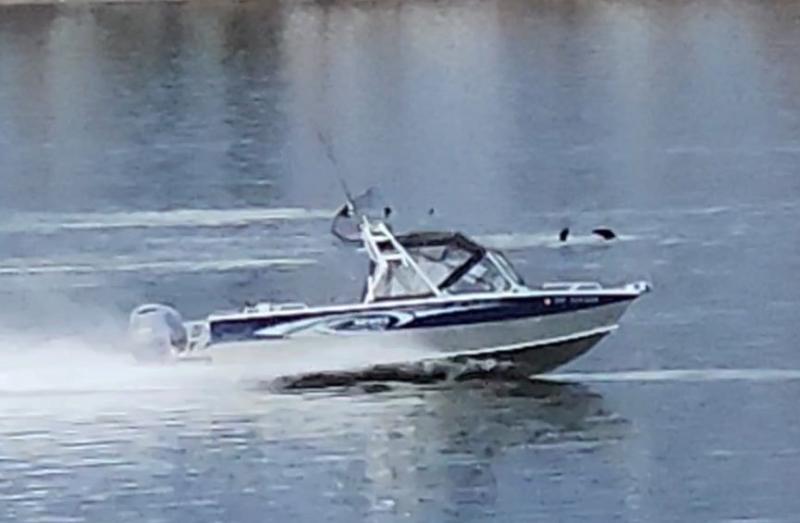
NOAA Offering Up To $20,000 Reward For Information On Boater Who Drove Through Sea Lions On Columbia River
May 4th, 2023
NOAA’s Office of Law Enforcement is offering a reward of up to $20,000 for information that leads to a civil penalty or criminal conviction of the boater observed driving through resting California sea lions in the Columbia River on April 3, 2023, near Hayden Island, Oregon.
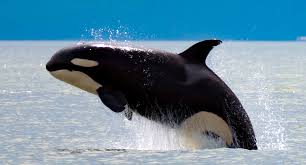
Oregon Commission Accepts Petition To Consider Listing Killer Whales Under State ESA; Orcas Forage Off Coast, Columbia River Mouth
April 26th, 2023
The Oregon Fish and Wildlife Commission accepted a petition to list the Southern Resident killer whale Distinct Population Segment as endangered under the Oregon Endangered Species Act.
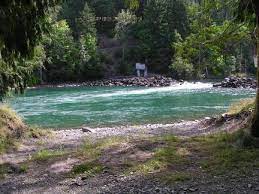
Enough Coho Returning To Elwha River For Tribe To Hold Ceremonial Subsistence Fishery; Dams Removed 9 Years Ago
April 26th, 2023
The Lower Elwha Klallam Tribe, Olympic National Park, and the Washington Department of Fish and Wildlife announced that the Tribal Ceremonial and Subsistence fishery for coho salmon on the Elwha River will be open for a limited time during fall 2023. Additionally, the Tribe, ONP, and WDFW agreed to extend the closure of other recreational and commercial fisheries in the Elwha River for another year.
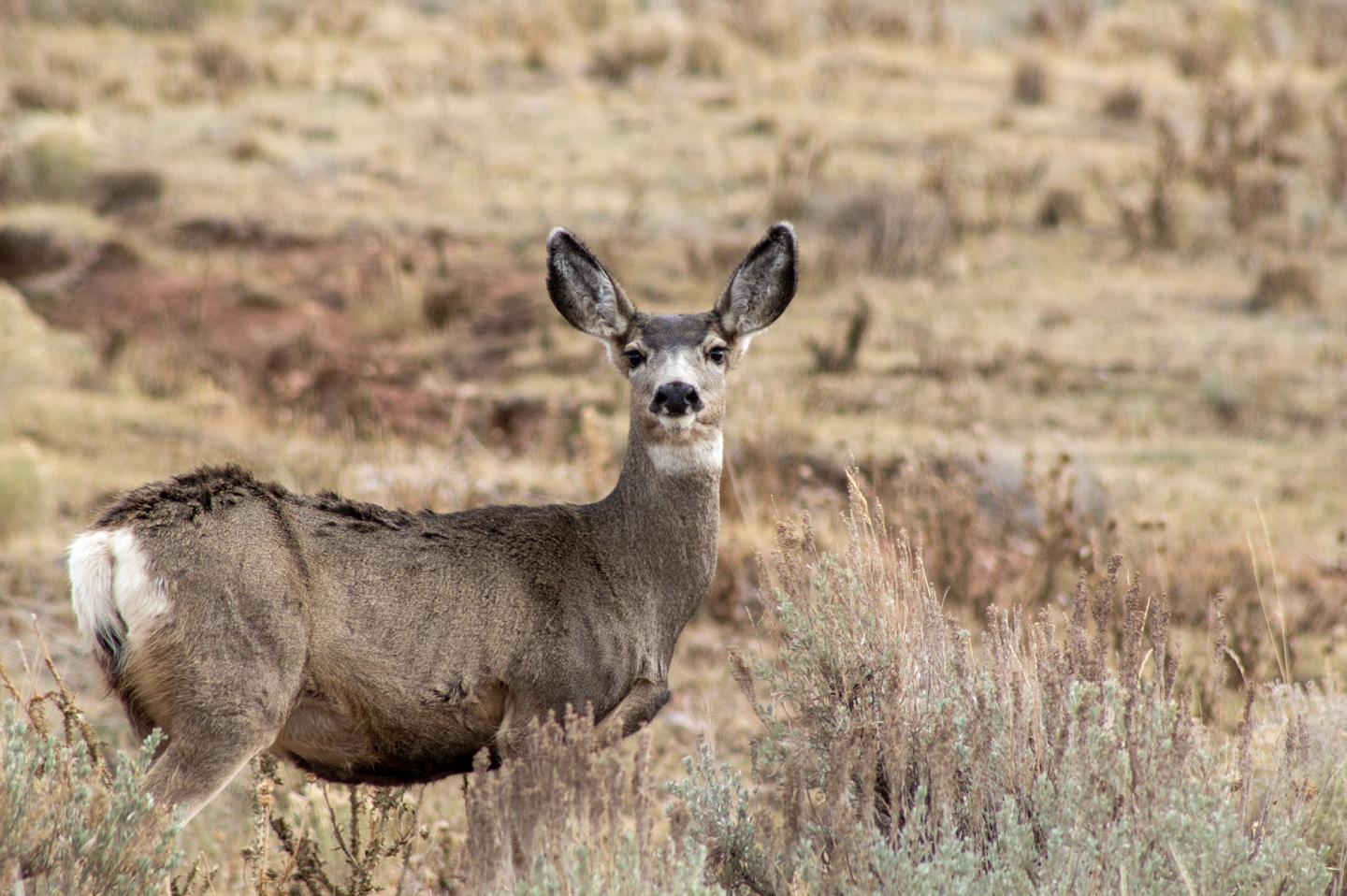
COVID Detected For First Time In Free-Ranging California Wildlife; Mule Deer Showed No Outward Signs Of Illness
April 26th, 2023
One hunter-harvested mule deer, a buck from El Dorado County, was confirmed to be infected with SARS-CoV-2. The deer was harvested in 2021 and sampled by the California Department of Fish and Wildlife for chronic wasting disease surveillance. It was negative for CWD and did not show any outward signs of illness.

Monster Bull Trout Caught/Released In Oregon’s Lake Billy Chinook Likely State Record
April 20th, 2023
Earlier this month, Ryan Mejaski and Joe Wilhite were fishing for kokanee on the Deschutes arm of central Oregon’s Lake Billy Chinook without much luck when they decided to move spots. After casting into a group of small kokanee that were jumping to the surface, his secret lure sank to about five feet when he got a big strike that took off screaming.
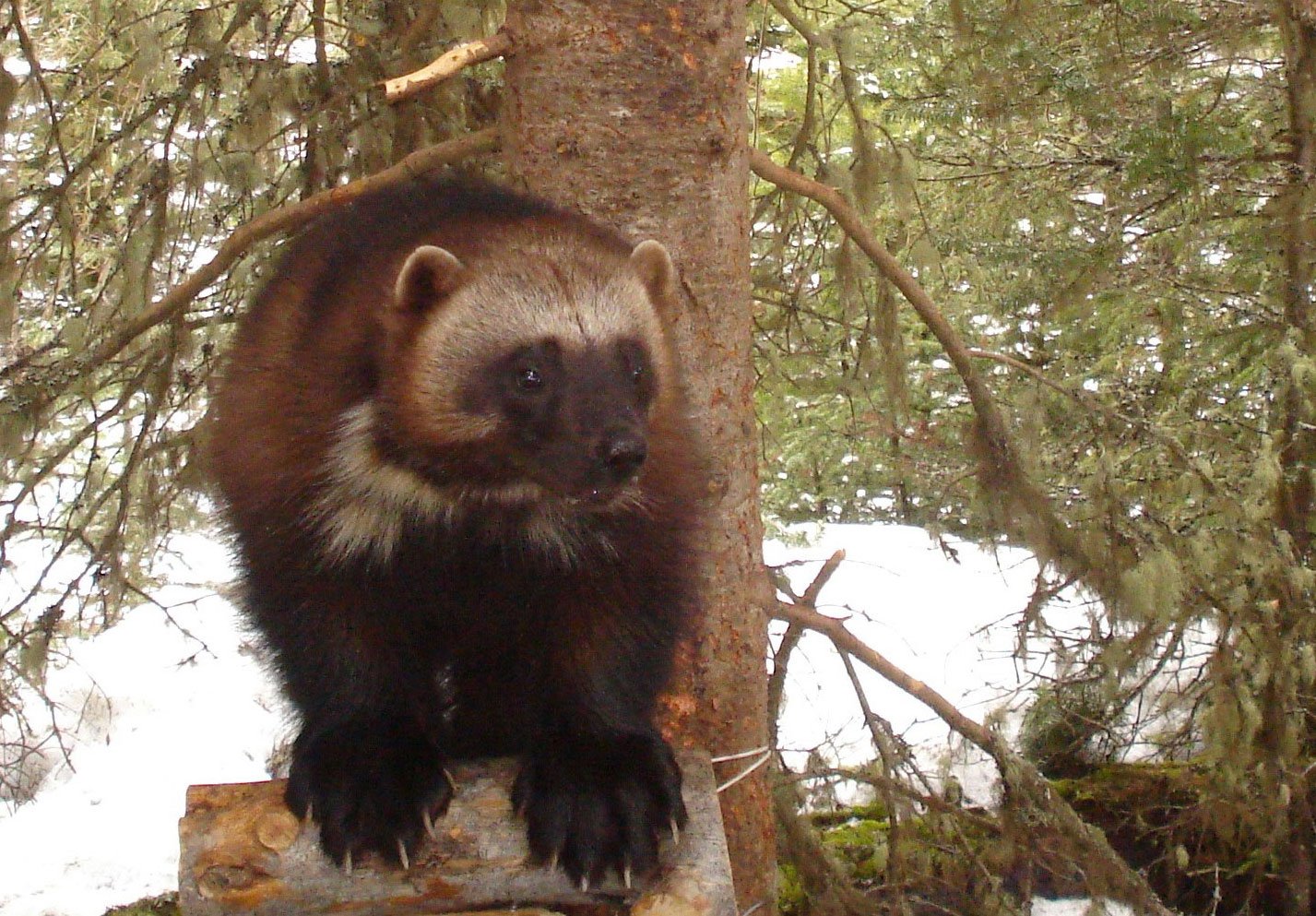
Another Sighting: Wolverine Filmed Crossing Highway 20 In Oregon Cascades, Tracks Confirmed
April 20th, 2023
Video of a wolverine crossing Hwy 20 east of Santiam Pass on April 6 was confirmed by the Oregon Department of Fish and Wildlife. ODFW Deschutes District staff confirmed tracks near the video location on the day of the sighting.
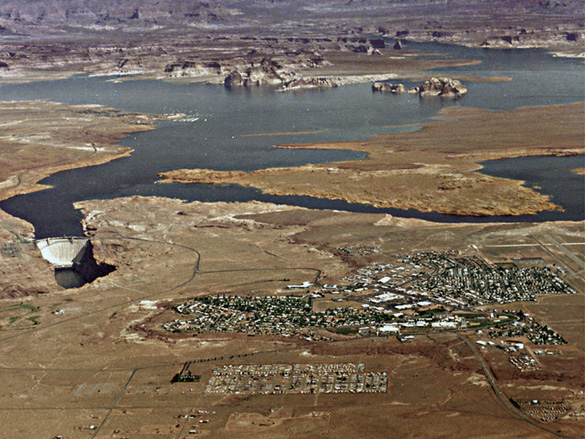
Bureau’s Draft SEIS Offers Alternatives On How To Deal With Water Shortages At Lake Mead, Glen Canyon; Protect Hydro Operations
April 14th, 2023
To address the continued potential for low run-off conditions and unprecedented water shortages in the Colorado River Basin, the Bureau of Reclamation this week released a draft Supplemental Environmental Impact Statement to potentially revise the current interim operating guidelines for the near-term operation of Glen Canyon and Hoover Dams.

Klamath River Renewal: Work Underway On Nation’s Largest Dam Removal, River Restoration Project
April 14th, 2023
Work has officially begun on removing the four dams that comprise the Lower Klamath Hydropower Project.

Measuring Non-Market Values: Oregon Launching ‘Subjective Well-Being Study’ Quantifying Perceived Benefits Of Marine Reserves
April 14th, 2023
Oregon’s Marine Reserves Program will take part in a groundbreaking new study designed to estimate how Oregonians assign value to the reserves beyond traditional economic impacts.

NOAA Names Jennifer Quan As New Regional Administrator For West Coast Region
April 7th, 2023
Jennifer Quan is the new Regional Administrator for NOAA Fisheries West Coast Region. She will assume her new duties on April 23, 2023.
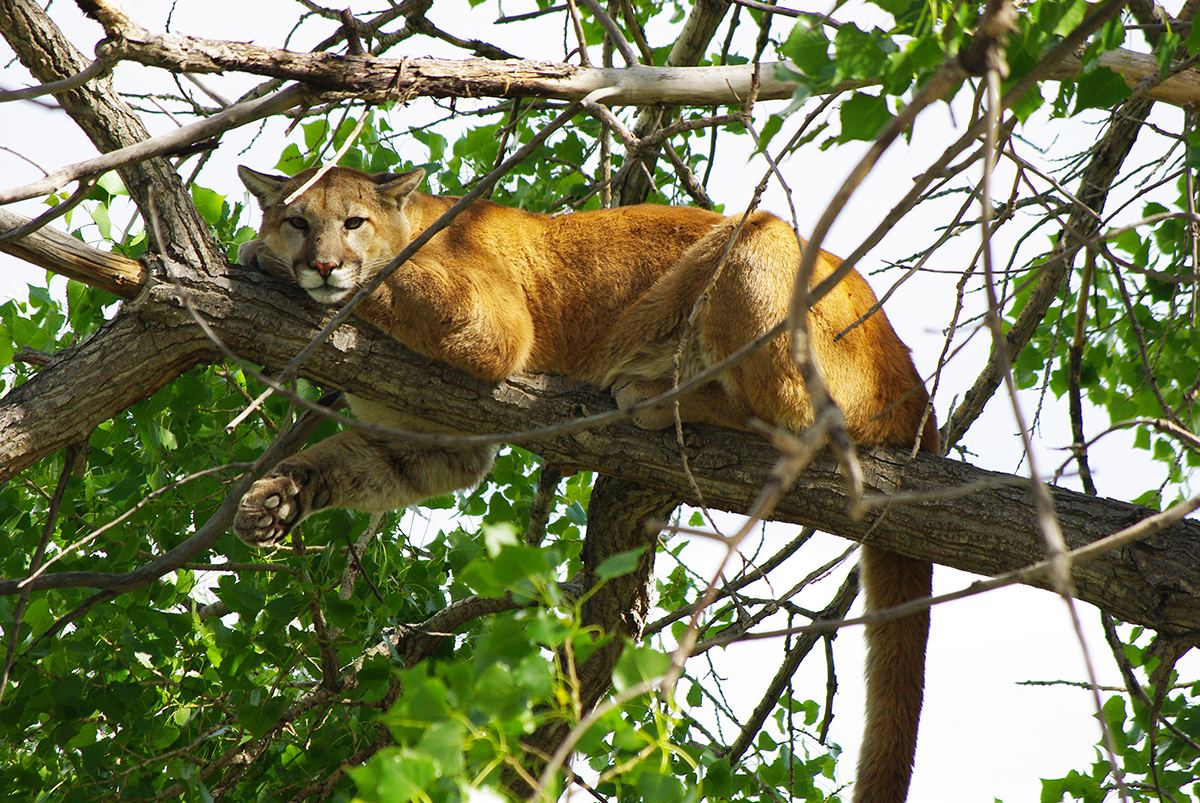
Avian Influenza Suspected To Be Cause Of Death In California Mountain Lions
April 7th, 2023
The Eurasian strain of highly pathogenic avian influenza (HPAI H5N1) was detected in two mountain lions in Mono County in December 2022 and January 2023, according to wildlife health experts with the California Department of Fish and Wildlife. While additional disease testing is being conducted to rule out the possibility of co-infections, HPAI H5N1 is suspected to be the cause of the death for both mountain lions.
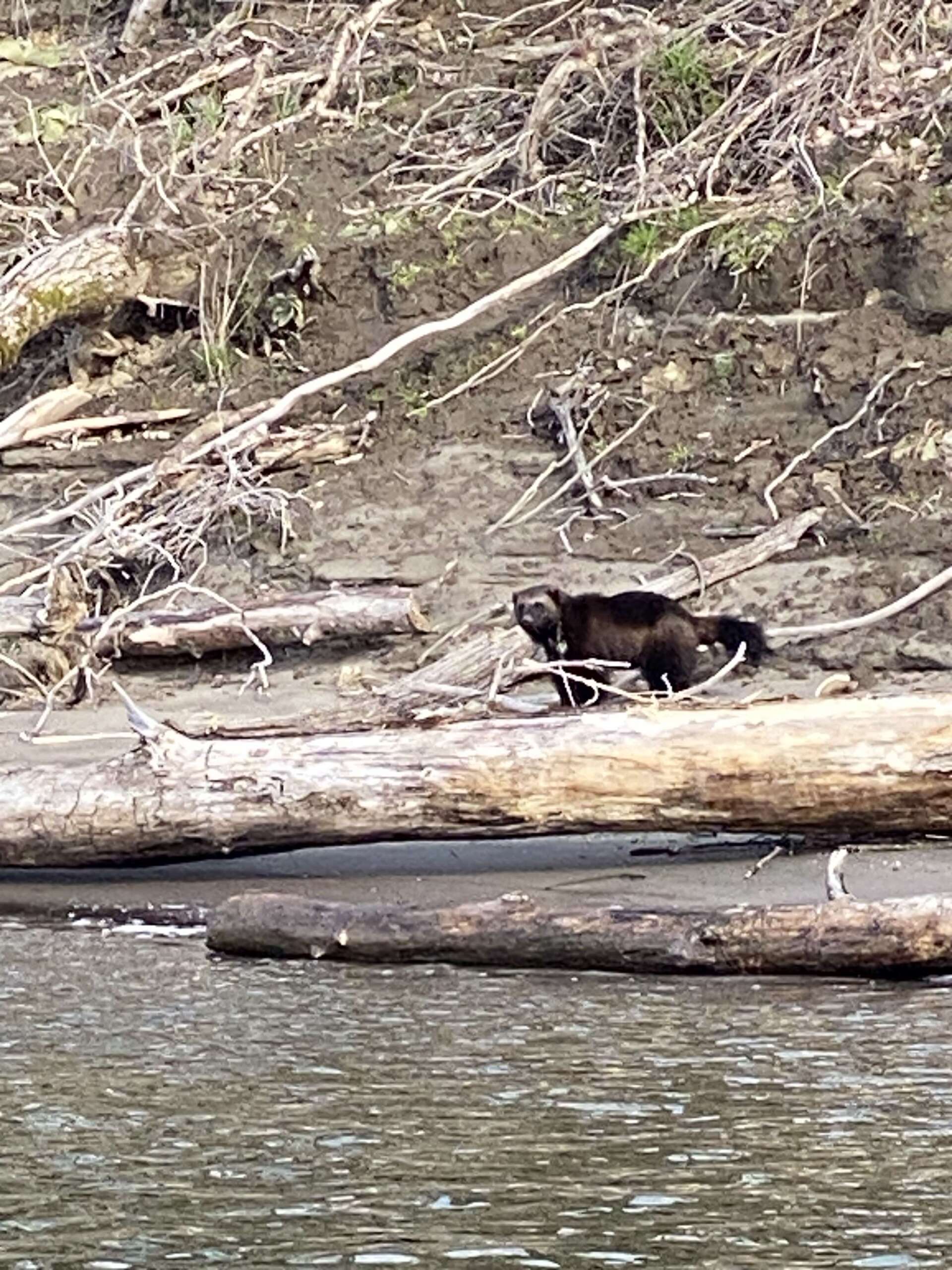
Rare Wolverine Sighting Along Columbia River Near Portland, First Confirmed Outside Wallowas In Over 30 Years
April 7th, 2023
A wolverine was sighted by two people who were fishing on the Columbia River near Portland on the morning of Monday, March 20. Wolverine, rare and listed as threatened in Oregon, are the largest member of the weasel family and resemble a small bear. This is the first confirmed report of a wolverine outside of the Wallowa Mountains in over 30 years.
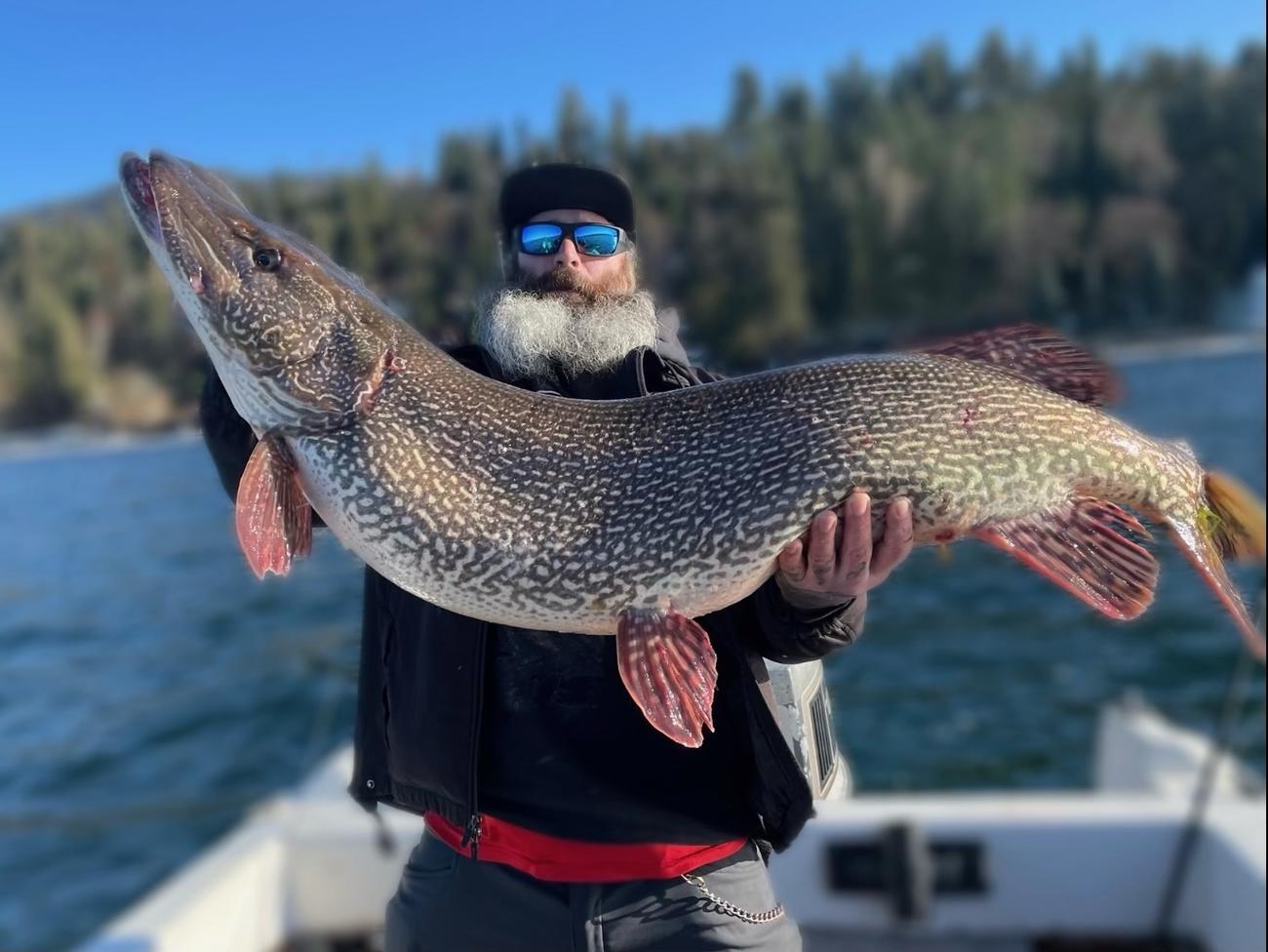
Massive Pike Caught In North Idaho’s Hayden Lake A New State Record
April 7th, 2023
On March 21, Hayden Lake in North Idaho produced a new certified state record northern pike. The record fish weighed a whopping 40.76 pounds, was 49 inches in length and 26.5 inches in girth – a true monster of a fish.
COVID Detected For First Time In Free-Ranging California Wildlife; Mule Deer Showed No Outward Signs Of Illness
April 5th, 2023
One hunter-harvested mule deer, a buck from El Dorado County, was confirmed to be infected with SARS-CoV-2. The deer was harvested in 2021 and sampled by the California Department of Fish and Wildlife for chronic wasting disease surveillance. It was negative for CWD and did not show any outward signs of illness.
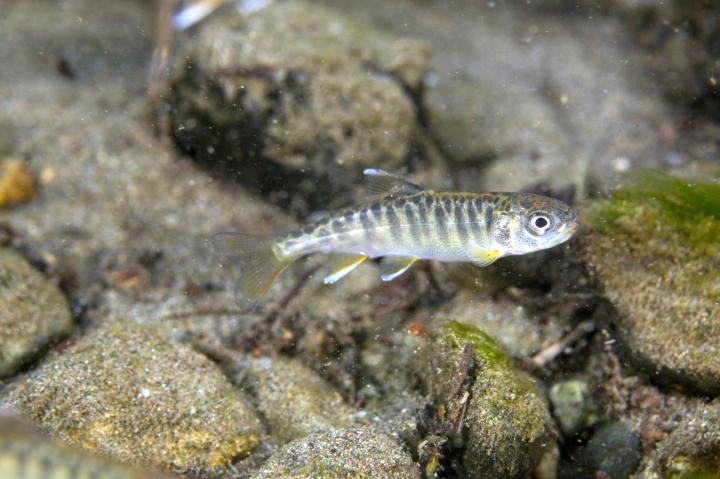
California Fishery Managers Releasing Millions Of Hatchery Chinook Salmon To Take Advantage Of Storm-Induced High Flows; Higher Survival Expected
March 22nd, 2023
Anticipating good conditions for the survival of hatchery-produced Chinook salmon throughout the Sacramento River and tributaries, the California Department of Fish and Wildlife will release both spring and fall-run Chinook during the historic rain and snowfall the state is experiencing. Several releases have already happened, and others are planned over the next few weeks to utilize good in-river habitat conditions for these young salmon.
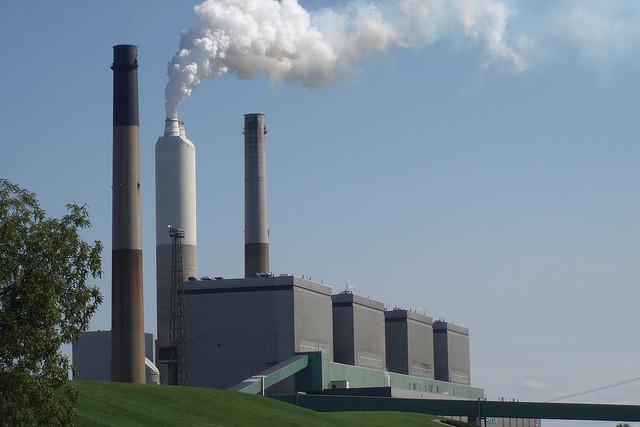
New UN IPCC Report Details How Limiting Global Warming To 1.5 Degrees C Will Require Deep Decarbonization – Soon
March 22nd, 2023
Limiting global warming to 1.5 degrees Celsius above pre-industrial levels will require severely cutting greenhouse gas emissions in half by 2030. Doing so calls for the immediate, large-scale adoption of renewable energy like solar and wind, electrified transportation, energy-efficient systems, alternative fuels, and carbon capture and storage technologies across all sectors globally.
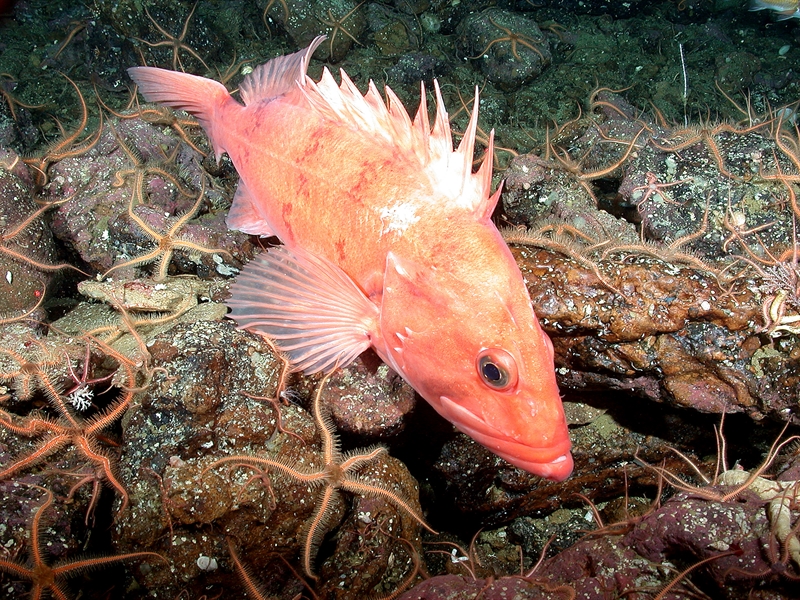
For First Time NOAA Researchers Able To Document West Coast Marine Heat Waves On Ocean Floor
March 16th, 2023
The 2013-2016 marine heat wave known as “The Blob” warmed a vast expanse of surface waters across the northeastern Pacific, disrupting West Coast marine ecosystems, depressing salmon returns, and damaging commercial fisheries. It also prompted a wave of research on extreme warming of ocean surface waters.

Idaho Taps Former IDFG Director To Serve On Northwest Power/Conservation Council
March 16th, 2023
Idaho Gov. Brad Little has appointed Ed Schriever, retired executive director of Idaho Fish and Game, to a seat on the Northwest Power and Conservation Council, replacing longtime Council member Jim Yost.
NOAA Fisheries Assessment Shows Impacts Of Climate Change On West Coast Marine Species; Salmon, Sturgeon Highly Vulnerable
March 9th, 2023
All but the most resilient marine species off the West Coast are likely to be vulnerable to climate change, according to a new NOAA Fisheries assessment. It will help inform fisheries management and species protections as the climate changes in the coming decades.
Petition Calls On Oregon To List Southern Resident Orcas Under State Endangered Species Act
March 9th, 2023
The Center for Biological Diversity, Defenders of Wildlife, and Whale and Dolphin Conservation have filed a petition to protect Southern Resident orcas under the Oregon Endangered Species Act. As of the most recent census, just 73 Southern Resident orcas remain, divided among three family groups.
Guest Column: The Status of Wild Snake River Salmon and Steelhead; Keeping Things In Perspective
March 9th, 2023
Recent reports (Columbia Basin Bulletin, February 2 and Eric Barker, Lewiston Tribune, February 5) claim that overall upriver returns to the Columbia basin are “on an upward swing.” Such a claim ignores context and perspective.
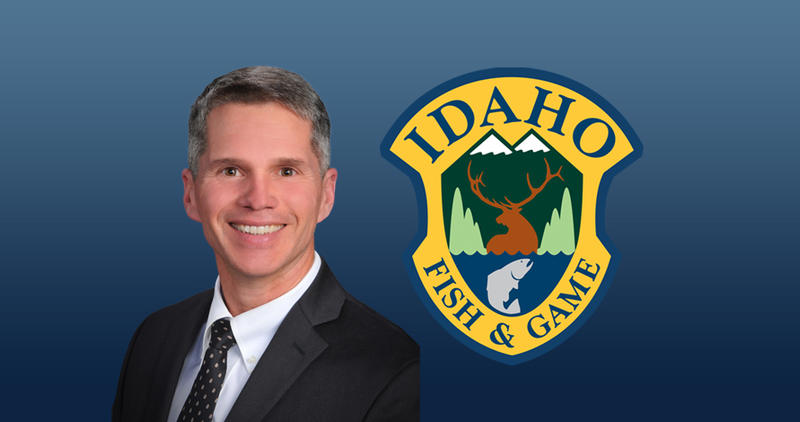
Idaho Fish And Game Commission Chooses Deputy Director Fredericks To Lead IDFG
February 16th, 2023
The Idaho Fish and Game Commission has extended an offer to Jim Fredericks to serve as the new director of Idaho Fish and Game. Fredericks has been a deputy director for Fish and Game since 2021 and is a former fisheries bureau chief.

Study Details Status Of U.S. Ecosystems: 40% Forests, Wetlands At Risk, 37 Percent Bee Species Face Extinction
February 7th, 2023
A new report on the status of U.S. wildlife conservation reveals that 40% of animals, 34% of plants and 40% of ecosystems nationwide are at risk. The analysis — Biodiversity in Focus: United States Edition — was compiled by NatureServe, a nonprofit organization that assembles conservation data from a national network of scientists and organizations.

Larry Cassidy, Former NW Power/Conservation Council Member, Influential Fish Advocate, Remembered Fondly
February 2nd, 2023
Talk to people who knew Larry Cassidy and the accolades run as thick as the Columbia River’s famed salmon and steelhead runs in the days before hydroelectric dams forever changed the system.

Oregon Study Shows How Songbirds Work Together To Mob Predator Owls
February 2nd, 2023
Fleeing isn’t the only way by which songbirds can protect themselves against predators. Many songbird species are known to engage in mobbing, where they gather aggressively around a bird of prey, flying rapidly while making stereotypic movements and loud vocalizations. Mobbing is risky for both parties: birds of preys have been observed to attack their mobbers, while cases are known of birds of prey getting injured by mobbing songbirds.
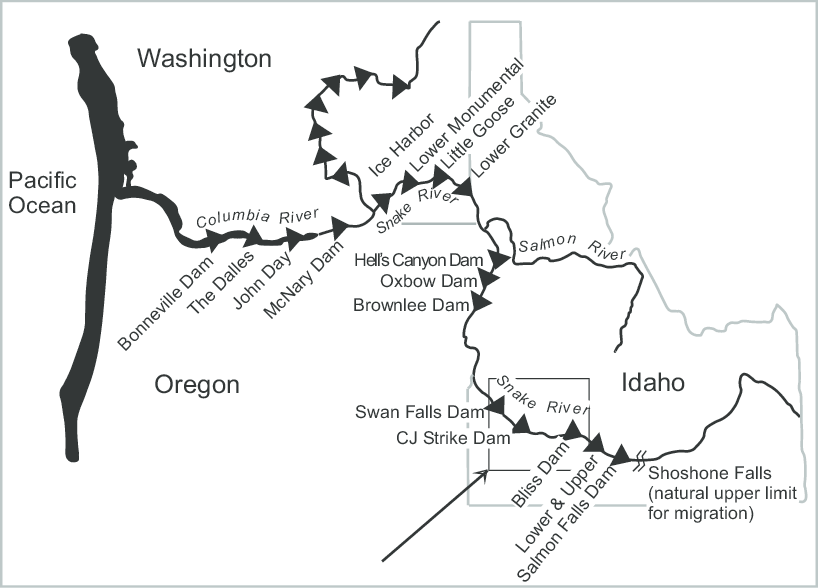
American Fisheries Society Governing Board Issues Policy Statement Calling For Breaching Lower Snake River Dams
January 26th, 2023
The American Fisheries Society Governing Board issued a policy statement this month calling for breaching the lower Snake River dams to “safeguard” Snake River basin salmon and steelhead from going extinct.
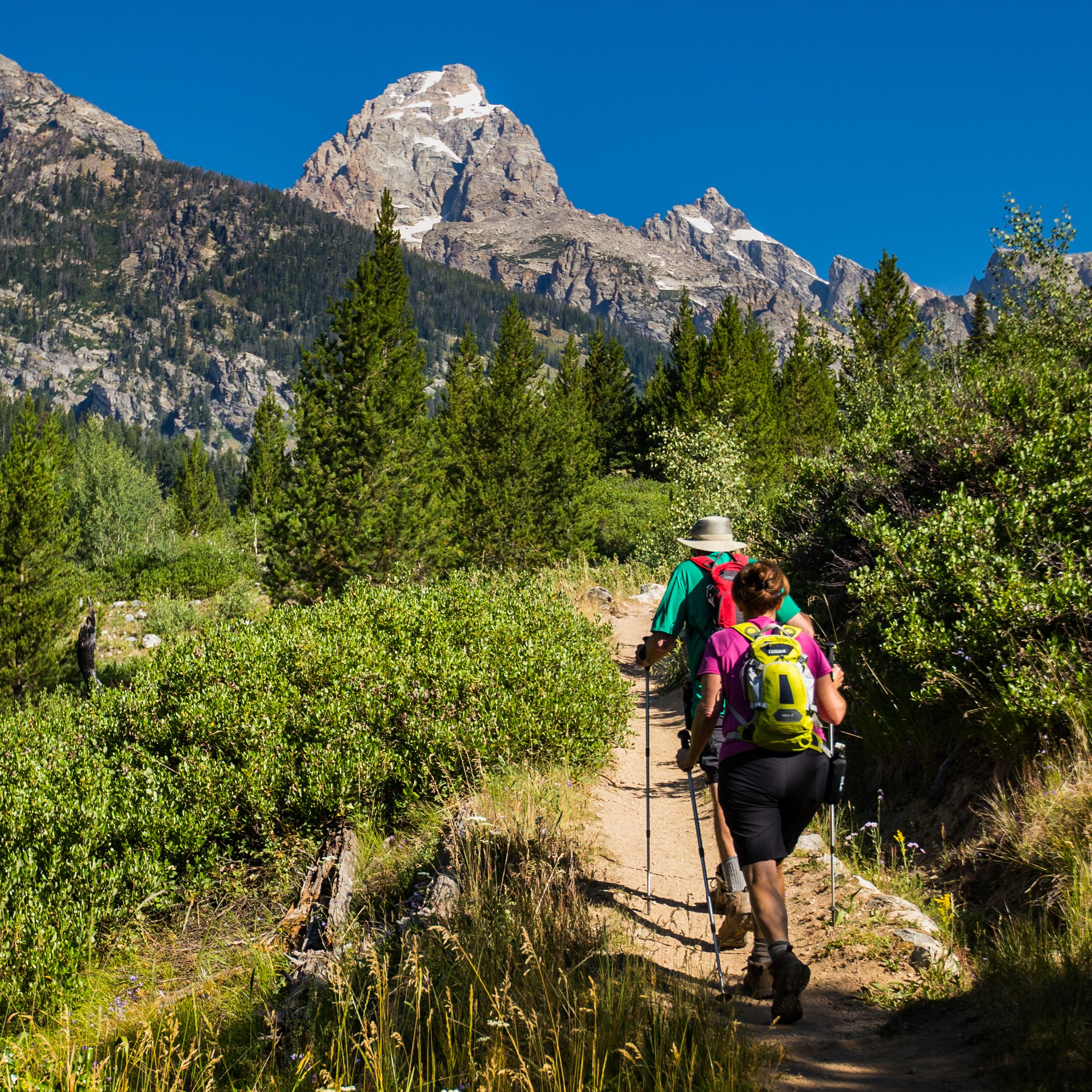
Your Hike Impacting Wildlife Behavior: WSU Glacier Park Study Shows How Trail Use Has Strong Negative Influence On Animal Movement
January 26th, 2023
Even without hunting rifles, humans appear to have a strong negative influence on the movement of wildlife. A study of Glacier National Park hiking trails during and after a COVID-19 closure adds evidence to the theory that humans can create a “landscape of fear” like other apex predators, changing how species use an area simply with their presence.
Three Montana Grizzly Bears Euthanized After Testing Positive For Avian Influenza
January 20th, 2023
Three Montana juvenile grizzly bears tested positive for highly pathogenic avian influenza (HPAI) virus this fall.
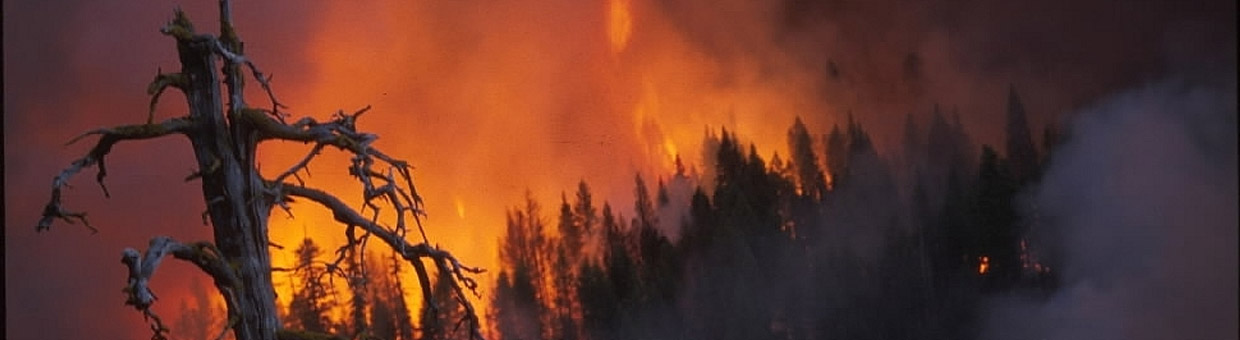
Biden Administration Adds Another $490 Million For Reducing Wildfire Risk Across The West; Aimed At At-Risk Communities
January 20th, 2023
Agriculture Secretary Tom Vilsack this week announced expanded efforts to reduce wildfire risk across the western U.S. aimed at protecting at-risk communities and critical infrastructure across 11 landscapes in Arizona, California, Idaho, Nevada, Oregon, Utah and Washington.
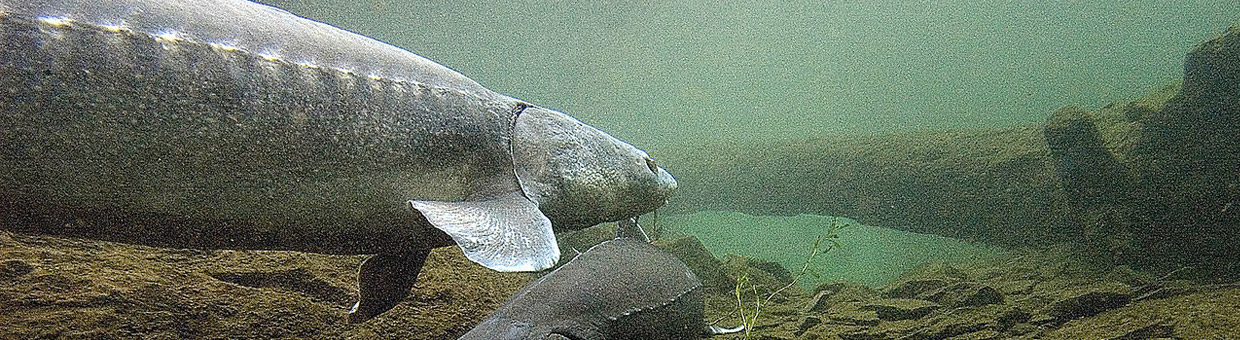
Too Much Good Fishing Leads To Closure of Sturgeon Retention In Bonneville Pool
January 13th, 2023
Fishery managers from Oregon and Washington today closed sturgeon retention in Bonneville Pool as of Jan. 12.

USFWS Selects Morrison As Regional Director For Pacific Region
January 13th, 2023
Hugh Morrison has been selected to serve as Regional Director of the Pacific Region of the U.S. Fish and Wildlife Service. Morrison, who has been the acting regional director since May 2022, will begin effective immediately. In this role, Morrison will administer conservation efforts spanning one ocean, four states and multiple territories and time zones.
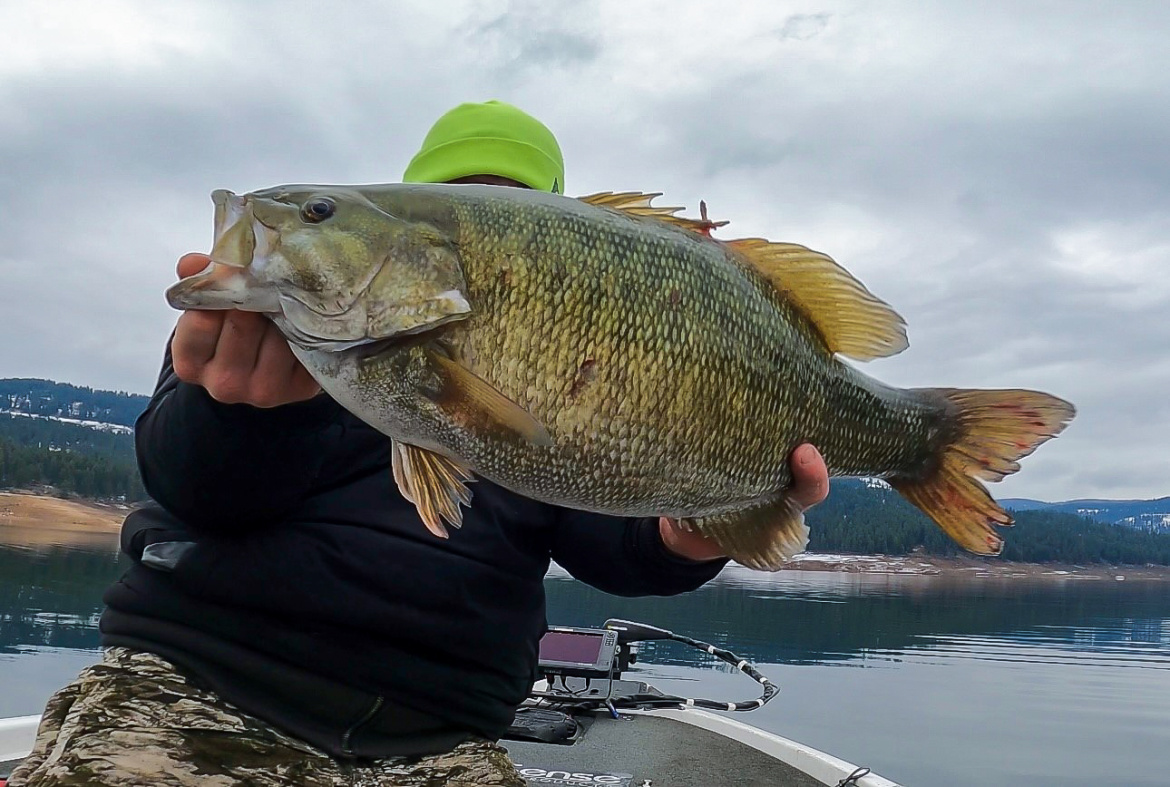
Dworshak Reservoir Produces Monster State Catch-Release Record Smallmouth Bass
January 6th, 2023
It was a typical cold, December day in central Idaho with rain down low and snow in the mountains. While many anglers might have been thinking about ice-fishing, winter steelhead, or even putting a fresh coat of wax on their skis and hitting the slopes, Joey Walton had other plans: big Smallmouth bass. Knowing he had to make the long run across the reservoir, he set out early in search of a trophy.
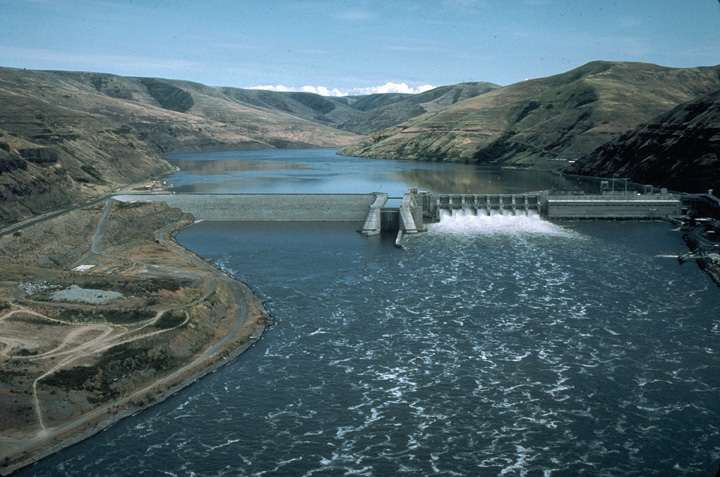
Letter To Editor: Proposal To Drawdown Reservoirs A Fool’s Errand
January 6th, 2023
The recent article in the CBB about NPDES permits for the four lower Snake River dams includes a proposal to draw the reservoirs down to reduce heating of the water. This is a fool’s errand based on widespread misinformation.

Guest Column: B.C. Minister Reflects On Busy Year For Columbia River Treaty Negotiations
December 21st, 2022
On Dec. 7, I was sworn in as B.C.’s new Minister of Finance. I was also honoured to retain my role as minister responsible for the Columbia Basin Trust, Columbia Power Corporation and the Columbia River Treaty. As 2022 comes to a close, it’s worth reflecting on this year’s progress towards a modernized Columbia River Treaty.

Conservation Groups File Lawsuit To Halt Million-Acres Oil, Gas Lease Sale In Alaska’s Cook Inlet, Say Violates NEPA
December 21st, 2022
National and community-based environmental groups filed a legal challenge today to stop the Department of the Interior’s lease sale in Cook Inlet, Alaska. Lease sale 258, scheduled for Dec. 30, would auction off nearly a million acres of federal waters in southcentral Alaska, opening the door to decades of future oil and gas drilling.
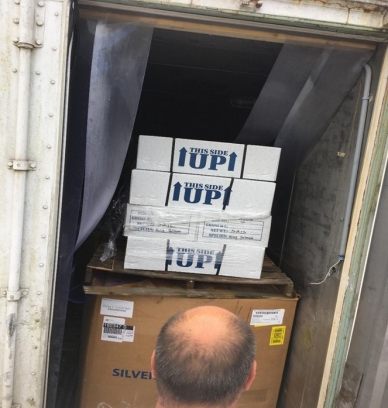
Lummi Nation Wholesale Fish Processor Sentenced For Selling Illegally Caught 7,000 Pounds Of Columbia River Salmon
December 16th, 2022
The owner of a wholesale fish processor, Native American Fisheries, was sentenced this week in U.S. District Court in Seattle to three years of probation for violating the Lacey Act by taking more than 7,000 pounds of illegally caught Columbia River salmon and selling it commercially.
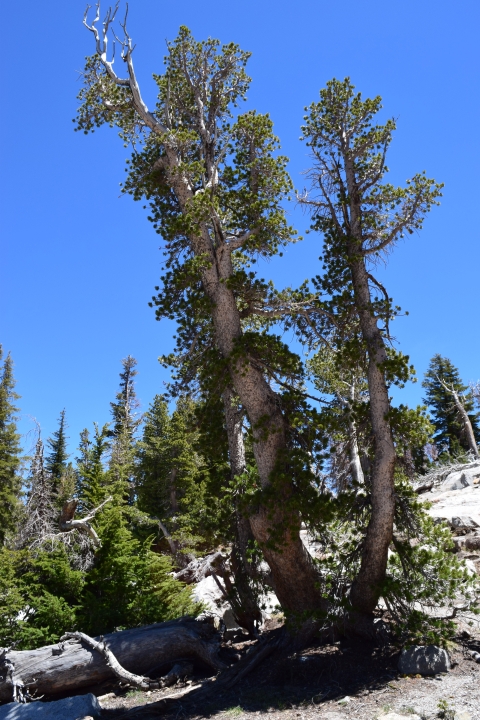
USFWS Lists Whitebark Pine As Threatened Under ESA; Across 80 Million Acres, 51 Percent Of Standing Trees Dead
December 16th, 2022
The U.S. Fish and Wildlife Service is listing whitebark pine, a high elevation tree across the West, as a threatened species under the Endangered Species Act.

Northwest Tribal Leaders Welcome New Commitments From Biden Administration At White House Tribal Nations Summit
December 2nd, 2022
Leaders of Northwest tribes on Wednesday welcomed new commitments from President Joe Biden and members of his administration at the first in-person Tribal Nations Summit held by the White House in six years.
Biden Administration Issues Guidance On Use Of Indigenous Knowledge, New Policies For Tribal Consultations
December 2nd, 2022
The Biden Administration Wednesday issued new guidance for federal agencies regarding the use of Indigenous Knowledge in decision-making and issued new policies and procedures to fulfill the federal government’s responsibility for meaningful consultation with American Indian and Alaska Native Tribes.
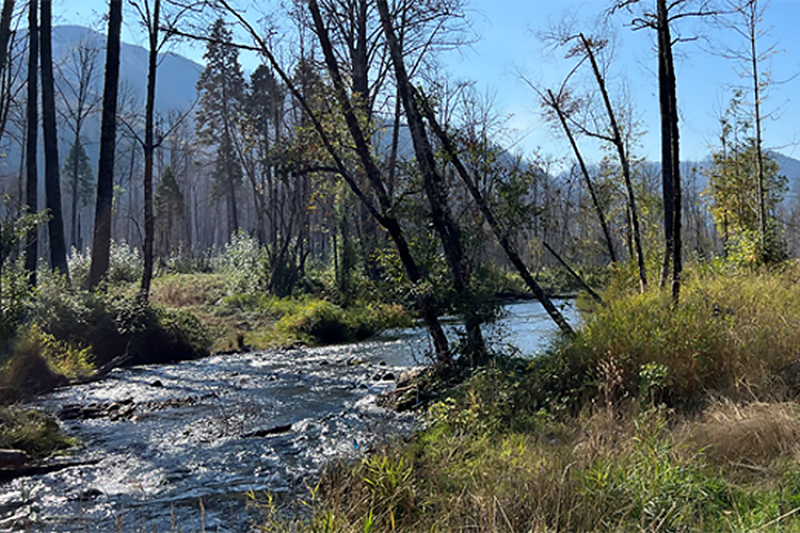
NOAA, Partners Improving Habitat On McKenzie River For ESA-Listed Salmon; Employing ‘Stage-Based’ Restoration 0-8
December 2nd, 2022
NOAA has partnered with McKenzie River Trust to increase natural floodplain connectivity along Finn Rock Reach in Oregon’s McKenzie River. The project is restoring important habitat for threatened Upper Willamette River Chinook salmon.
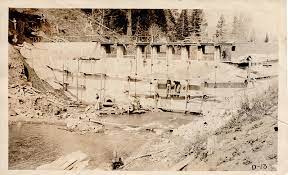
Oregon Senators Announce $5 Million To Tribes To Restore Sockeye Habitat Connectivity At Wallowa Lake Dam
December 1st, 2022
Oregon’s U.S. Sens. Jeff Merkley and Ron Wyden have announced a total of $5,041,495 million from the National Fish and Wildlife Foundation will be awarded to the Nez Perce Tribe, in partnership with the Confederated Tribes of the Umatilla Indian Reservation and other partners, to restore sockeye salmon habitat connectivity at the Wallowa Lake Dam in northeast Oregon.
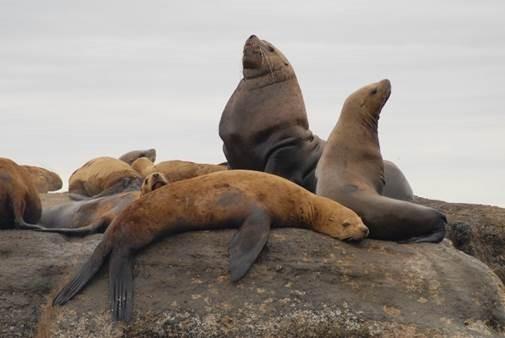
Sea Lion Disease Outbreak Hits Oregon Coast; Increases Stranding, Mortality
November 3rd, 2022
There is an increase in the number of stranded California sea lions along the entire Oregon coast due to leptospirosis, a naturally-occurring bacteria that can also sicken dogs, people, other wildlife, and livestock.

EPA Announces $36 Million In Grants For Puget Sound Salmon Recovery, Conservation Projects
October 27th, 2022
Washington U.S. Sens. Maria Cantwell and Patty Murray announced $36 million in grant funds to state, local, Tribal and federal partners to support the continued conservation and restoration of Puget Sound.
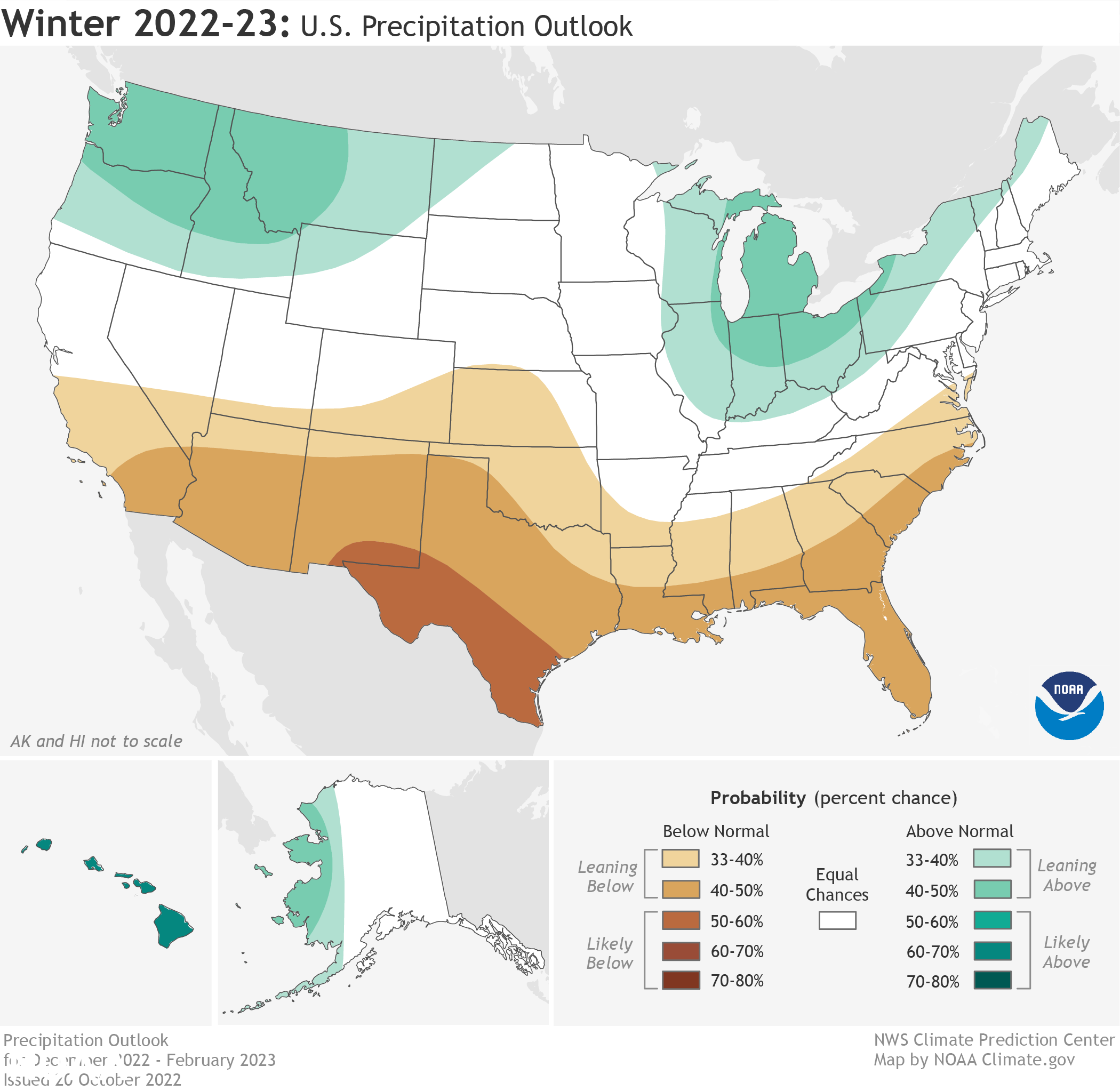
NOAA Outlook Predicts Wetter, Colder Than Average Winter For Pacific Northwest
October 20th, 2022
This year La Niña returns for the third consecutive winter, and starting in December 2022 through February 2023, NOAA predicts drier-than-average conditions across the South with wetter-than-average conditions for areas of the Ohio Valley, Great Lakes, northern Rockies and Pacific Northwest, according to NOAA’s U.S. Winter Outlook released today by the Climate Prediction Center — a division of the National Weather Service.
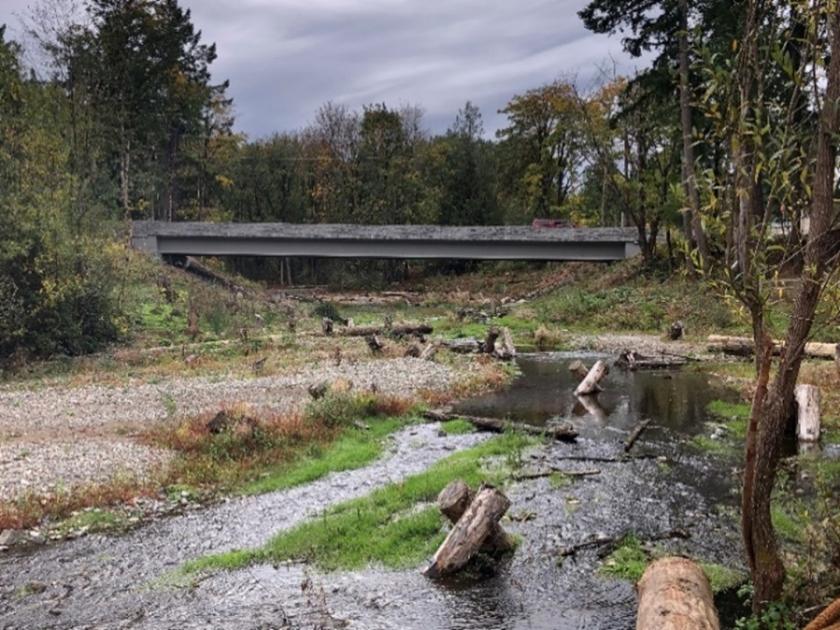
WDFW Seeks Public Comment On New Rules To Ensure Fish Passage For Salmon, Part Of Orca Recovery: ‘Must Allow Fish To Move Freely’
October 20th, 2022
The Washington Department of Fish and Wildlife is asking for public feedback to inform the development of proposed fish passage and screening rules intended to support salmon and orca recovery.
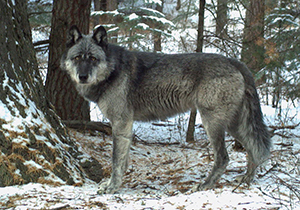
Over $50,000 Reward Offered For Information On Wolf Poisonings In Northeast Washington
October 20th, 2022
Conservation and animal-protection groups are offering an increased reward of $51,400 for information leading to a conviction in the illegal poisoning deaths of six wolves in northeastern Washington earlier this year.
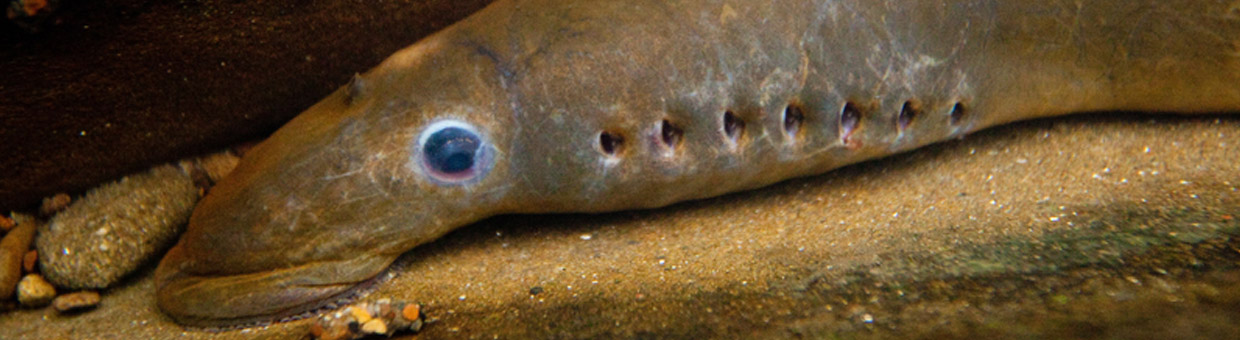
Oregon Health Authority Issues Health Advisory For Columbia River Lamprey; Contaminated With PCBs, Mercury
October 6th, 2022
The Oregon Health Authority is issuing recommendations on the amount of lamprey from the Columbia River and its Oregon tributaries that people should eat after data showing high levels of contaminants in the fish.
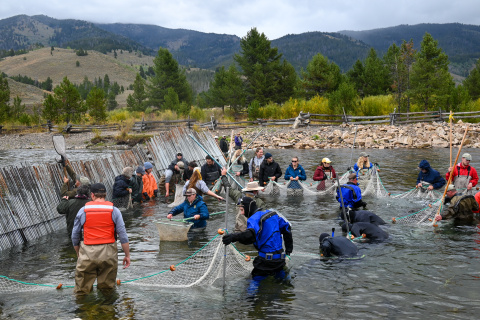
‘Sockeye Roundup’ In Idaho’s Stanley Basin Caps Off This Year’s Relatively Good Return Numbers
October 6th, 2022
Idaho’s Stanley Basin has long been one of the West’s most iconic roundup arenas. For 160 years, cowboys and their hooved counterparts have comingled out in the vast valley beneath the towering Sawtooth Mountains where they come together each fall to round up the herds.
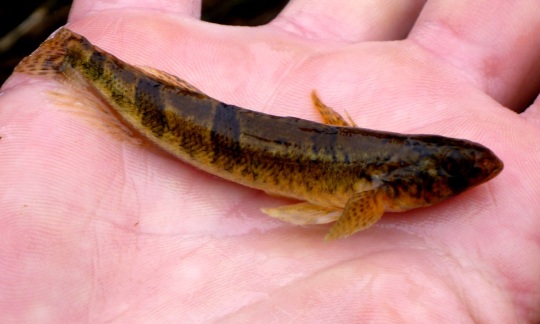
Remember Tellico Dam And The Famous Snail Darter? The 3-Inch Fish, Now Recovered, Removed From ESA List
October 6th, 2022
The U.S. Fish and Wildlife Service this week removed the snail darter from the endangered species list because the fish has recovered. Thanks to collaborative conservation efforts since it was protected in 1975, says USFWS, the little fish is no longer in danger of extinction.
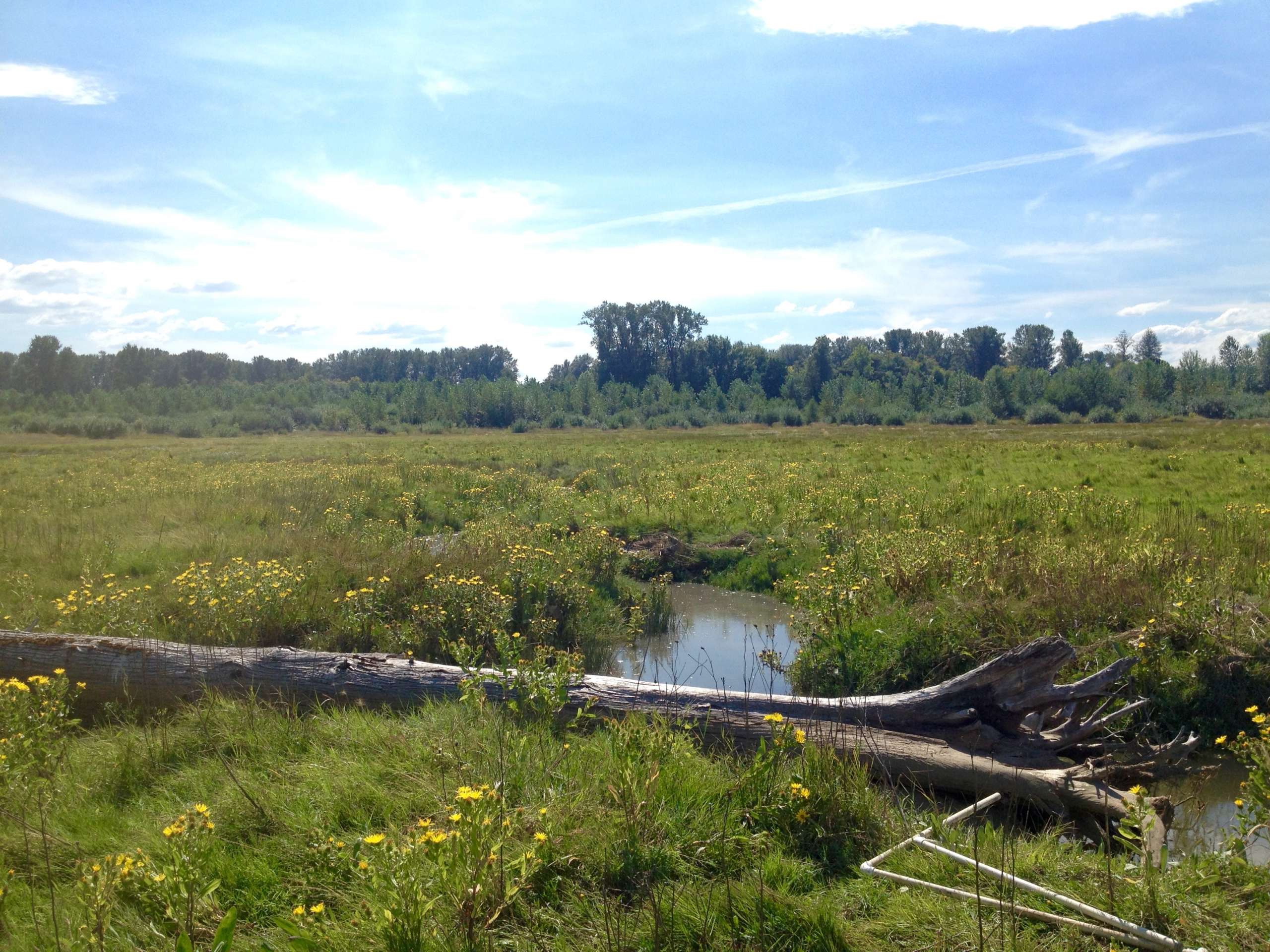
Wetlands/CleanWater Act Before The U.S. Supreme Court Explained
October 6th, 2022
Among the first cases to be heard by the U.S. Supreme Court for the October 2022 term is Sackett v. EPA, No. 24-454 (2022). At stake is the definition of “waters of the United States” and the area of land that is subject to Clean Water Act wetlands protection or land available to be developed – an issue of enormous environmental and economic consequence.
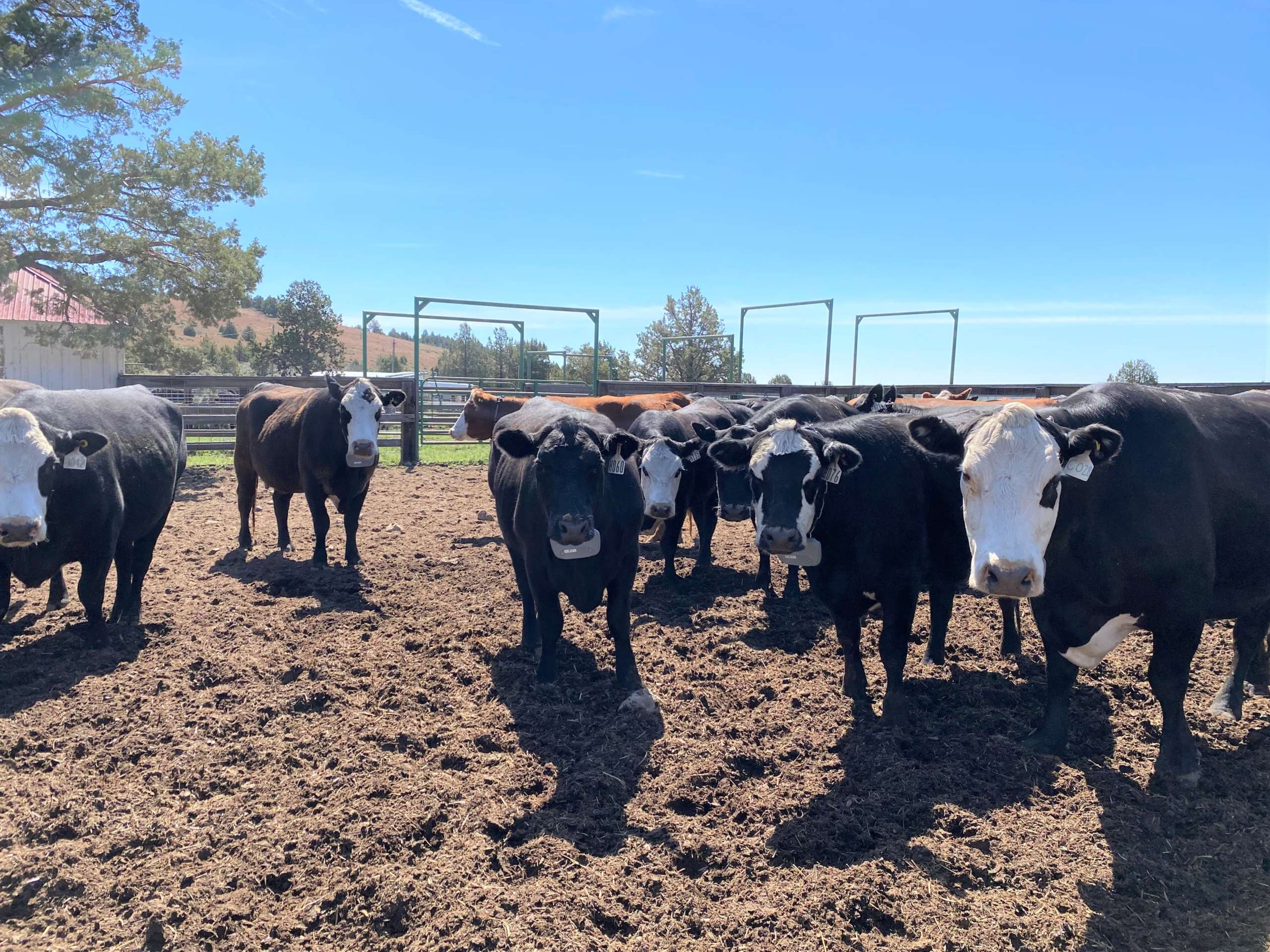
With New Technology ‘Virtual Fences’ Getting More Attention; Can Be Used To Manage Cattle For Fuel Breaks, Keep Livestock Out Of Salmon Habitat
September 29th, 2022
The use of virtual fencing to manage cattle grazing on sagebrush rangelands has the potential to create fuel breaks needed to help fight wildfires, a recent Oregon State University and U.S. Department of Agriculture-Agricultural Research Service study found.

Idaho Fish And Game Reports Increasing Numbers Of Invasive, Salmon-Eating Walleye Passing Lower Granite Dam
September 29th, 2022
Walleye have spread throughout the Columbia River basin following an unauthorized introduction to Lake Roosevelt in the mid-20th century. These fish have remained downstream of Idaho’s salmon and steelhead rivers until recently.
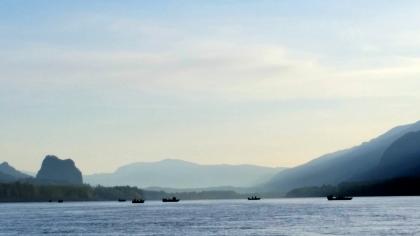
Columbia River Harvest Managers Open Additional Areas Below Bonneville Dam For Recreational Salmon Fishing, Say Little Risk To ESA-Listed Chinook
September 28th, 2022
The lower Columbia River below Bonneville Dam will open additional areas for recreational salmon fishing beginning Oct. 1, fishery managers from Washington and Oregon announced Wednesday.
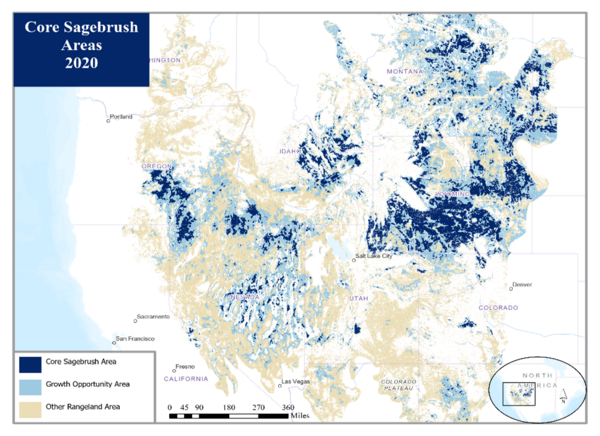
Can We Save The West’s Disappearing Sagebrush Ecosystem? Scientists Provide Roadmap For Conservation Efforts
September 22nd, 2022
A report published today by a team of scientists from a dozen organizations provides a product designed to boost efforts by land and wildlife managers to restore and conserve the imperiled sagebrush ecosystem across the full extent of its range, which covers more than 165 million acres.

ODFW Opens Grande Ronde River For Harvest Of Once Extinct Coho; Third Time Since Reintroduction In 2017
September 22nd, 2022
Starting Saturday, Sept. 24, anglers will be able to harvest coho salmon in the Grande Ronde River for the third time since they were reintroduced in 2017.

Tracking Coastal Steelhead Migration; Innovative Research Could Help Prioritize Habitat Restoration Projects
September 19th, 2022
Washington Department of Fish and Wildlife researchers wrapped up a project this summer that could have important implications for how fishery managers design future coastal steelhead fisheries and prioritize habitat restoration projects.

Interior Department Releases New Guidance To Strengthen Role Of Tribal Governments In Managing Federal Lands, Waters
September 13th, 2022
The Department of the Interior this week released new guidance to improve federal stewardship of public lands, waters and wildlife by strengthening the role of Tribal governments in federal land management.

Rare Earth Metals: New Reports Detail Supply Chain Challenges As U.S. Moves Toward Clean Energy, Decarbonization
September 12th, 2022
The U.S. effort to build a domestic supply of clean energy often begins with critical materials produced in far-off — and geopolitically sensitive — countries. Researchers at the U.S. Department of Energy’s Argonne National Laboratory recently contributed to a series of reports aimed at securing America’s clean energy supply chain and minimizing potential disruptions.
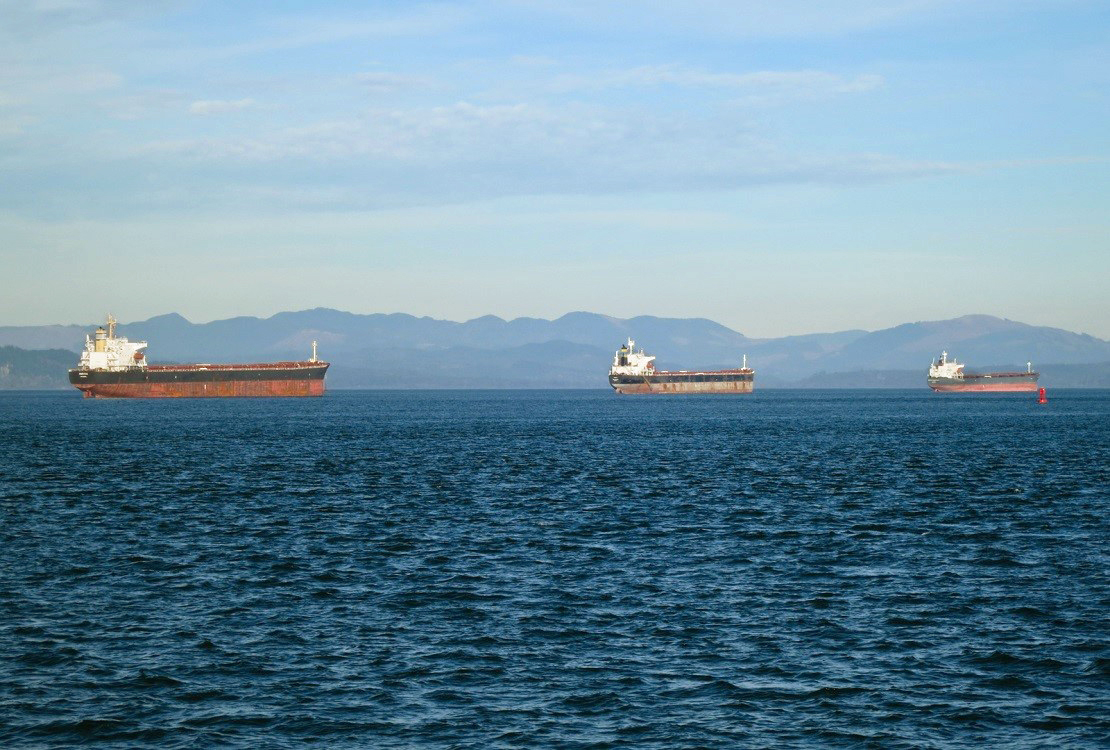
Ports, Corps To Study Improving, Adding Turning Basins To Help Larger, Deep Draft Vessels Navigate Columbia River
September 8th, 2022
Leadership from the Ports of Longview and Kalama, and the U.S. Army Corps of Engineers have agreed to fund an estimated $2.1 million study that will investigate what changes or improvements engineers can make to turning basins in the Columbia River to help larger, deeper-drafting vessels, safely navigate when turning.
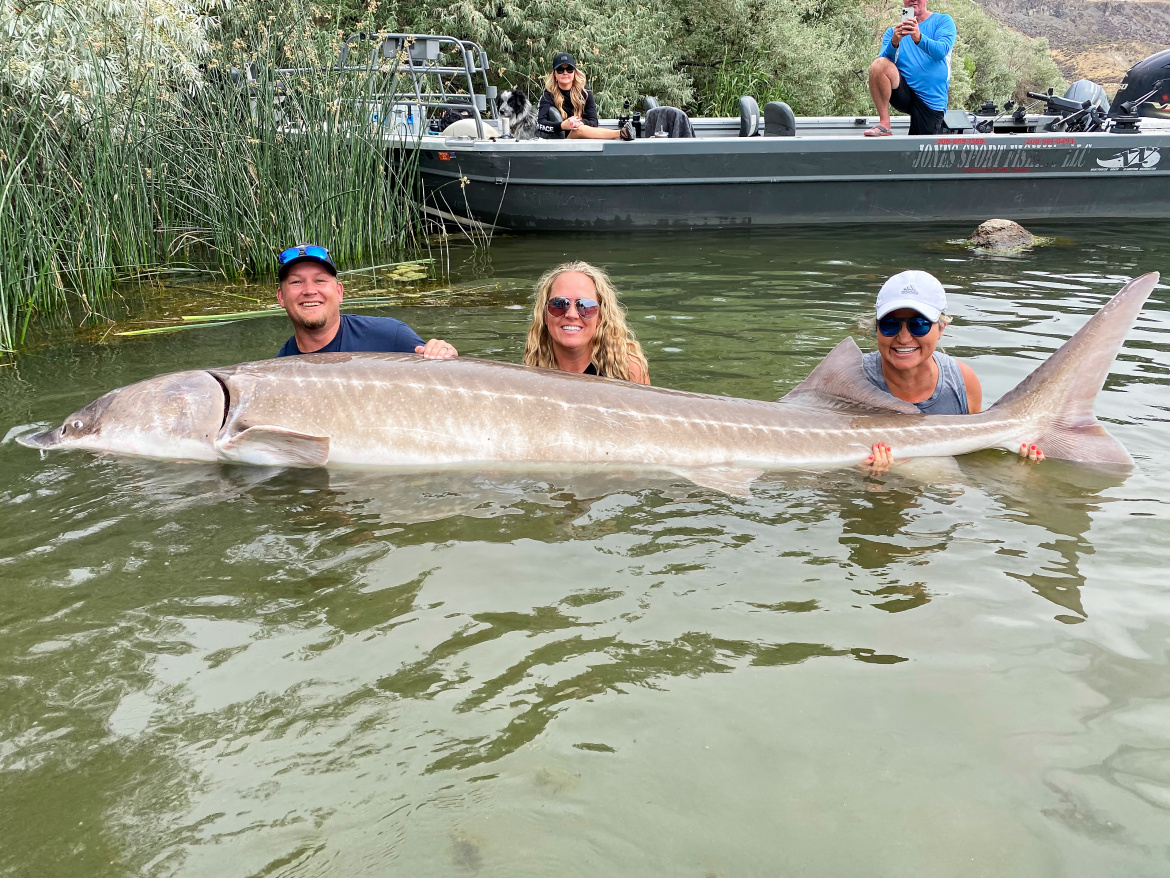
Monster Sturgeon Caught In Snake River Reservoir Tops State Record List
August 23rd, 2022
Well, it’s happened again. C.J. Strike Reservoir in southwestern Idaho – typically known for abundant crappie and smallmouth bass – has once again produced an eye-popping state record fish.
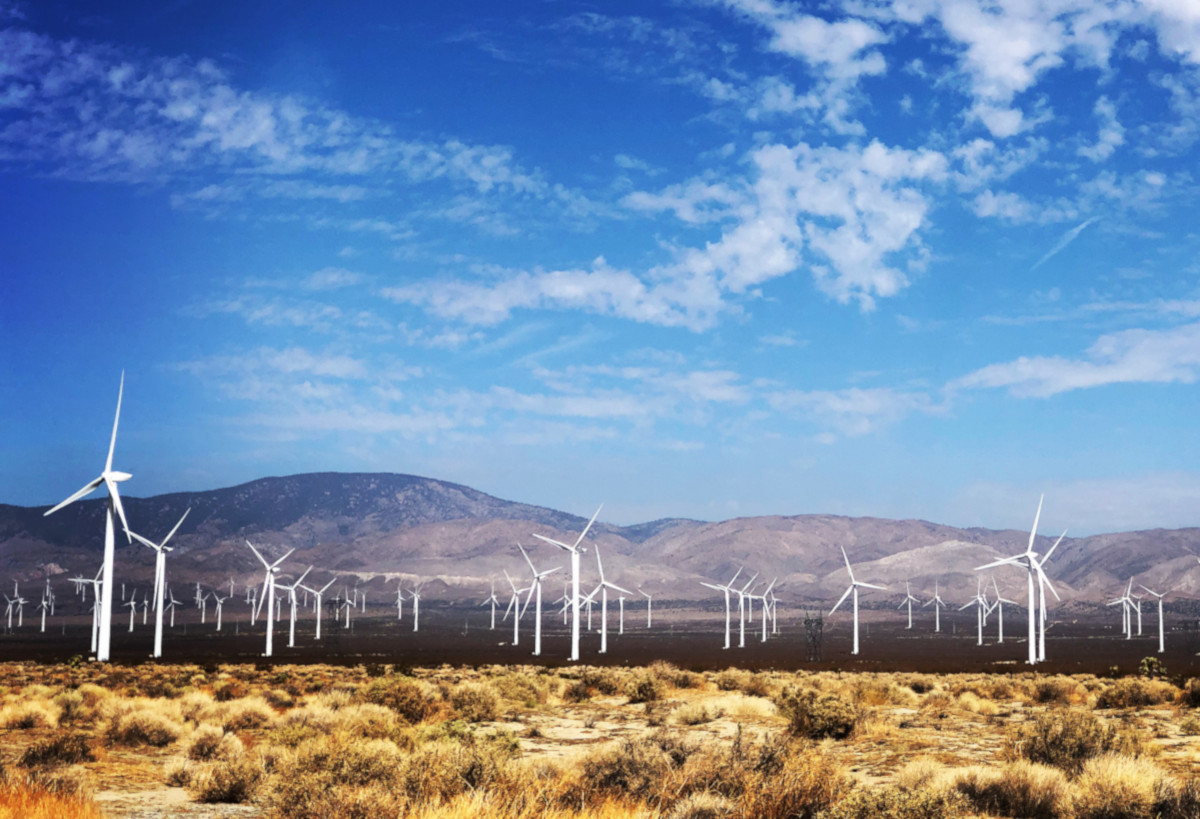
DOE Report: Wind Energy Value Now Far Exceeds Costs, Prices Remain Low
August 23rd, 2022
Wind energy continues to see strong growth, solid performance, and attractive prices in the U.S., according to a report released by the U.S. Department of Energy and prepared by Lawrence Berkeley National Laboratory. With levelized costs of just over $30 per megawatt-hour for newly built projects, the cost of wind is well below its grid-system, health, and climate benefits.
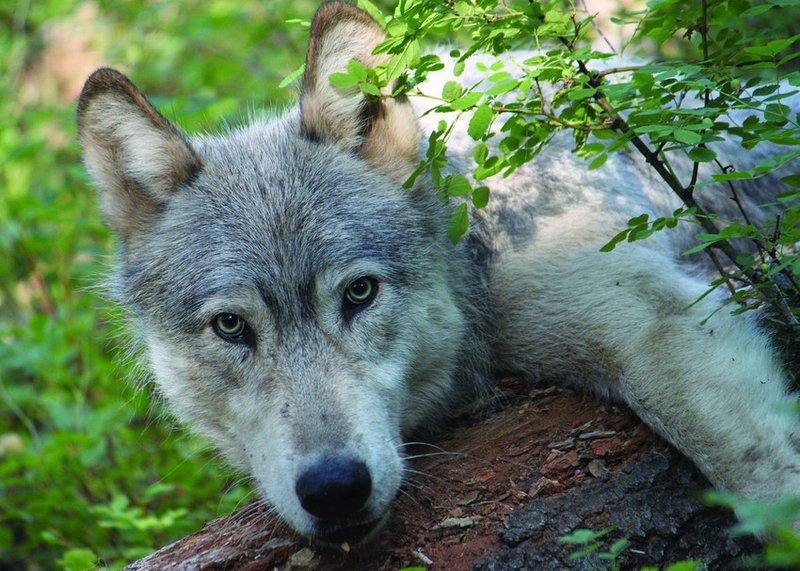
Lawsuit Call For USFWS To Develop National Wolf Recovery Plan, Says Piecemeal Policy Violates ESA
August 23rd, 2022
The Center for Biological Diversity notified the U.S. Fish and Wildlife Service this week that it intends “to sue over the agency’s failure to develop a national wolf recovery plan as required by the Endangered Species Act.” The planned lawsuit would seek to require the Service to draft a recovery plan that includes all populations of wolves in the contiguous United States.
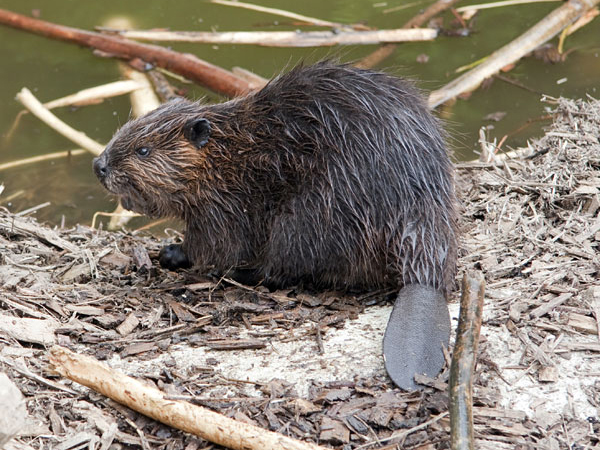
Rewilding The West? OSU Scientists, Others Propose More Wolves, Beavers, Less Livestock Grazing On Public Lands
August 11th, 2022
Oregon State University scientists are proposing management changes on western federal lands that they say would result in more wolves and beavers and would re-establish ecological processes. They suggest reducing by 29 percent the amount of western public lands allotted annually for livestock grazing.
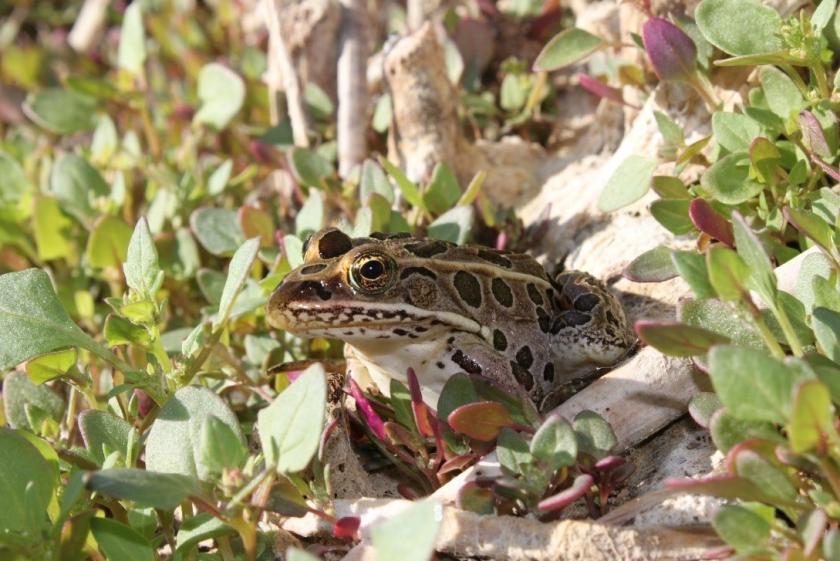
Last Habitat For Northern Leopard Frogs; Raised Off-Site, Tagged, Released Into Columbia National Wildlife Refuge
August 11th, 2022
Hundreds of endangered northern leopard frogs will leap back into the wild at the Columbia National Wildlife Refuge in Washington’s Grant County this month.
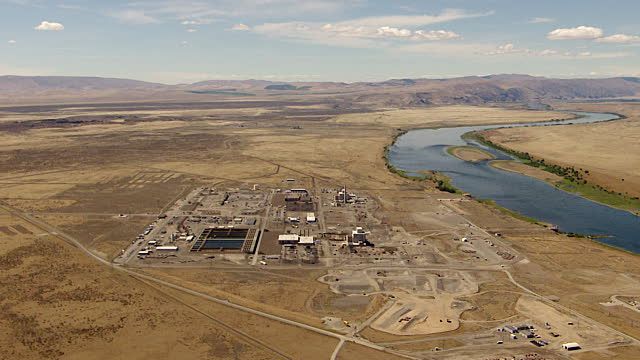
Agencies, Organizations Call On Biden To Increase Hanford Cleanup Funding; Seek $3.76 Billion In 2024
August 11th, 2022
The states of Washington and Oregon, and a coalition of organizations, joined together to send a letter to President Joe Biden Tuesday calling for increased funding at the Hanford Nuclear Reservation.

Columbia Basin Bulletin Q/A With Lauren Goldberg, Executive Director of Columbia Riverkeeper
July 28th, 2022
Columbia Riverkeeper is a non-profit organization that for many years has been involved in key legislation regarding efforts to protect and restore the water quality of the Columbia River and its tributaries. It focuses on environmental laws to stop illegal pollution, protect salmon habitat, and challenge fossil fuel terminals.

New Paper Says Breaching Lower Snake Dams ‘Likely To Prevent Extirpation, Extinction’ Of Snake River Salmon, Steelhead
July 27th, 2022
A team of scientists concluded in a recent paper that breaching four dams in the Lower Snake River Basin in Washington provides the best and only reasonable opportunity to promote recovery of key fish species, including salmon and steelhead.
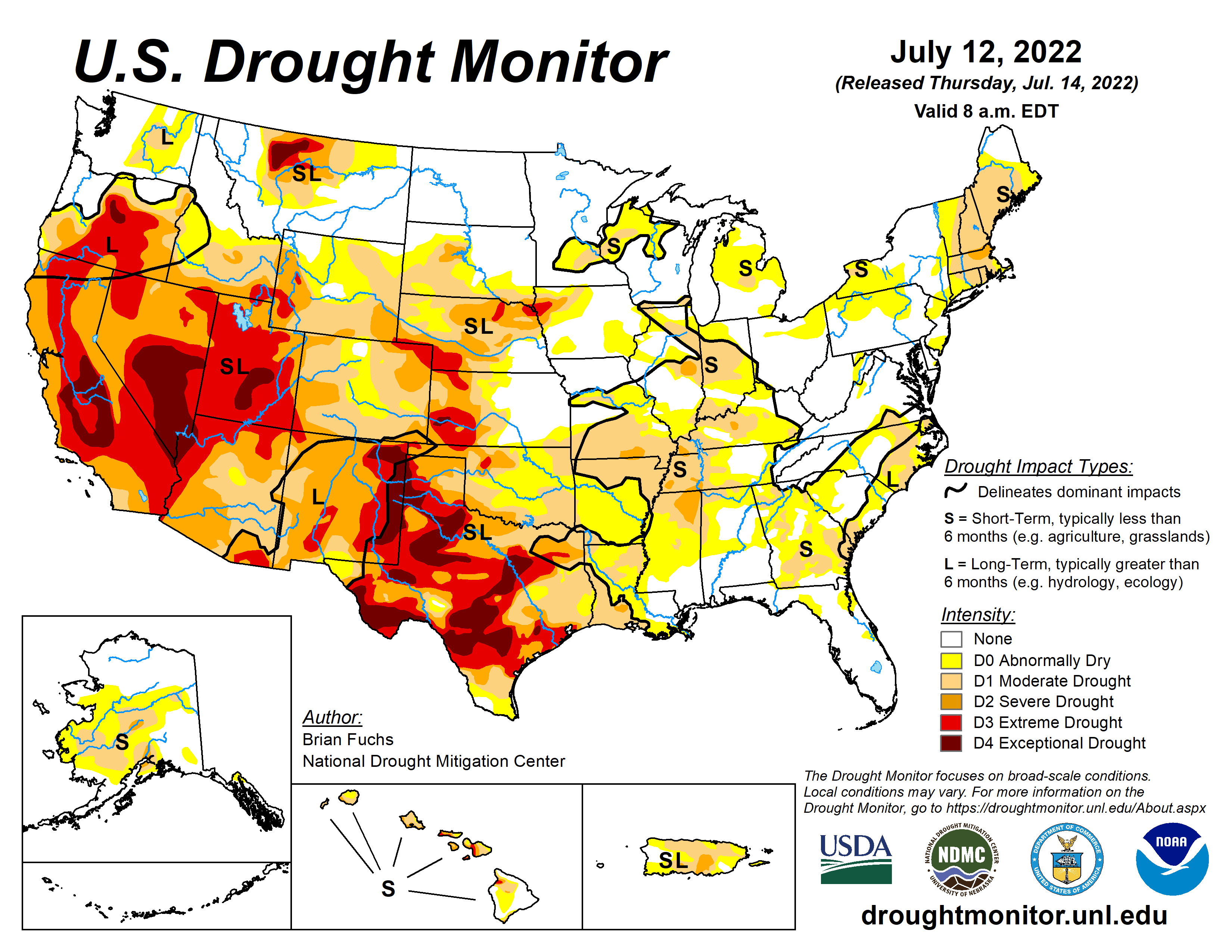
Cool, Wet Spring Leads To Cancellation Of Drought Declaration For Central, Eastern Washington, Not As Rosy For Oregon, Idaho
July 20th, 2022
Though 100 degree-plus weather is on its way next week, unanticipated cool, wet weather in May and June prompted the Washington Department of Ecology to cancel the drought declaration for Central and Eastern Washington.
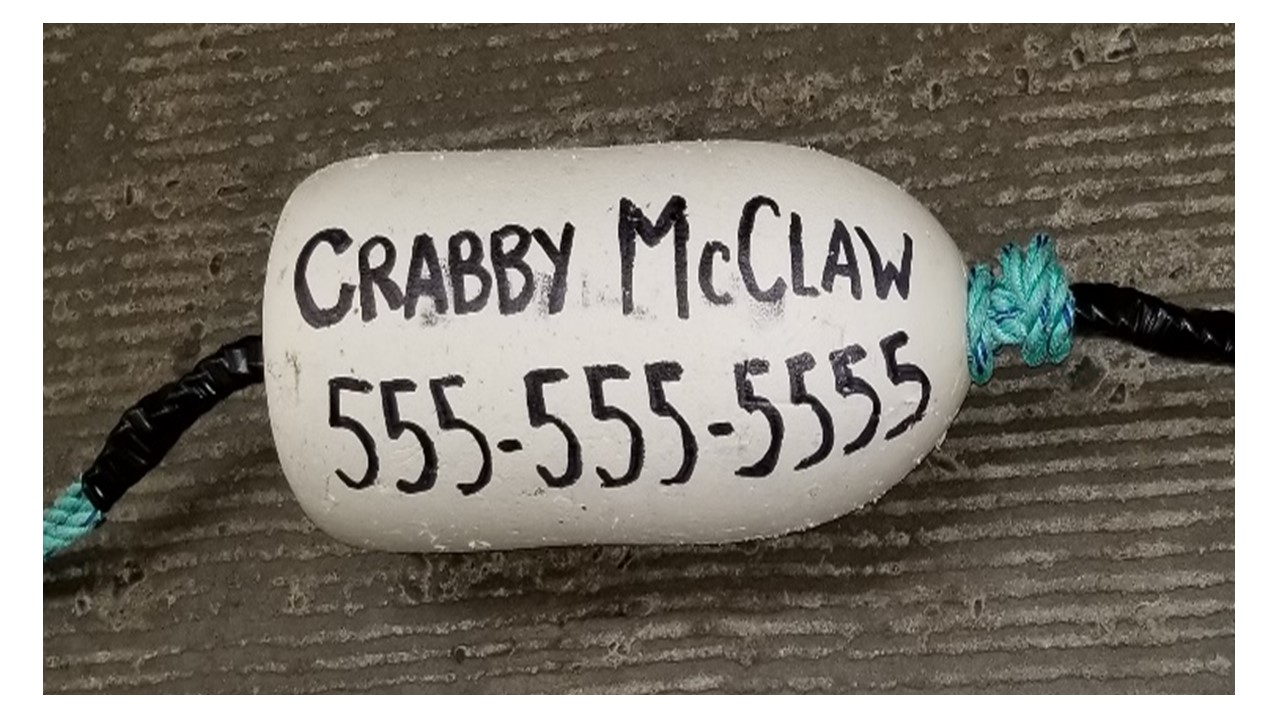
Mark Your Crabbing Buoy: Dead Orca Found Entangled Off Oregon Coast In Unmarked Crabbing Gear
July 20th, 2022
ODFW marine biologists and fishery managers continue their work to decrease whale entanglements in crabbing gear with good success. The frequency of entanglements has lessened over the last few years across the West Coast.
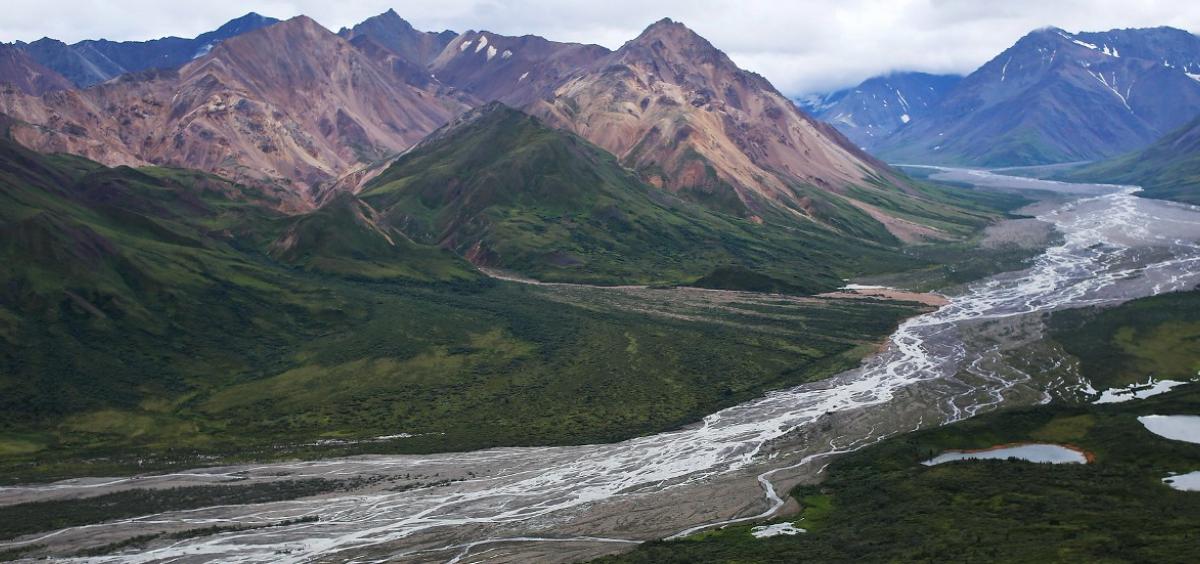
Oregon State Researchers Go ‘Into The Wild’ To Study Alaska River’s Hydrology; Sheds Light On Why Adventurer Got ‘Stuck In The Wild’
July 20th, 2022
The ill-fated “Into the Wild” adventurer chronicled by author Jon Krakauer and film director Sean Penn may have been able to cross the river that turned him back had he tried a day earlier or later, research by Oregon State University suggests.
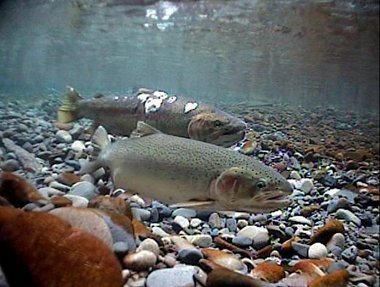
NOAA Fisheries Announces $95 Million For New, Continuing Regional Salmon Recovery Programs, Includes Funds For Re-Introducing Salmon Above Grand Coulee
July 15th, 2022
NOAA Fisheries is recommending more than $95 million in funding for 19 new and continuing programs and projects to support West Coast salmon and steelhead populations, ranging from funds for efforts to reintroduce salmon and steelhead above Grand Coulee Dam, $24 million for habitat restoration in Washington and $7.2 million to Idaho Governor’s Office of Species Conservation to “fund projects that are compatible with the Columbia Basin Collaborative sustainability goals.”
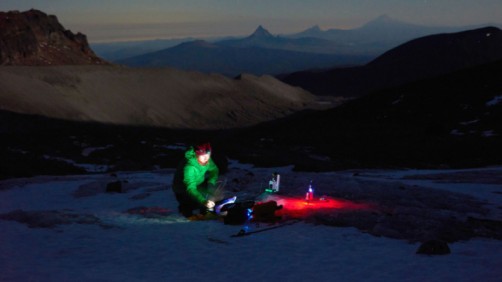
UO Researchers Develop New Way To Study How Fast Glacial Ice Melting; Informs Future Streamflow Management
July 14th, 2022
The latest technology to study glaciers fits in a backpack and can be carried up steep mountains.

California Federal Court Throws Out Trump Endangered Species Act Rules; Feds Wanted To Keep In Place During Re-Write
July 7th, 2022
A federal district court this week restored comprehensive Endangered Species Act regulatory protections to hundreds of species and the places they call home.
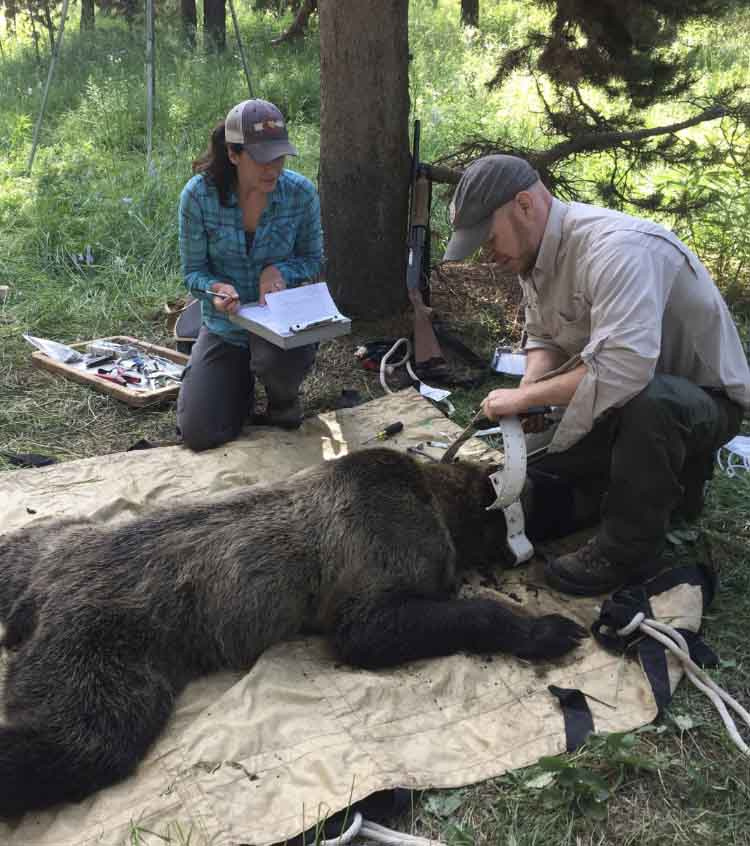
Idaho Fish and Game Dealing With Grizzly Bear/Livestock Incidents In Panhandle
July 7th, 2022
Idaho Fish and Game staff have confirmed three separate incidents of bears attacking and killing livestock in the Panhandle’s Bonner and Boundary counties.
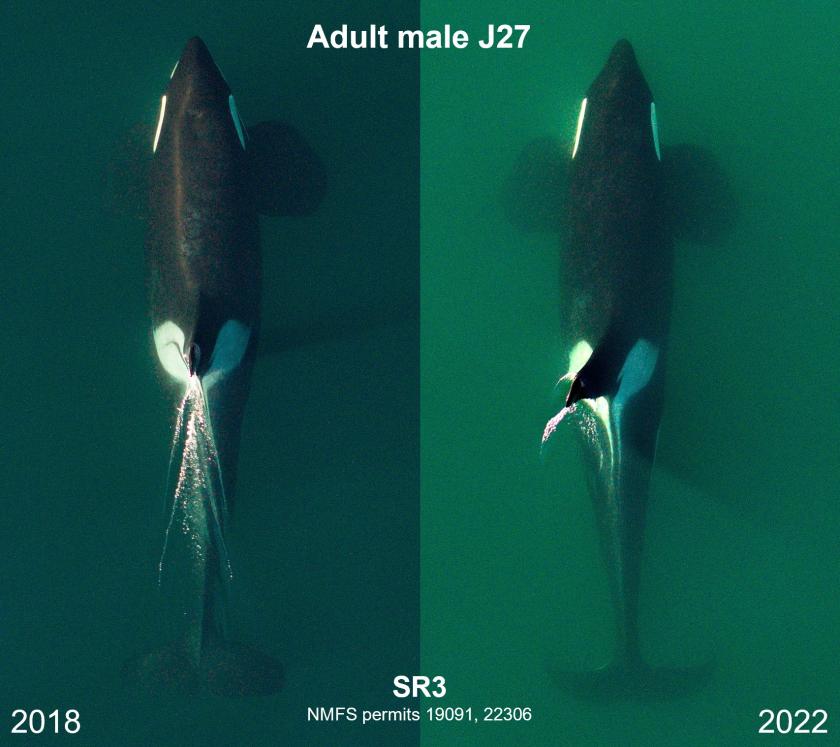
Washington Issues Emergency Order Requiring Whale Watching Boats To Stay Away From Killer Whales With Pregnancies, Poor Body Condition
July 1st, 2022
With numerous whales in poor body condition and several pregnancies reported, the Washington Department of Fish and Wildlife Thursday issued an emergency order requiring commercial whale-watching vessels to keep at least one-half nautical mile away from endangered Southern Resident killer whales this summer, and all boaters are urged to Be Whale Wise and do the same.
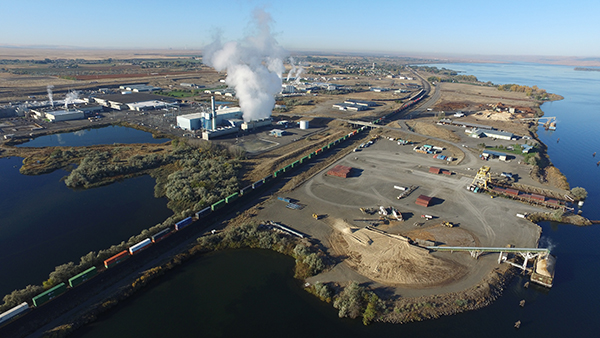
Columbia River Oregon Port Fined $2.1 Million By State For Nitrate Violations In Lower Umatilla Basin
June 23rd, 2022
The Oregon Department of Environmental Quality has issued a revised penalty to the Port of Morrow for additional violations involving overapplication of wastewater containing nitrogen to agricultural fields in the Lower Umatilla Basin, an area with longstanding groundwater contamination.
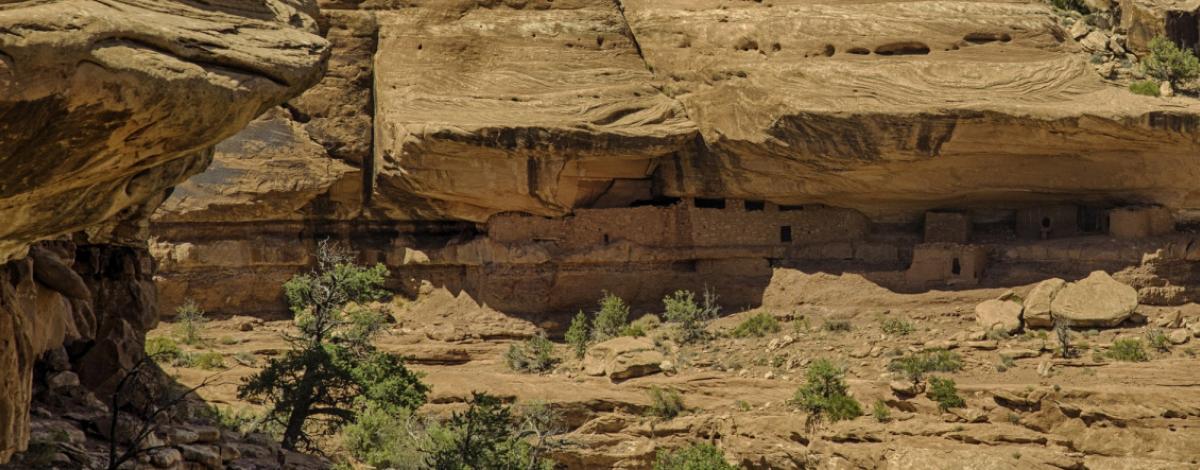
Agreement Formalizes Five Tribes As Co-Managers Of Bears Ears National Monument
June 23rd, 2022
At a signing ceremony on Saturday, the Bureau of Land Management, the U.S. Forest Service, and the five Tribes of the Bears Ears Commission formalized and celebrated their partnership for co-management of the Bears Ears National Monument.
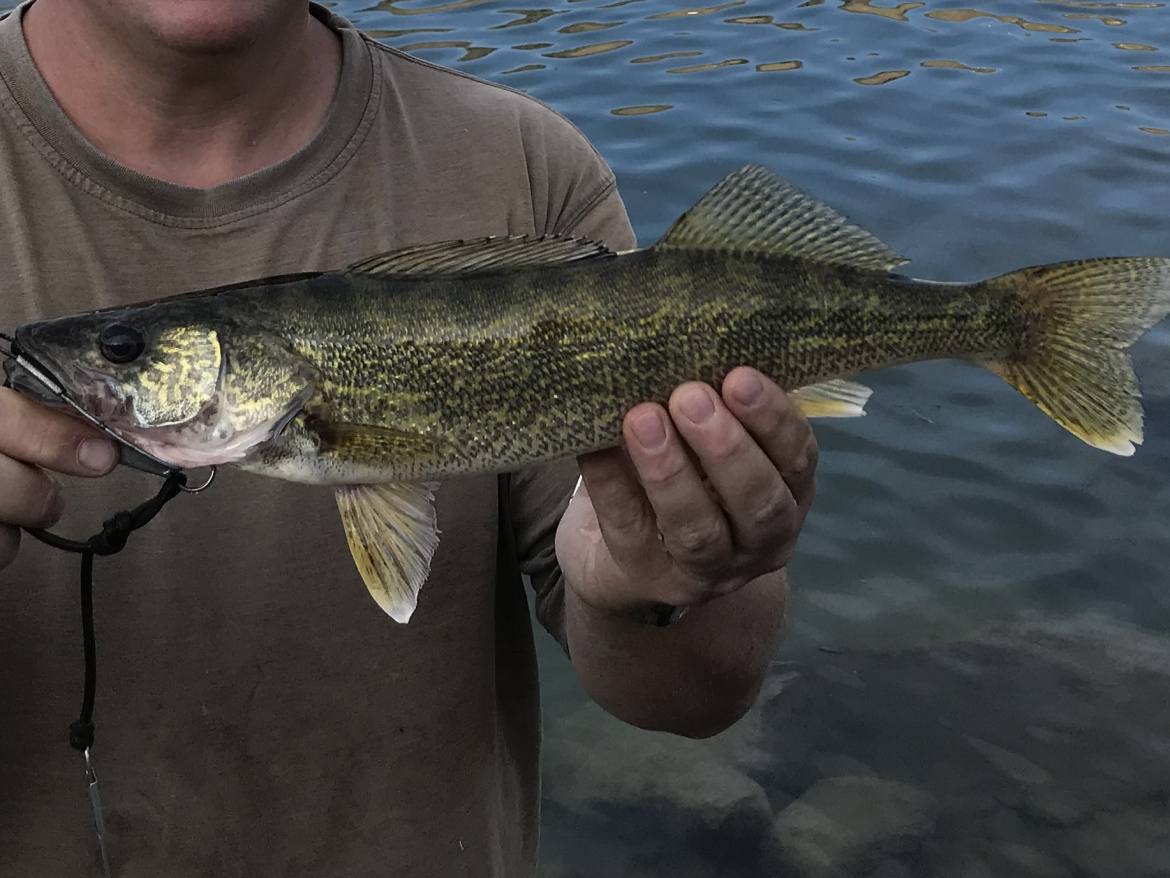
‘Bucket Biologists’ Illegally Introducing Walleye Into Idaho’s Waters, Threatening Fisheries; Third Body Of Water Hit
June 16th, 2022
Last week, an angler reported to Idaho Fish and Game that he had recently caught a walleye on the Snake River below Swan Falls Dam in Southwest Idaho. The angler provided photos, allowing fisheries biologists to confirm that it was a walleye. The angler will also provide the carcass to IDFG.
Interior Transfers Dworshak National Fish Hatchery To Nez Perce Tribe; 2.1 Million Steelhead, 2.55 Million Spring Chinook, 500,000 Coho Annually
June 16th, 2022
The Department of the Interior today transferred fish production at Dworshak National Fish Hatchery to the Nez Perce Tribe, which the agency says is “an important move underscoring the Biden Administration’s commitment to empowering Indigenous communities and supporting Tribal trust responsibility.”
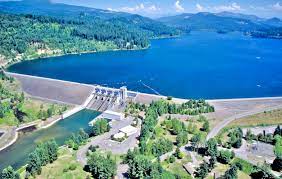
Corps Signs Programmatic Agreement To Protect Willamette Valley Cultural, Historic Resources
June 16th, 2022
Cultural resource specialists with the Portland District, U.S. Army Corps of Engineers and partners have finalized an agreement that will enhance the protection of historic and cultural resources across the Willamette Valley, where the Corps manages 13 dams and reservoirs in addition thousands of acres of land, while carrying out critical Corps projects.
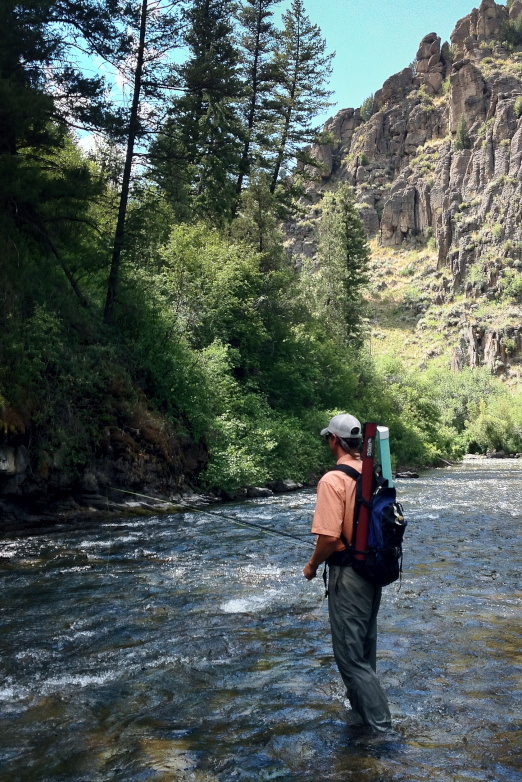
Idaho Study Shows Catch-Release Trout Fishing During Low Water, High Temperatures Does Not Harm Trout Population Numbers
June 8th, 2022
Last summer was particularly dry and hot in much of Idaho, renewing concerns among some trout anglers about fishing when water temperatures climb. Anglers are often concerned that maybe they shouldn’t be fishing on the hottest days for fear that they might be reducing trout populations, but a recent study on Idaho rivers during a hot summer showed catch-and-release angling did not harm the trout population.

Idaho Detects White Nose Syndrome Fungus That Has Killed Millions Of Bats In North America; Economic, Ecological Implications
June 8th, 2022
Idaho Fish and Game has received confirmation that six bats tested positive for a fungus that leads to a deadly disease known as “white-nose syndrome.” The bats were located in Minnetonka Cave in Bear Lake County, and it’s the first case of the fungus ever being detected in Idaho after a decade of testing.
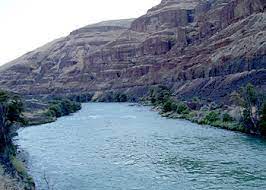
Expecting Low Returns, Fishing Closures On Deschutes River Announced To Protect Summer Steelhead
May 25th, 2022
With another low run of summer steelhead forecast, angling closures for steelhead, bass and salmon will be in effect for parts of the Deschutes River this summer starting as early as June 1.
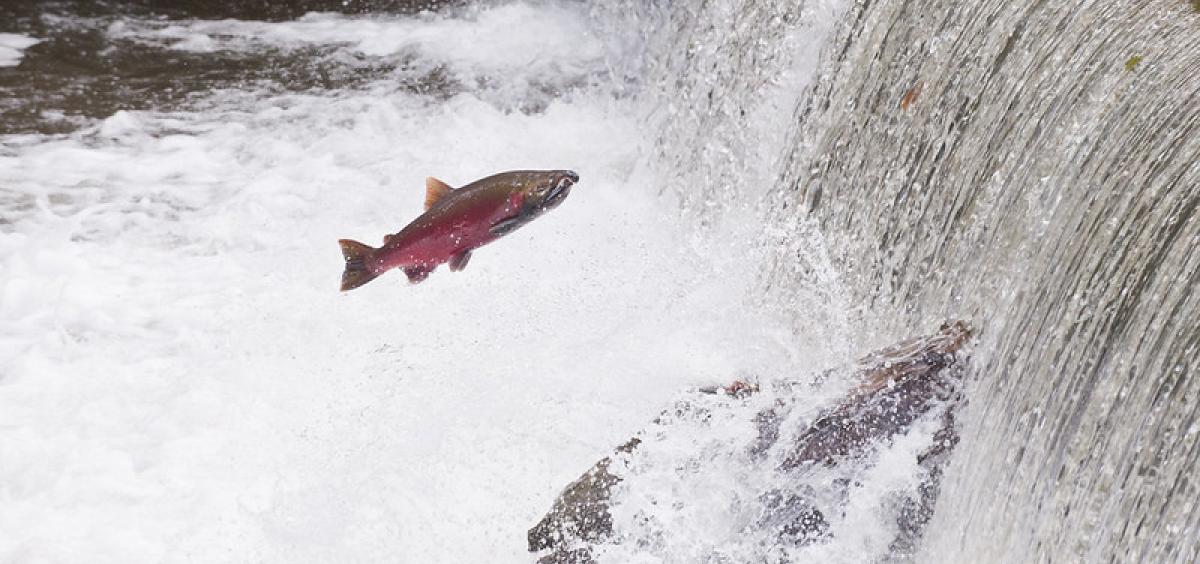
U.S. Has Spent More Than $2 Billion On Plan To Save Salmon. The Fish Are Vanishing Anyway
May 24th, 2022
The U.S. government promised Native tribes in the Pacific Northwest that they could keep fishing as they’d always done. But instead of preserving wild salmon, it propped up a failing system of hatcheries. Now, that system is falling apart.

Dworshak Reservoir Producing Monster Bass, State Record Broken Again
May 18th, 2022
Travis Wendt of Lewiston, Idaho hooked a massive 23.5-inch smallmouth bass while fishing Dworshak Reservoir on May 10th. After a quick photo, Travis released the bass back into the lake, and secured a new catch-and-release state record.

Invasive Crayfish Found In Southern Oregon, Omnivores That Prey On Native Crayfish, Salmon Eggs
May 18th, 2022
Northern crayfish were found in the Ashland canal, marking the first documented existence of this non-native species in Oregon.
Columbia Riverkeeper, Weyerhaeuser Company Reach Agreement To Reduce Columbia River Pollution At Longview Mill
May 12th, 2022
Columbia Riverkeeper and Weyerhaeuser Company reached an agreement this week settling Riverkeeper’s Clean Water Act lawsuit against the timber giant at its Longview mill. The consent decree must undergo a 45-day review period for the U.S. Department of Justice and then be approved by a federal district court judge before it can go into effect.
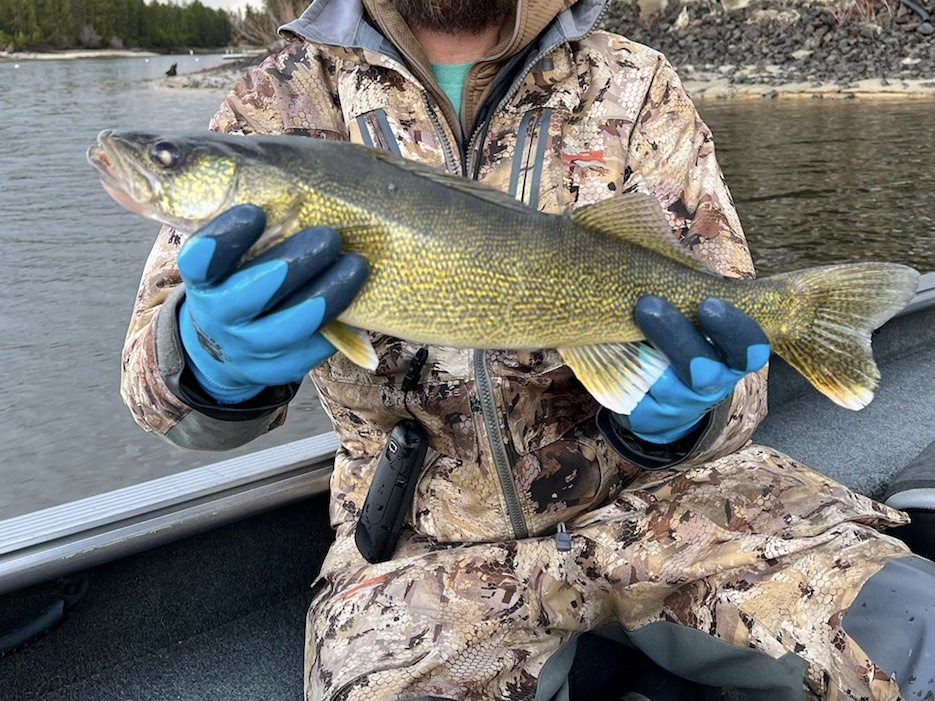
IDFG Confirms Second Walleye Found In Lake Cascade; Concerns About Fish Eventually Moving Downstream To Snake Reservoirs
May 11th, 2022
On Saturday, May 7, off-duty Regional Fisheries Biologist Mike Thomas was fishing the Boulder Creek arm of Lake Cascade with local angler Chris Weber, when Weber landed an illegally stocked, 20-inch, nearly 3-pound mature male walleye. This is the second report of walleye in Lake Cascade in the past four years – with the first report back in 2018, when an angler reported catching a 19-inch walleye near Crown Point.
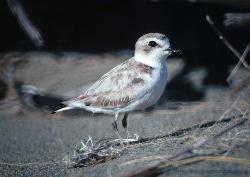
WDFW Seeking Comment On Snowy Plover Status Review; Less Than 100 Adult Birds
May 11th, 2022
The Washington Department of Fish and Wildlife is seeking public input on its draft periodic status review for snowy plover.

Columbia Riverkeeper Names Goldberg New Executive Director
May 4th, 2022
Columbia Riverkeeper’s Board of Directors unanimously named Lauren Goldberg the organization’s new Executive Director starting August 1, replacing Brett VandenHeuvel.
Rapidly Changing Energy Landscape: BPA Joins Regional Power Sales Market, Balances Supply/Demand Every Five Minutes
May 4th, 2022
The Bonneville Power Administration has joined the Western Energy Imbalance Market, which the agency says gives it another tool for marketing surplus power from the Federal Columbia River Power System.

Hood Canal Bridge Major Source Of Smolt Mortality (50 Percent) For ESA-Listed Puget Sound Steelhead; Slower Travel, High Predation
April 27th, 2022
The Hood River Canal Bridge is a major source of mortality for migrating steelhead smolts, according to new research by NOAA Fisheries Northwest Fisheries Science Center scientists and the non-profit Long Live the Kings. Approximately half the smolts tracked by researchers died attempting to get past the bridge or soon after.
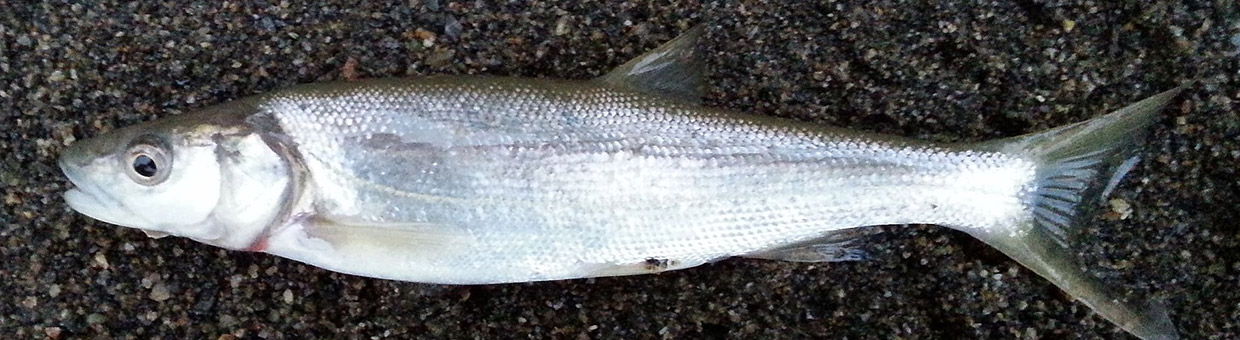
Northern Pikeminnow Sport Reward Fishery Starts With Higher Cash Payouts; Last Year One Angler Snagged $61,409
April 27th, 2022
In 2021, an angler brought in a cool $61,409 for hooking 7,185 salmon-eating northern pikeminnows from the Columbia River. That guy or gal could make even more this year.

PNNL’s New $75 Million ‘Grid Storage Launchpad’ Will Accelerate Energy Storage Innovation, Grid Resilience
April 27th, 2022
Last week, U.S. Sen. Maria Cantwell, D-WA, joined with science leaders to help break ground on a $75 million facility that will boost clean energy adoption and make the nation’s power grid more resilient, secure and flexible.

Letter To The Editor: When It Comes To Fish Passage Survival Data, The Devil In The Details
April 26th, 2022
This note responds to John McKern’s letter printed in the latest CBB.
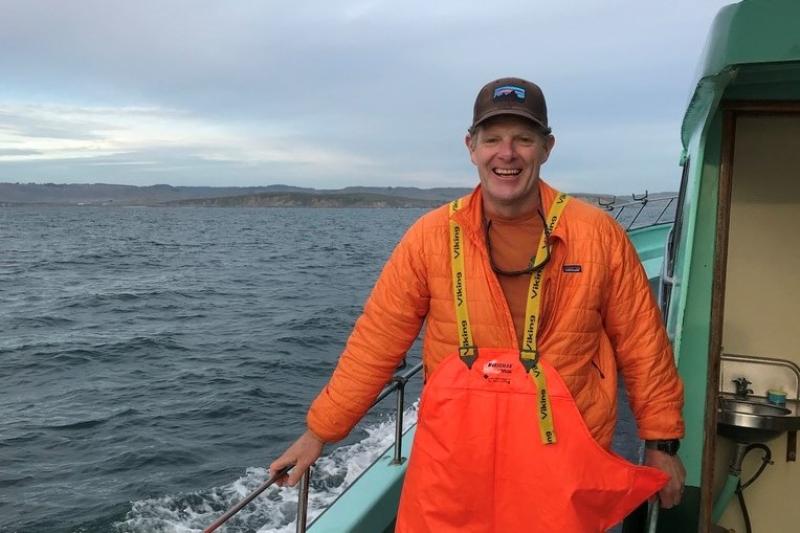
Q&A: NOAA Fisheries Scientist Talks About Studying Climate Change And Salmon, Anchovy Threat
April 20th, 2022
Growing up in a Northern Californian fishing town, NOAA Fisheries scientist Nate Mantua’s family owned a business connected to the local salmon fishing industry. When one of the worst El Niño events ever recorded hit the West Coast in 1982 and 1983, the salmon fishery his family relied on suffered. Mantua would go on to study how to predict El Niño events in graduate school. Now he works to understand the impacts of climate change.

Lawsuit Filed To Push USFWS To List Suckley’s Cuckoo Bumblebee Under ESA; Would Be Second Listed Bumblebee
April 20th, 2022
The Center for Biological Diversity filed a lawsuit this week to force the U.S. Fish and Wildlife Service to determine whether Suckley’s cuckoo bumblebees warrant protection under the Endangered Species Act.
Letters To The Editor: Spill And Spillway Detectors; 1880s Federal Salmon Reports
April 19th, 2022
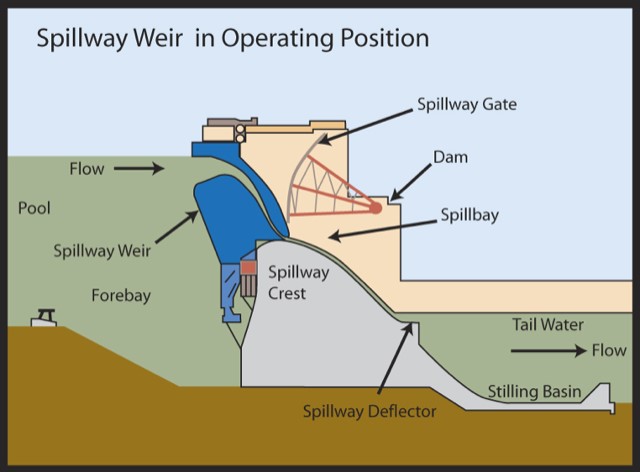
In the late 90s when we at the Walla Walla District, Corps of Engineers, came up with the concept for making spill safer for fish, our first idea was to dedicate one spill bay for overflow for juvenile fish passage.
Washington Tentatively Sets Salmon Fishing Seasons; Strong Coho Run Expected For Columbia River
April 14th, 2022
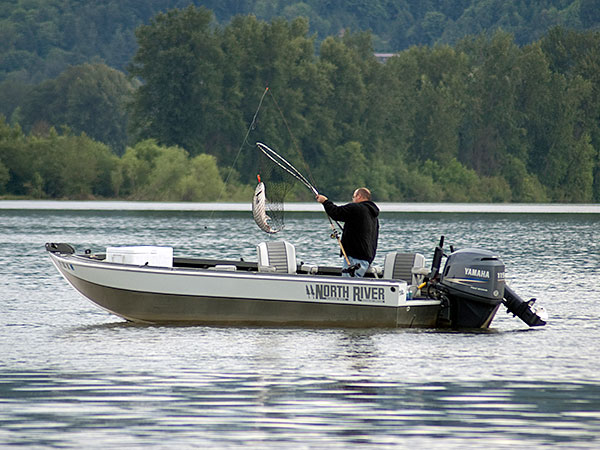
Anglers in Washington can expect similar salmon fishing opportunities this year compared to 2021, with some improved opportunities in the ocean driven by strong expected coho returns, state fishery managers have announced.
Good Expected Returns Has Seasons, Regs Set For Spring Chinook Fishing On Umatilla, Hood Rivers, No-Go For The Deschutes
April 13th, 2022
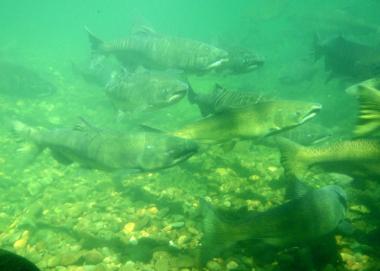
Spring Chinook fishing will open under normal permanent regulations on Oregon’s Umatilla River this year for the first time since 2018.
USFWS Reaffirms ESA Listing For Streaked Horned Lark, Lives in Northwest prairies, Columbia River Islands
April 13th, 2022
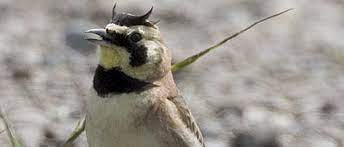
Following a thorough review of the best available science, the U.S. Fish and Wildlife Service has reaffirmed the listing of the streaked horned lark as threatened under the Endangered Species Act with a revised 4(d) rule.
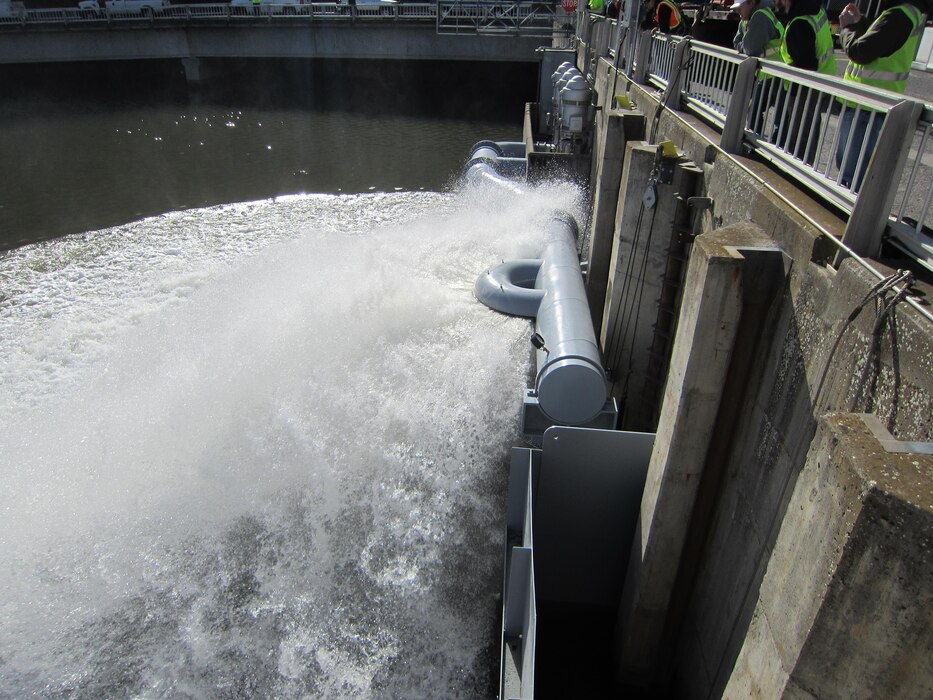
Letter To The Editor: Only U.S. Congress Has Authority To Breach Lower Snake Dams
April 13th, 2022
As a Fish and Wildlife Biologist for the Walla Walla District, Corps of Engineers from 1971 to 2000, I was there when disinformation and misinformation began to spread and hints of breaching the four lower Snake River dams started.

Fishery Managers Approve Recreational Sturgeon Fishery For Columbia River Estuary
April 7th, 2022
Fishery managers from Washington and Oregon last week approved an opportunity to catch and retain legal-size white sturgeon in the lower 40 miles of the Columbia River beginning May 11.

Biologists Begin Tagging Study Of Pike Movement, Breeding Areas In Three Western Montana Watersheds; Anglers Urged To Report Tagged Fish
April 7th, 2022
Montana Fish, Wildlife & Parks fisheries biologists began tagging northern pike in portions of the Bitterroot, Clark Fork, and Clearwater rivers this week as part of a new study on pike movement in the Missoula area. The success of the study depends on reports from anglers who catch tagged fish.

Oregon Ocean Science Trust Awards Over $1 Million To Ocean Researchers To Study Acidification, Hypoxia
April 7th, 2022
The Oregon Ocean Science Trust has awarded $1.1 million in state funding to ocean researchers to help Oregon better understand and monitor and ocean changes.
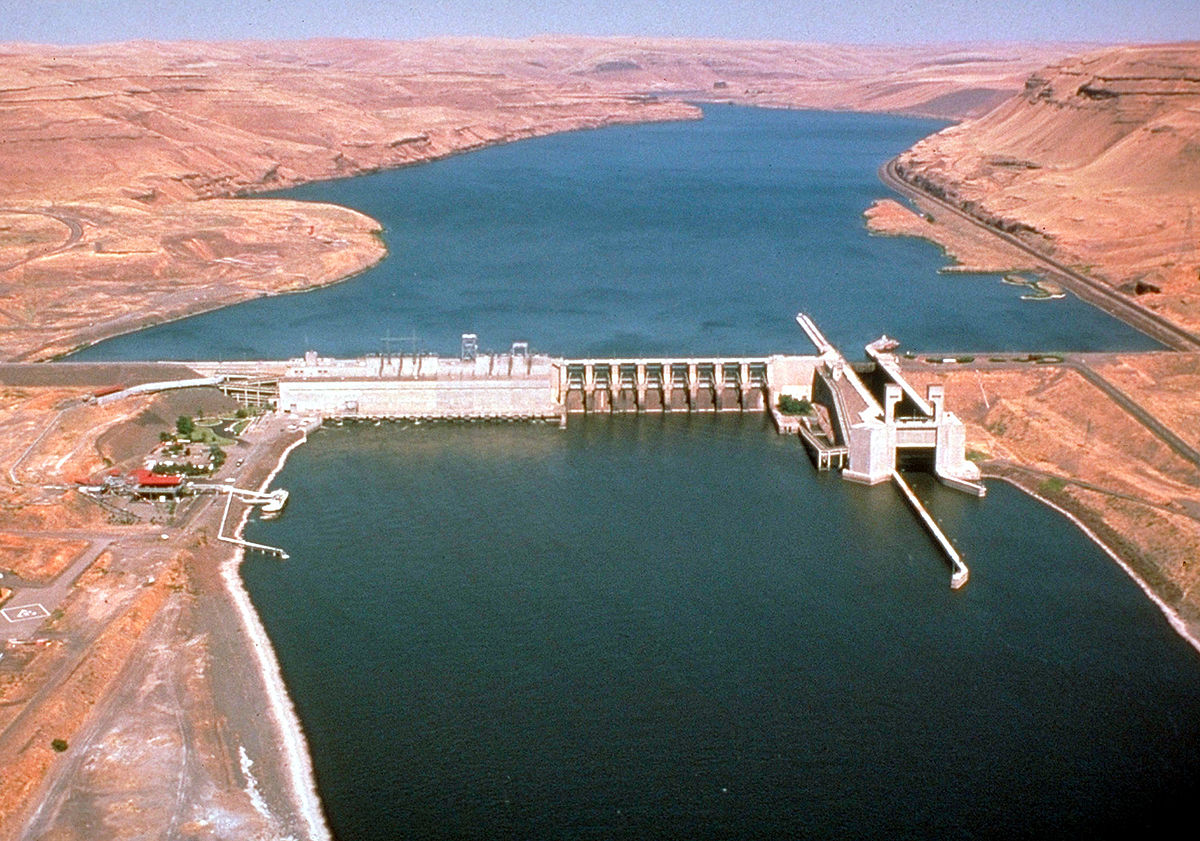
Letter To Editor: Time For Plaintiffs In Salmon BiOp Legal Challenge To Ask For Dam Breaching
April 7th, 2022
Most everyone watching the dam/salmon drama will be surprised to learn that the litigants in the decades-long case, have never asked for dam breaching as a solution to the problem. Never.
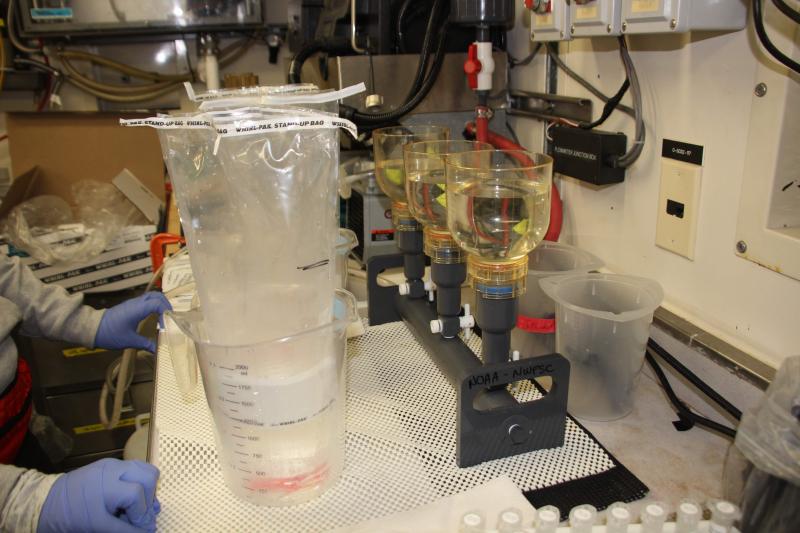
Not Only For Lakes, Rivers: NOAA Researchers Find E-DNA Can Detect Presence, Distribution Of Fish Over Large Ocean Areas
March 31st, 2022
Traces of DNA that fish species leave behind in the water can reveal the abundance and distribution of fish over large areas of the ocean as accurately as conventional fisheries survey methods, new research shows.

Dworshak Reservoir Loaded With (Record-High) Millions Of Small Kokanee, Gives Smallmouth Bass Opportunity To Beef Up
March 31st, 2022
Dworshak Reservoir is expected to be teeming with kokanee in 2022 based on annual surveys conducted in late summer 2021 that revealed record-high kokanee abundance in the reservoir, says Idaho Fish and Game.
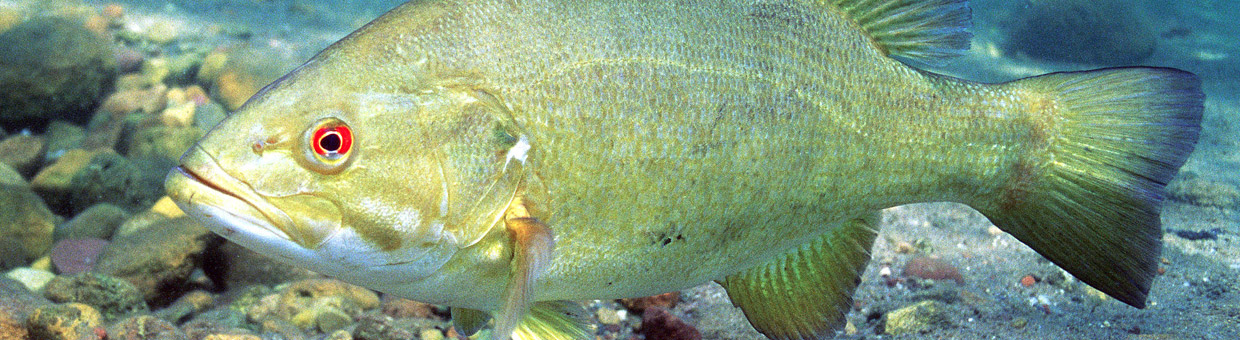
Bass Alert! Smallmouth Bass Caught Just Outside Yellowstone Park, Montana Preparing Emergency Rule
March 31st, 2022
An angler caught a smallmouth bass on Feb. 19 while fishing on the Gardner River at its confluence with the Yellowstone River, just outside of Yellowstone National Park.
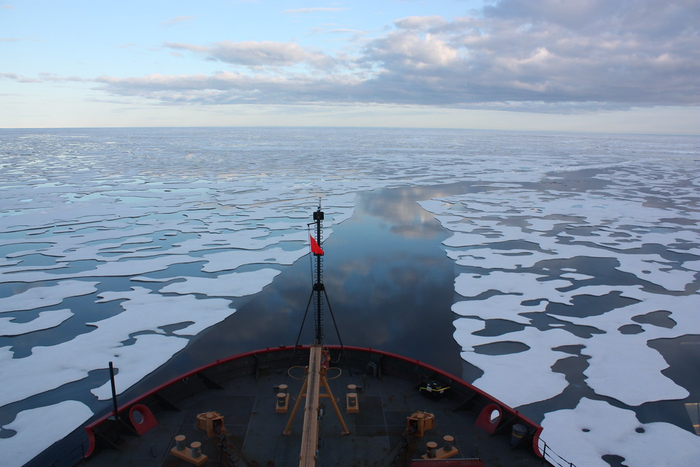
Russia-Ukraine War Has Cascading Consequences For Arctic; Impacts Fisheries, Wildlife Management, Natural Resource Extraction
March 31st, 2022
As Russia’s invasion of Ukraine takes center stage, remote areas of the Arctic are thrust to the front row of global impacts to the environment, economics and human security.
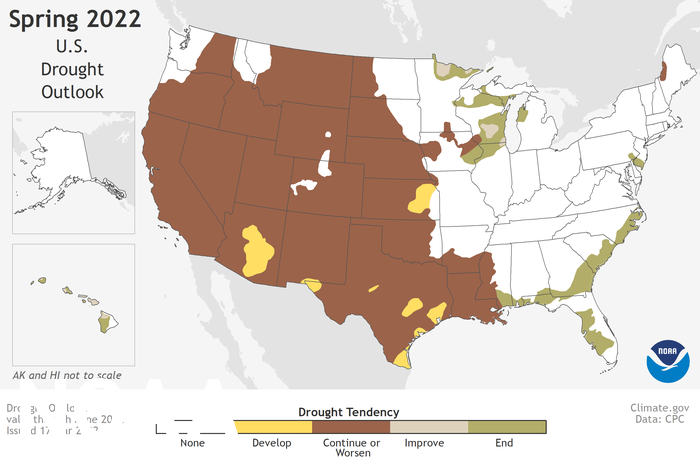
NOAA Spring Outlook Calling For Persistent Drought In West, Below Average Temps In Pacific Northwest
March 17th, 2022
NOAA issued its U.S. Spring Outlook today and for the second year in a row, forecasters predict prolonged, persistent drought in the West where below-average precipitation is most likely.
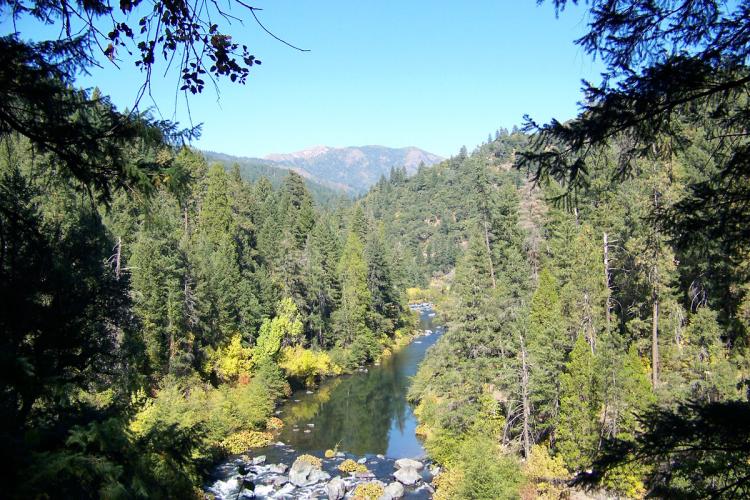
NOAA Fisheries Approves Habitat Conservation Plan With California’s Largest Private Forestland Owner; Goal Is To Protect Salmon Streams
March 17th, 2022
NOAA Fisheries has approved a Habitat Conservation Plan and Safe Harbor Agreement with California’s largest owner of private forestlands to protect habitat for salmon and steelhead.
Over 150 Groups Urge Congress To Sharply Increase USFWS Budget For Endangered Species Conservation, Blasts Inadequate Status Quo Funding
March 17th, 2022
Contending there is a global extinction crisis, more than 150 groups are urging Congress to significantly increase the U.S. Fish and Wildlife Service’s budget for endangered species conservation from $300 million to $704 million — an increase of more than $400 million over the fiscal year 2022 budget.
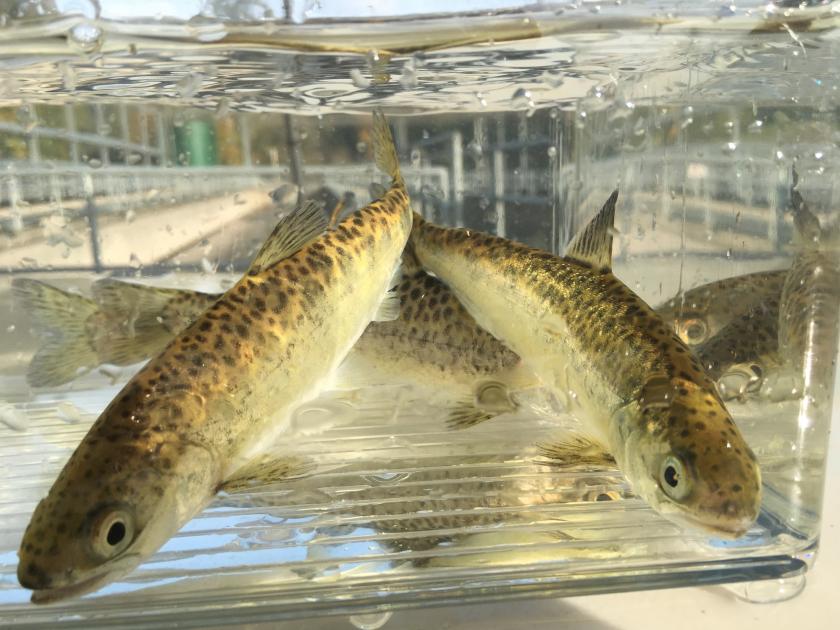
WDFW Seeking Additional Help Marking More Than 110 Million Hatchery Salmon, Steelhead
March 17th, 2022
The Washington Department of Fish and Wildlife is seeking additional help marking more than 110 million hatchery salmon and steelhead to identify them as hatchery fish before being released into state waters in 2022.
Washington Releases 2022 Salmon Forecasts For State Waters As Fishery Season-Setting Begins; Mixed Bag For Columbia/Snake
March 10th, 2022
Washington fishery managers have unveiled salmon run forecasts for state waters in 2022, with many forecasts looking similar to last year’s predictions, and some slight improvements or declines by area. Columba River fall chinook are forecasted to be well below the 10-year average, with coho double the average.
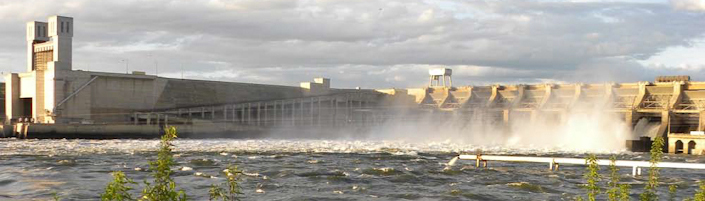
Corps Assembles, Begins Installing Second Advanced Technology Turbine At Ice Harbor Dam
March 10th, 2022
The US Army Corps of Engineers, Walla Walla District, in another stage of a $73 million project, has completed assembly on the second of three new advanced-designed hydroelectric turbines and begun its installation at Ice Harbor Lock and Dam, one of four dams on the lower Snake River.
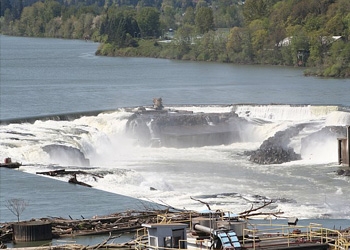
Integrated Water Science Basin: USGS Selects Willamette River Basin For In-Depth Study Of Water Supply, Demand, Conflicting Uses (Salmon)
March 10th, 2022
The U.S. Geological Survey selected the Willamette River Basin in the Pacific Northwest as the latest location for an in-depth examination of factors affecting water supply and demand.

Williams Sworn In As Director Of Fish And Wildlife Service
March 10th, 2022
Martha Williams has been sworn in as Director of the Fish and Wildlife Service by Interior Secretary Deb Haaland. Williams has been serving as Principal Deputy Director of the Fish and Wildlife Service since January 20, 2021, exercising the delegable authority of the Director.

EDITOR’S NOTEBOOK: Do You Have Something To Say About Columbia Basin Fish and Wildlife Issues?
March 10th, 2022
If you have something on your mind about Columbia Basin salmon recovery and other fish and wildlife and natural resource issues, we want to hear from you. That’s why I am launching Letters To The Editor.
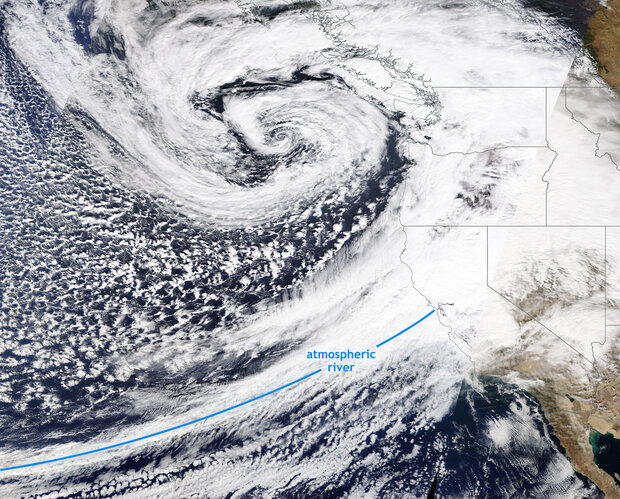
GUEST COLUMN: When Rivers Reach The Sky; Atmospheric Rivers Large Contributor To U.S. West’s Annual Rain, Snow Totals
March 3rd, 2022
This past December, a mind-boggling 18 feet of snowfall fell in the California Sierra Nevada Mountains! How does so much snow fall in one place in such a short period of time? One of the primary phenomena responsible for such extreme rain and snowfall, particularly in regions like the western U.S., is the atmospheric river. Like their terrestrial counterparts, atmospheric rivers carry tremendous amounts of water over thousands of miles. These aerial versions, however, often bring both severe disruption and great benefit through the heavy rain and mountain snows that they produce.
Inslee Appoints KC Golden To Represent Washington On Northwest Power And Conservation Council
March 3rd, 2022
Washington Gov, Jay Inslee has appointed KC Golden to serve a three-year term on the Northwest Power and Conservation Council. His term, which begins Monday, March 7, will extend until January 15, 2025. Golden replaces Pat Oshie who announced his departure earlier this year.

Sturgeon Conservation: IDFG, Idaho Power Using Genetic Testing To Ensure All Hatchery Sturgeon Released Into Snake River Can Reproduce
March 3rd, 2022
The first year-class of white sturgeon reared in Idaho’s Niagara Springs Sturgeon Hatchery recently underwent genetic testing to ensure that all fish released into the Snake River are capable of reproducing. These fish are unique from a typical hatchery fish, like rainbow trout, which are typically sterile when they are stocked so they can’t successfully spawn with wild fish.
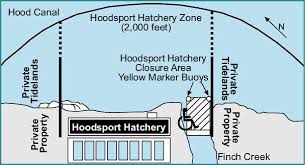
Washington Hatchery Loses Over 3.5 Million Chum Salmon Fry When Flooding Brought Debris To Water Intake System
March 3rd, 2022
Hatchery crews at Hoodsport Hatchery on Washington state’s Hood Canal identified a loss of more than 3.5 million chum salmon fry early Monday morning following extreme flooding that resulted in significant debris in the hatchery’s water intake system.

To Protect Declining Wild Steelhead Washington State Shuts Down All Sport Fishing On Coast, Strait Of Juan De Fuca
February 24th, 2022
In an effort to meet management objectives and provide necessary protection for dwindling wild steelhead populations, the Washington Department of Fish and Wildlife Wednesday announced a full closure to all sport fishing
$22,500 Reward For Another Killing Of Collared Wolf In Northeast Oregon; Washington Proposes New Wolf-Livestock Conflict Rule
February 24th, 2022
Conservation and animal-protection groups announced a combined $22,500 reward this week for information leading to a conviction in the killing of a collared wolf outside the town of Cove in northeast Oregon.
Climate Change Has Increased Chances Of Extreme Autumn Fire Weather In West By 40 Percent
February 24th, 2022
The likelihood of hot, dry, windy autumn weather that can set the stage for severe fires in California and western Oregon has increased 40% due to human-caused climate change, new computer models show.

WDFW Seeks Comment On Proposal To State List Cascade Red Fox As Threatened, Found Only In SW Cascades
February 24th, 2022
The Washington Department of Fish and Wildlife is seeking public input on its draft status report for the Cascade red fox.
EDITOR’S NOTEBOOK: What Does It Look Like When A Federal Judge Takes Over? Check Out Willamette River Basin
February 22nd, 2022
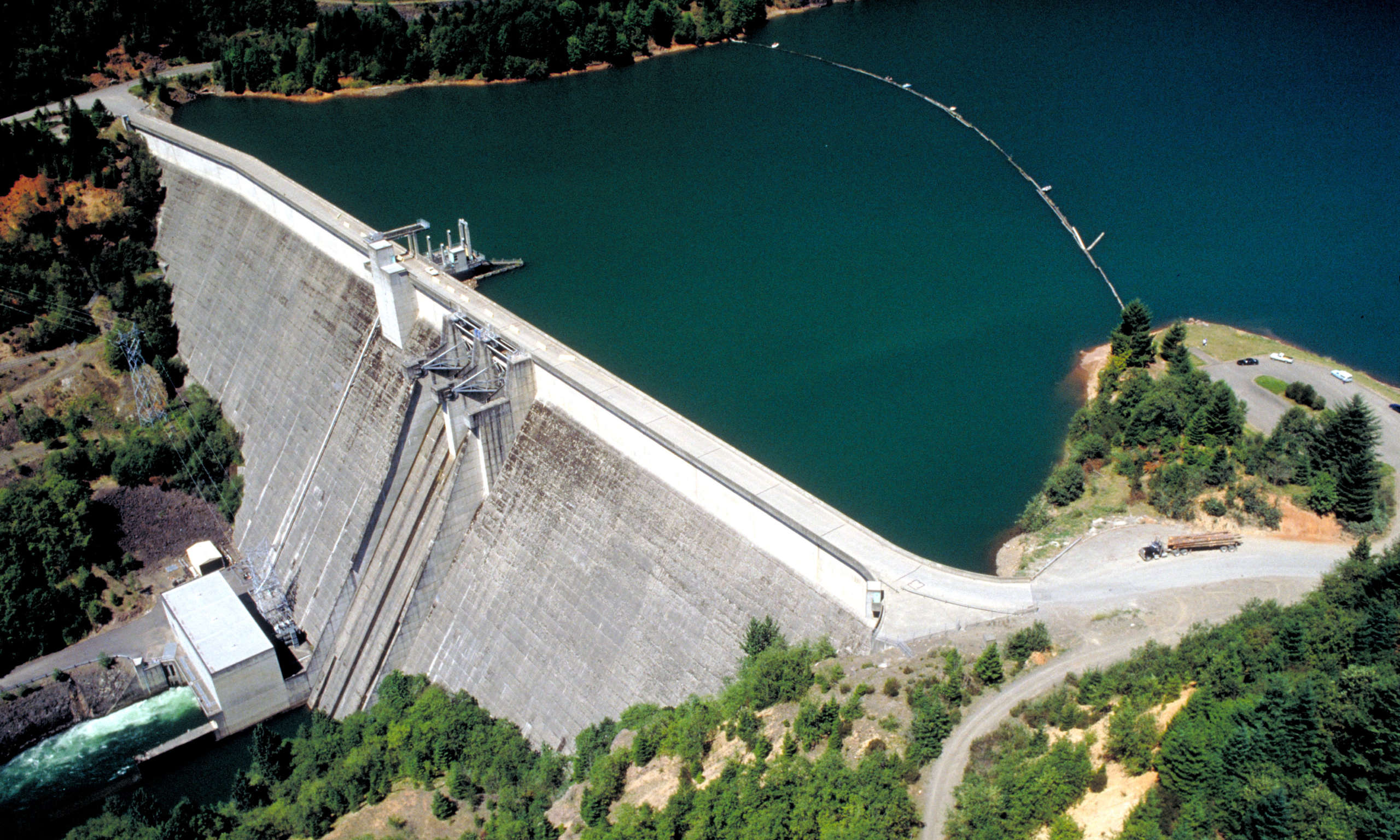
Interesting things are happening in Oregon’s Willamette River basin when it comes to salmon and steelhead recovery. Maybe even a little overlooked for their significance. An Oregon federal judge is running the river, issuing significant directions for how federal dams and reservoirs should be operated to benefit fish.
California Federal Judge Restores Protections For Some Gray Wolf Populations, Northern Rockies Wolves Not Covered
February 17th, 2022
A federal judge last week restored protection to some gray wolf populations, reversing a Trump-era rule that removed Endangered Species Act protection from the animals across most of the country. Today’s ruling prohibits wolf hunting and trapping in states outside of the northern Rocky Mountains.

Interior Releases Blueprints To Congress For Spending Over $30 Billion In Infrastructure Spending
February 17th, 2022
Several bureaus across the Department of the Interior submitted to Congress their fiscal year 2022 blueprints for spending over $30 billion implementing the infrastructure bill approved last year.
Abnormally Low Flows In South Oregon Coast Streams Exposing Redds To Disturbance: Don’t Cross Stream With That ATV
February 17th, 2022
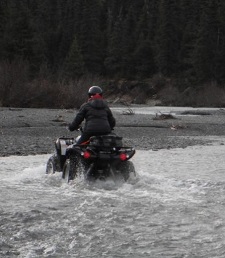
Abnormally low water this time of year in south coast streams is leaving native fish and redds vulnerable to disturbance. Wild winter steelhead are just starting to spawn while fall chinook fry are leaving their redds and emerging from stream gravel.
BPA Net Revenues Off To Blistering Start For 2022; First Quarter Brought In $278 Million Above Forecast
February 10th, 2022
The Bonneville Power Administration this week reports that its “strong 2021 financial performance” has carried into the first quarter of 2022. BPA’s current net revenue forecast is $456 million compared to a rate case net revenue forecast of $178 million.
Deschutes River Conservancy Included In Reclamation’s $20 Million Funding Package For Long-Term Drought Resiliency
February 10th, 2022
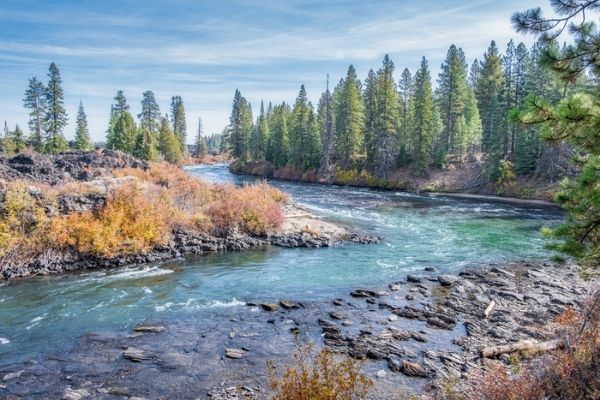
The Deschutes River Conservancy is receiving $1.3 million as part of the Bureau of Reclamation’s $20.5 million package for a suite of 13 long-term drought resiliency projects in five Western states. The Deschutes Basin was the only project site to be selected in the Northwest.
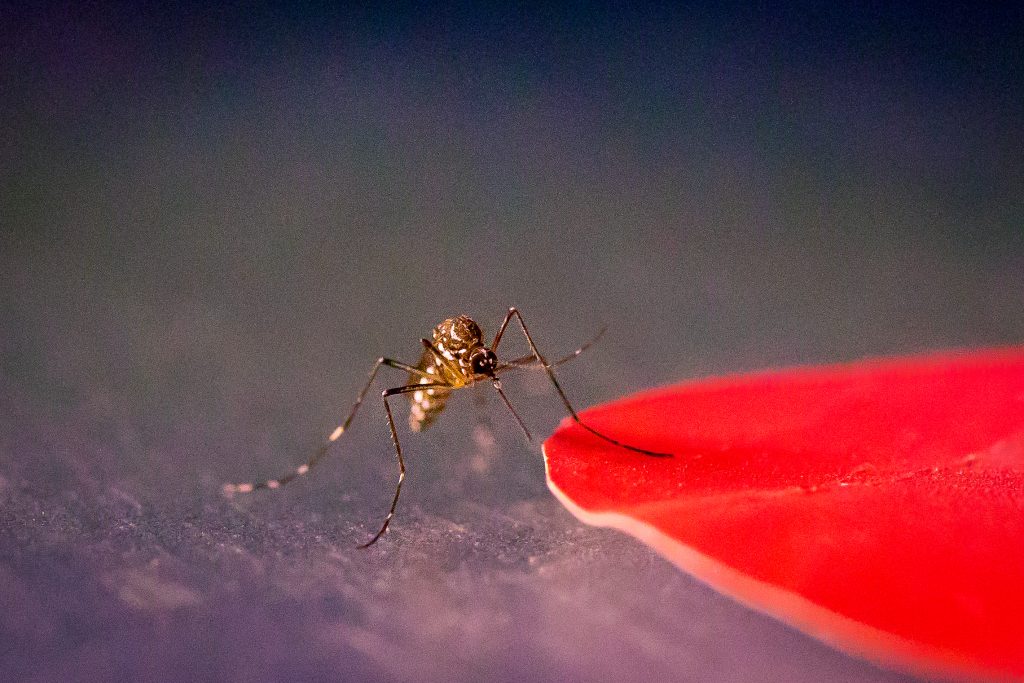
Don’t Bug Me: New UW Research Has Advice For Hiding From Mosquitoes – Hint, Don’t Wear Red
February 10th, 2022
Beating the bite of mosquitoes this spring and summer could hinge on your attire and your skin. New research led by scientists at the University of Washington indicates that a common mosquito species — after detecting a telltale gas that we exhale — flies toward specific colors, including red, orange, black and cyan.
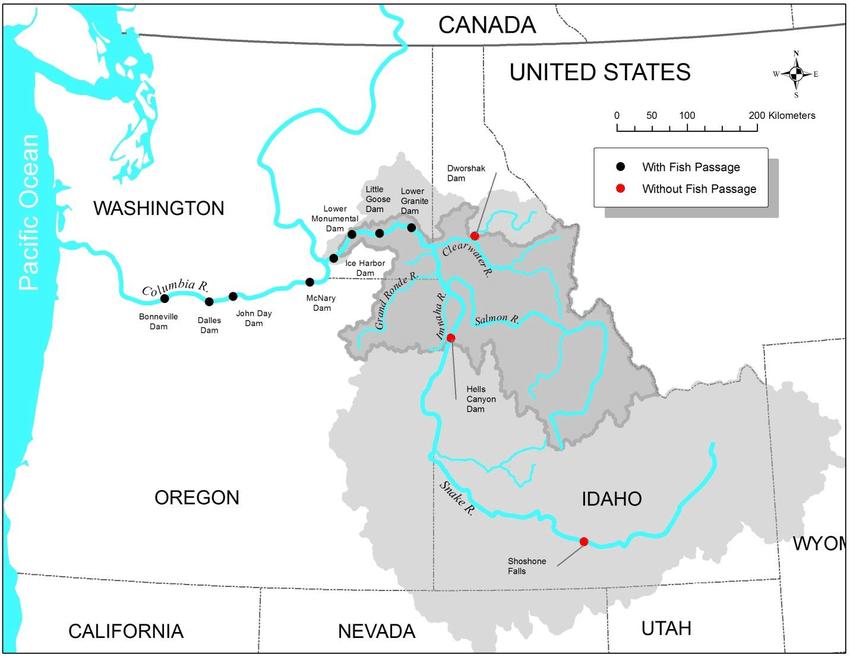
EDITOR’S NOTEBOOK: Timely Council Analysis Of Impacts Of Dam Breaching On Power Supply Would Be Useful For The Region
February 9th, 2022
Whether the lower Snake River dams should be breached to revive flagging wild salmon and steelhead runs is certainly a top regional issue. And what the impacts would be to the Northwest power supply is a key factor in the breach/no breach debate.

GUEST COLUMN: Tipping Point Theory — Are There Too Many Salmon in the North Pacific Ocean?
February 3rd, 2022
At the Third NPAFC-IYS Virtual Workshop on Linkages between Pacific Salmon Production and Environmental Changes that took place in May 2021, we hypothesized that an overabundance of salmon, combined with effects of recent marine heat waves, may have been responsible for unexpectedly low returns of all five species of Pacific salmon across the North Pacific in 2020.

Equipment Failure Leads To Steelhead Losses At Lyons Ferry Hatchery, WDFW To Implement Additional Safeguards
February 3rd, 2022
Hatchery crews at Lyons Ferry Hatchery in southeast Washington state detected a loss of roughly 249,770 steelhead smolts late last week due to an equipment failure that allowed smolts to escape a rearing pond and make their way into the mainstem Snake River.

GUEST COLUMN: Declining Salmon Counts On Salmon River Flashing Red Light Warning Extinction
February 3rd, 2022
On a map, the heart of Idaho is the Middle Fork of the Salmon River, and its nearly two million-acre watershed. This is a big, wild heart.
Idaho Documents Latest Wolf Population Numbers, Impacts Of Expanded Hunting, Trapping That Began In July
February 3rd, 2022
Idaho’s wolf population has remained stable and consistent over the last three years based on camera surveys done last summer and since 2019. The 2021 population estimate for Aug. 1 was 1,543 wolves. The 2020 and 2019 estimates were 1,556 and 1,566.

DOE Awards $25 Million For Projects Supporting Wave Energy Testing At PacWave South Off Oregon Coast
February 3rd, 2022
The U.S. Department of Energy announced $25 million in funding to support increased research, development, and demonstration of technologies that harness wave power to create electricity. The funding supports eight projects that will make up the first round of open-water testing at the PacWave South test site off the Oregon coast.
WDFW Seeks Updated Information On 14 Species Listed Under State ESA; Includes Turtles, Whales, Otters
February 3rd, 2022
The Washington Department of Fish and Wildlife is seeking updated information for 14 wildlife species as part of a periodic review of species that are state-listed as endangered, threatened, or sensitive.

Agriculture Announces $3 Billion Effort To Address Wildfires; Reduce Hazardous Fuels On Up To 50 Million Additional Acres In ‘Firesheds’
January 27th, 2022
Agriculture Secretary Tom Vilsack and Forest Service Chief Randy Moore have launched a comprehensive response to the nation’s growing wildfire crisis – “Confronting the Wildfire Crisis: A Strategy for Protecting Communities and Improving Resilience in America’s Forests.”

Utilities, BPA Propose New Plan For Proposed 300-Mile Oregon-Idaho Transmission Line
January 27th, 2022
Idaho Power, PacifiCorp and the Bonneville Power Administration have reached a non-binding agreement that they say would “help meet growing customer demand, improve safety and reliability, and reinforce the Pacific Northwest transmission system.”
Council: 2020 Carbon Dioxide Emissions From PNW Coal/Gas Power Plants Lowest In 25 Years
January 27th, 2022
In 2020, carbon dioxide emissions from Pacific Northwest power plants that burn coal and natural gas totaled 45.64 million metric tons, the lowest in at least 25 years and a roughly 20-percent decline from emissions in 2019 (2020 is the latest year for which emissions data is available). The data reflects emissions from electricity generation at power plants and does not account for ‘upstream’ emissions from, for example, coal mining and gas production.
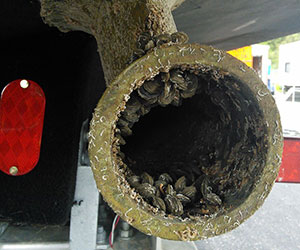
Call Before You Haul: PSMFC Initiates New Program For Boat Transporters To Prevent Spread Of Invasive Species
January 13th, 2022
The Pacific States Marine Fisheries Commission has initiated a new program to prevent delays during the transport of watercraft destined for the states of Washington, Oregon, Idaho, and Montana. The program, “Call Before You Haul,” provides a toll-free phone number boat transporters can call prior to transporting watercraft from outside the Pacific Northwest to one of the states. The program is currently being piloted in 10 states and is intended to be expanded to all states in 2022.
Heat Domes, Fires, Hurricanes, Tornadoes: 2021 Extreme Weather Leads To Second-Highest Number Of Climate Disasters
January 13th, 2022
The year 2021 was marked by extremes across the U.S., including exceptional warmth, devastating severe weather and the second-highest number of billion-dollar weather and climate disasters on record.

Deschutes River Fly Fisherman May Have Caught World Record Mountain Whitefish, Oregon Record For Sure
January 13th, 2022
Alex Dietz of Bend was fly fishing with an egg pattern on the Deschutes River outside Warm Springs on Dec. 19, 2021 when he hooked a 5 pound 12 oz, 24-inch long mountain whitefish with a 14 inch girth.
Interior Seeks Nominations For Committee To Replace Derogatory Geographic Names
January 13th, 2022
The Department of the Interior announced today that it is seeking nominations for members of the new Advisory Committee on Reconciliation in Place Names. The committee will identify geographic names and federal land unit names that are considered derogatory and solicit proposals on replacement names.

NOAA To Consider ESA Protections For Declining Sunflower Sea Star, Key To Healthy Kelp Forests Along West Coast
January 6th, 2022
NOAA Fisheries is seeking information about the sunflower sea star, a large sea star native to the West Coast. The agency is trying to determine whether the species warrants listing under the Endangered Species Act.
Feedback To Editor’s Notebook: ‘A Future Without Wild Salmon Is A Future Without Salmon’
December 26th, 2021
Thank you for your concise summary of a busy year in the region’s long-running efforts to recover salmon and steelhead in the Columbia Basin. I share your view that Congressman Simpson did us a great service by coming forth with a bold proposal to remove the lower Snake River dams and invest in alternative ways of providing the dams’ benefits, and I am grateful for his leadership.
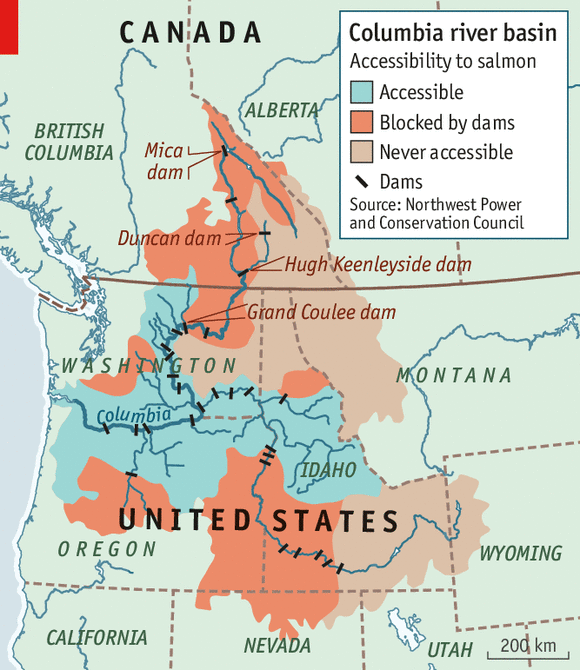
Eleventh Round Columbia River Treaty: Parties Discussed Ecosystem Priorities, Flood Control, Operations Flexibility
December 16th, 2021
Canada and the United States met on December 9 to advance talks on the modernization of the Columbia River Treaty. During this round, the United States and Canada discussed ecosystem priorities, post-2024 flood risk management, and Canada’s desire for more operational flexibility.
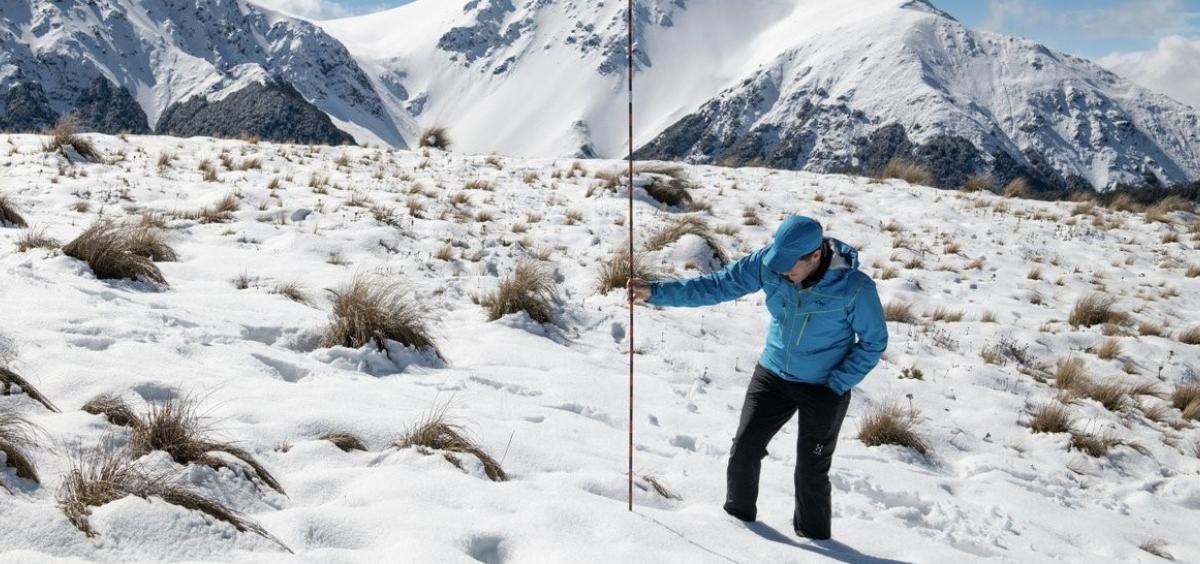
Prize Competition Launched To Improve Snowpack Water Forecast Techniques For U.S. West
December 16th, 2021
The Bureau of Reclamation is launching a new prize competition for improved snowpack water forecast techniques throughout the West. Developing better techniques to determine the amount of water stored as snowpack provides water managers more accurate information to make better water management decisions.

Rewards Continue To Grow For Information On Poisoning of Entire Wolf Pack In Oregon
December 9th, 2021
Rewards topped $43,000 this week for information on poisoning of the Catherine wolf pack in Oregon earlier this year.

USFWS EIS Addresses Plummeting Population Decline Of Hart Mountain Bighorn Sheep Due To High Cougar Predation, Poor Habitat
December 9th, 2021
The U.S. Fish and Wildlife Service is announcing a Notice of Availability for the final Environmental Impact Statement to address a significant decline in the California bighorn sheep population on Hart Mountain National Antelope Refuge.
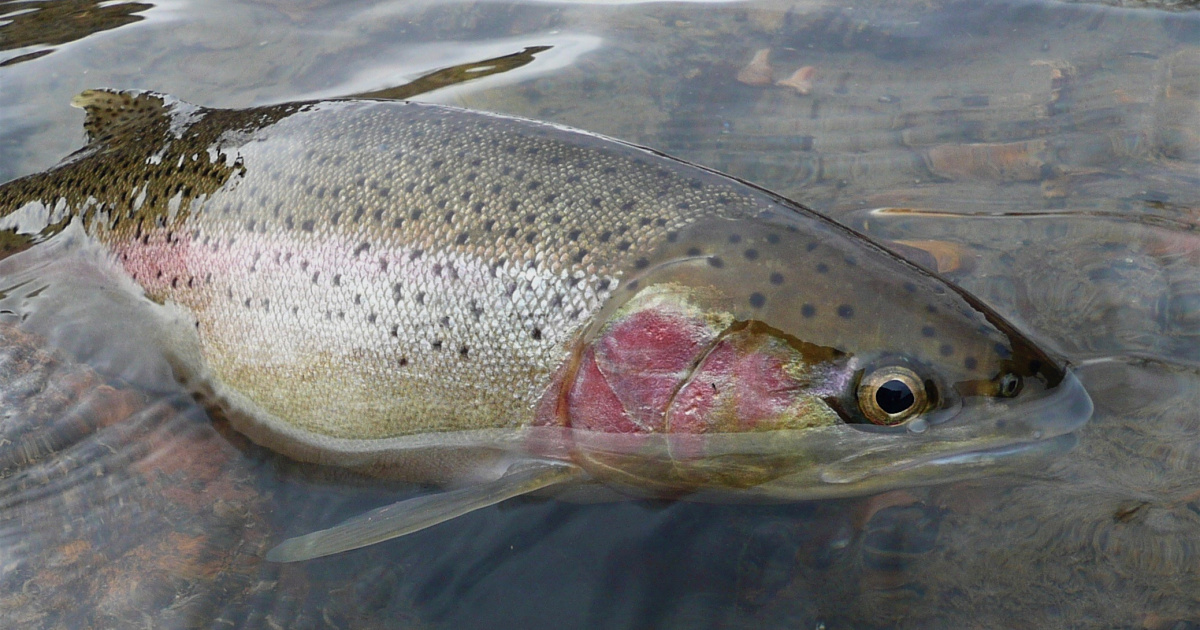
State, Tribal Fish Managers Announce Steelhead Fishing Closures, Restrictions For Washington Coastal Rivers; ‘Stark Reality Of Dwindling Runs’
December 2nd, 2021
Amid forecasts for low steelhead returns, the Washington Department of Fish and Wildlife and tribal co-managers at the Hoh Tribe, Quileute Tribe, and Quinault Indian Nation, this week announced restrictions to sport and tribal fishing on Washington coastal rivers.
Low-Head Dam Removal On Clackamas River Tributary (Oregon) Opens Up Miles Of Rearing, Spawning Habit For Salmonids, Lamprey
December 2nd, 2021
More than 13 miles of fish rearing and spawning habitat has been restored on Oregon’s Eagle Creek, a tributary of the Clackamas River, after the Oregon Department of Fish and Wildlife and partners removed the Eagle Fern Dam earlier this year.

EPA Seeking Applications For Projects To Reduce Toxics In Columbia River Basin, Webinar Dec. 14
December 2nd, 2021
The U.S. Environmental Protection Agency, under its Columbia River Basin Restoration Program, is issuing two Request for Applications from eligible entities to improve water quality in the Lower Columbia River Estuary and/or the Middle and Upper Columbia River Basin through specific actions to reduce toxics, increase toxics monitoring, and/or increase public education and outreach on pollution prevention to reduce toxics.

Bureau Of Land Management To Evaluate Sage-Grouse Protection Plans, Consider Updates
December 2nd, 2021
In order to protect the long-term health of sage-grouse populations, review new science and comply with court direction, the Bureau of Land Management is beginning a process to consider updates to the range-wide management plans for sagebrush habitat adopted in 2015 and amended in 2019.
Renewals Of Tribal Treaty Rights, Sacred Sites MOUs Announced; Stresses Early Consideration Of Treaty Rights In Decision-Making
November 18th, 2021
Alongside national tribal leaders and federal partners at this week’s 2021 White House Tribal Nations Summit, the Environmental Protection Agency announced renewals of the Tribal Treaty Rights Memorandum of Understanding and the Sacred Sites Memorandum of Understanding.
NOAA Research: Preserving Genetic Diversity Gives Small Populations Of Wild Pacific Salmon Best Chance At Long-Term Survival
November 18th, 2021
Researchers find that maintaining genetic variation is critical to allowing wild populations to survive, reproduce, and adapt to future environmental changes.

Former State Legislator Burdick New Oregon Member Of Northwest Power/Conservation Council
November 18th, 2021
Former Oregon state legislator Ginny Burdick joined the Northwest Power and Conservation Council this month, replacing Richard Devlin.
USFWS Finalizes Rule Reversing Trump Administration’s Critical Habitat For Spotted Owl, Adds Millions Of Acres
November 11th, 2021
The U.S. Fish and Wildlife Service is finalizing a revised designation of critical habitat under the Endangered Species Act for the northern spotted owl, returning to the designation millions of acres excluded by the Trump Administration.

NOAA Takes First Steps To Designate New 7,000 Square-Mile Marine Sanctuary Off Central California Coast
November 11th, 2021
NOAA this week announced it is seeking public comment on the first steps toward designating a new national marine sanctuary in a 7,000 square mile area off the central California coast, adjacent to San Luis Obispo and Santa Barbara counties.
Upper Columbia/Okanagan River ‘One River, Ethics Matter’ Conference To Focus On Modernizing Columbia River Treaty
November 11th, 2021
The “Upper Columbia / Okanagan River 2021: One River, Ethics Matter” conference, hosted by Okanagan Nation Alliance and University of British Columbia Okanagan campus, will be held Nov. 17-18.

Study Highlights Importance Of Protecting Salmon’s Varied Life Histories To Help Survive Climate Change; ‘Rarest Behaviors May Be Most Important In Future’
November 4th, 2021
In drought years and when marine heat waves warm the Pacific Ocean, late-migrating juvenile spring-run Chinook salmon of California’s Central Valley are the ultimate survivors. They are among the few salmon that return to spawning rivers in those difficult years to keep their populations alive, says a new study.
CRITFC Selects Yakama Nation’s Aja DeCoteau As New Executive Director
November 4th, 2021
The Columbia River Inter-Tribal Fish Commission announced that Aja K. DeCoteau was selected as the organization’s new executive director at its October meeting, effective November 1.
Puget Sound Report Shows Few Recovery Indicators Meeting Targets; Salmon, Orca Abundance Least Progress
November 4th, 2021
Puget Sound is not doing well, says the 2021 State of the Sound Report issued by the Puget Sound Partnership.
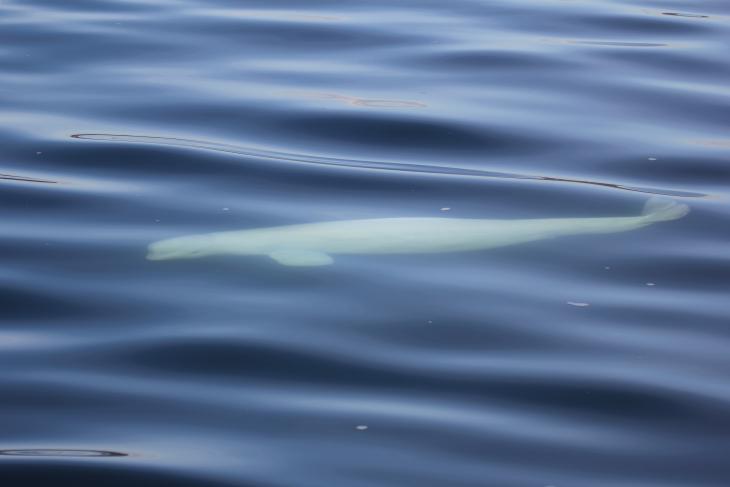
Beluga Whale Travels Thousands Of Miles From Arctic To Puget Sound, Last Sighted Near Tacoma
October 28th, 2021
Scientists have collected genetic material from the beluga whale that was first sighted in Puget Sound in early October. It indicates that the whale is likely from a large population of beluga whales in the Beaufort Sea, part of the Arctic Ocean north of Alaska.
OSU Research First Documentation ‘Community Snow Observations’ (Citizen Scientists) Improve Snowpack Modeling
October 28th, 2021
Data gathered by backcountry skiers, avalanche forecasters and other snow recreationists and professionals has the potential to greatly improve snowpack modeling, research by the Oregon State University College of Engineering indicates.

Remove A Barrier To Salmon, Steelhead Passage? Washington Board Accepting Grant Proposals
October 21st, 2021
The Brian Abbott Fish Barrier Removal Board will accept grant proposals beginning in November for projects to remove barriers that prevent salmon and steelhead from swimming upstream.

PGE Announces $1 Million Grant To Deschutes Land Trust For Crooked River Habitat Restoration To Aid Salmon, Steelhead
October 21st, 2021
Portland General Electric and the Confederated Tribes of Warm Springs, co-owners of the Pelton Round Butte hydroelectric project on central Oregon’s Deschutes River, this week announced a $1 million grant to the Deschutes Land Trust for habitat restoration aiding migratory salmon in the Crooked River.
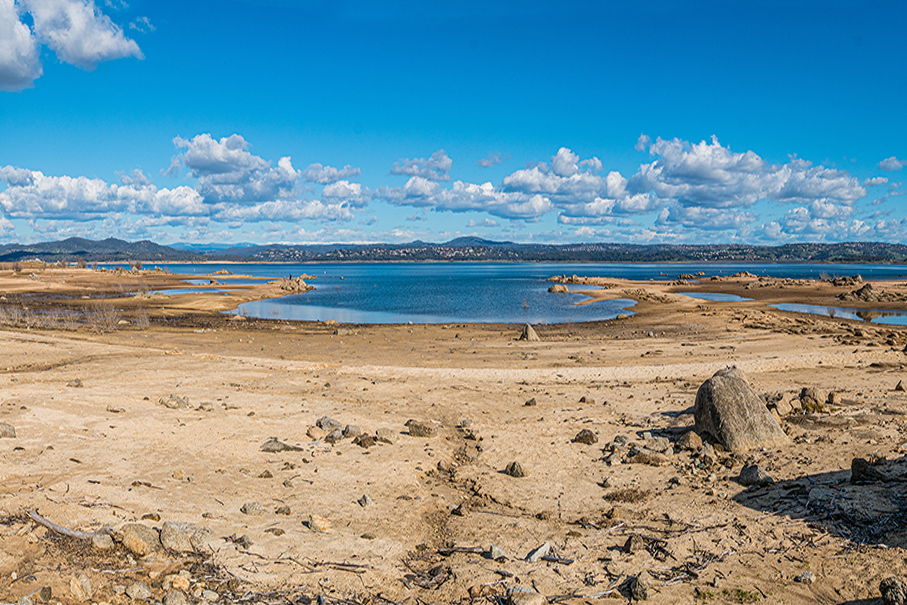
Bureau Details Water Woes In California’s Central Valley: Reservoirs Down 52 Percent, Largest Source Of State’s Irrigation Water
October 21st, 2021
As severe drought conditions continue, the Bureau of Reclamation’s Central Valley Project began the 2022 water year with 3.21 million acre-feet of water—one of the lowest starting points in recent years at 52 percent of a 15-year average.
NOAA Issues Winter Outlook Dec-Feb, Wetter Than Average For Pacific Northwest, Northern Rockies
October 21st, 2021
In NOAA’s 2021 Winter Outlook issued today — which extends from December 2021 through February 2022 — wetter-than-average conditions are anticipated across portions of the Northern U.S., primarily in the Pacific Northwest, northern Rockies, Great Lakes, Ohio Valley and western Alaska.
Inslee, Murray Plan To Release By Next Summer Assessment Of Breaching Lower Snake Dams, Replacing Services
October 15th, 2021
Washington Gov. Jay Inslee and Sen. Patty Murray are exploring options to breach the lower Snake River dams and replace the benefits they provide, Inslee told a virtual gathering of Washington environmentalists Thursday.
All Gamefish Limits Lifted At Eastern Oregon Reservoir Due To Drought, Low Water
October 14th, 2021
Due to drought conditions and low water levels, the Oregon Department of Fish and Wildlife has lifted all size limits (minimum and maximum), daily limits for all species of fish and gear limits from Oct. 11 through Dec. 31, 2021, in the Malheur Reservoir.
Bonneville Power Makes Annual Treasury Payment Of $1.05 Billion
October 14th, 2021
The Bonneville Power Administration made its 38th consecutive U.S. Treasury payment Oct. 5, on time and in full. This year’s $1.05 billion payment brings BPA’s cumulative payments to the Treasury to more than $32 billion since 1984.
Study: Rapidly Warming Arctic Setting Stage For Dangerous Bloom Events In Western, Northern Alaska Waters
October 14th, 2021
Changes in the northern Alaskan Arctic ocean environment have reached a point at which a previously rare phenomenon—widespread blooms of toxic algae—could become more commonplace. These blooms potentially threaten a wide range of marine wildlife and the people who rely on local marine resources for food.

La Nina Is Here For The Winter: Likely Cold, Snow For Northwest, Drier Farther South
October 14th, 2021
A La Nina has developed and will extend through the second winter in a row, according to NOAA’s Climate Prediction Center — a division of NOAA’s National Weather Service. La Nina is a natural ocean-atmospheric phenomenon marked by cooler-than-average sea surface temperatures across the central and eastern Pacific Ocean near the equator and is translated from Spanish as “little girl.”
UW Climate Impacts Group, Nine Partners, Launch Northwest Climate Resilience Collaborative
September 30th, 2021
The UW Climate Impacts Group, along with nine community, nonprofit, and university partners, is launching a program of community-led, justice-oriented climate adaptation work across Washington, Oregon, Idaho and Montana. The Northwest Climate Resilience Collaborative will be founded with a five-year, $5.6 million grant from the National Oceanic and Atmospheric Association.
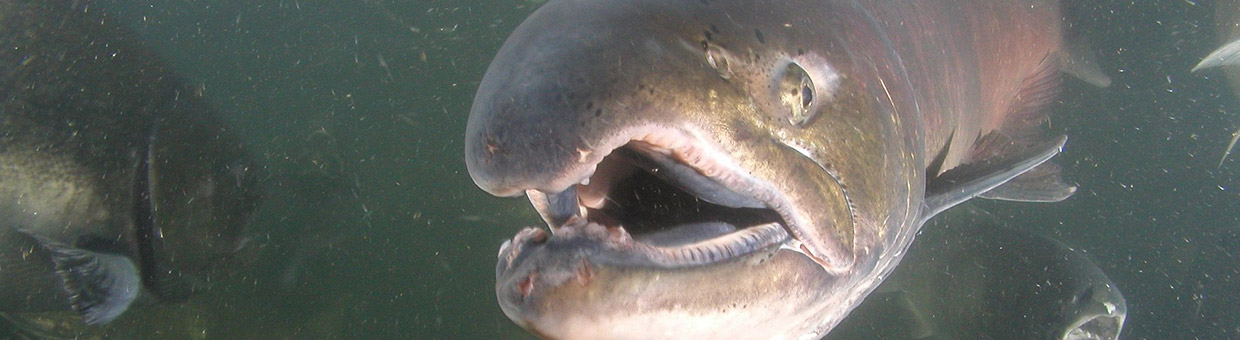
WDFW Seeks Public Comment On Effort To Rebuild Puget Sound Chinook Salmon; Fish ‘In Crisis’
September 30th, 2021
The Washington Department of Fish and Wildlife is looking for public feedback on a scoping document to inform actions to conserve and rebuild Puget Sound Chinook salmon.

USFWS Proposes Removing 23 Extinct Species From ESA: Stresses Efforts To Stem ‘Extinction Crisis’
September 30th, 2021
The U.S. Fish and Wildlife Service is proposing to remove 23 species from the Endangered Species Act due to extinction, including the ivory-billed woodpecker, last seen in 1944.
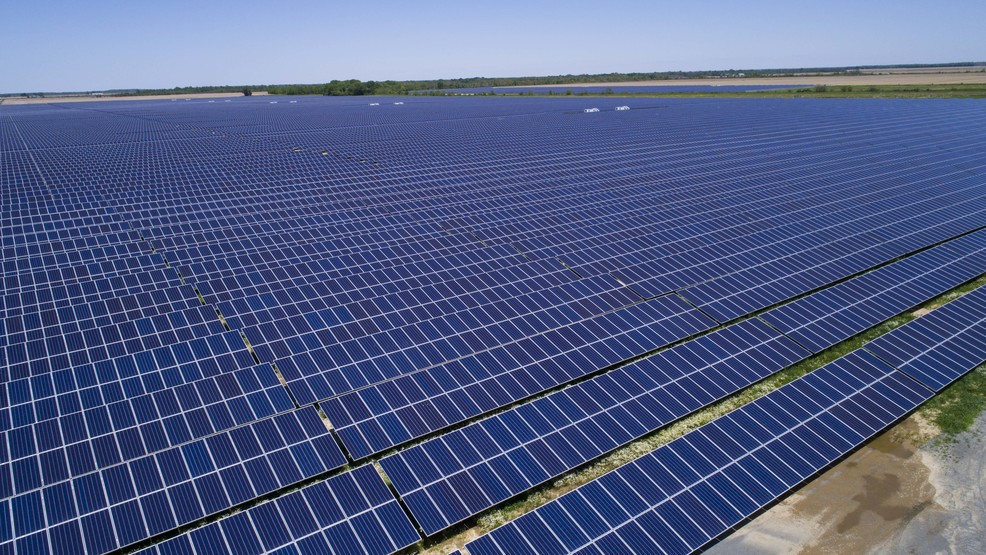
State Hearings On NW Power/Conservation Council’s Draft 2021 Power Plan Starts Next Week; Looks 20 Years Ahead
September 23rd, 2021
Starting next week, the Northwest Power and Conservation Council will be holding on-line public hearings in each of the four Northwest states on the draft 2021 Northwest Power Plan released by the Council last week.

Bat-Killing Fungus Causing White-Nose Syndrome Continues To Spread Into More Washington Counties
September 23rd, 2021
An invasive fungus that causes white-nose syndrome, an often-fatal disease of hibernating bats, continues to spread in Washington. During spring and summer field work this year, scientists with the Washington Department of Fish and Wildlife, in partnership and with funding from the U.S. Forest Service, detected the fungus or disease in at least three additional counties in the state.
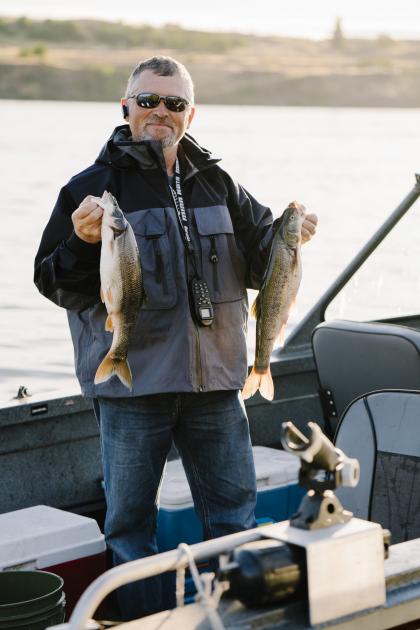
Pikeminnow Sport Reward Fishery Extended Two Weeks, Tagged Fish Worth $500
September 23rd, 2021
The 2021 Northern Pikeminnow Sport-Reward Fishery season has been extended through Oct. 17 at select registration stations. The reward program, in its 31st season, pays anglers to catch qualifying northern pikeminnow in the Columbia River Basin.
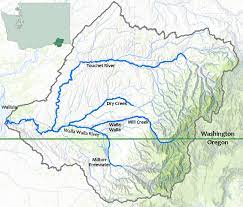
Umatilla Tribes Dedicate New Spring Chinook Hatchery For Walla Walla River Basin With Goal Of 5,000 Returning Adults Yearly
September 16th, 2021
The Confederated Tribes of the Umatilla Indian Reservation recently dedicated an enhanced, state-of-the-art hatchery that is expected to double the number of spring chinook salmon released into the Walla Walla River Basin annually.
OSU, UW Selected To Lead Research Hub For Coastal Resiliency Funded By National Science Foundation
September 16th, 2021
The National Science Foundation has selected Oregon State University and the University of Washington to lead a collaborative research hub focused on increasing resiliency among coastal communities in the Pacific Northwest.
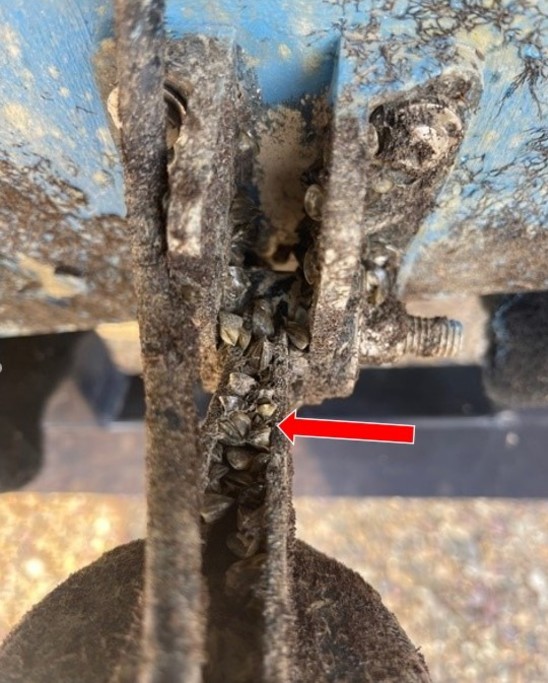
Montana Intercepts 50th Mussel-Fouled Boat This Year, Well Surpassing Last Year’s 35 Watercraft
September 2nd, 2021
Last week watercraft inspectors at Montana’s Nashua watercraft inspection station intercepted an outboard motorboat with mussels on the transducer, gimbal and other areas of the transom. The motorboat was traveling from Lake Erie to Kalispell. This is the 50th mussel-fouled boat intercepted this year, surpassing the total number of 35 mussel-fouled boats intercepted in 2020.
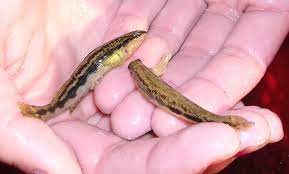
USFWS Proposes Removing Famous Snail Darter From ESA Listing, Populations In Four States
September 2nd, 2021
In the 1970s, the tiny, endangered Tennessee fish, the snail darter, was in the news regularly — the subject of a Supreme Court ruling, an act of Congress, and a giant proposed dam that threatened it with extinction.