

Research: Climate Change Could Cause Sudden Biodiversity Losses Worldwide Throughout The Century
April 16th, 2020
A warming global climate could cause sudden, potentially catastrophic losses of biodiversity in regions across the globe throughout the 21st century, finds a new study.

OSU Superfund Research Program Awarded $12.7 Million Grant For Superfund Research, Partnering With PNNL
April 16th, 2020
An Oregon State University-led research program has been awarded a $12.7 million grant to serve the Pacific Northwest by studying harmful chemicals found at federally designated hazardous waste sites.
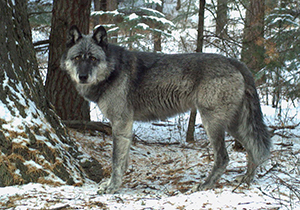
Oregon’s 2019 Annual Wolf Report: 158 Wolves, 15 Percent Increase Over 2018; 22 Packs, Up From 16
April 16th, 2020
State wildlife biologists counted 158 wolves in Oregon this past winter, a 15 percent increase over last year’s count of 137, according to the Oregon Wolf Conservation and Management 2019 Annual Report released this week.

NOAA Fisheries Analysis Shows West Coast Fisheries Take Small Proportion Of Available Chinook For Southern Resident Killer Whales
April 9th, 2020
An analysis by NOAA Fisheries is showing so far that West Coast fisheries have been taking a small proportion of available chinook salmon favored by endangered Southern Resident killer whales.

Columbia River Salmon, Steelhead Fishing Closed Indefinitely; Washington Closes Most Outdoor Recreation Activities; Oregon Closes Hunting, Fishing To Non-Residents
April 9th, 2020
The Washington Department of Fish and Wildlife this week announced that recreational fishing, shellfish harvesting and spring turkey and bear hunting seasons will be delayed in an effort to control the spread of COVID-19.The Oregon Department of Fish and Wildlife also this week announced that recreational salmon and steelhead fishing in Oregon waters of the Columbia River will remain closed indefinitely.
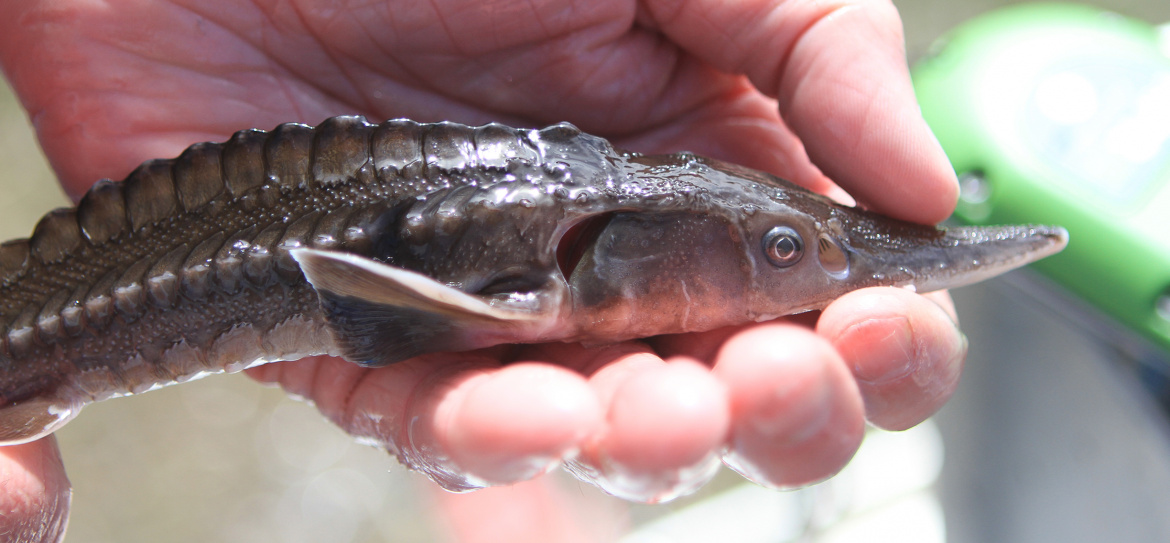
Middle Snake River Stocked With 1,800 Year-Old White Sturgeon
April 9th, 2020
The Snake River’s white sturgeon population received a boost recently with the stocking of more than 1,800, year-old white sturgeon.
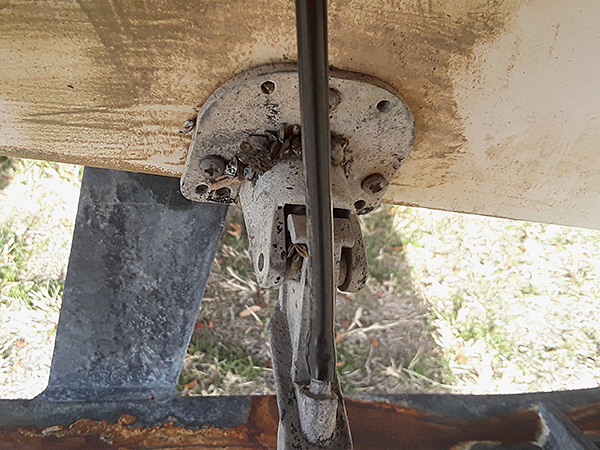
Though Boating Visitors Aren’t Encouraged, Oregon Stresses All Watercraft Entering Oregon Need Inspection For Invasive Species; Seasonal Stations Open May 12
April 9th, 2020
While the state of Oregon is currently not recommending out-of-state residents visit the state for recreation due to the Governor’s Stay Home, Save Lives order, all watercraft entering Oregon are still required to be inspected at an aquatic invasive species station when the stations are open. This includes commercial watercraft, which, will account for most of the inspections while the stay-at-home order remains in effect.
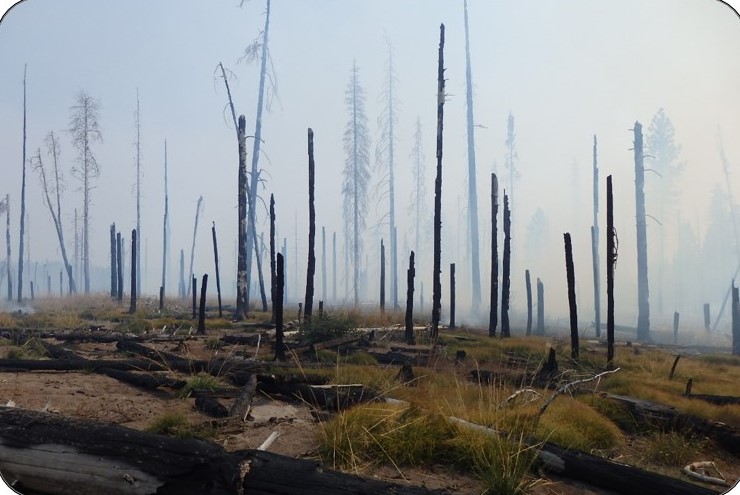
UW Study Looks At Effects Of Climate Change On Fire Regimes In Northwest; Low-Elevation Ponderosa Pine Forests Most Risk
April 9th, 2020
Recent years have brought unusually large and damaging wildfires to the Pacific Northwest – from the Carlton Complex Fire in 2014 that was the largest in Washington’s history, to the 2017 fire season in Oregon, to the 2018 Maple Fire, when normally sodden rainforests on the Olympic Peninsula were ablaze. Many people have wondered what this means for our region’s future.
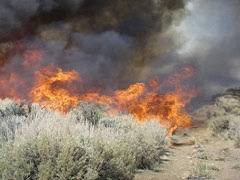
Interior Signs Final Decision To Create 11,000 Miles Of Fuel Breaks In 223-Million Acre Area, Includes Idaho, Oregon
April 9th, 2020
Last week, U.S. Secretary of the Interior David Bernhardt signed a final decision to construct and maintain a system of up to 11,000 miles of strategically placed fuel breaks to control wildfires within a 223 million- acre area in portions of California, Idaho, Nevada, Oregon, Utah and Washington.
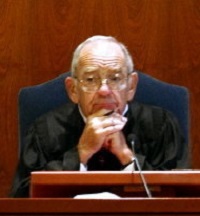
Retired Judge James Redden, Landmark Figure In Columbia Basin Salmon Recovery Litigation, Dies At Age 92
April 9th, 2020
One of the most recognizable names in Columbia River basin salmon recovery circles, retired U.S. District Court Judge James A. Redden, died last week (March 31) at age 92.
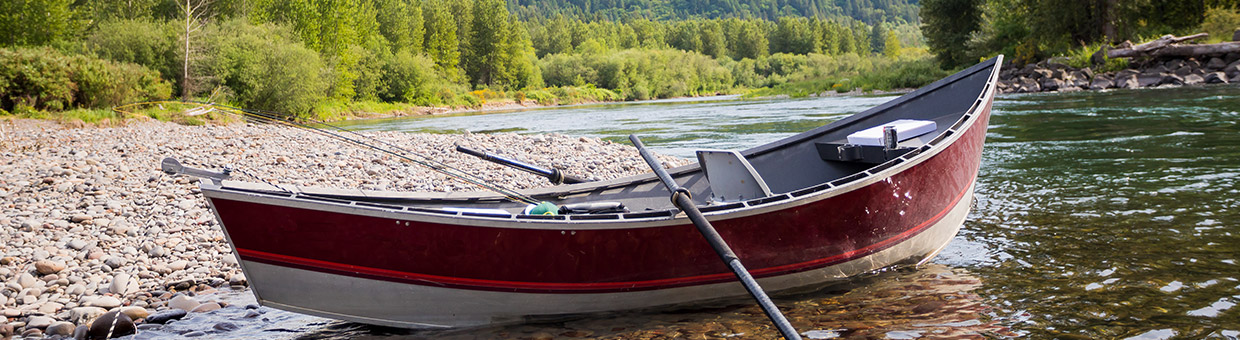
Call Volume Crashes California Fish And Game Commission Webinar On Proposed Emergency Covid-19 Fishing Closures, Will Try Again Next Week
April 9th, 2020
On Tuesday, April 7, the California Fish and Game Commission announced that it would meet remotely Thursday in an emergency meeting to discuss “delegating temporary authority to the California Department of Fish and Wildlife to delay, suspend or restrict sport or recreational fishing if the director of CDFW, in consultation with the president of the Commission, finds that such action is necessary to protect against the threat from COVID-19 based on state, federal, local, and tribal public health guidance and public safety needs.”
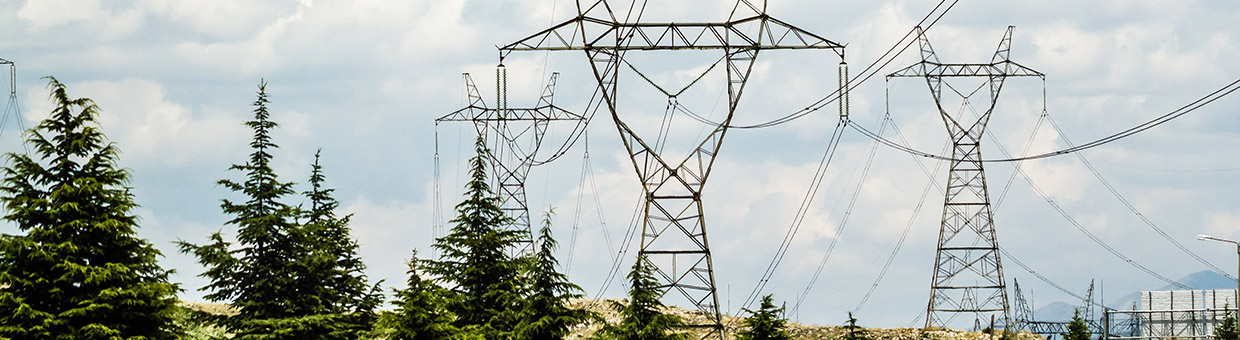
Council Blasts Trump Administration Proposal To Force BPA To Sell At Market Rates, Sell Transmission System; ‘Detrimental Schemes’
April 2nd, 2020
The Northwest Power and Conservation Council has written a letter to the Northwest congressional delegation objecting to proposals by the Trump administration to force the Bonneville Power Administration to sell electricity at market rates rather than its cost of generation and also sell the federal high-voltage transmission system, which BPA operates.
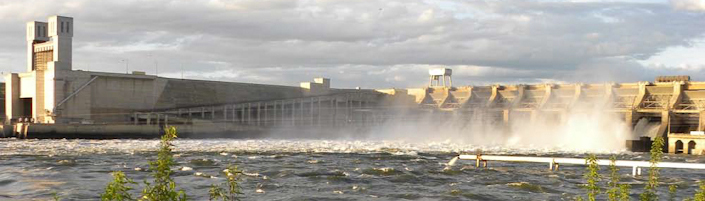
Covid-19: 13 Northwest Members Of Congress Seek Extension Of Comment Period On Draft EIS For Columbia/Snake River Dams; Corps Concludes Phone Comment Meetings
April 2nd, 2020
Thirteen members of the Northwest congressional delegation, all Democrats from Washington and Oregon, asked the federal government this week to extend the comment period on the draft environmental impact statement on Columbia/Snake River dams until 30 days after the Covid-19 public health emergency is over.
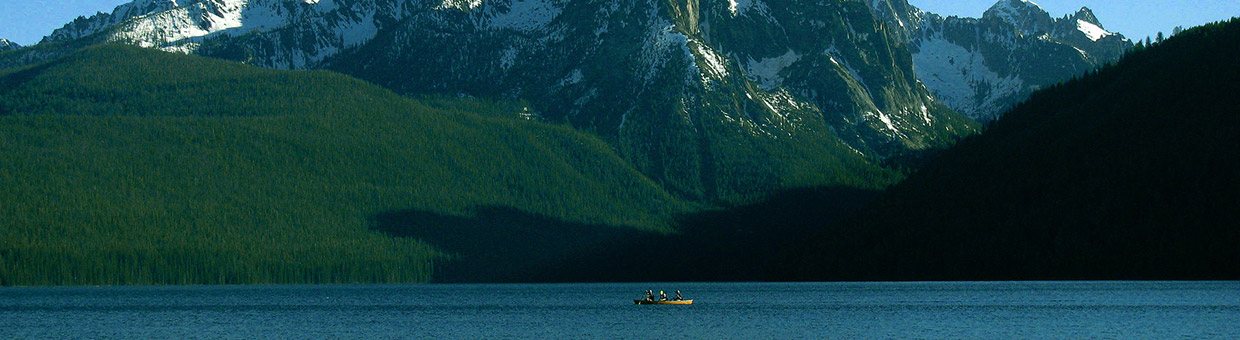
Covid-19: Idaho Fishing Continues With Social Distancing; Montana Closes Fishing Piers, Group Sites; Corps, USFWS Issue Closures; NOAA Looks At Impacts On Fishing Industries
April 2nd, 2020
As of this week, Idaho Fish and Game has not closed any fishing or hunting seasons in response to Covid-19, and the department is providing guidelines in accordance with Gov. Brad Little’s orders for social distancing at least six feet apart, including while fishing and at access sites and boat ramps.
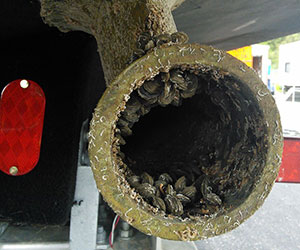
Covid-19: Montana Watercraft Inspection Station Sees Rush Of Canadian Boaters Heading North; Already 3 Mussel-Fouled Boats Intercepted
April 2nd, 2020
Inspectors at the Dillon, Montana watercraft inspection station had a busy start to early season boat inspections, with Covid-19 news prompting Canadian boaters in the United States heading north for the border.
Northwest States To Receive $14 Million From Interior’s Land And Water Conservation Fund; Can Be Used For ESA Habitat
April 2nd, 2020
The Interior Department this week announced $227,125,000 will be distributed from the Land and Water Conservation Fund to states and territories for park and outdoor recreation and conservation projects.

Researchers Study How Forests Are Adapting To Drier Conditions; Less Hardy Trees Die Or Resilient Trees Grow Faster
April 2nd, 2020
As the climate is changing, so too are the world’s forests. From the misty redwoods in the west to the Blue Ridge forest of Appalachia, many sylvan ecosystems are adapting to drier conditions.

OSU Study Shows Increasing Number Of Bison In Yellowstone Harming Ecosystem; Trampling Riparian Streambanks
April 2nd, 2020
Increasing numbers of bison in Yellowstone National Park in recent years have become a barrier to ecosystem recovery in the iconic Lamar Valley in the northern part of the park, according to a study by Oregon State University scientists.
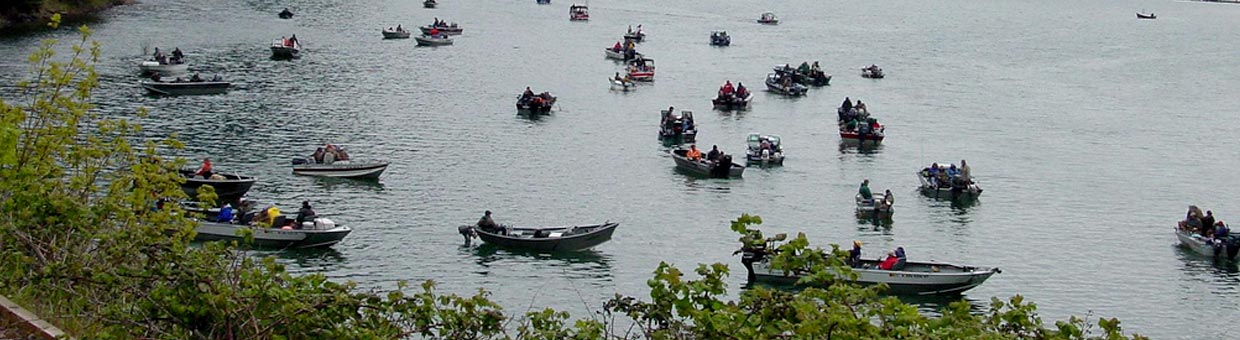
COVID-19: Washington Closes Recreational Fishing Statewide, Oregon Shuts Down Columbia River Salmon/Steelhead Fishing
March 26th, 2020
The Washington Department of Fish and Wildlife Wednesday temporarily closed recreational fishing and shellfishing statewide in the wake of Washington Gov. Jay Inslee’s order directing Washingtonians to stay home to limit the spread of coronavirus/COVID-19. A few hours later the Oregon Department of Fish and Wildlife announced that it will close recreational angling for salmon and steelhead in the Columbia River, effective Thursday, March 26 at 11:59 p.m.
NOAA Study Finds Key Ocean Climate Patterns Less Reliable In Predicting North Pacific Salmon Stock Productivity
March 26th, 2020
A new study shows that two important indicators for understanding and predicting the effects of climate variability on eastern North Pacific marine ecosystems are less reliable than they were historically. This finding has important implications for fisheries and ecosystem management from Alaska to California.
Corps Begins Refill Of 13 Willamette Valley Reservoirs Now Lower Than Normal; Need Significant Rain Events
March 26th, 2020
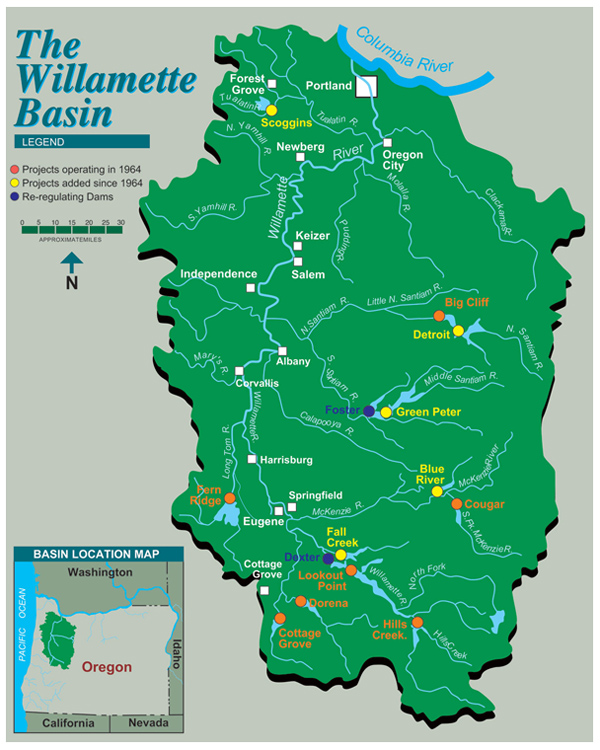
With warm, dry weather forecasted, the U.S. Army Corps of Engineers, Portland District, is refilling its 13 Willamette Valley Project reservoirs and two Rogue River Basin Project reservoirs to prepare for the spring and summer conservation seasons.
Idaho Approves Approved Spring Chinook Fishing To Begin April 25, 30,000 Hatchery Fish Expected To Reach Lower Granite Dam
March 26th, 2020
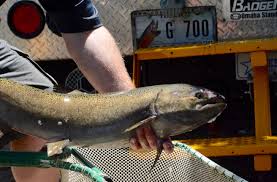
The Idaho Fish and Game Commission on March 20 approved spring chinook fishing on the Clearwater, Snake, Salmon and Little Salmon rivers to start April 25, 2020 and run until closed by the Fish and Game director.

Montana Confirms Origins Of Illegally Introduced Walleye In Upper Thompson Lake
March 26th, 2020
An analysis of two walleyes found last year in Upper Thompson Lake confirmed the non-native fish were illegally introduced on separate occasions from the Lower Clark Fork reservoir system.
UW Study Finds Dramatic Increase In ‘Herring Worm’ In Raw, Undercooked Seafood, May Have Impact On Marine Mammals
March 26th, 2020
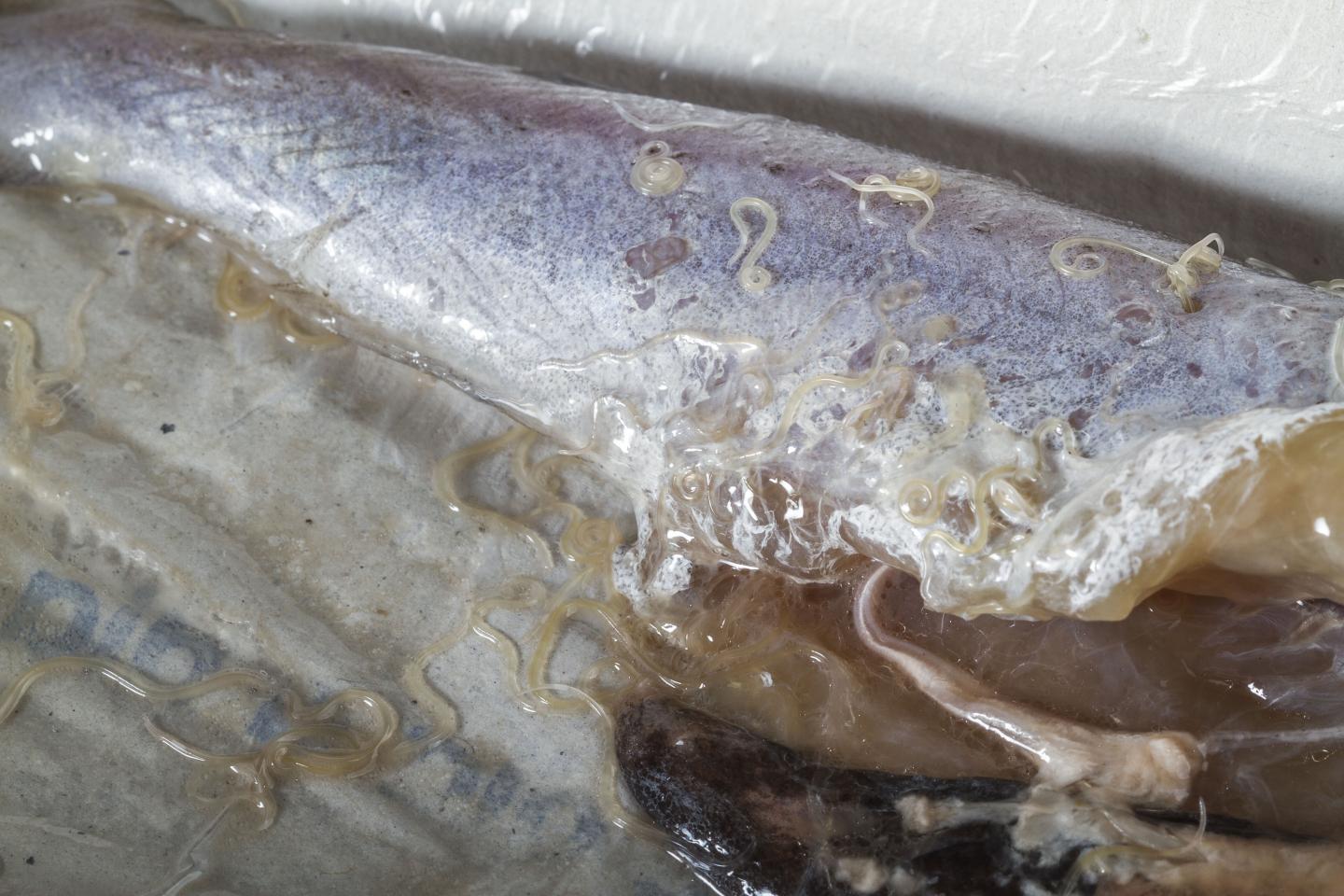
A new study led by the University of Washington finds dramatic increases in the abundance of a worm that can be transmitted to humans who eat raw or undercooked seafood. Its 283-fold increase in abundance since the 1970s could have implications for the health of humans and marine mammals, which both can inadvertently eat the worm.
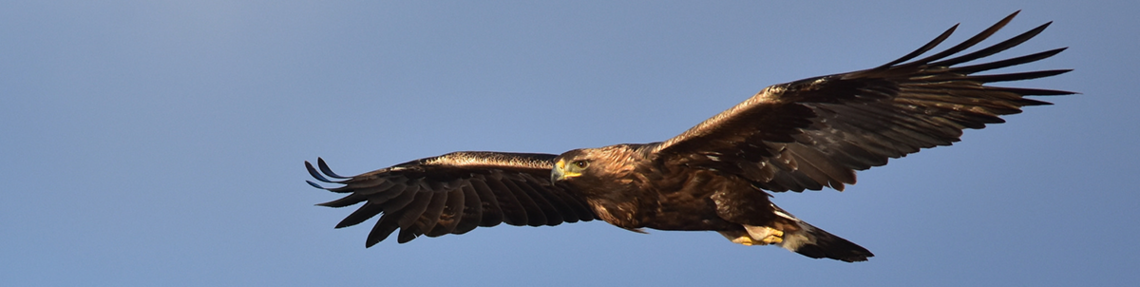
Idaho Biologist Describes Golden Eagle’s Journey From Alaska Arctic To Salmon River
March 26th, 2020
Many wildlife species need large landscapes to survive and thrive. Elk often summer at higher elevations and move 10-50 miles to find winter ranges at lower elevations. Songbirds that summer in Idaho can winter in the Southwest US, Mexico, or even further abroad. Wildlife make these movements without compass or GPS, just using the instincts they were born with. While we know these facts in our heads, we get jaded to them over time, because that is just the nature of our busy lives. But every once in while we get an opportunity to see them again for the first time, and we should be amazed.
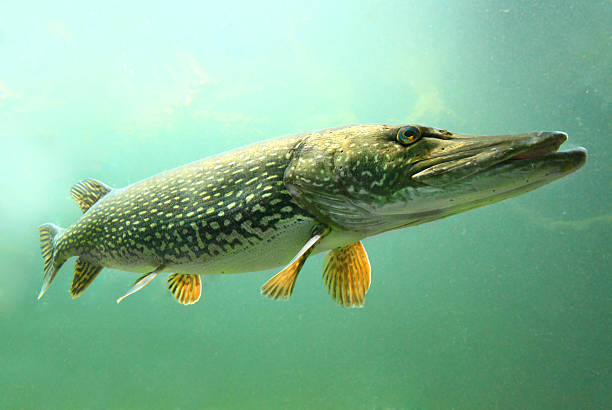
Pike Removal To Continue In Lake Coeur d’Alene To Reduce Predation On Native Cutthroat; Netting Has Shown Positive Results
March 19th, 2020
Biologists with the Coeur d’Alene Tribe, in cooperation with Idaho Department of Fish And Game, were to resume gill netting efforts this week in Lake Coeur d’Alene to reduce pike predation on native, lake-run cutthroat trout in select areas.

Researchers Set Sail In Gulf Of Alaska To Study Impacts Of Warm Ocean On Salmon; Seek Estimates On Stock Abundance, Juvenile Fish Weight
March 19th, 2020
NOAA Fisheries scientists are part of an international team that set sail on March 11 to study the the impacts of continued warm ocean temperatures in the Gulf of Alaska on Pacific salmon survival.

Study At Looks Nutrient Legacy On Southeast Alaska Riparian Soils Left By Salmon Tissue
March 19th, 2020
Researchers have studied how different soils respond to the delivery of “salmon-derived nutrients” in forested ecosystems in Alaska’s coastal temperate rainforest.
Research: Summer Streamflow In Industrial Tree Plantations 50 Percent Lower Than Older Forests, Impacting Downstream Aquatic Ecosystems
March 19th, 2020
Summer streamflow in industrial tree plantations harvested on 40- to 50-year rotations was 50% lower than in century-old forests, data from the long-term Alsea Watershed Study in the Oregon Coast Range showed.

COVID-19 Forces Federal Agencies To Adjust Procedures For Commenting On Draft EIS For Columbia/Snake River Dams
March 12th, 2020
The U.S. Army Corps of Engineers, Bureau of Reclamation and Bonneville Power Administration, that agencies which operate the Columbia and Snake River dams, sent out this notice by email this morning, March 12:
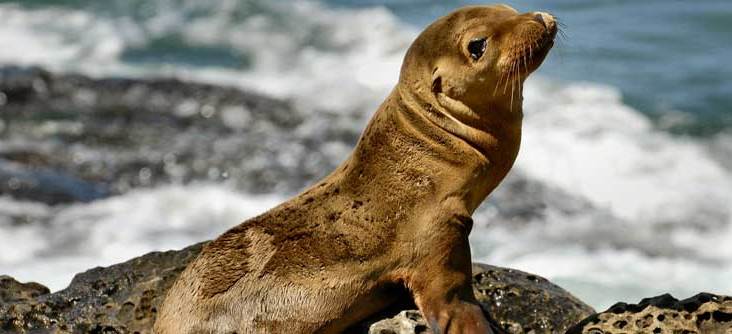
NOAA Ocean Status Report Shows Ocean Conditions Off West Coast Remain Unusually Variable; Lingering Heat Hurt Salmon In 2019
March 12th, 2020
Lingering offshore heat worked against recovery of salmon stocks and reduced fishing success off the West Coast, a new analysis reports.
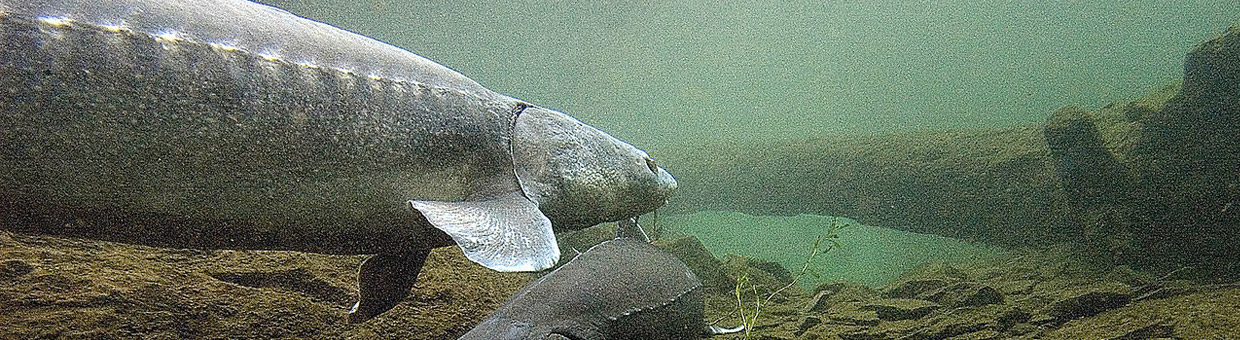
New Rules In Effect For Washington Sturgeon Fisheries; Expands Spawning Sanctuaries
March 12th, 2020
A number of rule changes affecting Washington sturgeon fisheries went into effect beginning Monday (March 9), the Washington Department of Fish and Wildlife announced.
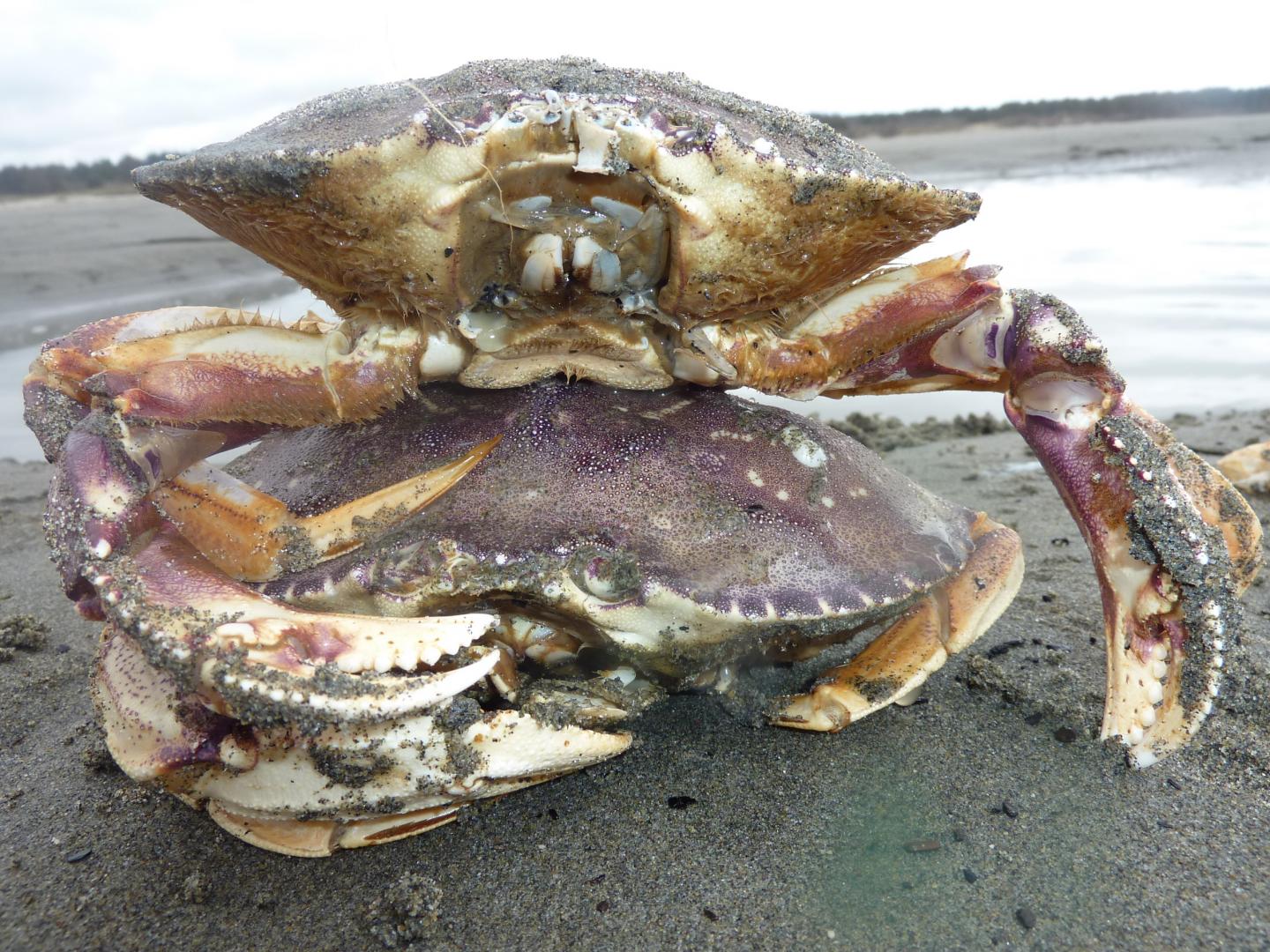
Research: Even With Intensive Harvest, West Coast Dungeness Crab Numbers Remain Stable Or Increasing
March 12th, 2020
Fishermen from California to Washington caught almost all the available legal-size male Dungeness crab each year in the last few decades. However, the crab population has either remained stable or continued to increase, according to the first thorough population estimate of the West Coast Dungeness stocks.
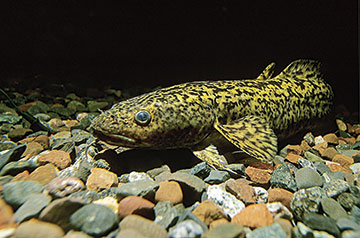
IDFG Says Kootenai River Burbot Harvest This Year Appears Similar To Last Year When Opened First Time In 25 Years
March 12th, 2020
Mid-February to mid-March often hosts the highest numbers of adult burbot in Idaho, and it’s the best time for anglers to go after them.
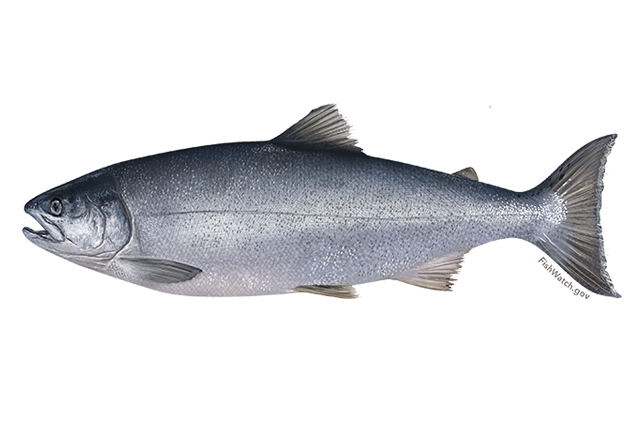
Low 2020 Ocean/River Salmon Forecasts Likely To Restrict Fisheries; Very Weak Coho Return, Low Chinook Run
March 5th, 2020
Fishery managers say the coming year may be another tough one for anglers in Washington, with low salmon returns expected again in 2020.
OSU Historical Fish Collection Aids In Research Of Emerging Parasite Threats To Willamette Salmonids
March 5th, 2020
Decades-old fish stored at Oregon State University proved valuable in learning more about parasites that infect a family of fish that includes salmon and trout in the Pacific Northwest.
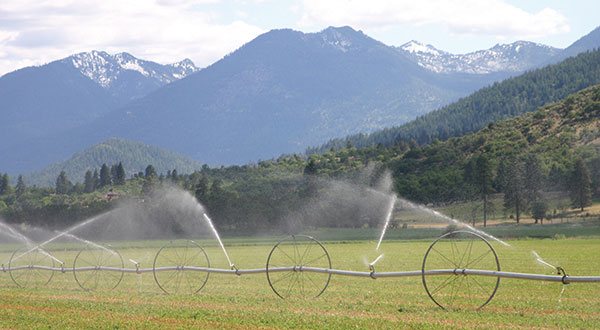
Study Says Irrigation Of Cattle Feed Crops Single Largest Consumptive Use Of Water, 32 Percent In Western U.S.
March 5th, 2020
Across the globe, humans are using freshwater resources faster than those resources can be naturally replenished. In the Western United States, for example, water extractions from the Colorado River have exceeded total river flow, causing rapid depletion of water storage reservoirs. In addition, as these water sources dry up, species of fish, plants and animals are also adversely impacted.

NOAA Appoints New Director Of NOAA Fisheries’ Office Of Habitat Conservation
March 5th, 2020
NOAA last week announced the appointment of Carrie Selberg Robinson as the new Director of NOAA Fisheries’ Office of Habitat Conservation.
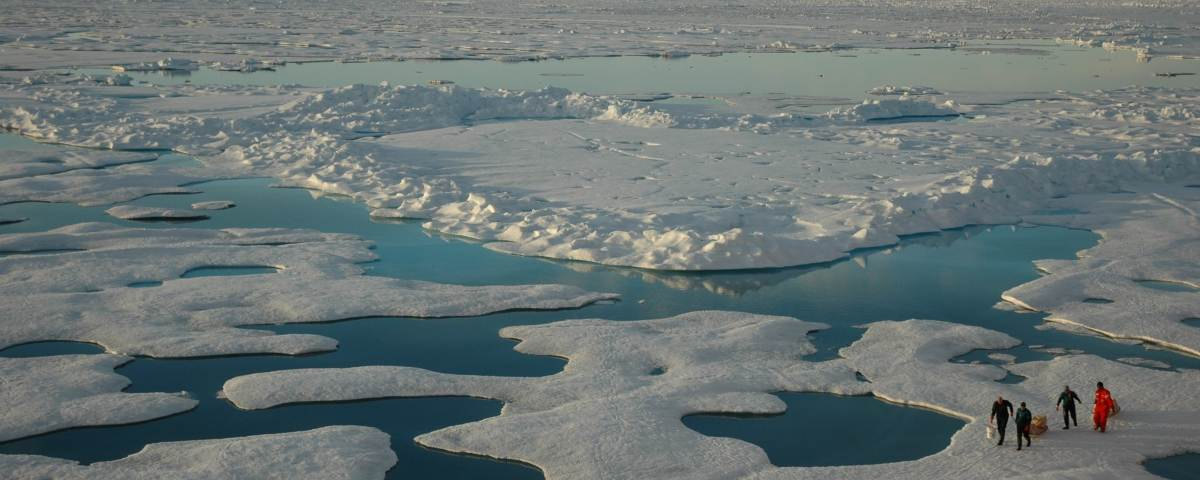
NOAA Study Suggests Arctic May Have Ice-Free Summer Within 15 Years
March 5th, 2020
Arctic sea ice has important implications for coastal environments, economic development, and global weather patterns. And the ice is melting rapidly. Measurements last year revealed the second lowest extent of Arctic sea ice on record, and NOAA scientists and colleagues expect the melting to accelerate in coming decades.

Dutch Harbor Again Top Port In Fish Landings, $5.5 Billion In Landings Value Across The Nation
February 27th, 2020
In 2018, U.S. fishermen landed 9.4 billion pounds of fish valued at $5.6 billion at ports around the nation, with Dutch Harbor , and New Bedford dominating the list of top ports, according to an annual report released this week by NOAA Fisheries.

Columbia River Megafloods During Deglaciation Pushed Freshwater Flows Along Alaska Coast Into North Pacific
February 27th, 2020
Massive freshwater river flows stemming from glacier-fed flooding at the end of the last ice age surged across eastern Washington to the Columbia River and out to the North Pacific Ocean, where they triggered climate changes throughout the northern hemisphere, new research published this week in Science Advances shows.
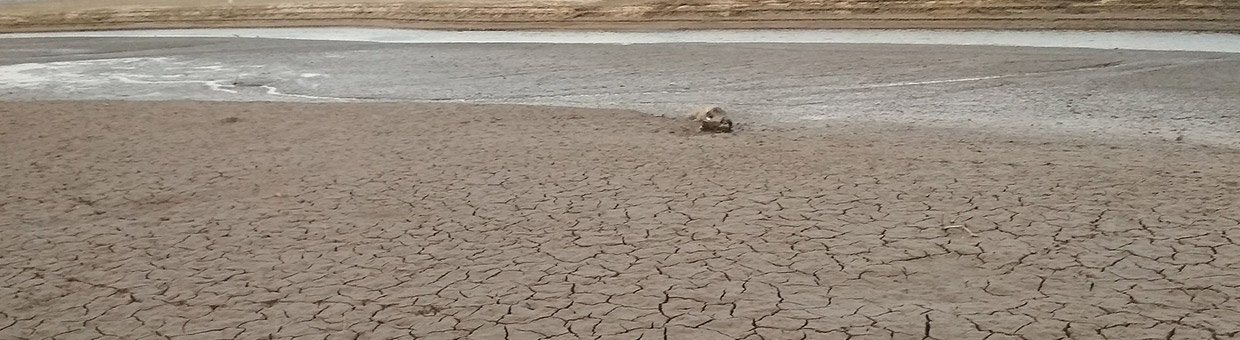
NOAA Study Indicates Most Years In Next Decade Likely To Rank As Top 10 Warmest Years
February 20th, 2020
Using data from tens of thousands of stations worldwide, NOAA scientists have developed a method to estimate how the average global temperature may rank year-to-year in subsequent years. The method indicates a strong probability that future years will continue to be among the hottest on record.
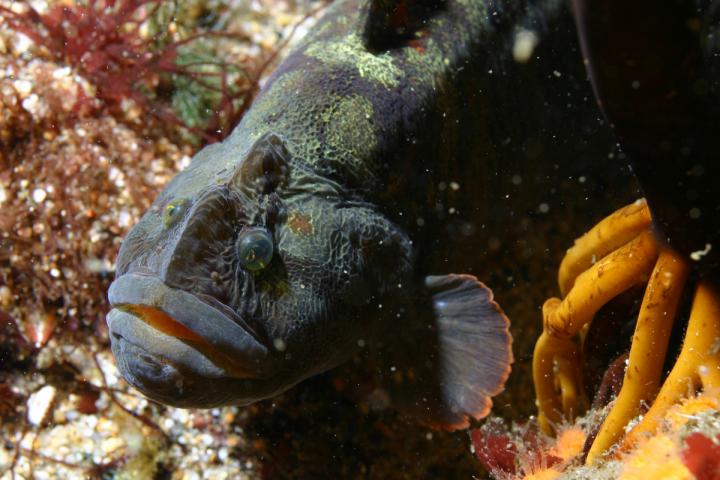
Research Suggests Aquaculture Potential Of A West Coast Fish: Veggie-Loving Monkeyface Prickleback
February 20th, 2020
A secret to survival amid rising global temperatures could be dwelling in the tidepools of the U.S. West Coast. Findings by University of California, Irvine biologists studying the genome of an unusual fish residing in those waters offer new possibilities for humans to obtain dietary protein as climate change imperils traditional sources.
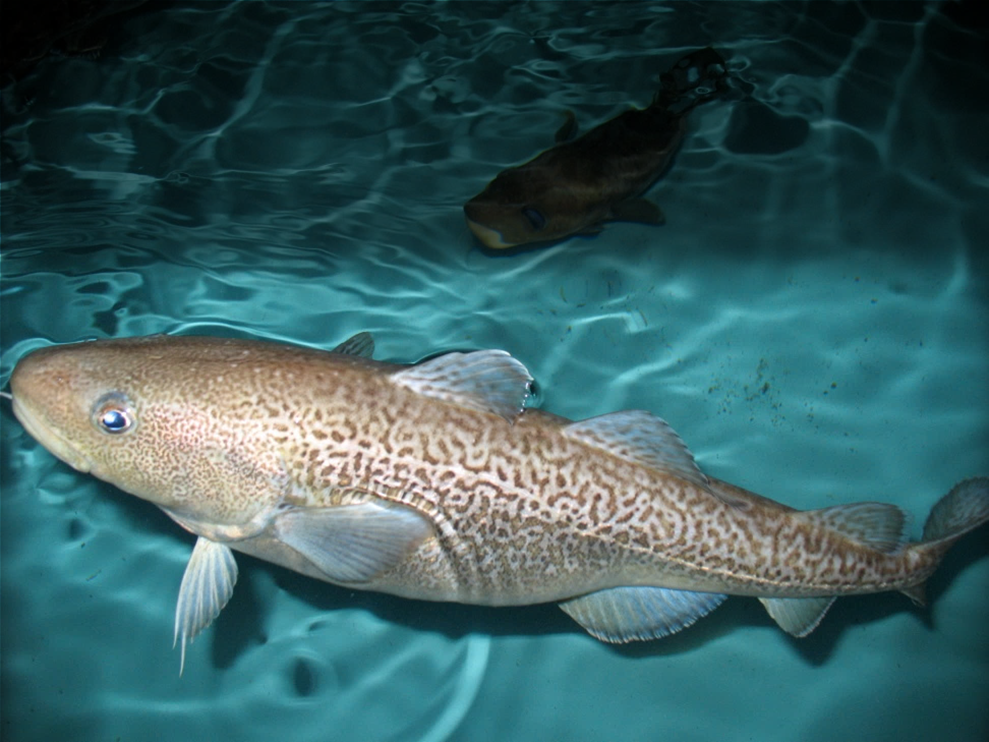
Research Shows How ‘The Blob’ Reduced Abundance Of Pacific Cod, Alaska’s Second Most Valuable Fishery
February 20th, 2020
The 2013 to 2016 marine heatwave—known as “The Blob”—is the largest warm anomaly ever recorded in the North Pacific. In the Gulf of Alaska, scientists have connected low numbers of Pacific cod larvae, juveniles, and adults to loss of spawning habitat.
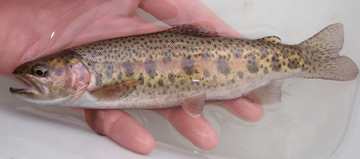
Idaho Biologist Explains The Ins and Outs Of Clipping, Or Not Clipping, Hatchery Steelhead
February 13th, 2020
As with many things in our salmon and steelhead world, clipping or not clipping hatchery fish can get a little complicated. Some hatchery steelhead smolts are released with their adipose fin still intact on purpose. But, a lot of thought and coordination with our partners goes into making decisions for these programs.
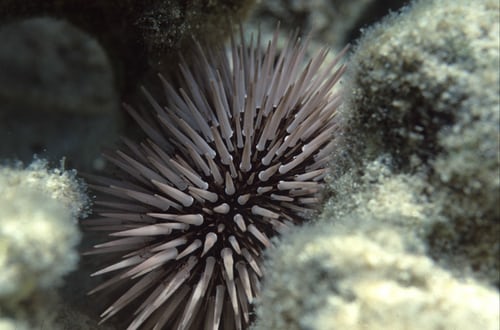
Trophic Cascade: Warm Ocean, Sea Star Wasting Disease, Sea Urchin Explosion, Ravaged Kelp Forests Off California, PNW Coasts
February 13th, 2020
In 2014, a disease of epidemic proportions gripped the West Coast of the U.S. You may not have noticed, though, unless you were underwater.
First Study To Estimate Broad-Scale Extinction Patterns From Climate Change; One-Third Plant, Animal Species May Be Gone In 50 Years
February 13th, 2020
Accurately predicting biodiversity loss from climate change requires a detailed understanding of what aspects of climate change cause extinctions, and what mechanisms may allow species to survive.
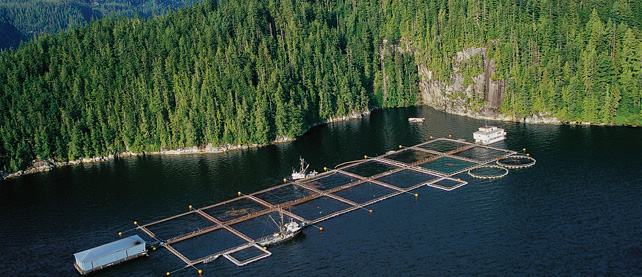
Study: Climate Change Will Force Loss Of 60-84 Percent Areas Suitable For Salmon Farming On Canada’s Pacific Coast
February 13th, 2020
Diners may soon find more farmed oysters and fewer Atlantic salmon on their plates as climate change warms Canada’s Pacific coast.
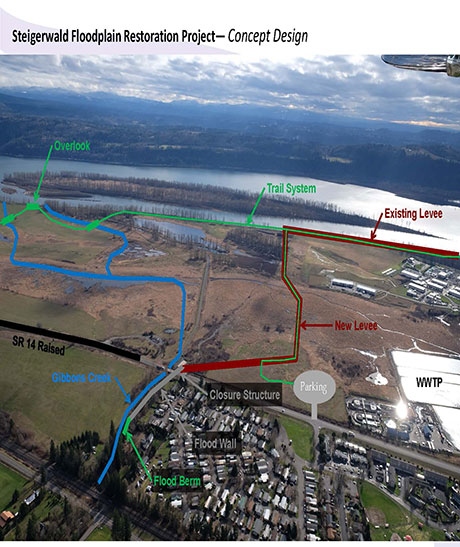
BPA Begins Work On Large Estuary Floodplain Habitat Project To Create Juvenile Fish Nursery
February 6th, 2020
The Bonneville Power Administration, with several federal, state and local partners, is embarking on a project that will reconnect vital floodplain habitat to the Columbia River. The Steigerwald Floodplain Restoration Project is the largest estuary restoration project BPA has sponsored.
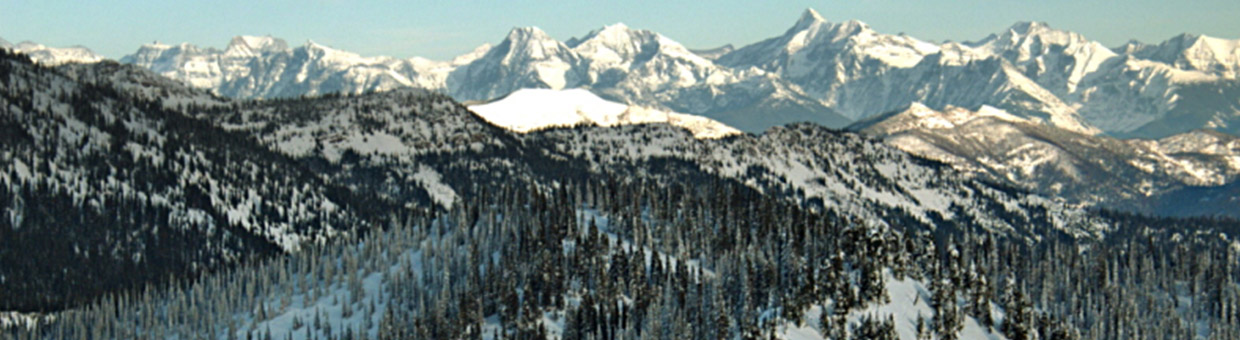
Report Released Detailing Climate Change Implications For Washington State: Snowpack To Decline By 38-46 Percent By 2050
February 6th, 2020
The University of Washington’s Climate Impacts Group has released “Shifting Snowlines and Shorelines: The Intergovernmental Panel on Climate Change’s Special Report on the Ocean and Cryosphere and Implications for Washington State.”
First-Of-Its-Kind Study Examines Impacts Of Nuclear War On Oceans; Smoke Will Shift Ocean Acidification Patterns
February 6th, 2020
A nuclear war, even a relatively contained conflict, wouldn’t just have devastating consequences for life on land. It could also take a toll on the oceans, according to recent research led by the University of Colorado Boulder and Rutgers University.
Tests Of New Turbine At Ice Harbor Dam Shows Improved Fish Passage Survival
January 30th, 2020
The U.S. Army Corps of Engineers Walla Walla District recently concluded fish survival testing for a new fixed blade hydroelectric turbine that showed improved fish passage survival.
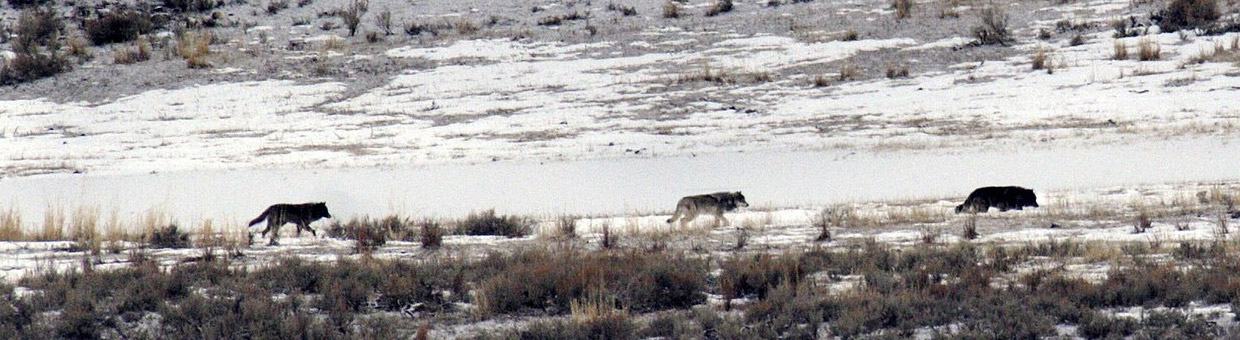
Game Cameras, Modeling Gives Idaho A New Wolf Population Estimate: 1,541 Wolves
January 30th, 2020
Idaho Fish and Game has a new estimate of the statewide wolf population through its new survey method using game cameras and mathematical modeling, which will be repeated annually and fine-tuned during the next few years.
Business-As-Usual Conservation Planning Won’t Work As Climate Change Forces Species Migrations
January 30th, 2020
A new study by the University of Washington and The Evergreen State College analyzes whether accounting for climate change in conservation planning can protect future biodiversity more effectively than current approaches, and what the costs of implementing these solutions might be.
Ocean Acidification Impacting Shells, Organs Of Young Pacific Northwest Dungeness Crabs
January 29th, 2020
A new NOAA-funded study has documented for the first time that ocean acidification along the Pacific Northwest coast is impacting the shells and sensory organs of some young Dungeness crab, a prized crustacean that supports the most valuable fishery on the West Coast.

NW Power/Conservation Council Appoints O’Toole Fish/Wildlife Director
January 25th, 2020
The Northwest Power and Conservation Council has appointed Patty O’Toole to the position of Fish and Wildlife Division Director. She had been the division’s acting director since August 15, 2019.
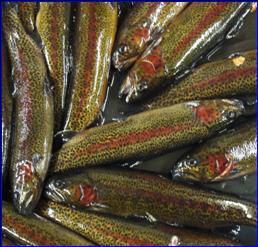
WDFW Approves Permit To Cooke Aquaculture To Farm Sterile Rainbow Trout/Steelhead In Nets Once Used For Atlantic Salmon
January 23rd, 2020
The Washington Department of Fish and Wildlife this week approved an application from Cooke Aquaculture to farm all-female, sterile (triploid) rainbow trout/steelhead in Puget Sound.

New Technique Identifies Concerning Chemicals In Puget Sound Harming Marine Life
January 23rd, 2020
The waters of Puget Sound support many species, including mussels, salmon and killer whales. But researchers know that runoff from land in the urbanized areas might contain chemicals that could harm these creatures, even if it’s not always clear which chemicals are the most harmful.
Research Indicates Native Americans Did Not Make Large-Scale Changes To Environment Prior To European Contact
January 23rd, 2020
Four hundred years ago, the Pilgrims sailed to New England and encountered Native Americans. The historical narrative from that point tells of Native Americans clearing forests with fire for thousands of years before Europeans arrived in America.
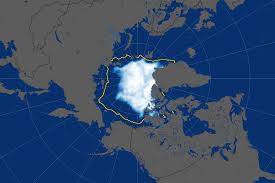
Research: Arctic Sea Ice Cannot Quickly Bounce Back If Climate Change Causes Melting
January 23rd, 2020
Arctic sea ice cannot "quickly bounce back" if climate change causes it to melt, new research suggests.
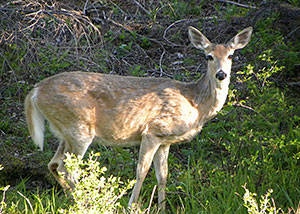
Tests Confirm White-Tailed Deer Die-Off In Oregon’s Blue Mountains Due To Disease Outbreak
January 16th, 2020
Tests conducted by Oregon Department of Fish and Wildlife veterinarians confirmed that Epizootic hemorrhagic disease is responsible for the die-off of an estimated 2,000 white-tailed deer in eastern Oregon.
Council Elects New Officers, Appoints New Members To Independent Science Review Panel
January 16th, 2020
As it does every year at its January meeting, the Northwest Power and Conservation Council elected a new chair and vice-chair to serve in 2020. It elected Richard Devlin of Oregon as Chair, replacing outgoing chair Jennifer Anders of Montana at its Portland meeting, Tuesday, Jan. 14. Devlin had served as the Council’s Vice Chair since Jan. 16, 2019.
NOAA: 2019 Second Hottest Year On Record, Five Warmest Years All Since 2015
January 16th, 2020
Earth’s warming trend continued in 2019, making it the second-hottest year in NOAA’s 140-year climate record just behind 2016.

Empty Net Pen Structure In Columbia River Washed To Sea; Pieces Being Found On Shore
January 16th, 2020
The Washington Department of Fish and Wildlife last Friday (Jan. 10) was working to locate and retrieve an empty net pen structure that came unmoored along the Columbia River one day earlier, but severe weather hampered search efforts.
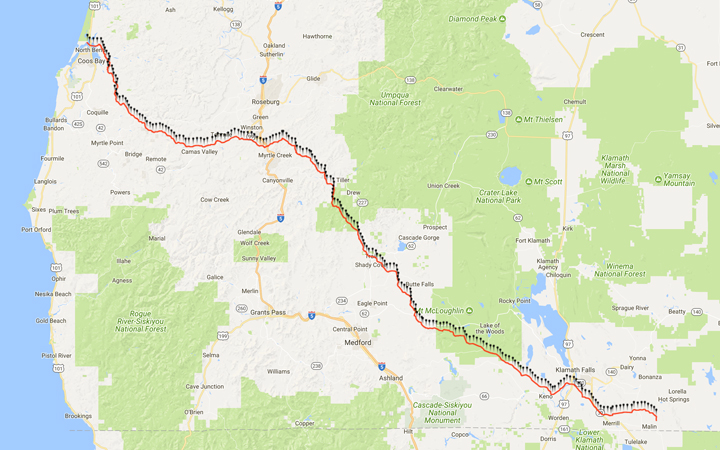
NOAA BiOp Says Proposed Natural Gas Terminal/Pipeline In Oregon Will Not Jeopardize ESA Species
January 16th, 2020
NOAA Fisheries has issued a final biological opinion on construction and operation of the Jordan Cove terminal in Coos Bay, Oregon, and the associated 229-mile long Pacific Connector Liquid Natural Gas pipeline that determines the proposed action does not jeopardize protected species or adversely modify their critical habitat.
UW Study Says Effective Fisheries Management Is Working; Marine Stocks Increasing In Many Places
January 16th, 2020
Nearly half of the fish caught worldwide are from stocks that are scientifically monitored and, on average, are increasing in abundance. Effective management appears to be the main reason these stocks are at sustainable levels or successfully rebuilding.
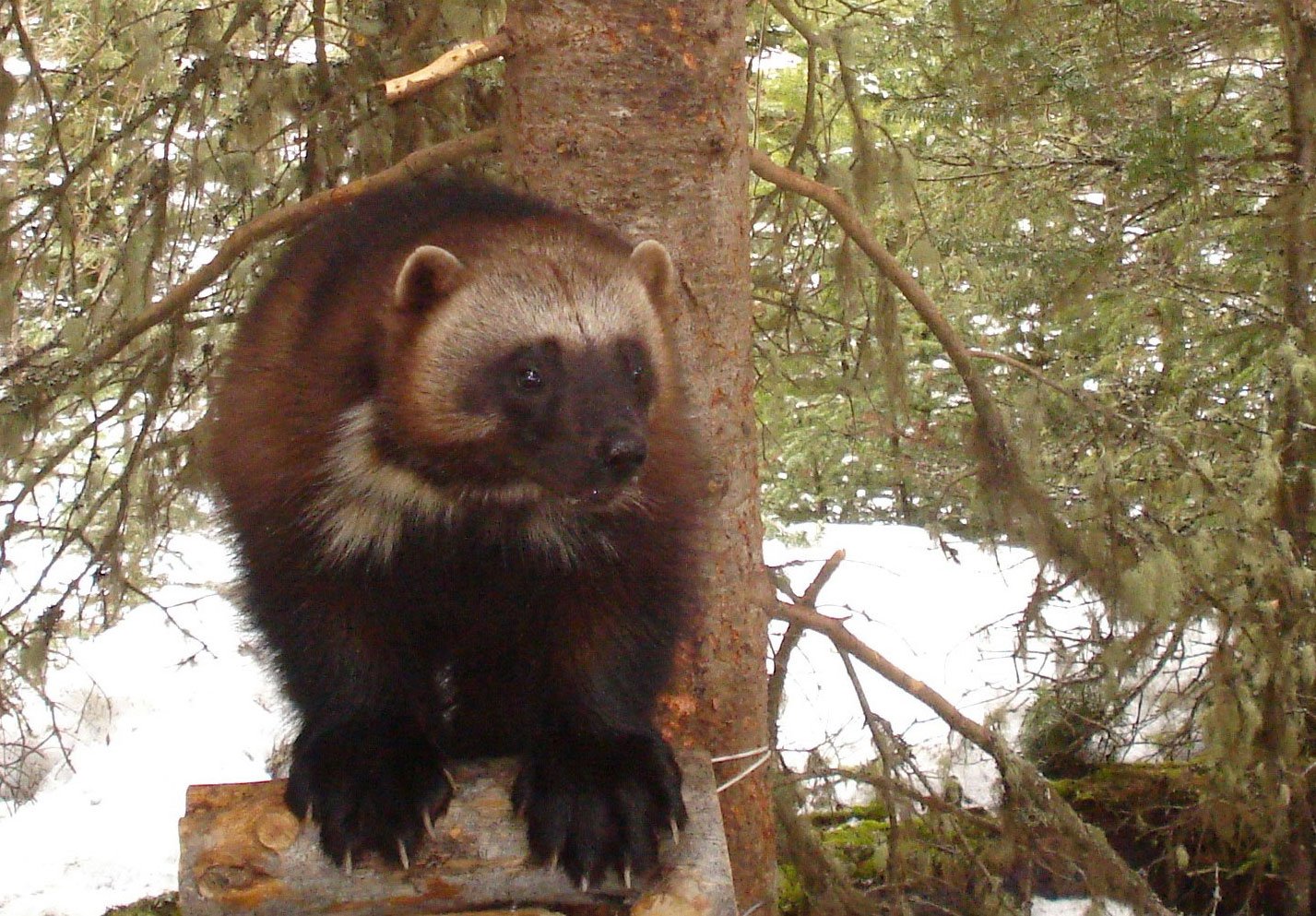
Groups File Intent To Sue USFWS In Effort To Get ESA Protections For Wolverines
January 16th, 2020
Conservation groups sent a notice this week of their intent to sue the Trump administration for failing to prot
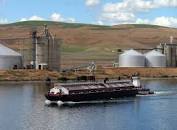
PNW Waterways Association Releases Consultants’ Study On Costs Of Lower Snake Dam Removal And No Barging
January 9th, 2020
A study commissioned by the Pacific Northwest Waterways Association says the removal of four lower Snake River dams would cost the U.S. over $2.3 billion over the next 30 years.
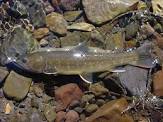
Harvest For ESA-Listed Bull Trout Closed on Montana’s Lake Koocanusa (Libby Dam) Due To Low Redd Counts
January 9th, 2020
The harvesting of bull trout on Montana’s Lake Koocanusa is closed in an effort to improve the diminished population of the species listed as threatened under the Endangered Species Act. The move comes after 2019 spawning redds declined substantially, prompting concerns about the impacts of angler harvest.
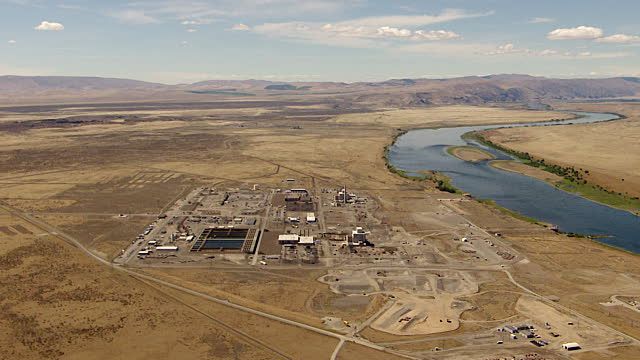
Washington Ecology Department Issues $1 Million Fine To DOE Over Hanford Reservation Data
January 9th, 2020
The Washington Department of Ecology has issued a $1.065 million penalty to the U.S. Department of Energy for restricting access to what the state says is critical data.
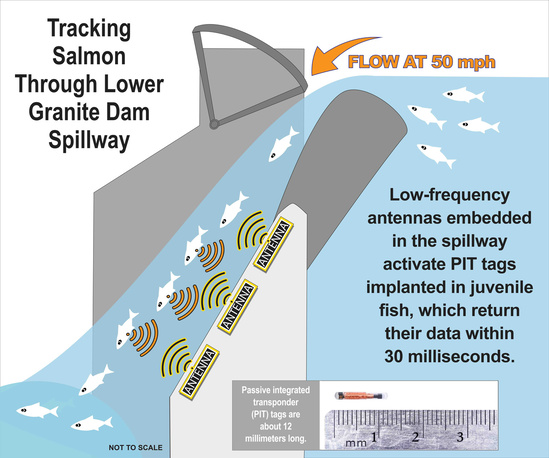
New Fish Detection System At Lower Granite Dam Tracks PIT-Tagged Juvenile Salmon/Steelhead Through Spillways
January 2nd, 2020
The most powerful low-frequency PIT tag detection system in the world was installed last month at Lower Granite Dam — the first system capable of detecting fish rushing with water through the spillway at one of the federal dams.
Washington Cites 2019 Efforts To Prevent Aquatic Invasive Species; 31 Percent Increase In Watercraft Inspections
January 2nd, 2020
Boaters helped the state celebrate a record year for efforts to prevent the spread of aquatic invasive species into Washington’s waterways, including zebra and quagga mussels, aquatic plants, and fish and amphibian diseases.

Inslee Names New Director For Washington State Department Of Ecology
January 2nd, 2020
Washington Gov. Jay Inslee has named Laura Watson director of the Washington State Department of Ecology today. She replaces Maia Bellon, who Inslee appointed in 2013.
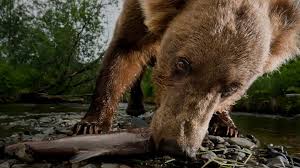
Alaska Study: Brown Bears Use Small Streams To Fatten Up On Salmon Earlier In Season
January 2nd, 2020
It’s a familiar scene to anyone who’s watched footage of brown bears catching sockeye salmon in Alaska: They’re standing knee-deep in a rushing river, usually near a waterfall, and grabbing passing fish with their paws or jaws.
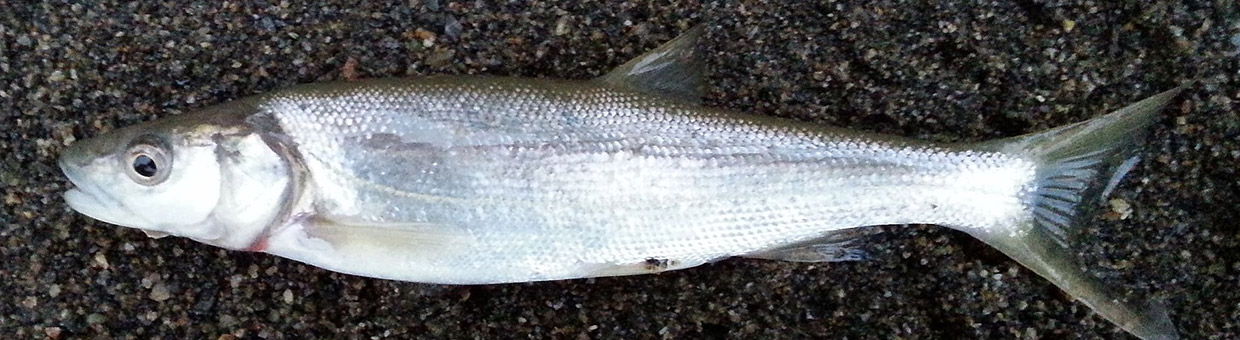
BPA Pays Out $1.16 Million In Northern Pikeminnow Reward Program In 2019
December 17th, 2019
The Northern Pikeminnow Sport Reward Program paid out in 2019 nearly $1,162,000 in rewards and removed 146,225 fish. The top angler earned $53,107.
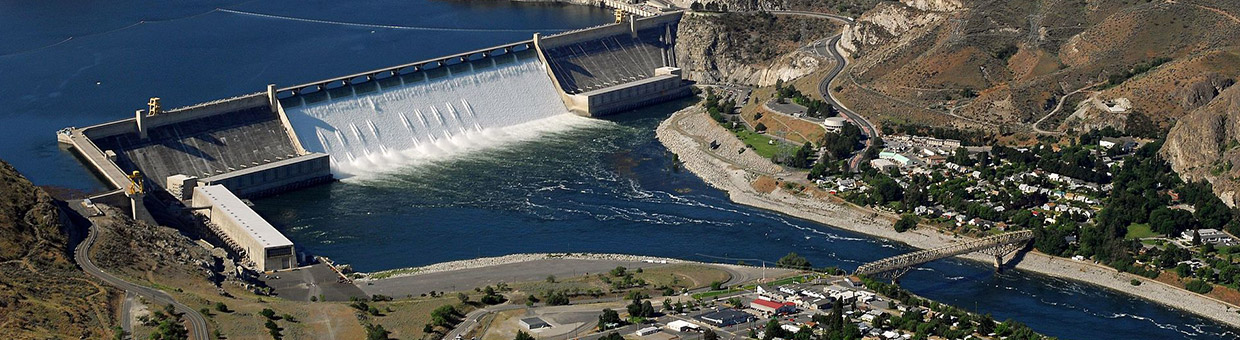
Legislation To Compensate Spokane Tribe For Lands Lost With Construction Of Grand Coulee Dam Clears Congress
December 17th, 2019
The U.S. House of Representatives passed legislation Monday to provide the Spokane Tribe of Indians compensation for the lands taken by the United States as part of building Grand Coulee Dam in the 1930s and 1940s.
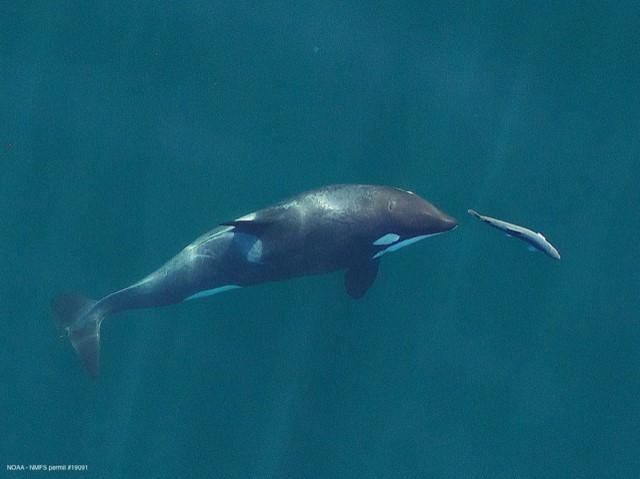
UW/NOAA Study Indicates Resident Orcas’ Preference For Large Chinook A Reason For Decline Of The Bigger Fish
December 17th, 2019
The larger, older chinook salmon that orcas crave have mostly disappeared from the West Coast. A new University of Washington and NOAA study points to the recent rise of resident killer whales, and their insatiable appetite for large chinook salmon, as the main driver behind the decline of the big fish.
Washington Ecology Department Recommends Eliminating Carbon Pollution By 2050; Concerns About Snowpack, Streamflow
December 17th, 2019
With new research predicting that climate change will cause damage to Washington’s environment and economy, the Washington Department of Ecology is recommending the state make deep cuts in greenhouse gas emissions by 2030, and eliminate nearly all sources of carbon pollution by 2050.

SHORTS: Idaho Opens Clearwater Steelhead Fishing Jan. 1; New USFWS Director; California Coastal Waters Acidifying; Washington’s New Oil Spill Rule For Rail
December 17th, 2019
Meeting by conference call on Wednesday, Dec. 18, the Idaho Fish and Game Commission reopened steelhead fishing in the Clearwater River and lower Snake River downstream of Couse Creek Boat Ramp, beginning on Jan. 1. Daily bag limit in those sections is limited to one adipose-clipped steelhead per day, none over 28 inches in length.
Town Hall On Columbia River Treaty Negotiations Set For Tri-Cities Next Week
December 12th, 2019
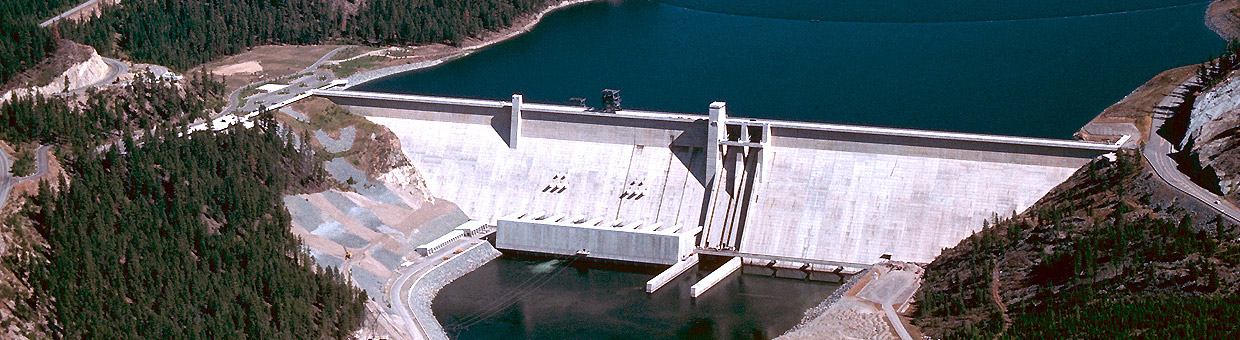
U.S. Columbia River Treaty Negotiator Jill Smail will lead a town hall on December 16 in Richland, Washington, on the modernization of the Columbia River Treaty regime.

Judge Orders USFWS To Review Status Of Grizzly Bears, Agency Urged To Consider Re-Introducing In More Areas
December 12th, 2019
A federal judge in Montana signed an order this week requiring the U.S. Fish and Wildlife Service to review the status of grizzly bears by March 2021.
OSU Study Identifies Forests In Western US Should Be Preserved To Mitigate Climate Change; Pacific Coast, Cascade Range
December 12th, 2019
A study by Oregon State University researchers has identified forests in the western United States that should be preserved for their potential to mitigate climate change through carbon sequestration, as well as to enhance biodiversity.
New England Fisheries: Study For First Time Makes Direct Link Between Climate Warming, Fishing Job Losses, Offers Template For Other Regions
December 12th, 2019
New England has a proud tradition of commercial fishing. But will it survive as the planet warms? For decades the biggest threat to the industry has been overfishing, but it is no longer the only threat. According to new research at the University of Delaware, fluctuations in the climate have already cost some New England fishermen their jobs.
Editor’s Notebook: Wild Snake River Steelhead Still Struggling Since Listing, Returns Far Off Regional Goals
December 12th, 2019
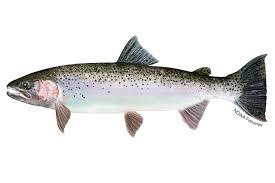
It’s been a tough couple of years for one of the Columbia River Basin’s most iconic fish – wild Idaho steelhead. After 30 years of recovery efforts, return numbers for the long-distance, high country steelhead are currently close to where they were when listed as threatened under the Endangered Species Act in 1997.
Oregon’s North Coast Closed To Salmon Fishing As Excessive Pre-Spawn Mortality Of Fall Chinook Continues
December 12th, 2019
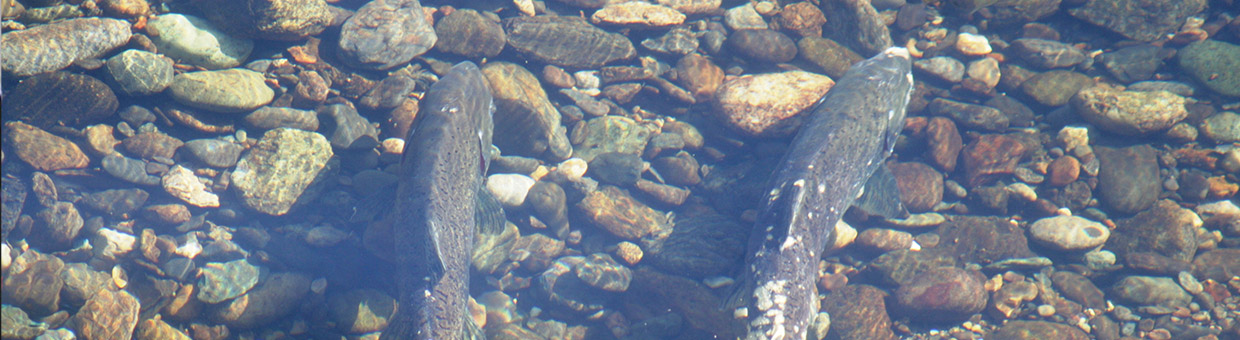
Following a recent die-off of fall chinook salmon in the Wilson River, excessive pre-spawn mortality of fall chinook in other nearby rivers has prompted fishery managers to close the entire North Coast to all salmon angling, effective Dec. 13 – 31.
Study: Abundant Food Can Offset Higher Water Temperatures For Salmon – To A Point
December 12th, 2019
Warm waters are a threat to cold water fish like salmon and trout. But a study led by researchers at University of California, Davis suggests that habitats with abundant food sources may help buffer the effects of increasing water temperature.
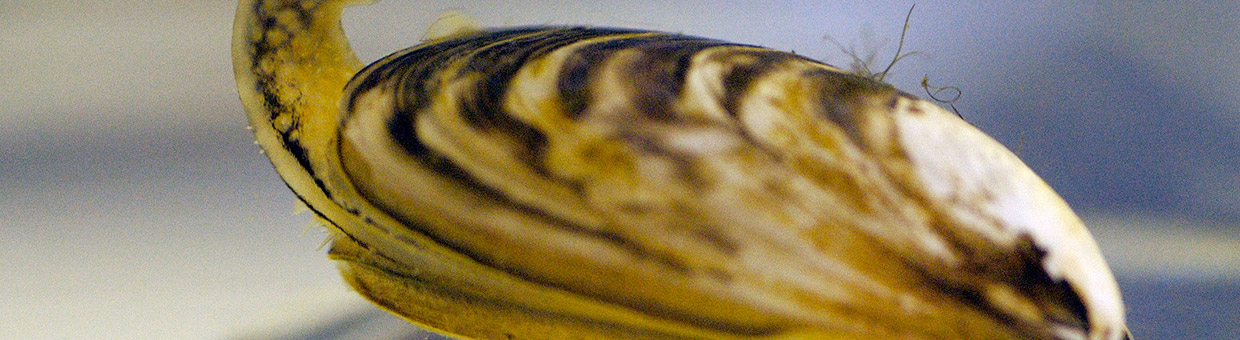
New Research On Managing Invasive Mussels Looks At BioControl, Non-Toxic Methods To Coat, Clean Boat Hulls
December 4th, 2019
A pair of studies in a special edition of the North American Journal of Fisheries Management focus on taking an integrated approach to the management of invasive quagga and zebra mussels, including using hungry fish for biological control.
SHORTS: Fall Chinook Die-Off In Oregon River; NOAA Fines Farmer For Killing Steelhead; WDOE Director Resigns; Rapid Arctic Warming; Indo-Pacific Ocean Warming, Less Rainfall West Coast
December 4th, 2019
A recent die-off of fall Chinook salmon in the Wilson River on the Oregon coast near Tillamook has prompted fishery managers to close the river to all salmon angling, effective Dec. 7 – 31.
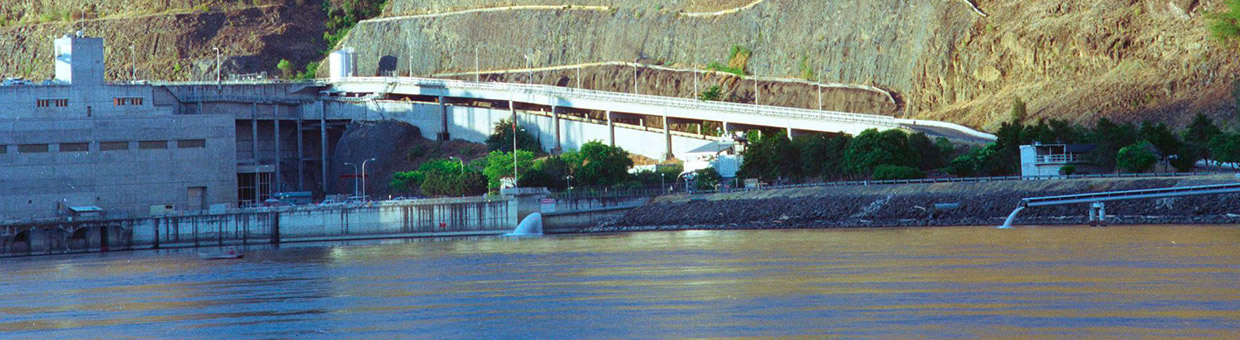
Editor’s Notebook: A New Environmental Impact Statement For Columbia/Snake Dams: Turning Point Or Status Quo?
December 3rd, 2019
In about two months the Trump Administration will tell us what it thinks about breaching the four lower Snake River dams. The news will come in the form of a draft Environmental Impact Statement from federal agencies that is due February 2020.

ENSO Still Neutral, Outlook Favors Above Average Temperatures Into Spring, Wetter Northern Part Of Country
December 3rd, 2019
The El Niño/Southern Oscillation is neutral is present and expected to persist through the winter and into the spring. The temperature outlook favors above-average temperatures across the western, southern, and eastern parts of the nation, and Alaska and Hawaii.
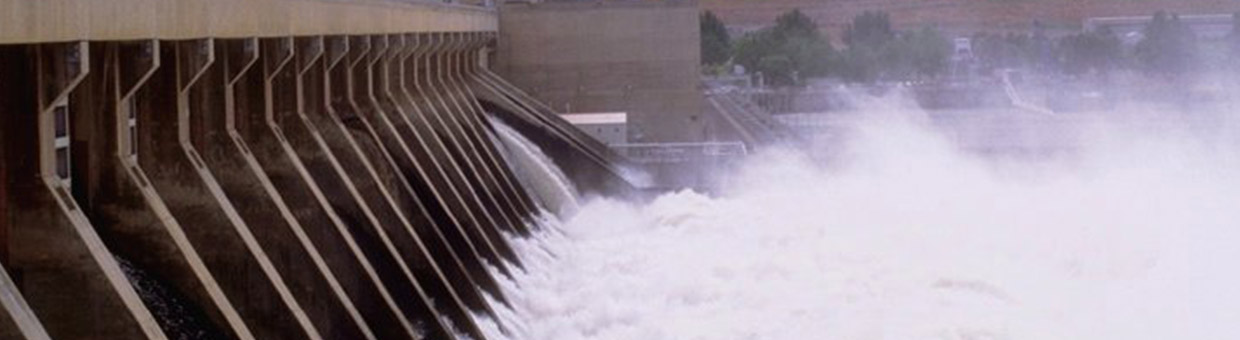
Army Corps Using Laser At McNary Dam To Discourage Avian Predation On Juvenile Salmon
November 27th, 2019
In an effort to discourage birds from snatching up juvenile salmon below McNary Dam, the U.S. Army Corps of Engineers Walla Walla District has bought a laser.

For First Time In 20 Years No Steelhead Available For Stocking In Boise River, Trapped Fish Needed For Broodstock
November 27th, 2019
Low steelhead returns mean no steelhead will be released into the Boise River for the first time in more than 20 years. It's an annual event that many anglers look forward to all year, but there aren't enough fish available at the trap in Hells Canyon to do it.
Idaho Fish And Game Staff Honored For Research On Effects Of Catch-Release On Fish
November 27th, 2019
The Association of Fish and Wildlife Agencies recently honored Idaho Fish and Game with the Ernest Thompson Seton Award for the agency’s research on the effects of air exposure on caught-and-released fish.
Canadian Research Suggests Habitat Restoration Alone Not Likely To Save Threatened Woodland Caribou
November 27th, 2019
New University of British Columbia research suggests restoring habitat may not be enough to save threatened woodland caribou—an iconic animal that’s a major part of boreal forests in North America and a key part of the culture and economy of many indigenous peoples in Canada.
Nine Climate Tipping Points Now ‘Active,’ Scientists Warn; Ice Sheets, Rain Forests, Corals
November 27th, 2019
More than half of the climate tipping points identified a decade ago are now "active", a group of leading scientists have warned.
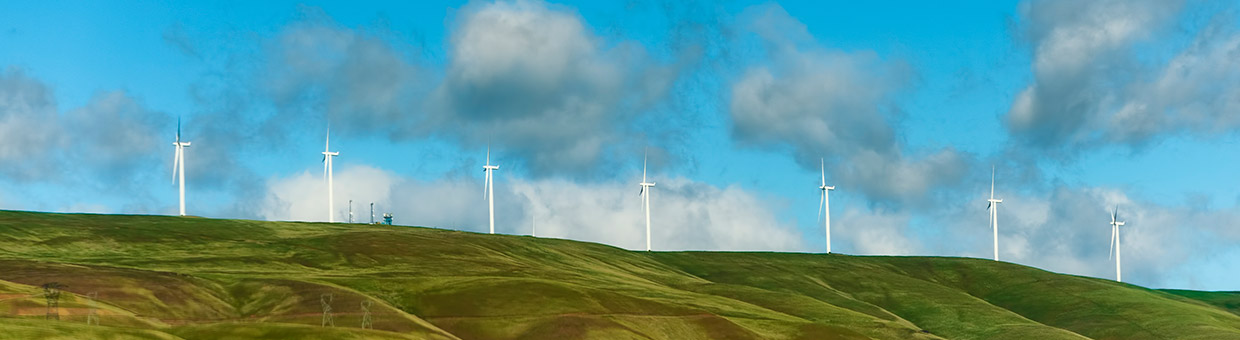
Study: North America Daily Wind Speeds Increase Since 2010, Boosting Wind Power; 37 Percent Increase By 2024
November 21st, 2019
In a boon to wind farms, average daily wind speeds are picking up across much of the globe after about 30 years of gradual slowing. Research led by a team at Princeton University shows that wind speeds in northern mid-latitude regions have increased by roughly 7% since 2010.
Draft Plan Released To Restore Washington’s Chehalis River Basin For Salmon, Aquatic Species
November 21st, 2019
During the past 30 years, salmon runs have declined 80% in southwest Washington’s Chehalis River basin due to habitat degradation, development, and climate change. By the end of the century, the basin’s spring chinook salmon could become functionally extinct, with fish numbers dropping too low to sustain the population.
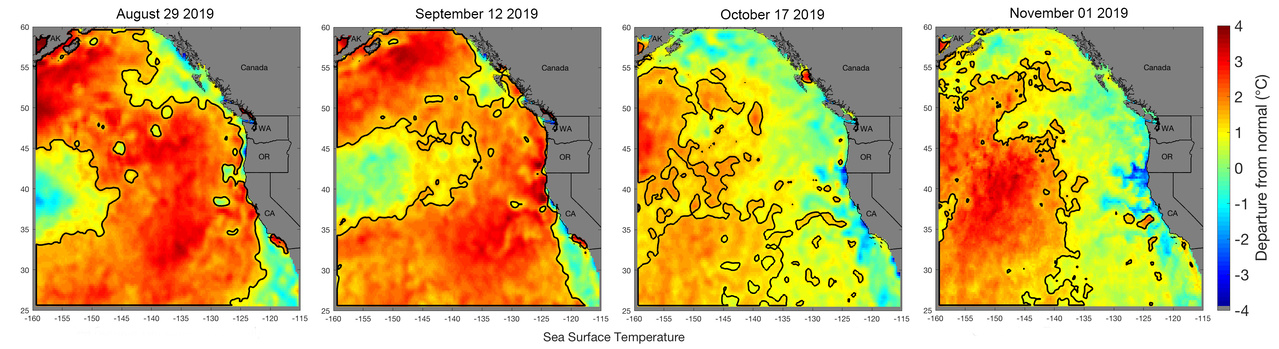
This Year’s Marine Heatwave Still Large, But Shrinks In Size, Offshore West Coast 930 Miles; Scientists Tracking Impacts On Salmon
November 14th, 2019
The vast marine heatwave that spread warm temperatures across the northeast Pacific Ocean late in the summer and fall of 2019 has declined in size and pulled back from the West Coast, possibly reducing its immediate impacts on coastal ecosystems, says NOAA Fisheries.
Research Shows Prey-Size Plastics Invading Larval Fish Nurseries; Seven Times More Plastics Than Fish
November 14th, 2019
New research shows that many larval fish species from different ocean habitats are ingesting plastics in their preferred nursery habitat.
Study: Laundered Clothes Bringing Microplastics To Oysters, Clams On Oregon Coast Through Wastewater
November 13th, 2019
Tiny threads of plastics are showing up in Pacific oysters and razor clams along the Oregon coast -- and the yoga pants, fleece jackets, and sweat-wicking clothing that Pacific Northwesterners love to wear are a source of that pollution, according to a new Portland State University study.
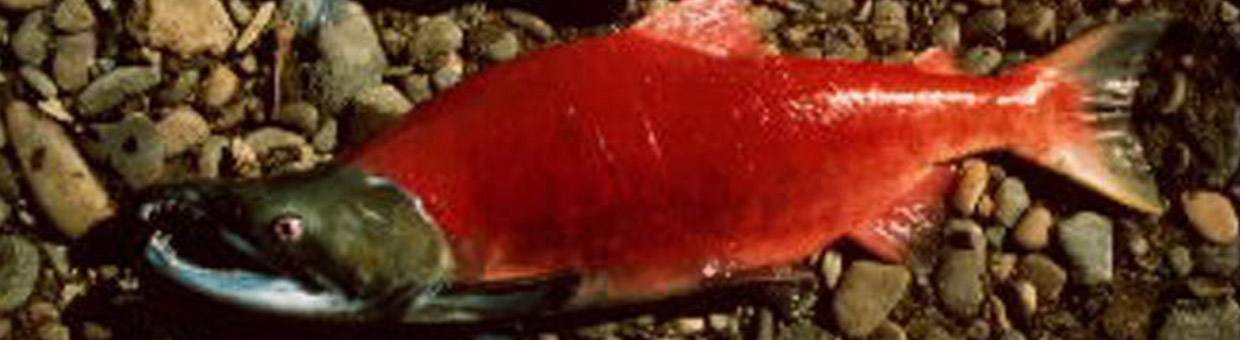
Alaska 2019 Commercial Salmon Fishery Valued At $657 Million, Includes 55.2 Million Sockeye
November 7th, 2019
The Alaska Department of Fish and Game has published preliminary harvest and value figures for the 2019 Alaska Commercial Salmon Fishery – 206.9 million fish, chinook catch low.
Scientists Use Drones To Learn More About Feeding Behavior Of Resident Killer Whales Off British Columbia Coast
November 7th, 2019
Scientists at the University of British Columbia are getting a rare glimpse into the underwater behavior of northern and southern resident killer whales off the B.C. coast, with the help of aerial drones.
Oregon State Scientists Lead Effort Declaring Climate Emergency, 6 Immediate Steps To Slow Global Warming
November 7th, 2019
A global coalition of scientists led by William J. Ripple and Christopher Wolf of Oregon State University says “untold human suffering” is unavoidable without deep and lasting shifts in human activities that contribute to greenhouse gas emissions and other factors related to climate change.
Study Suggests Conservatives Who Experience Harm From Extreme Weather More Likely To Support Climate Change Mitigation Policies
November 7th, 2019
People who identify as politically conservative are more like to support climate change mitigation policies if they have report experiencing personal harm from an extreme weather event such as a wildfire, flood or tornado, a new study indicates.
Study Shows How Invasive Mussels Have Upended Food Web In Great Lakes, Shifting Lake Trout Feeding Habits
November 7th, 2019
Forty years of reduced mercury use, emissions, and loading in the Great Lakes region have largely not produced equivalent declines in the amount of mercury accumulating in large game fish, says a new study.
EPA Announces $1 Million Grant Program For Reducing Toxics In Columbia River Basin
November 7th, 2019
The Environmental Protection Agency has announced a grant offering for projects aimed at reducing toxics in the Columbia River Basin. The agency expects to fund approximately $1 million worth of projects.
Tags, Antennas Tracking Juvenile Salmon In Lemhi, Salmon Rivers To Estimate Travel Times, Survival
October 31st, 2019
Anglers fishing the upper Salmon River this fall and winter may notice large antennas in various locations near the riverbank.
UBC Paper Offers Theory That Explains Biological Reasons For Fish Moving Poleward As Habitats Heat Up
October 31st, 2019
The Gill-Oxygen Limitation Theory, known as GOLT, explains the biological reasons that force fish, particularly larger or older ones, to move poleward when the waters in their habitats heat-up due to climate change.
NOAA Identifies New Pacific Subspecies Of Fin Whale; 14,000-18,000 Whales Part of New Designation
October 31st, 2019
New genetic research has identified fin whales in the northern Pacific Ocean as a separate subspecies, reflecting a revolution in marine mammal taxonomy as scientists unravel the genetics of enormous animals otherwise too large to fit into laboratories.
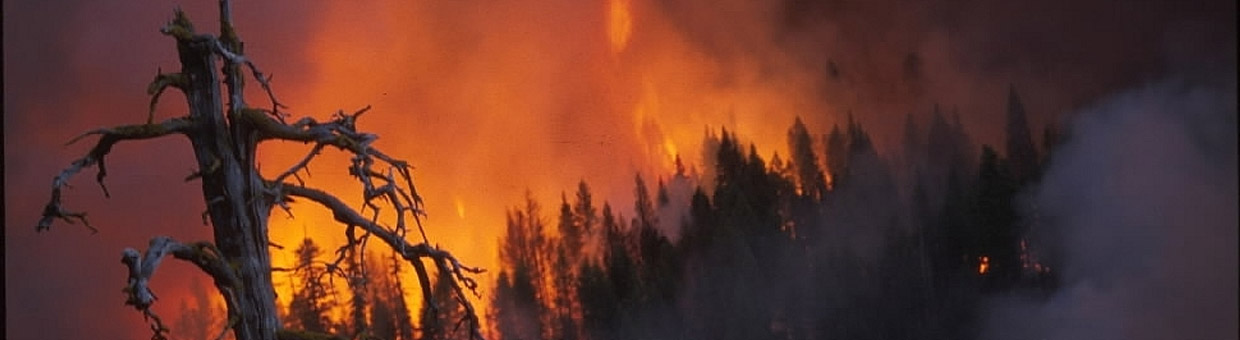
OSU Study Shows Tensions Reduced Between Private Rangeland Fire Groups, Agencies In Protecting 25 Million Acres In PNW
October 31st, 2019
The first responders to wildfires in the remote areas of the Great Basin of Oregon and Idaho are increasingly volunteer groups of private landowners that have been authorized and trained in partnership with federal and state agencies.

ODFW Intercepts, Decontaminates Kayaks With Quagga Mussel Shells From Lake Powell, Next Planned Launch Was Deschutes River
October 31st, 2019
Oregon Department of Fish and Wildlife technicians intercepted and decontaminated two inflatable kayaks at the Ontario Watercraft Inspection station Sunday. The kayaks were just in Lake Powell at or near Bullfrog Marina, and the next planned launch site was the Deschutes River.
Study Shows How Marine Heat Wave (2013-17) Destroyed California’s Bull Kelp Forests, Abalone Fishery
October 24th, 2019
First the sea stars wasted to nothing. Then the purple urchins took over, eating and eating until the bull kelp forests were gone. The red abalone starved. Their fishery closed. Red sea urchins starved. Their fishery collapsed. And the ocean kept warming.
Montana FWP Finds Illegally Introduced Walleyes In Upper Thompson Lake
October 24th, 2019
Montana Fish, Wildlife & Parks biologists found two walleyes in Upper Thompson Lake this month during a routine fisheries survey. This is the first documented detection of the predacious non-native fish in Lincoln County and is an illegal introduction.
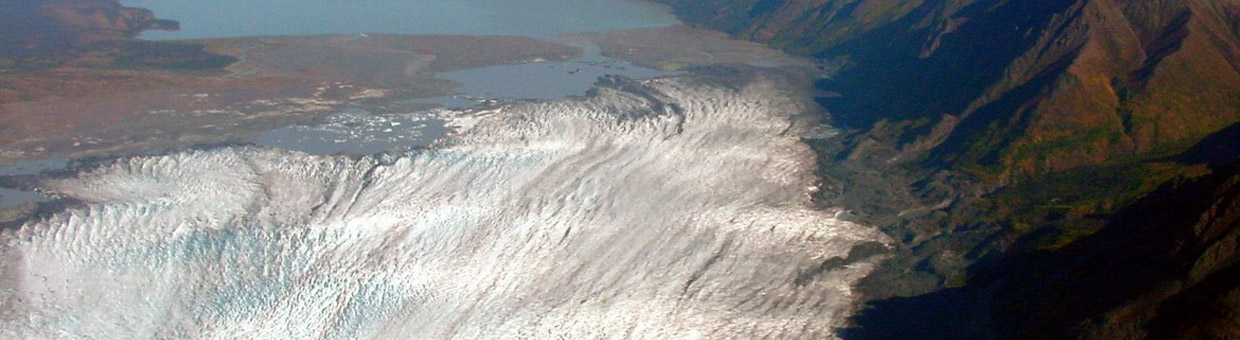
New Report Documents Climate Change Impacts On Alaska Last Five Years, Fastest Warming State
October 17th, 2019
A new report from the Alaska Center for Climate Assessment and Policy, in partnership with the International Arctic Research Center and the University of Alaska, Fairbanks, describes major changes in temperature, sea ice, glaciers, permafrost, plants, animals, and oceans the past five years.
With Neutral El Nino, Winter Outlook Indicates Warmer-Than-Average Temperatures For Pacific Northwest
October 17th, 2019
Warmer-than-average temperatures are forecast for much of the U.S. this winter, including the Pacific Northwest, according to NOAA’s Climate Prediction Center.
Researchers Develop Tool For Fisheries Managers To Incorporate Social, Cultural Concerns In Management Decisions
October 15th, 2019
For years, fisheries managers have struggled to find a delicate balance between competing financial and ecological needs. Now, a team of researchers led by a Florida State University faculty member is working toward integrating a third factor — the social and cultural needs of different groups of people.
Boat From Chicago To Seattle Carrying Zebra Mussels Quarantined, Decontaminated In Montana
October 10th, 2019
A boat from Chicago bound for Seattle was quarantined and decontaminated at the Ravalli watercraft inspection station operated by the Confederated Salish & Kootenai Tribes after an inspection found adult zebra mussels attached to the vessel.
Washington Governor Asks For Changes In Wolf Program; Says Wolf Plan Not Working In NE Washington
October 10th, 2019
Washington Gov. Jay Inslee has sent a letter to the Washington State Department of Fish and Wildlife asking for changes to the gray wolf recovery program.
Agencies, Tribes To Hold First On-The-Ground Practice Exercise For Emergency Response To Infestation Of Invasive Mussels
October 10th, 2019
State, federal, and tribal governments will come together Oct. 23 at Lake Roosevelt National Recreation Area for the first on-the-ground exercise in the Columbia River basin to prepare for an infestation of quagga and zebra mussels.
Council Reports On The Key Takeaways Of Columbia Basin Transboundary Conference
October 10th, 2019
Every five years since 1998, the Council and its closest counterpart agency in British Columbia, the Columbia Basin Trust, have co-sponsored a conference on the international Columbia River. This year, the conference was in Kimberley, British Columbia from September 12 through 14. A total of 288 people from Canada and the United States attended.
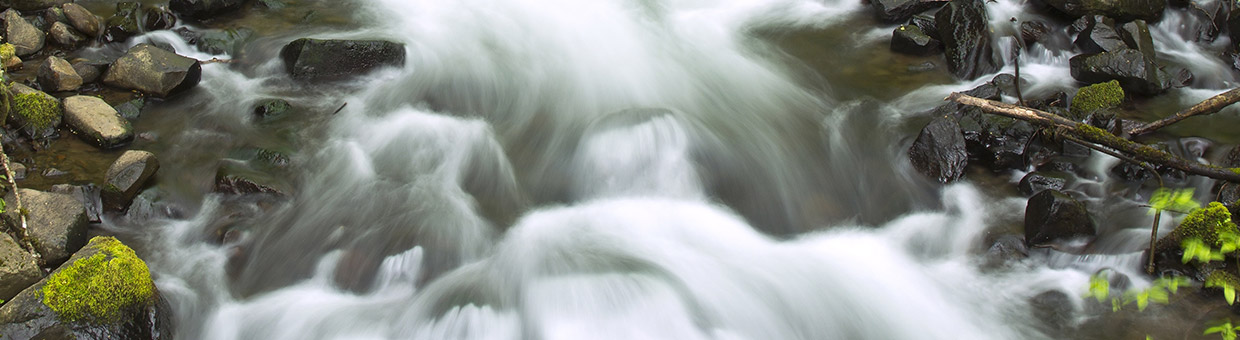
Oregon DEQ Draft Water Quality Report Says 44 Percent Of Oregon River Miles Impaired
October 10th, 2019
A draft report that, among other things, lists Oregon’s water quality impaired waters has been released by the Oregon Department of Environmental Quality for review until December 2.
Invasive European Green Crabs Found Near Washington-Canadian Border; High Number Trapped Raises Concern Of Established Population
October 10th, 2019
As part of an early-detection partnership, the Washington Department of Fish and Wildlife and the Washington Sea Grant Crab Team found evidence of European green crabs in Drayton Harbor near the Canadian border during regular monitoring, and then trapped 17 green crabs during a two-day rapid response in late September. This is the highest number of green crabs trapped in such a short period of time from any one area along Washington’s inland shoreline.
Believing In Climate Change Doesn’t Mean Coastal Homeowners Prepare For Climate Change, Says Study
October 10th, 2019
Believing in climate change has no effect on whether or not coastal homeowners are protecting their homes from climate change-related hazards, according to a new study from the University of Notre Dame.
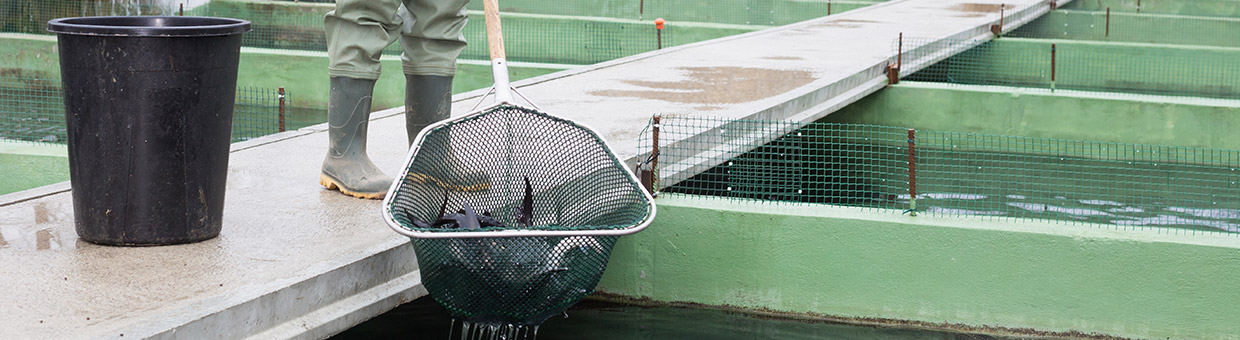
WDFW Seeks Comments On Cooke Aquaculture Proposal For Farming Sterile Steelhead In Puget Sound
October 10th, 2019
The Washington Department of Fish and Wildlife has begun a 21-day public comment period regarding Cooke Aquaculture’s proposal to farm sterile (triploid) rainbow trout/steelhead in Puget Sound.
IDFG Moves Two Giant 25-Year-Old Sturgeon From Hatchery To Snake River At Idaho Falls
October 10th, 2019
Two 7-foot long sturgeon were transported 190 miles from the Hagerman Fish Hatchery to the Snake River in Idaho Falls after spending the first 25 years of their life in a IDFG display pond, but these long-lived giants still have a long life ahead of them.

SHORTS: BPA Treasury Payment; Listed Bird Successfully Hatched; Leavenworth Hatchery Work
October 3rd, 2019
The Bonneville Power Administration made its 36th consecutive U.S. Treasury payment today on time and in full. This year’s $1.06 billion payment brings BPA’s cumulative payments to the Treasury during those 36 years to over $30 billion.
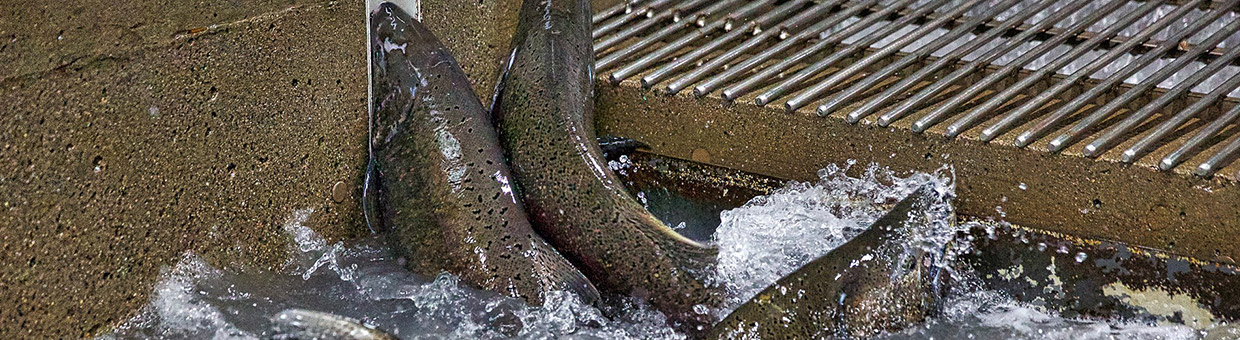
Hanford Reach Live Capture Fishing Derby Has Fisherman Catching Wild Fall Chinook For Priest Rapids Hatchery Broodstock
October 3rd, 2019
What some call the most unique fishing derby in the nation, the Seventh Annual CCA King of the Reach Live Capture Derby, aims to improve hatchery production through angler assistance this month on the Hanford Reach section of the Columbia River.
Surveys Document How Marine Heatwave – The Blob—Led To Boom In West Coast Rockfish
October 1st, 2019
The high temperatures that came with the marine heatwave known as the Blob led to unprecedented mixing of local and subtropical species. There were, often with new and unpredictable outcomes. Out of that mix came one unexpected winner: West Coast rockfish. These bottom-dwelling species, which that had previously collapsed in the face of overfishing during the 2000s, thrived under the new conditions.
WDFW Authorizes Lethally Removing Wolves From Southeast Washington Pack
September 26th, 2019
Washington Department of Fish and Wildlife Director Kelly Susewind has authorized the incremental removal of wolves from the Grouse Flats pack in southeast Washington in response to repeated depredations of cattle.
Invasive New Zealand Mud Snails Found In Private Montana Hatchery, Now Under Quarantine Until Eradicated
September 26th, 2019
Last month Montana Fish, Wildlife and Parks discovered an established population of New Zealand mud snails at a private commercial fish hatchery south of Hamilton.
New Study Finds Massive Reduction In Bird Populations In U.S., Canada Since 1970, Play Key Roles In Food Webs
September 24th, 2019
Since 1970, bird populations in the U.S. and Canada have declined by 29%, or almost 3 billion birds, signaling a widespread ecological crisis, a study published in the journal Science reveals.

SHORTS: Colville River Fishing Proposal; Skokomish River Ecosystem Restoration; 2019 Hottest Summer In N. Hemisphere; Okanogan River Flows Boosted
September 17th, 2019
Fisheries managers are seeking public comments through Oct. 17 on a state proposal to reinstate a year-round fishing season on the Colville River in northeast Washington.
OSU Study Identifies Actions Transnational Corporations Can Take For Global Resource Management; ‘These Leaders Should Be At The Table’
September 16th, 2019
Researchers have identified six corporate actions that, combined with effective public policy and improved governmental regulations, could help large transnational corporations steer environmental stewardship efforts around the world, a new paper suggests.
USFWS Delists A Third Oregon Fish, The Foskett Speckled Dace; Follows Delisting Of Oregon Chub, Modoc Sucker
September 12th, 2019
Another Oregon fish — the Foskett speckled dace — is now being delisted from the federal list of threatened and endangered wildlife because it has recovered and no longer meets the definition of threatened under the Endangered Species Act, says the U.S. Fish And Wildlife Service.
Lower Columbia Estuary Partnership, Tillamook Estuaries Receive $1.2 Million In EPA Funding Under National Estuary Program
September 12th, 2019
The Environmental Protection Agency announced Thursday that the Lower Columbia Estuary Partnership and the Tillamook Estuaries Partnership will share $1.2 million in funding under the EPA National Estuary Program.
SHORTS: Removing Sunken Tug; Reward Offered For Pelican Shootings; Online Seminars Set For Wolf Post-Recovery Planning
September 11th, 2019
The U.S. Army Corps of Engineers, the U.S. Coast Guard and the U.S. Navy’s Supervisor of Salvage and Diving will begin removal of the sunken Tug DIANE this Friday, September 13, 2019.
New Marine Heat Wave Resembling ‘The Blob’ Emerges Off West Coast: Will It Last Long Enough To Effect Marine Ecosystem?
September 5th, 2019
About five years ago “the Blob” of warm ocean water disrupted the West Coast marine ecosystem and depressed salmon returns. Now, a new expanse of unusually warm water has quickly grown in much the same way, in the same area, to almost the same size.
Radiocarbon-Dated Artifacts From Salmon River Site Indicate Humans Arrived In Columbia Basin Before Inland Ice-Free Corridor
September 4th, 2019
Stone tools and other artifacts unearthed from an archeological dig at the Cooper’s Ferry site along the Salmon River in western Idaho suggest that people lived in the area 16,000 years ago, more than a thousand years earlier than scientists previously thought.
SHORTS: New Montana Council Member; White-Nose Syndrome East Of Cascades; Boise’s Salmon/Steelhead Days; Montana Fisheries Projects; ShakeAlert For West Coast
September 3rd, 2019
Montana Governor Steve Bullock has appointed Bo Downen, director, environmental and regional affairs at the Public Power Council, a regional association of consumer-owned electric utilities, to replace Tim Baker as a Montana member of the Northwest Power and Conservation Council.

WDFW, Quinault Nation Reach Agreement To Boost Coho, Steelhead Populations in Wynoochee River Basin
September 3rd, 2019
State and tribal leaders in Washington State have agreed to a plan that will enhance coho salmon and steelhead populations diminished by the Wynoochee Dam in Grays Harbor County.
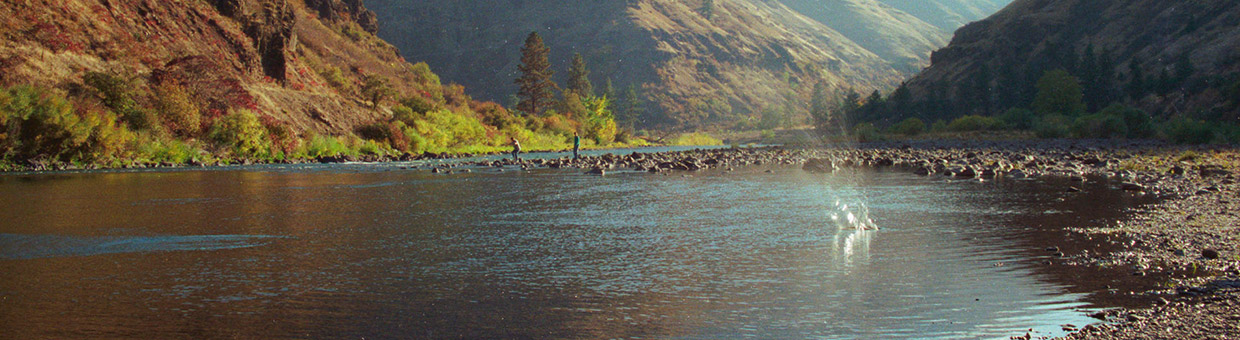
Though Columbia River Closed For Steelhead Fishing Up To John Day Dam, Tributaries Remain Open With Reduced Bag Limits
September 2nd, 2019
Due to lower forecasts of upriver summer steelhead, the Columbia River is closed to steelhead retention through September from the river’s mouth up to the John Day Dam. However, tributaries of the river remain open for steelhead fishing and retention, and in the Snake River and tributaries, fishing either is continuing, as it is in Idaho, although with a reduced bag limit, or just opening, as in tributaries of the Snake in Oregon, also with a reduced bag limit.
WHOOSHH Innovations Will Demonstrate Its Fish Passage Technology At Chief Joseph Dam, Last Stop For Migrating Columbia River Salmon
August 28th, 2019
Whooshh Innovations next month will demonstrate at Chief Joseph Dam its fish passage technology, which moves adult salmonids over a dam through tubing rather than up fish ladders.

Washington DNR Releases Tsunami Simulation Videos For Entire Washington Coast, Including Columbia River Mouth
August 28th, 2019
New videos show how large tsunami waves are likely to impact the coast of Washington state.

California Seeking Information For Proposed Listing Of Northern California Summer Steelhead Under State ESA
August 27th, 2019
The California Department of Fish and Wildlife is seeking information relevant to the proposed listing of Northern California Summer Steelhead as an endangered species.
Washington Sage-Grouse Study Looks At Relocation To Increase Birds’ Numbers, Gene Diversity
August 27th, 2019
A team of scientists successfully moved sage-grouse, a threatened bird species in Washington state, from one area of their range to another to increase their numbers and diversify their gene pool.
To Avoid ‘Disruption,’ Unsafe Environment, WDFW Cancels Wolf Post-Recovery Open Houses; Will Schedule Online Webinars
August 27th, 2019
The Washington Department of Fish and Wildlife is canceling a series of in-person wolf post-recovery planning open houses and will schedule online, interactive webinars this September and October.
WDFW To Use Drone To Count Spawning Nests In Central Washington
August 26th, 2019
Starting in September and going through November of 2019, the Washington Department of Fish and Wildlife will partner with Washington State University on a research project to use drone technology to advance conservation efforts for summer chinook salmon.
WDFW Lethally Eliminates Northeast Washington Wolf Pack After Continued Cattle Depredation
August 22nd, 2019
On the morning of Aug. 16, the Washington Department of Fish and Wildlife lethally removed the four known remaining members of the OPT wolf pack. A series of WDFW investigations had shown the pack responsible for 29 depredation incidents.
New Lawsuit Seeks Whale Protection Zone For Endangered Puget Sound Orcas
August 22nd, 2019
A new U.S. lawsuit filed Monday seeks to establish a whale protection zone for endangered orcas in the Pacific Northwest.
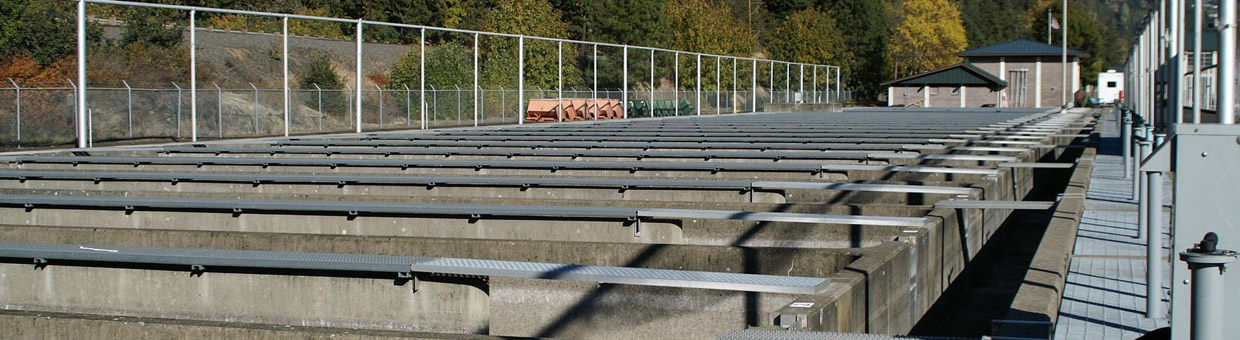
SHORTS: IDFG Salmon Roundup For Sawtooth Hatchery; Grande Ronde River Habitat Work; Council FW Division Director Retires
August 22nd, 2019
In most years, Idaho Fish and Game’s hatchery managers wait patiently for Chinook salmon to return to hatcheries, but this summer, they gave them a helping hand at the Sawtooth Hatchery near Stanley. In August, Fish and Game staff and volunteers held a Chinook salmon roundup in the Salmon River downstream from the hatchery and trapped and transported nearly 250 fish that were holed up downstream and refusing to make the final swim.
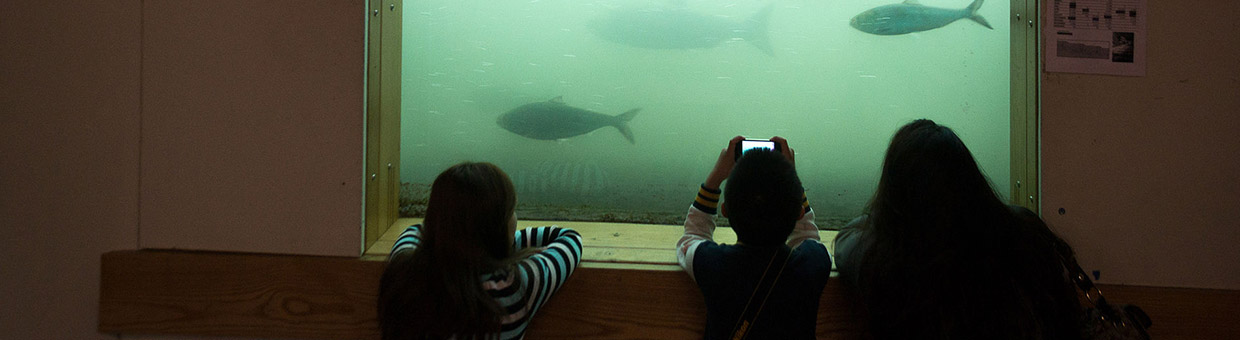
Oregon Study Shows How Increasing Abundance Of ESA-Listed Salmon Can Translate Into A Dollar Value, Deliver Economic Benefits
August 15th, 2019
A new study provides evidence that increasing the abundance of a threatened or endangered species can deliver large benefits to the citizens of the Pacific Northwest.
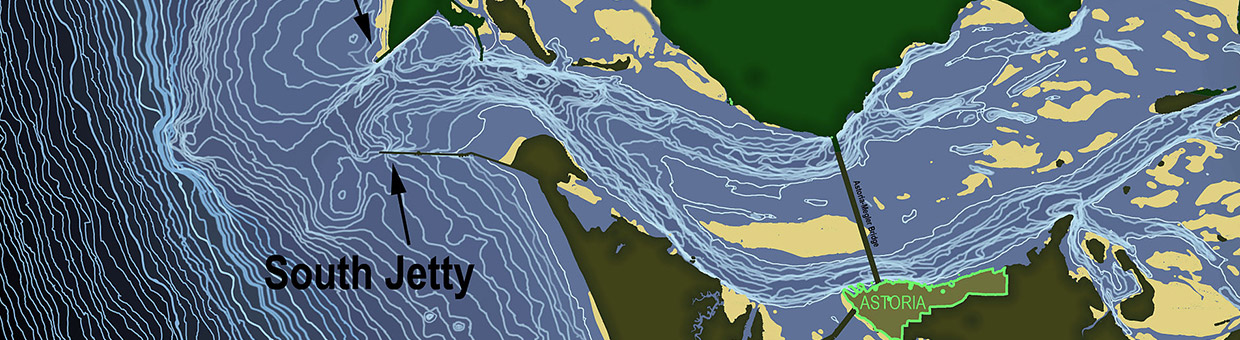
New Mapping: Columbia River Estuary Has Lost 74 Percent Of Vegetated Tidal Wetlands, Nurseries For Juvenile Salmonids
August 14th, 2019
An unprecedented survey has revealed the loss of about 85 percent of historical tidal wetlands in California, Oregon, and Washington.
Meetings Set To Discuss How To Improve Columbia River Harvest Policy Concurrence Between Washington, Oregon
August 13th, 2019
The public is invited to attend a series of committee meetings comprised of members of the Washington and Oregon fish and wildlife commissions to discuss next steps in the review of salmon management on the Columbia River.
New State Of The Climate Report Details 2018 As Fourth Warmest Year On Record, Greenhouse Gases Highest On Record
August 13th, 2019
A new State of the Climate report confirmed that 2018 was the fourth warmest year in records dating to the mid-1800s, and Alaska reported its second warmest in its 94-year record.
Climate Change: Can We Talk? That Can Be Difficult For Both Skeptics, Environmentalists
August 13th, 2019
Having productive conversations about climate change isn’t only challenging when dealing with skeptics, it can also be difficult for environmentalists, according to two studies presented at the recent annual convention of the American Psychological Association.
Northern Leopard Frogs Rapidly Disappearing In Northwest, Re-Introduction Project Aims To Assist A Rebound
August 13th, 2019
Hundreds of endangered Northern Leopard frogs have taken a leap back into the wild in recent weeks at the Columbia National Wildlife Refuge in Washington State’s Grant County.
First Bumble Bee Species In The West (Oregon/N.Calif) Proposed For ESA Listing By USFWS
August 13th, 2019
The U.S. Fish and Wildlife Service Monday announced a proposal to list the Pacific Northwest’s Franklin’s bumble bee as endangered under the Endangered Species Act.
WDFW Opens Public Comment Period On Developing Management Plan For Wolves Post Recovery
August 8th, 2019
The Washington Department of Fish and Wildlife has opened a public comment period to gather input on how the department will manage wolves in Washington post-recovery.
OSU Study: Installing Solar Panels On Ag Lands Improves Efficiency, Could Meet Global Electricity Demand
August 8th, 2019
The most productive places on Earth for solar power are farmlands, according to an Oregon State University study. The study, published this week in the journal Scientific Reports, finds that if less than 1% of agricultural land was converted to solar panels, it would be sufficient to fulfill global electric energy demand. The concept of co-developing the same area of land for both solar photovoltaic power and conventional agriculture is known as agrivoltaics.
Tribal Sturgeon Setline Fishing Ends Early In John Day Pool As Catch Exceeds Expectation
August 8th, 2019
Tribal commercial sturgeon setline fishing in the John Day Dan pool will end nine days early as catch rates far exceeded expectations in the fishery that began July 26 and was to initially have ended August 17.
Washington Fish/Wildlife Commission Approves Request To Seek Increased Funding From Legislature To Avoid Cuts
August 8th, 2019
The Washington Fish and Wildlife Commission last week approved moving forward on a request to the State Legislature to increase Washington Department of Fish and Wildlife funding.
Study Tracks Oregon Coast Harbor Seals’ Ranges, Habitats Using Wearable Devices
August 1st, 2019
Approximately 10,000-12,000 harbor seals make the Oregon coast their home year-round but there’s little data on these seal populations.
BPA To Install New Meters At Transmission Substations For Eight Dams, Necessary For Joining Western Energy Imbalance Market
August 1st, 2019
New meters will be installed at BPA’s transmission substations for eight of the “Big 10” hydro facilities in the Federal Columbia River Power System, the agency said in a press release this week.
UBC-Led Study Shows Biodiversity Highest on Indigenous-Managed Lands
August 1st, 2019
More than one million plant and animal species worldwide are facing extinction, according to a recent United Nations report. Now, a new University of British Columbia-led study suggests that Indigenous-managed lands may play a critical role in helping species survive.
Editor’s Notebook: Dreading The Dreissenids. What Will It Take To Keep Invasive Mussels Out Of The Basin?
July 31st, 2019
That destructive, invasive zebra and quagga mussels – dreissenids — have not found a new home in the Columbia River basin is a success story.
Puget Sound Study Shows E-DNA As Effective In Tracking Salmon Populations As Net Sampling
July 31st, 2019
Scientists at NOAA Fisheries’ Northwest Fisheries Science Center, the University of Washington, and the Skagit River System Cooperative have shown that eDNA is just as effective in tracking threatened chinook populations as casting nets into the water to catch the fish swimming by.
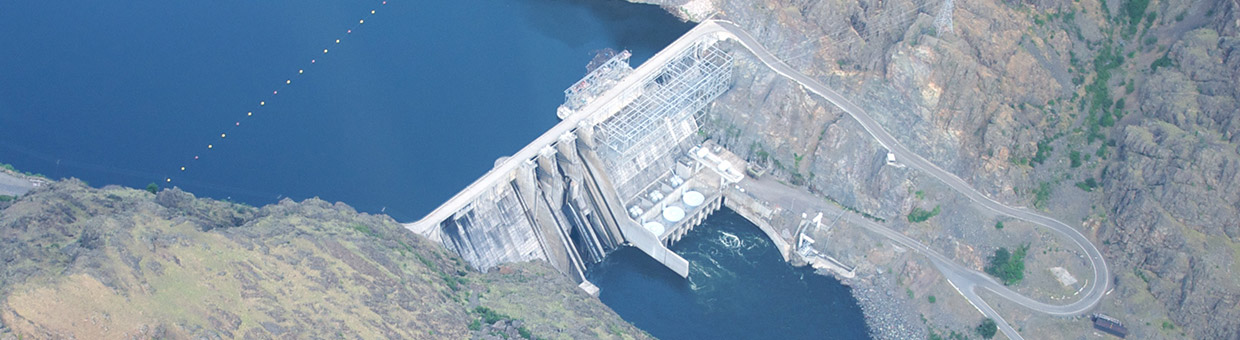
Nez Perce Tribe, Pacific Rivers, Idaho Rivers United File Challenge To Oregon Water Quality Certification For Hells Canyon Dams
July 25th, 2019
Pacific Rivers and Idaho Rivers United filed a petition in Multnomah County circuit court Tuesday challenging the issuance of the water quality certification by the Oregon Department of Environmental Quality for the Hells Canyon Complex. The Nez Perce Tribe filed a challenge in Oregon’s Marion County circuit court.
NOAA Study Identifies Pacific Salmon Populations Most Vulnerable To Climate Change; Will Aid In Mitigating Effects Of Regional Warming
July 25th, 2019
Four population groups of Pacific salmon in California, Oregon, and Idaho are especially vulnerable to climate change, according to a new study.
BPA Says No Increase In Base Power Rates For 2020-2021, 3.6 Percent Hike For Transmission; Says Financial Reserves Policy Surcharge Likely
July 25th, 2019
The Bonneville Power Administration has established rates for its power and transmission services for the 2020-2021 rate period that the agency says reflects “significant efforts to manage program costs and strengthen financial health.”
Fish Passage: Washington Board Issues $25 Million To Remove Fish Barriers (Culverts) Blocking Salmon, Steelhead
July 25th, 2019
Salmon and steelhead soon will have access to more than 82 miles of streams in Washington, thanks to $25 million in grants to remove fish passage barriers.
Research: E-DNA Could Offer Alternative To Electrofishing For Sampling Fish Populations, Captures Biodiversity
July 25th, 2019
For the first time, researchers have used a novel genomics-based method to detect the simultaneous presence of hundreds of organisms in a stream.
Study: Acoustic Observations Indicate Alaska Glacier Melt Rates Higher Than Predicted; Challenges Assumptions On Underwater Melting
July 23rd, 2019
New acoustic observations mapping the changing face of the LeConte Glacier in southeast Alaska show that the rate of submarine melt is much higher than previously predicted by scientific theory, a new study published this week in the journal Science shows.
Idaho Deploys Hundreds Of Game Cameras To Improve Counting Of Wolves
July 22nd, 2019
How many wolves are on the landscape in Idaho? That’s an often-asked question that Idaho Fish and Game is aiming to answer using game cameras during a new statewide population monitoring program.
Montana Removing Non-Native Trout From Upper Swan River Tributary To Aid Native Westslope Cutthroat, Bull Trout
July 22nd, 2019
In an effort to boost native westslope cutthroat and bull trout populations, Montana Fish, Wildlife and Parks is proposing to remove non-native trout species in Cooney Creek, a tributary of the upper Swan River in northwest Montana.
Editor’s Notebook: Region Still Searching For That Sweet Spot Of Coordinating, Connecting Salmon Recovery Efforts
July 18th, 2019
Is there a species anywhere in the United States that crosses and involves more governmental jurisdictions than Columbia River basin salmonids?
SHORTS: Poor Wild Chinook Returns For Oregon Coast; Award For Former IDFG Director; Kootenai Forestlands Easement; New Assistant Secretary For Fish, Wildlife; NOAA Draft Research Plan; UW Environmental Law Gift
July 18th, 2019
For the second year in a row, fishing for wild fall chinook salmon will be restricted in coastal rivers, due to poor escapement in 2018 and poor forecasted returns this year.
Washington State: How Can There Be A Drought When It’s Raining?
July 16th, 2019
While recent rain is helping many parts of the state, more than a few scattered showers are needed to fix Washington’s drought. For the past few months, Washington’s weather has been all over the map, says a Washington Department of Ecology blog post.
Bill Introduced In House With Dedicated $1.4 Billion To Prevent Fish/Wildlife From Becoming Endangered; $97 Million For Tribes
July 16th, 2019
U.S. House Reps. Debbie Dingell (D-MI) and Jeff Fortenberry (R-NE) have reintroduced the Recovering America’s Wildlife Act that would dedicate roughly $1.4 billion to the Wildlife Conservation Restoration Program. The money would fund voluntary efforts led by the states, territories and tribal nations to prevent vulnerable wildlife from becoming endangered.
WDFW Director Authorizes Lethal Removal Of Wolves From Northeast Washington Pack; 20 Livestock Depredations
July 11th, 2019
Washington Department of Fish and Wildlife Director Kelly Susewind reauthorized WDFW staff to lethally remove wolves from the Old Profanity Territory pack in northeast Washington.
Editor’s Notebook: Salmon, Steelhead Will Need Plenty Of Help To Survive Regional Climate Warming
July 11th, 2019
Right now, early summer 2019, half the rivers in Washington State are in the bottom 10 percent of average flows measured for this time of year. Five percent of rivers show record low flows. Many of these waterways bear spawning salmon and steelhead, including those listed under the federal Endangered Species Act.
New Water Quality Permits For Atlantic Salmon Farms Include Stronger Protections For Puget Sound; No Non-Native Fish Farms By 2022
July 11th, 2019
Beginning in 2022, fish farms will no longer be allowed to raise non-native fish in Washington’s waters. Until then, updated permits from the Washington Department of Ecology require Atlantic salmon farms to step up their monitoring, inspections and reporting, and to have emergency response plans, the agency said Thursday.
Oregon-Washington Continue Policy Talks On Jointly Managed Columbia River Fishery
July 10th, 2019
The Oregon and Washington fish and wildlife commissions will meet together Aug. 1 to continue their discussions of the joint state Columbia River salmon management policy. Although the public is invited to attend the nearly all day meeting in Salem, public testimony will not be taken.
Columbia River Treaty Town Hall Set For Next Week In Boise
July 10th, 2019
The U.S. State Department has set a Columbia River Treaty town hall in Boise, Idaho next week.
NOAA: Maps Show How Heavy Rain Has Increased Across Most Of U.S. Since 1901, More Frequent Downpours Coming
July 10th, 2019
Extreme precipitation events have grown more frequent since the start of the twentieth century, and such events are likely to become even more frequent over the twenty-first, says NOAA in a new posting at Climate.Gov, science and information for a climate-smart nation.
Deploying Tagged Crabs Near Mouth Of Columbia River; They Fled Within A Week
July 9th, 2019
Dungeness crab is Oregon’s leading commercial seafood product, bringing in an estimated $75 million in 2018, yet little is known about how far crabs will venture in search of food.
New Report Confirms 46 Whale Entanglements In Fishing Gear Off West Coast In 2018; Humpbacks Top List
July 2nd, 2019
A total of 46 whales were confirmed as entangled in fishing gear off the West Coast in 2018, more than the previous year, but slightly lower than the historic highs of 2015 and 2016. The number of entanglements remained above levels prior to 2014, when the average number was less than 10.
Lake Roosevelt Sturgeon Fishery: 20 Year Hatchery Program More Successful Than Expected
July 2nd, 2019
Three years ago was the first time in 20 years a white sturgeon fishery in Lake Roosevelt was open to the public. That year more than 17,000 anglers took to the water to bag a prehistoric fish that can grow to more than 12 feet long and weigh hundreds of pounds.
Editor’s Notebook: Don’t Wait For More Reports To Gear Up For Intensive Pike Suppression, Rapid Detection
June 27th, 2019
What’s the economic cost to the region if invasive, voracious northern pike find their way out of Lake Roosevelt and downstream into the Columbia River mainstem, and into salmon and steelhead spawning beds in its tributaries?
SHORTS: No Herbicides In Wallowa Lake; Lake Koocanusa Low Inflow; Willamette Reservoirs At 72 Percent; Emergency Reg On Pike Found In Montana Lake; Unsafe Natural Toxin Level At Rufus Wood Lake; Eradicating Flowering Rush; New Director Of OSU’s Marine Mammal Institute
June 26th, 2019
In one of the driest years recorded for the Kootenai River Basin, extremely low spring precipitation combined with well below average winter snowpack and runoff will keep Lake Koocanusa significantly lower than normal this summer.
With Anglers’ Help, IDFG-UI Study Catch Rates Of Wild Steelhead, Survival After Release
June 25th, 2019
Steelhead anglers are asked to watch for tagged steelhead they might catch during the 2019-20 steelhead fishing seasons, and report tagged fish if they catch one.
NOAA Fisheries Adopts New Plan For West Coast Ecosystem-Based Fisheries Management
June 25th, 2019
When an unusually strong marine heat wave warmed the ocean off the West Coast from late 2014 to 2016, the effects reverberated through the marine ecosystem. One of the telltale changes was in copepods, tiny crustaceans that provide essential food for juvenile salmon as they first enter the ocean. Instead of energy-rich copepods that help the fish grow quickly, leaner copepods with less energy began to dominate. That left young salmon facing tougher odds in the ocean.
EPA, DEQ Conclude On-Site Investigation At Wallowa Lake; Find 74 Drums, One With Herbicide Label
June 20th, 2019
The U.S. Environmental Protection Agency and Oregon Department of Environmental Quality concluded the on-site investigation this week into reports of drums at the bottom of Wallowa Lake labeled with the herbicides “2,4-D or 2,4,5-T.”
Idaho Governor’s Salmon Workgroup Sets First Meeting This Month; Seeking Unified Salmon Recovery Policy
June 20th, 2019
Idaho Gov. Brad Little’s Salmon Workgroup, formed to help shape the state’s salmon recovery policies, will hold its first meeting June 28 from 8 a.m. to 3 p.m. in the Idaho Room at the Idaho State Museum in Boise.
GUEST COLUMN: Washington State Needs More Stringent Regulations On Suction Dredge Mining To Protect Fish Habitat
June 20th, 2019
The Washington Department of Fish and Wildlife recently released a statement essentially patting themselves on the back for maintaining the status quo in response to a growing problem on Washington’s salmon and steelhead streams.
Editor’s Notebook: So How Are Columbia River Salmon And Steelhead Doing? Status Reviews Should Tell Us
June 19th, 2019
So in chatting with an acquaintance this past weekend, he asked me if the salmon and steelhead in the Columbia River are recovering? My casual, unsatisfying answer was “depends on what fish and where.” But it’s a good question.
Restoration Plans To Aid Juvenile Salmon In Columbia River Estuary Out For Review
June 19th, 2019
Mitigation plans that will benefit juvenile salmon on a large urban island in the Columbia River are out for review.
Lower Elwha Klallam Tribe Finding Much Larger Coho Smolts Leaving Lake Sutherland, Connected To Elwha River
June 19th, 2019
The Lower Elwha Klallam Tribe this spring found bigger-than-expected coho smolts headed out of Lake Sutherland, connected to the Elwha River on Washington’s Olympic Peninsula.
SHORTS: New Public Power Council Director; Ocean Fishing, Good Coho Numbers; Using Drone To Document Fish Barrier Removal; 5,000 Trout Per Mile; Grizzly Bear Removal At Whitefish Lake; New Book On Salish Sea Fishes
June 19th, 2019
The Public Power Council announced this week that Scott Simms has been selected as Executive Director, effective August 12. Simms will be the ninth Executive Director in the 53-year history of PPC.
WDFW Releases Investigation Into Minter Creek Hatchery Generator Failure, Addressing Shortcomings
June 17th, 2019
The Washington Department of Fish and Wildlife today released an investigation into last December’s generator failure at Minter Creek Hatchery that resulted in the loss of millions of salmon fry.

Supreme Court Refuses To Hear Columbia River Mining Pollution Case; Upholds Appeals Court Ruling Awarding Colville Tribes Cleanup Costs
June 17th, 2019
In a win for the Confederated Tribes of the Colville Reservation and Washington State, the U.S. Supreme Court last week declined to hear a case regarding discharges of toxic waste into the Columbia River.
First Global Assessment Of Marine Heatwaves: North Pacific In 2015 Largest Area Affected, Twice As Large As Any Other
June 17th, 2019
The frequency of marine heatwave days increased by 50 percent over the past century but our ability to predict them has been limited by a lack of understanding around the key global processes that cause and amplify these events.
Editor’s Notebook: We Now Know The Ocean Has Limited Carrying Capacity For Salmon, But We Don’t Know The Tipping Point
June 12th, 2019
Is it possible to fill the vast North Pacific Ocean with too many salmon? Hard to fathom, but apparently so.
Northwest Senators Urge British Columbia To Engage, Monitor Transboundary Mining Impacting Downstream Water Quality
June 12th, 2019
U.S. Senators from Alaska, Idaho, Montana, and Washington have sent a letter to Premier John Horgan of British Columbia urging attention and action on key issues related to transboundary mining practices.
EPA, Oregon DEQ To Remove Drums Containing Herbicides Found At Bottom Of Wallowa Lake; Markings Show 2,4-D, 2,4,5-T (Combined, Agent Orange)
June 11th, 2019
The U.S. Environmental Protection Agency and Oregon Department of Environmental Quality are working to remove this summer drums containing herbicides at the bottom of Wallowa Lake in northeast Oregon.
Washington State Sues Trump Administration Over EPA’s Move To Revise State’s Water Quality Standards
June 11th, 2019
Washington Attorney General Bob Ferguson has filed a lawsuit challenging the Environmental Protection Agency’s decision to revise Washington’s water quality standards. The lawsuit asks the court to block the EPA from revising the standards.
Education, Research Water Cycle Diagrams Leave Out Humans; ‘Stuck In 17th Century’
June 10th, 2019
Pictures of the earth’s water cycle used in education and research throughout the world are in urgent need of updating to show the effects of human interference, according to new analysis by an international team of hydrology experts.
U.S. DOE To Change Classification of Hanford’s High-Level Nuclear Waste, State Officials Say Abandons Cleanup Obligations
June 7th, 2019
The Trump Administration Thursday said it will change the definition of high-level waste stored at the Hanford Nuclear Reservation and other nuclear waste sites across the country, “opening the door for the federal government to walk away from its obligation to clean up millions of gallons of toxic, radioactive waste at Hanford,” say Washington State officials.
Study Looks At Rate, Impacts Of Hatchery Steelhead ‘Residualism’ On Methow River
June 7th, 2019
A major focus of hatchery reform is the genetic management of broodstocks, but a recent study shows that how hatchery juveniles are raised is equally important.
California Coast Study Details High Concentrations Of Microplastics From Surface To Seafloor; Small Ocean Animals Consuming, Introducing Into Marine Food Webs
June 6th, 2019
A new study on the California Coast shows that microplastic particles are not only common from the surface to the seafloor, but they’re also being eaten by animals and incorporated into marine food webs.
Lake Roosevelt Sturgeon Fishery Opens For Third Year In A Row; Surplus Of Hatchery-Origin
June 6th, 2019
The Washington State Department of Fish and Wildlife will open a harvest fishery for white sturgeon in Lake Roosevelt starting June 15.
Univ. Of Idaho Study: Regional Estimates Of Wildfire Carbon Emissions Higher Than Data Shows; Better Numbers Would Help Mitigate Climate Change
June 5th, 2019
Wildfires spew smoke and harm overall air quality, but they contribute a lot less carbon dioxide to the atmosphere than many people assume — and that many scientific models predict — according to a University of Idaho study.
Washington Implements Stricter Regulations On Suction Dredging To Protect Fish, Reduce Invasive Species
June 5th, 2019
Mineral prospectors will now need to get a Hydraulic Project Approval (HPA) to suction dredge in Washington. The new HPA requirement, effective Nov. 1, will help protect fish and reduce the risk of spreading invasive species.
NOAA: Hawaii’s Mauna Loa Observatory Measures Highest Atmospheric Carbon Dioxide Levels On Record
June 4th, 2019
Atmospheric carbon dioxide continued its rapid rise in 2019, with the average for May peaking at 414.7 parts per million (ppm) at NOAA’s Mauna Loa Atmospheric Baseline Observatory.

Editor’s Notebook: Draft EIS Alternatives Show Breadth, Scope Of Salmon Recovery; Yes, The Pike Are Coming; Barbed, Barbless
June 4th, 2019
Restoring native salmon and steelhead runs in the Columbia River basin is the largest ecological restoration effort in the United States. Yet, after nearly 30 years and the spending of billions in public dollars, salmon and steelhead that spawn in the drainage of the nation’s second largest river remain in peril.
NOAA Fisheries Declares Spike In West Coast Gray Whale Strandings ‘Unusual Mortality Event,’ Triggers Scientific Investigation
May 31st, 2019
NOAA Fisheries is declaring an unusual spike in strandings of gray whales along the West Coast an Unusual Mortality Event (UME), providing additional resources to respond to the strandings and triggering a focused scientific investigation into the cause.
Study: Higher Bering Sea Temperatures May Be To Blame For Prey Shifts Leading To Mass Seabird Die-Off, Further Climate Variability Probable
May 30th, 2019
A mass die-off of seabirds that feed on fish in the Bering Sea may be partially attributable to climate change, according to a new study.
Bristol Bay Salmon: UW Study Shows How Productivity ‘Hot Spots’ Change Year To Year, Fish Need Entire Watershed
May 24th, 2019
Chemical signatures imprinted on tiny stones that form inside the ears of fish show that two of Alaska’s most productive salmon populations, and the fisheries they support, depend on the entire watershed.
Research: Extreme Draining Of Willamette Valley Reservoir Aids Salmon, Eliminates Bass, Crappie
May 22nd, 2019
A new study finds that the low-cost, extreme draining of a reservoir in Oregon aided downstream migration of juvenile chinook salmon – and led to the gradual disappearance of two species of predatory invasive fish in the artificial lake.
Global Study Documents Rivers Where Antibiotics Exceed Safe Levels; Ciproflaxacin Most Frequent Compound Found
May 21st, 2019
Concentrations of antibiotics found in some of the world’s rivers exceed ‘safe’ levels by up to 300 times, the first ever global study has discovered.
Notice: From Nile Delta To Columbia Basin, OSU Science Pub To Look At Navigating Difficult Issues Across Cultural, Political Boundaries
May 20th, 2019
Hassan Latif, Egyptologist and a former curator at the Museum of Egyptian Antiquities in Cairo, and Aaron Wolf, a geography professor at Oregon State University, will discuss how the movement and availability of water change cultures and influence politics at the June 3 Science Pub Corvallis.
Study: Warming Climate Threatens Microbes In Alpine Streams; Underground ‘Icy Seeps’ Could Reduce Impact To Food Web
May 20th, 2019
Changes to alpine streams fed by glaciers and snowfields due to a warming climate threaten to dramatically alter the types of bacteria and other microbes in those streams, according to a research team.
Whitefish Lake Watershed Project Earns International Honors For Conservation, Collaboration
May 18th, 2019
A collaborative effort between state and federal agencies, conservation groups, timber and energy companies, and a public land trust to acquire and conserve 13,398 in northwest Montana has received international recognition and accolades.
PNNL’s Miniature Tags Track Lamprey Migration, Less Than Three Percent Of Fish Lose Tags
May 18th, 2019
A trio of Pacific Northwest National Laboratory fish researchers recently published a video journal article on how to properly implant miniature acoustic tags in juvenile Pacific Lamprey and American Eel and how the tags could benefit migration.
Updated WDFW Guidance Helps Public, Agencies Assess Barriers To Fish Passage
May 17th, 2019
Updated guidance is now available to identify and assess fish passage barriers in Washington streams.
Interior Finalizes First Ever Process Expediting Eligible Bureau Of Rec Facilities Into Local Ownership; Says ‘Decreases Federal Liability’
May 17th, 2019
U.S. Secretary of the Interior David Bernhardt this week announced two actions intended to expedite the transfer of eligible Bureau of Reclamation facilities into local ownership and management — a new “Categorical Exclusion” and an update of Reclamation’s operating manual procedures to streamline the title transfer process.
With Continued Low Spring Chinook Return Some Hatcheries May Not Meet Escapement Goals
May 16th, 2019
Based on current low passage numbers for Columbia River spring chinook, projected returns to some upriver hatcheries may not meet escapement goals, the Oregon and Washington fish and wildlife departments said Thursday.
Editor’s Notebook: Welcome To the Columbia Basin Bulletin’s New Website
May 16th, 2019
For 20 years the Columbia Basin Bulletin has offered readers in-depth news coverage of Columbia River basin salmon and steelhead recovery, the most extensive and expensive ecological restoration effort in the United States. Your Paid Membership will allow the CBB to continue reporting the important details of Columbia Basin salmon and steelhead recovery and other fish and wildlife issues.
Columbia River Summer/Fall Salmon Fishing Will See Reduced Seasons, Bag Limits, Some Closures
May 15th, 2019
Runs of Columbia River summer and fall chinook salmon, sockeye salmon and upriver steelhead are predicted to again have a poor year, but the forecasted run of coho will be higher than recent runs of the fish.
Columbia River Summer/Fall Salmon Fishing Will See Reduced Seasons, Bag Limits, Some Closures
May 14th, 2019
Runs of Columbia River summer and fall chinook salmon, sockeye salmon and upriver steelhead are predicted to again have a poor year, but the forecasted run of coho will be higher than recent runs of the fish.
Limiting Factors For Columbia River Smelt? Climate Change, Ocean By-Catch, Smaller Ocean Plume
May 14th, 2019
Biologists know that the number of eulochon entering the Columbia River this year, as well as over the last few years, is relatively low. But harvest management of the fish, better known as smelt, suffers from a deficiency of run size and run timing data, according to a recent report to the Northwest Power and Conservation Council.
Springer Return Count Still Uncertain; Managers Opt For No Fishing Below Bonneville, Two Days Above
May 14th, 2019
Washington and Oregon fishery managers last week left angling for spring chinook salmon closed downstream of Bonneville Dam, but reopened for two days this weekend fishing from the dam to the states’ border upstream of McNary Dam.
Corps To Hold Public Meetings On Willamette EIS; Focus On ESA-Listed Steelhead, Spring Chinook
May 14th, 2019
Five public meetings in the Willamette Valley are scheduled to provide and accept information about the U.S. Army Corps of Engineers’ environmental impact statement process at its Willamette Valley dams.
Study Shows Snake River Smallmouth Bass Between Brownlee/Swan Falls Healthy, Interconnected Population
May 13th, 2019
A recent Idaho study has offered a better understanding of the behavior of smallmouth bass in the Snake River and its tributaries.
Portland Harbor Superfund Agreement ‘In Principle’ Considered By State, City, EPA
May 12th, 2019
The U.S. Environmental Protection Agency Friday announced an agreement in principle with the city of Portland and state of Oregon to help fund cleanup plans for the 10-mile Portland Harbor Superfund.
Kennewick Port, Corps Partner On Columbia River Island Habitat Project To Benefit ESA-Listed Salmonids
May 10th, 2019
The Port of Kennewick and the U.S. Army Corps of Engineers, Walla Walla District, have signed a cost share agreement to create a living shoreline, provide benefits for endangered and threatened salmonid species and enhance recreational access to the Columbia River.
Washington Governor Signs Package Of Bills To Protect Southern Resident Orcas
May 9th, 2019
Washington Gov. Jay Inslee signed five bills into law Thursday aimed at protecting the Southern Resident orca.
Washington State, Feds Sign Partnership To Improve Forests, Water, Habitat
May 9th, 2019
Washington state and the Forest Service signed an agreement this week to work collaboratively to improve forest health.
Idaho Seeks Angler Help As Part Of Multi-Year Study Of Stocked Landlocked Chinook In Reservoirs
May 8th, 2019
Idaho Fish and Game biologists are in the midst of a multi-year study in four Idaho reservoirs to evaluate the performance of hatchery-stocked chinook salmon, and how they can be best used to improve certain fisheries around the state
On July 1, Washington Anglers No Longer Need To Pay Columbia River Salmon/Steelhead Endorsement Fee
May 8th, 2019
Anglers who fish for salmon and steelhead in the Columbia River basin will no longer be required to purchase an endorsement to do so beginning July 1
Daily Spring Chinook Counts At Bonneville Rising; Numbers Show Run Now At 12 Percent Of Average
May 2nd, 2019
Oregon and Washington have opened this year a portion of the lower Columbia River to spring chinook fishing four times since March 1.
Northern Pikeminnow Sport Reward Fishery On Columbia/Snake Rivers Opens This Week
April 30th, 2019
This year’s Northern Pikeminnow Sport Reward Fishery in the Columbia and Snake rivers opens Wednesday, May 1.
Fish/Wildlife Habitat In Oregon’s Middle Fork John Day River Transferred To Warm Springs Tribes
April 30th, 2019
The Confederated Tribes of the Warm Springs Reservation of Oregon are now the custodians of 1,200 additional acres of critical habitat along the Middle Fork John Day River, thanks to a recent land transaction with The Nature Conservancy.
Columbia Basin Transboundary Conference – One River, One Future – Offering Scholarships
April 30th, 2019
The Columbia Basin Transboundary Conference: One River, One Future is offering a limited number of scholarships of up to $400 CAD to registered post-secondary students and non-profit professionals who plan to attend or have already registered for the conference.
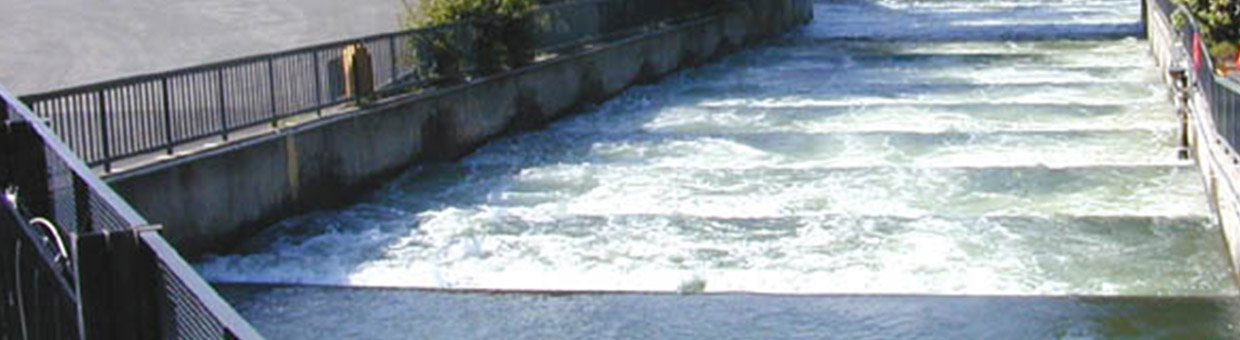
Another Lower Columbia Spring Chinook ‘Re-Opener’ This Weekend; Bonneville Dam Passage Still Low
April 25th, 2019
Spring chinook passage at the Columbia River’s Bonneville Dam through April 23 totaled 1,250 fish, which is the second lowest passage in the last 10 years and only 6 percent of the 10-year (2009-2018) average cumulative count (22,499) for that date.
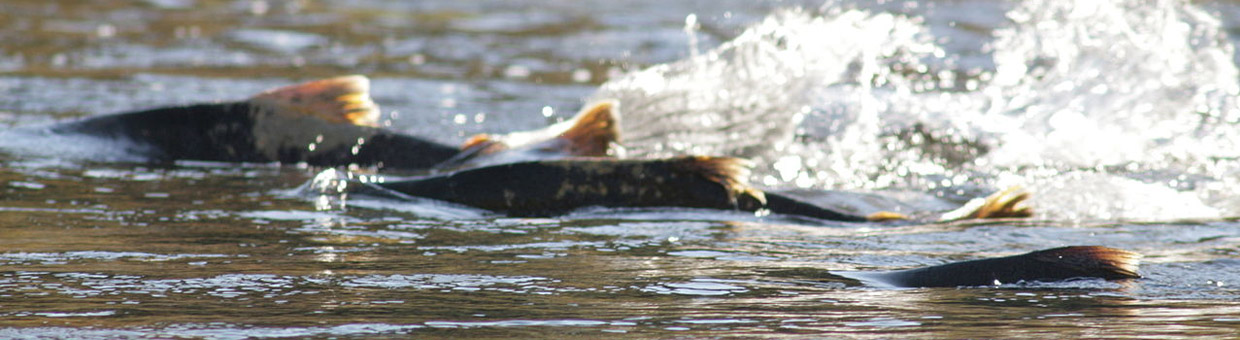
Limited Spring Chinook Fishing Opens Saturday In Idaho; Low Projected Returns Closes Upper Snake
April 24th, 2019
Spring chinook fishing in Idaho will open on April 27, with a two-day-a-week season on the Clearwater River and a four-day-a-week season on the Salmon and Little Salmon rivers. The season will run until sport anglers’ shares of the harvest are met (which varies by river) or Aug. 11 — whichever comes first.
Columbia River Springer Fishing Allowed This Weekend;Passage Numbers Low At Bonneville But Improving
April 18th, 2019
High flows and low visibility during last weekend’s limited spring chinook salmon two-day salmon opening resulted in just 20 fish caught by a limited number of anglers braving the poor conditions, prompting the two-state Columbia River Compact this week to add two more days of fishing this weekend, April 20 and 21.
Bonneville Power Says ESA-Listed Oregon Spotted Frog Finding ‘Refuge’ Under Transmission Lines
April 17th, 2019
The threatened Oregon Spotted Frog, which has lost habitat to development, agriculture and invasive species has found refuge in what may seem like an unlikely place: beneath the high-voltage power lines of the Bonneville Power Administration, said the agency in a press release.
ODFW Releases Third Edition Of Draft Wolf Management Plan, Commission To Vote June 7
April 17th, 2019
The Oregon Department of Fish and Wildlife released its draft proposed Wolf Conservation and Management Plan Monday at www.odfw.com/wolves
Montana Intercepts Boat From Great Lakes Carrying Invasive Mussels; Oregon Opens Stations
April 17th, 2019
The Montana Fish, Wildlife and Parks Anaconda watercraft inspection station intercepted a boat carrying invasive mussels Monday.
The boat was being transported from the Great Lakes area to Bellingham, WA, by a commercial hauler. The boat was last used on Lake Huron and had been in dry dock since October.
Salmon Fishing Seasons:Good Opportunities For Coho, Some Restrictions To Protect Low Chinook Returns
April 17th, 2019
Anglers can expect a mixed bag of salmon fisheries this year with increased coho opportunities in the ocean and the Columbia River, but additional necessary restrictions to protect chinook in Puget Sound.